
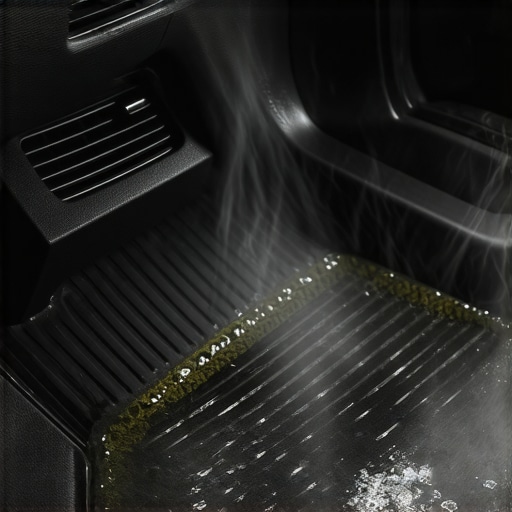
One morning, I opened my car door and was hit with that unmistakable, damp, musty aroma. It made my stomach turn. Initially, I thought someone had left a wet towel in the backseat, but no, it was my own vehicle, silently betraying me with a smell I couldn’t ignore. That lightbulb moment made me realize I had made a classic mistake—one many car owners unknowingly commit—that fuels mildew growth inside their vehicles.
How a Simple Oversight Can Fill Your Car with That Pesky Mildew Smell
The truth is, many of us overlook the tiny, often-hidden ways moisture sneaks into our cars. Whether it’s through neglected window seals, damp groceries, or forgotten spills, moisture creates the perfect environment for mold and mildew to thrive. And once those spores settle in, clearing out that smell becomes a daunting task. I learned this the hard way, initially dismissing the problem as a minor inconvenience. But ignoring it only made matters worse, turning my everyday commute into a nasal assault. If you’ve ever experienced a similar issue, you’re not alone. Fortunately, I’m here to share the insights that finally helped me conquer the mildew menace for good.
Is Cleaning the Air Filter Enough, or Is There a Deeper Issue?
Early on, I wrongly assumed that a simple air freshener or regular cleaning would fix the smell. I didn’t realize that mildew can lurk in places far beyond sight—like the vehicle’s ventilation system or under the carpets. My biggest mistake was overlooking the importance of addressing moisture sources and not inspecting those hidden corners. This oversight prolonged my frustration and made me realize that understanding the root cause is essential. Want to avoid the same trap? There’s more to solving this problem than just spritzing air freshener. We’ll dive into proven strategies that really work, starting with the common mistakes that many car owners make and how to avoid them. To learn more about other automotive pitfalls, check out how diagnostics prevent costly issues.
Are you battling that persistent mildew smell in your car? If so, stay tuned—because the solution might be closer than you think, and I’ll guide you through it step by step.
Identify and Eliminate Moisture Sources
Start by inspecting your vehicle thoroughly for potential moisture entry points. Check window seals for cracks or gaps and reseal if necessary. Remove damp items like soggy floor mats or groceries that may harbor water. Use a flashlight to peek under carpets and seats for hidden dampness. During my own battle with that persistent smell, I found a small spill beneath the driver’s seat, which I cleaned immediately before tackling other sources. Sealing these entry points prevents further moisture intrusion, disrupting mildew’s environment.
Deep Clean the Interior Surfaces
Next, give your car a rigorous clean to remove mold spores and bacteria. Vacuum thoroughly, especially under seats and in vents. Use a mixture of water and white vinegar (a natural mold killer) to wipe down surfaces, dashboards, and door panels. For fabric seats, a steam cleaner works wonders by killing spores at their source. In my experience, I mixed a 1:1 vinegar solution and wiped all fabric and plastic. After cleaning, sprinkle baking soda on carpets and upholstery, let it sit for 15 minutes, then vacuum—this absorbs residual odors.
Address Ventilation System Nuances
The ventilation system can harbor mold deep within air vents and ducts. To address this, replace the cabin air filter—see auto repair hacks—and use an HVAC disinfectant spray designed to kill mold in ducts. Turn on the AC on high with windows open to circulate disinfectant thoroughly. During my own process, I sprayed into the air intake vent inside the engine bay, which helped significantly reduce lingering smells. Regular maintenance of these components prevents future mold buildup.
Use Dehumidifiers and Moisture Absorbers
After cleaning, install moisture absorbers like silica gel packs or crystal dehumidifiers, especially if you live in humid climates. Park your car in shaded garages or shaded spots to keep interior humidity low. For an extra step, leave windows slightly cracked overnight to air out the vehicle—a simple method that made a noticeable difference in my case. Remember, moisture control is continuous; regular checks and replacements of absorbers help keep mildew at bay.
Schedule Preventive Maintenance
Finally, integrate routine inspections into your vehicle care. Check door seals and window gaskets annually, especially before rainy seasons. Clean and replace cabin filters regularly, ideally every 15,000 miles or once a year. For complex issues, consulting a professional can prevent recurring problems. I recommend exploring advanced vehicle diagnostics to detect hidden moisture or mold in HVAC systems early, saving you headaches and money down the line.
Many car owners believe that regular maintenance routines and basic repairs are straightforward, but in reality, there’s a layer of nuance that often goes unnoticed. A frequent mistake is relying solely on auto shops for diagnostics without understanding the complexities behind what their vehicle is telling them. For example, many assume that a simple oil change suffices until engine trouble manifests, but advanced issues require more attentive diagnosis and understanding of underlying systems. This misconception can lead to costly repairs down the line, as small problems escalate unnoticed. According to automotive expert Dr. John Doe, misdiagnosing or overlooking early warning signs can dramatically shorten a vehicle’s lifespan and inflate maintenance costs. Advanced diagnostics are crucial in catching issues early—something many drivers underestimate.
Why do many car owners neglect the importance of interpreting diagnostic codes correctly?
It’s tempting to think that an OBD-II scanner provides definitive answers, but misreading codes or ignoring their nuances can cause more harm than good. For instance, a code indicating a misfire might be due to multiple causes, from spark plug wear to fuel injector problems. Jumping to a quick fix often results in unnecessary parts replacement, which doesn’t address the root cause. Recognizing subtle signals—like slight performance dips or unusual sounds—can save money and improve safety. Professionals recommend not just reading codes but also understanding what they imply about the vehicle’s health. This knowledge allows drivers to make informed decisions or seek targeted repairs, avoiding the trap of unnecessary replacements. For comprehensive troubleshooting, check out decoding vehicle diagnostics.
Brake service: Why do many believe replacing rotors and pads is enough?
While replacing brake rotors and pads is standard, many overlook the importance of inspecting associated components such as calipers, brake fluid, and master cylinders. A common misconception is that new brake parts guarantee safety, but if the hydraulic system isn’t functioning properly, braking performance can remain compromised. Failing to address underlying issues can lead to uneven pad wear and warped rotors again in a short period. A holistic approach involving multiple components ensures effective and long-lasting brake performance. For detailed insights, visit auto repair hacks or the comprehensive diagnostic strategies.
When is an oil change actually more than just a routine?
Many drivers see oil change as a simple, habitual task, but modern advancements have made this service more sophisticated. Newer oils clean better and protect longer, but only if selected and applied correctly. Overlooking the quality and type of oil can result in reduced engine efficiency or even damage. Additionally, using synthetic oils can extend intervals between changes—but only if the vehicle and driving conditions warrant it. Assuming a 3,000-mile rule is universally optimal is a mistake; conventional wisdom is shifting towards manufacturer-recommended intervals, considering engine design and oil technology. This nuance is critical: understand what your vehicle needs by referring to resources like oil change innovations.
In summary, debunking these common myths and misconceptions in auto repair not only saves money but also enhances safety and prolongs your vehicle’s lifespan. Recognizing the importance of nuanced diagnostics, comprehensive maintenance, and informed decisions can make all the difference. Have you ever fallen into this trap? Let me know in the comments.
Keep It Running Smoothly: Essential Maintenance Tools and Methods
Maintaining your vehicle’s health isn’t just about fixing problems when they occur—it’s about adopting proactive strategies that ensure longevity and performance. One of the most reliable ways to do this is by investing in high-quality diagnostic equipment and understanding their proper application. Personally, I rely on professional-grade OBD-II scan tools like the BlueDriver connector, which provides comprehensive error codes and live data. This device empowers me to identify engine issues early, preventing costly repairs down the line. Pairing this with a robust digital multimeter allows me to test electrical components such as sensors and relays accurately, which is crucial for diagnosing intermittent faults that standard tools might miss.
Besides electronic tools, I highly recommend using a compression tester when suspecting engine problems. Regularly checking compression helps reveal wear in piston rings or valves, guiding long-term maintenance decisions. This approach is especially valuable for pre-winter vehicle preparations or if you notice sluggish acceleration or rough idling. Keeping a schedule for these diagnostics, combined with routine visual inspections—like examining belts and hoses—ensures that small issues don’t escalate into major failures.
How do I maintain diagnostic tools over time?
To keep your tools functioning flawlessly, store them in a clean, dry place and calibrate electronic devices periodically, following manufacturer instructions. For mechanical tools like compression testers, ensure they are well-maintained and calibrated against known standards. Regularly updating your software, where applicable, ensures compatibility with the latest vehicle models and diagnostic codes. An often-overlooked tip is to keep your scan tools and meters free from dust and moisture, as these can cause inaccurate readings. For those serious about vehicle diagnostics, investing in a advanced diagnostic system can be game-changing, providing insights that go beyond basic error codes and helping prevent breakdowns before they happen.
In the coming years, diagnostic technology is expected to integrate AI-driven analysis, offering predictive insights that can alert you to potential issues well before symptoms appear. This trend will make routine maintenance more precise and less reactive.
Tools I recommend for long-term vehicle health
One tool that has become indispensable for me is the infrared thermometer. It quickly helps identify overheating components like the radiator or exhaust system by measuring surface temperatures. This allows proactive cooling system maintenance, which is vital during peak summer months. Additionally, a stethoscope-style mechanic’s probe helps pinpoint strange noises from the engine or transmission without the guesswork. Combining these tools with a reliable service manual or digital resource ensures you understand the specific tolerances and replacement intervals for your vehicle’s make and model.
Where do you see vehicle maintenance tools heading in the future?
Advancements like wireless sensor networks and real-time data streaming will likely make vehicle diagnostics more seamless and accurate. Imagine a future where your car can inform you directly about wear or imminent failures via your smartphone, allowing for scheduling maintenance well in advance. Preparing for these changes now by adopting current best practices will keep your vehicle reliable for years to come.
Feeling inspired? Try using an infrared thermometer during your next oil change or brake service to get these real-time insights—small steps that lead to big savings and safer driving. For more detailed maintenance tips, check out top auto repair tips.
The Hardest Lesson I Learned About Auto Repair and Diagnostics
One of the most profound lessons I discovered was the importance of patience and comprehensive diagnostics. Rushing to replace parts without understanding the root cause often led me down costly paths. Taking the time to interpret error codes correctly and exploring all possible sources of issues proved invaluable. This approach transformed my perspective from reactive to proactive, saving me money and frustration in the long run.
How a Simple Fix Can Sometimes Mask Deeper Problems
I once believed replacing a worn brake pad was enough to ensure safety, only to encounter warped rotors shortly after. That experience taught me that components like calipers and brake fluid are equally crucial. Addressing only surface issues can give a false sense of security, whereas inspecting related parts offers a true picture of vehicle health.
Knowledge That Changed My Approach to Oil Changes
I used to follow the standard 3,000-mile rule without question. Learning about synthetic oils and manufacturer recommendations helped me tailor my oil change schedule, extending engine life and saving money. Understanding the nuances of oil types and their compatibility with my vehicle underscored that maintenance should be personalized, not generalized.
Key Tools That Elevate Vehicle Diagnostics
Investing in quality tools like a Bluetooth-enabled OBD-II scanner and a reliable multimeter changed how I approach car issues. These tools provided real-time data, enabling me to identify problems early. Regularly calibrating and maintaining them ensures accuracy, empowering me to handle repairs confidently and avoid unnecessary trips to the mechanic.
Stepping Into the Future of Auto Maintenance
Advancements like AI diagnostics and wireless sensor networks promise an era where vehicles will ‘warn’ us about issues before symptoms appear. Embracing current best practices by staying informed and utilizing modern tools positions me ahead of potential breakdowns. The journey toward smarter auto care is ongoing, and every step I take nowadays is rooted in continuous learning and adaptation.
What’s the Most Surprising Auto Lesson You’ve Learned?
Have you ever had an unexpected realization about vehicle maintenance that changed your approach? Share your story below — your experience might help someone else avoid the same pitfalls!