
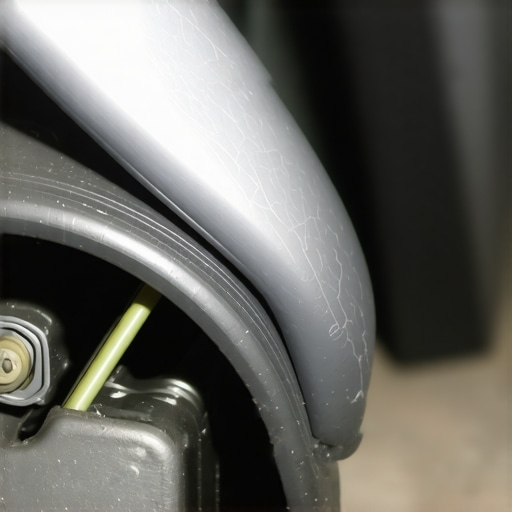
Ever been stranded at the side of the road because your emergency brake just wouldn’t hold? I have, and let me tell you, it was a stressful wake-up call. It all started with a tiny, seemingly insignificant plastic clip that seemed harmless at first glance. That little part turned out to be the culprit behind my brake failure, and it made me realize how often we overlook these small components that keep us safe.
Why a Small Plastic Clip Can Cause Big Problems with Your Emergency Brake
The truth is, many car owners don’t realize that something as simple as a plastic clip can compromise your vehicle’s safety features. These clips secure crucial parts of your brake system, and when they fail or break, the entire mechanism can become unreliable. Early on, I made the mistake of dismissing it as a minor issue, but neglecting these small parts can lead to costly repairs and, worse, dangerous driving situations. Recognizing this problem early and understanding how to fix it can save you both money and peace of mind.
Is Ignoring a Broken Plastic Clip Really That Dangerous?
It’s natural to wonder whether you can just keep driving or if the problem is manageable on your own. From my own experience, ignoring this tiny component was a mistake. A damaged or missing clip can cause your emergency brake to slip or fail completely. That’s why I urge you to pay attention to even the smallest signs of brake system trouble. Implementing preventive checks and knowing what to look for can significantly reduce your risk of breakdowns. For more detailed insights on brake safety, check out this comprehensive brake service guide.
Have you experienced issues with your emergency brake that turned out to be linked to minor parts? If so, you’re not alone. Many drivers overlook these small components until the unexpected occurs. The good news is, with a little knowledge, you can identify and fix these problems yourself or at least know when it’s time to consult a mechanic. Next, we’ll walk through the common signs of a failing plastic clip and how you can address them before they turn into major repairs. Stay tuned; your safety depends on it.
Get Prepared Before You Start
Before diving into repairs, ensure your vehicle is parked on a level surface, the engine is off, and the parking brake is engaged to prevent any movement. Gather necessary tools like pliers, screwdrivers, a jack, and safety gloves. Familiarize yourself with your car’s brake system diagram to understand the parts you’re working with. During my first repair attempt, I mistakenly jumped straight into loosening parts without reading the manual — that caused unnecessary confusion and delay. Planning ahead can save you time and prevent damage.
Inspect and Identify the Faulty Plastic Clip
Lift the vehicle safely using a jack and secure it with stands. Locate the emergency brake assembly, typically behind the wheels. Look for any plastic clips securing the brake cable or related components. Compare your findings to a diagram or repair manual if available. In my case, a visual inspection revealed a broken clip dangling from the cable assembly, which explained the slack and failure to hold the brake. Use pliers to remove broken clips gently and examine whether the cable or other parts are worn or damaged.
Remove and Replace the Damaged Clip
Once identified, carefully detach the broken clip. Keep track of the clip’s dimensions for a replacement, which can often be purchased at auto parts stores or ordered online. When installing the new clip, ensure it clicks into place securely, mimicking the original fit. I once tried to force a wrong-sized clip, which caused it to pop out during testing — precise matching is essential. Test the connectivity by pulling gently on the cable to confirm the clip holds firmly.
Reassemble and Test the Brake System
Reinstall any panels or covers you removed. Lower the vehicle and remove safety stands. Before hitting the road, perform a test by pulling the emergency brake lever multiple times to ensure it engages smoothly and holds the vehicle securely. Also, check that the brake pedal feels firm and responsive. During my first quick test, I discovered the cable tension was too loose, which I fixed by adjusting the cable tensioner (if applicable). Periodic maintenance and inspection of these small parts prevent major incidents on the road.
Address Underlying System Issues if Necessary
If replacing the clip doesn’t resolve the problem, deeper issues like worn brake cables or faulty calipers might be at fault. In such cases, a comprehensive vehicle diagnostics check can reveal hidden issues. Tools like decoding vehicle diagnostics (see this guide) can help interpret error codes. Remember, safety is paramount; if you’re unsure, consult a professional mechanic through this contact page.
Maintain Regular Checks to Prevent Future Failures
After fixing the plastic clip, incorporate routine brake system inspections into your maintenance schedule. Look for signs of wear, corrosion, or loose components. Drivetime, especially in harsh conditions, accelerates component deterioration. Refer to auto repair tips that help extend your vehicle’s lifespan. Staying proactive with these small steps safeguards your safety and those of others on the road.
When it comes to auto repair, many car owners operate under misconceptions that can inadvertently lead to costly mistakes. Let’s dig deeper into some of the most misunderstood aspects of vehicle maintenance, revealing the nuances that even seasoned DIY enthusiasts might overlook. By challenging these common beliefs, you’ll be better equipped to handle your vehicle’s needs smarter and safer.
Are DIY Repairs Always a Good Idea, or Can They Backfire?
Many believe that fixing their car at home always saves money. While some repairs, like changing oil or replacing brake pads, are straightforward, others involve complex systems where a lack of expertise can worsen the problem. For example, misdiagnosing a transmission issue without proper diagnostic tools can lead to unnecessary part replacements and increased expenses. Applying the principle of “know your limits” and leveraging detailed guides like auto repair hacks can prevent these pitfalls.
What Most People Get Wrong About Oil Changes and Engine Care
A prevalent myth is that changing oil is only about the quantity and quality of the oil itself. In reality, modern engines require more nuanced attention, including oil filter quality, drain plug condition, and the precise oil viscosity for your engine’s needs. Using cheaper filters or neglecting oil flushes can cause sludge buildup, diminishing engine lifespan. Innovations in oil change technologies, discussed at this resource, highlight how proactive measures boost your engine’s longevity. <
Why Brake Service’s Role in Safety Is Often Underestimated
Many drivers think routine brake inspections are minor, but neglecting this can be a costly mistake. An overlooked worn rotor or a failing caliper not only jeopardizes safety but can also result in expensive repairs if left unchecked. The nuances lie in understanding the importance of proper brake fluid maintenance, brake pad alignment, and the quality of replacement parts. For example, this guide emphasizes that a small neglect today can lead to catastrophic brake system failure tomorrow. Don’t wait for squealing or vibration to address brake health.
How Can Advanced Diagnostics Save You Money and Prevent Breakdowns?
Vehicle diagnostics are often misunderstood as solely for resolving check engine lights, but their real power lies in early detection of hidden issues. Advanced diagnostic tools can reveal impending failures—like a failing oxygen sensor or slow-developing transmission glitch—before they manifest as costly breakdowns. As explained at this resource, investing in regular diagnostics can reduce emergency repairs and extend your vehicle’s lifespan. Recognize that cramming for a test isn’t enough; ongoing, professional diagnostics maintain your vehicle’s health behind the scenes. Have you ever fallen into this trap? Let me know in the comments.Maintaining your vehicle over the long term requires the right tools, informed methods, and a proactive approach. I personally swear by a few key pieces of equipment that make diagnostics and repairs more accurate and less stressful. For instance, an OBD-II scanner like the BlueDriver Bluetooth Professional Code Reader has become indispensable for me. It offers comprehensive live data, freeze-frame records, and the ability to clear trouble codes efficiently. I use it routinely to perform vehicle diagnostics, especially before heading out on long trips, ensuring that I catch issues early and prevent unexpected breakdowns. Regularly analyzing data from such tools helps me understand my vehicle’s health and plan maintenance accordingly.
How do I keep my vehicle in top shape over time?Lessons That Changed My Approach to Auto Repairs
- Never underestimate the power of the tiniest component; a small plastic clip can be the difference between safe driving and a roadside emergency. My experience taught me to scrutinize every part, no matter how insignificant it seems.
- Hands-on repairs demand a blend of patience and preparation. Jumping straight in without reading the manual or gathering tools often leads to setbacks. Planning ahead is invaluable, especially when replacing parts like clips that fit snugly and require precise matching.
- Preventive maintenance isn’t just about big expenses—it’s about catching small issues early. Regular inspections of your brake system, including clips and cables, can save you money and, more importantly, your safety on the road.
- Modern vehicle diagnostics are game-changers. Investing in tools like the BlueDriver OBD-II scanner has empowered me to detect hidden problems before they escalate. Continuous learning about diagnostic techniques keeps me one step ahead.
Tools and Resources That Make a Difference
- BlueDriver Bluetooth Professional Code Reader: This device provides comprehensive data insights, helping me understand my vehicle’s health and plan repairs proactively. Its user-friendly interface and reliable performance make it a staple in my toolkit.
- Auto Repair Guides at RepairMyCarPro: The detailed manuals and tutorials, especially the brake service and diagnostic articles, offer clear, step-by-step instructions. They’ve saved me time and prevented costly mistakes.
- Online Vehicle Forums: Engaging with fellow enthusiasts and experts on platforms like repair forums provides diverse perspectives and troubleshooting tips that textbooks often overlook. Sharing experiences has broadened my auto repair knowledge exponentially.
Take Action and Keep Your Vehicle in Peak Condition
Your journey toward better vehicle maintenance begins today. Embrace the small details—like inspecting and replacing plastic clips—and leverage the right tools and knowledge. Remember, proactive care not only extends your vehicle’s lifespan but also ensures your safety and confidence on every trip. Are you ready to tackle those minor repairs that make a major difference? Let me know your experiences below and how you stay ahead in auto maintenance.