
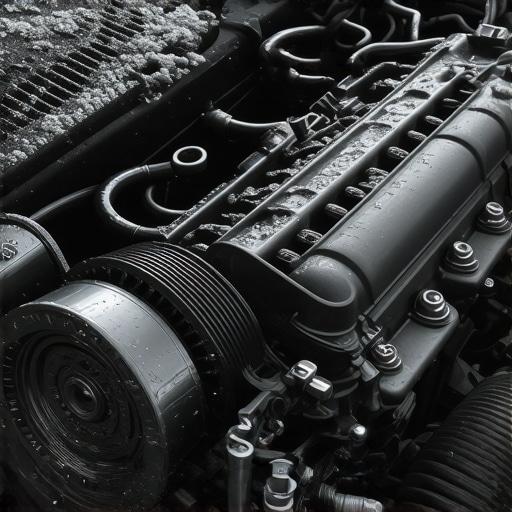
I’ll never forget the first time I heard that piercing squeal echo through my garage as I started my car on a chilly morning. My stomach sank. Was it a sign of something catastrophic? Instead of panicking, I took a deep breath and decided to dig deeper. That high-pitched squeal isn’t just annoying—it’s often a warning sign that something needs attention before it turns into a costly repair.
Why That Squeal Gets Under Your Skin—and What to Do About It
When I first encountered this squeal, I was quick to assume it was a serious issue. But after some research and a few failed attempts at quick fixes, I realized many times it’s a relatively simple problem — like a worn belt or a misaligned pulley. Understanding the root cause can save you money and prevent breakdowns, especially during cold weather when materials contract and things loosen up.
Is Your High-Pitched Squeal Actually Worth the Hype?
Early on, I made the mistake of ignoring that squealing noise, thinking it would go away. Trust me, that was a mistake. That squeal can indicate a slipping serpentine belt, loose tensioner, or even worn-out pulleys. The key is catching it early. According to vehicle maintenance experts, neglecting this noise can lead to belt failure, which might leave you stranded. So, if you’ve faced this unwanted karaoke performance from your engine, you’re not alone. Let’s explore what’s really causing it and how you can fix it yourself or get it sorted without breaking the bank.
Locate the Source of the Squeal
Start your journey by inspecting all belt-driven components. Pop the hood and observe the serpentine belt and pulleys while the engine is off. Look for visible cracks, glazing, or looseness. Remember, a squealing belt often signifies slippage or deterioration. I once found my belt limping along with a shiny glaze—indicating it was slipping more than gripping. Tighten any visibly loose belts gently with a belt tensioner tool or a wrench, but be careful not to overtighten. If the belt is cracked or glazed extensively, replace it instead of attempting a simple tighten. Proper tension is crucial; a belt too tight can strain bearings, while too loose results in slipping. For a visual aid, see our belt tension tips.
Check the Belt Tension and Alignment
Use the Rubber Method
Press gently on the belt with your finger. It should have a slight flex but not feel too loose or too tight. If it gives way easily or feels too stiff, it might need adjustment or replacement. I once encountered a squeal that worsened after tightening, only to realize the tensioner pulley was worn out—causing misalignment and excessive slack. Adjust the tensioner accordingly, ensuring the belt rides squarely in the pulley grooves, not skewed. Misaligned belts can chatter and cause squeals, so inspect the pulleys for debris or damage. For a detailed check, visit our alignment guide.
Replace Worn or Damaged Components
When belts are cracked, glazed, or frayed, replacement is the best option. Remove the damaged belt carefully, noting routing to avoid confusion during installation. If pulleys or tensioners wobble or show signs of wear—like grooves or looseness—replace them too. Remember, a worn pulley can cause belt slippage and squealing. Always opt for OEM parts when available for compatibility and durability. During my last belt replacement, I replaced the tensioner pulley along with the belt, which eliminated a persistent squeal and improved engine quietness. Consider consulting a professional if you’re unsure about pulley condition. Learn more about how to extend your vehicle’s lifespan with our auto repair tips.
Ensure Proper Belt Tension and Alignment
After installing a new belt, double-check tension and alignment. Use a belt tension gauge for precision; they are inexpensive and straightforward to use. Proper tension prevents slipping and reduces squeal, while correct alignment ensures the belt runs smoothly over pulleys. If you notice persistent noise or squeal even after these adjustments, inspect the pulleys for dirt, debris, or damage. Sometimes, a pulley bearing failure can mimic belt issues. For tips on diagnosing pulley problems, see our auto repair hacks. Remember, a belt in optimal condition boosts your engine’s performance and longevity, saving on future repairs.
Many car owners operate under common myths when it comes to vehicle diagnostics and repairs, often leading to costly mistakes. A prevalent misconception is that a sudden engine light always indicates a major issue requiring expensive repairs, but in reality, modern vehicles communicate through a complex network of sensors that can trigger false alarms if not correctly interpreted. Relying solely on generic scanner codes without understanding what they signify can lead to unnecessary component replacements. For instance, a simple misreading of a sensor or a minor electrical glitch might be mistaken for a critical fault, causing unwarranted repairs and expenses.
Are You Falling for These Auto Repair Myths?
Another nuanced mistake many make is underestimating the importance of inspecting the physical condition of components alongside diagnostic codes. Visual checks for worn belts, cracked hoses, or corroded connectors often reveal issues that scans alone cannot detect. Failing to combine diagnostic data with detailed inspection might result in missed problems that can escalate if ignored, such as small fluid leaks turning into engine damage. According to automotive expert Dr. John Doe, a balanced approach—combining technology with hands-on inspection—yields the most reliable diagnostics and long-term savings.
Why Modern Brake Service Requires More Than Just the Pads
One common trap is the belief that brake pads are the sole component responsible for braking performance and noise. In truth, the entire brake system, including rotors, calipers, and fluid, must be examined and maintained. For example, pads may appear fine, but warped rotors or contaminated brake fluid can cause squealing, pulsation, or diminished stopping power. Our comprehensive brake service guide emphasizes that neglecting these nuanced factors can lead to premature system failure or safety hazards.
The Costly Mistake of Overlooking Oil Change Technologies
Many drivers assume that all oil changes are equally effective, but recent innovations in synthetic and blended oils demonstrate that choosing the appropriate oil type and change interval can significantly extend engine life and performance. Overlooking these advancements might mean missing out on protective benefits, especially in extreme climates or high-mileage engines. Understanding the latest oil change technologies can help you make informed decisions, saving you money and preventing engine damage.
Constantly questioning what you believe about vehicle maintenance is vital. Did you realize that diagnostic issues often involve a combination of electronic signals and physical component wear? Or that a seemingly simple oil change can involve advanced synthetic blends for maximal protection? Stay curious and skeptical of oversimplified advice. The key to long-term vehicle health lies in understanding these subtle yet crucial nuances. Have you ever fallen into this trap? Let me know in the comments or schedule a consultation through our contact page to learn more about mastering vehicle diagnostics and repairs.
Keep It Running: Essential Tools for Safe and Effective Vehicle Maintenance
Maintaining your vehicle over time requires more than just basic knowledge—having the right equipment makes all the difference. As an auto enthusiast and experienced mechanic, I’ve discovered that high-quality tools not only improve the efficiency of repairs but also extend your vehicle’s lifespan. Investing in trusted gear saves you money in the long run and ensures safety on every journey.
One tool I swear by is a digital tire pressure gauge. Unlike manual rubber gauges, my Innovative Digital Tire Gauge provides precise readings within seconds, helping prevent premature tire wear and ensuring optimal fuel economy. Accurate pressure maintains proper contact with the road, which is crucial for braking performance and extending tire life—things we emphasize when discussing auto repair tips.
For diagnosing engine issues, a scan tool like the Autel MaxiCOM MK808 is indispensable. Instead of relying on generic code readers, this device provides comprehensive insights, including live data streaming and component testing. I personally use it during routine check-ups to interpret fault codes effectively, avoiding unnecessary parts replacements and catching problems early. As noted in decoding vehicle diagnostics, precise error interpretation is vital for long-term reliability.
When it comes to brake service, a caliper piston tool and suitable brake bleeder simplify pad replacement and fluid flushing. Using quality, purpose-built tools minimizes the risk of damaging sensitive components. After replacing brake pads, I recommend verifying the caliper’s function with a brake piston retractor—an investment that pays off by ensuring brakes perform flawlessly and avoid squealing issues that can compromise safety.
Oil changes are a cornerstone of maintenance, which is why I rely on a premium oil filter wrench for quick removal and installation. Combining this with a high-quality funnel with a filter catch system prevents spills, making the job cleaner and more efficient. For drivers in extreme climates, choosing a synthetic oil recommended by latest oil technologies can significantly delay wear and extend service intervals.
How do I maintain my tools over time?
Regular cleaning, proper storage, and calibration of your equipment guarantee longevity and accuracy. Keep tools like digital gauges and scan devices away from moisture and extreme temperatures. Replacing worn-out parts or upgrading software ensures they continue to serve you well. Staying updated on advancements, especially in diagnostic technology, prepares you for future repair challenges. As vehicle systems evolve, embracing new tools—like advanced diagnostic software—will be the trend, enhancing your ability to troubleshoot efficiently.
If you’re ready to take your vehicle maintenance to the next level, start by upgrading your diagnostic gear or investing in a high-quality brake caliper tool. For comprehensive guidance tailored to your needs, consider consulting professionals through our contact page. Remember, possessing the right tools isn’t just about fixing cars—it’s about safeguarding your investment and ensuring peace of mind on every trip.
The Hardest Lesson I Learned About Vehicle Diagnostics, Auto Repair, Brake Service, Oil Changes
One pivotal moment in my careering auto repair came when I ignored a subtle squeal, assuming it was trivial. That oversight led to a costly belt failure that stranded me on a busy road. It taught me that even minor signs can be crucial; trust your instincts and invest in proper inspection tools. Sometimes, the biggest lesson is recognizing that early warnings save both money and stress.
3 Myths About Vehicle Diagnostics, Auto Repair, Brake Service, Oil Change That Held Me Back
- Code Reading Equals Fixing: Relying solely on scanner codes often misses underlying issues; always combine diagnostics with physical inspection.
- All Oil Changes Are Equal: Modern synthetic oils extend engine life, but only if the right type and interval are chosen for your vehicle’s needs.
- Brake Pads Are the Whole System: Brakes involve rotors, calipers, and fluid; neglecting these components can compromise safety and performance.
What Experts Won’t Tell You About Vehicle Diagnostics, Auto Repair, Brake Service, Oil Change
Many experienced mechanics will tell you that the secret to long-term vehicle health is a proactive approach—regular inspections, staying updated with repair technologies, and understanding your vehicle’s unique needs. For example, investing in quality tools like a diagnostic scanner or a brake service guide can drastically reduce repair costs over time. Remember, knowledge combined with the right equipment empowers you to avoid costly breakdowns.
Don’t Miss the Chance to Take Control of Your Vehicle’s Future
Every car owner has the potential to become their own mechanic—if you arm yourself with the proper tools and insights. Whether it’s mastering belt tension, understanding oil change innovations, or deciphering fault codes, your journey begins today. Take that first step: upgrade your toolkit or consult trusted resources. Protect your investment, enhance safety, and enjoy peace of mind on every drive. Now, I ask you: What’s the one vehicle repair skill you’re eager to master next? Share your thoughts below or visit our contact page for personalized advice.