
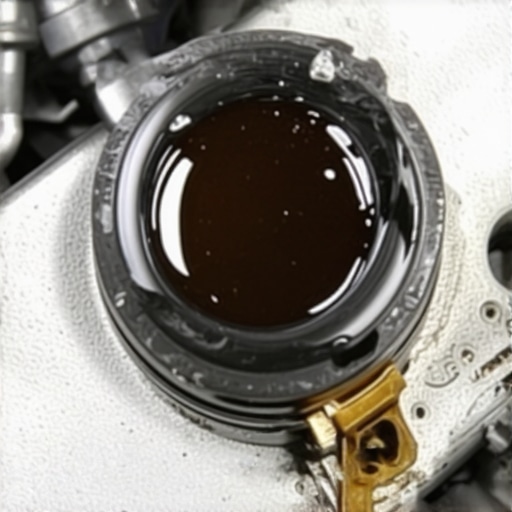
It was a typical Saturday afternoon when I popped open my hood to check the oil—only to be greeted by a thick, pitch-black goo slathered all over my dipstick. My heart sank. I’d just had my oil changed a few weeks ago, so why was it already such a mess?
The Sharp Realization That Changed My Perspective
That moment hit me like a bolt of lightning. I realized I was wasting time chasing temporary fixes instead of addressing the root cause of my engine oil turning black so quickly. It wasn’t just about appearances; it was a warning sign of underlying issues that could cause costly damage if ignored.
So, if you’ve been puzzled by how fast your engine oil blackens—despite regular changes—you’re not alone. Today, I promise to unravel the mystery and show you what really causes this problem, backed by real-world experience and good ol’ automotive science. We’ll dive into the common mistakes that lead to premature oil darkening and, more importantly, what steps you can take to fix it.
Is It Worth Worrying Over Blackened Oil?
Many folks dismiss the rapid darkening of oil as normal—after all, it’s supposed to get dirty, right? Well, not exactly. Rushing into DIY fixes without understanding the cause can do more harm than good. I made that mistake early on when I simply topped off my oil instead of diagnosing the real issue, which only worsened my situation. For a deeper dive into diagnostic techniques, check out vehicle diagnostics explained.
Now, let’s get below the surface and uncover why your oil’s quick transformation into a dark, grimy mess isn’t just cosmetic—it’s a sign that your engine might be fighting a silent battle. Ready to learn how to tell the difference between normal wear and something more serious? Keep reading, because the steps ahead could save you a lot of money and headaches down the road.
Identify the Source of Oil Contamination
Start by removing the oil fill cap and inspecting for discoloration, debris, or sludge. I once noticed a layer of gritty sludge forming, which indicated engine wear or fuel dilution. Recognizing these signs early prevents engine damage. Use a flashlight to get a clear view, and consider taking a sample for lab analysis if you’re unsure.
Perform a Compression Test
This step helps determine engine health. I conducted a compression test after noticing my oil darkening rapidly, and it revealed low compression in one cylinder, pointing to worn piston rings. To do this, you’ll need a compression tester from your auto parts store—many offer rental options. Follow the manufacturer’s instructions precisely to avoid inaccurate readings.
Check for Fuel Leaks into the Oil
Fuel contamination dilutes engine oil, speeding up its darkening. Disconnect the fuel injectors and observe if the oil remains nearly transparent during a cranking test. If you suspect fuel leakage, inspect fuel injectors or consider a professional diagnosis. Addressing faulty injectors promptly can save your engine from severe damage.
Inspect PCV Valve Functionality
A malfunctioning Positive Crankcase Ventilation (PCV) valve can cause blow-by gases to contaminate the oil. Remove the PCV valve and shake it—if it’s clogged or stuck, replace it. I replaced mine following a simple tutorial, which noticeably improved oil cleanliness over subsequent oil changes.
Change Oil and Filter Properly
After diagnosing and fixing the underlying issue, perform an oil change using high-quality oil recommended for your engine. Always replace the oil filter to ensure contaminants are removed entirely. Use a reputable brand and specify synthetic if your vehicle demands it—this enhances oil stability and reduces premature darkening. Check out oil change innovations for more tips.
Monitor Engine Performance and Oil Condition
Return to regular checks. I established a routine to inspect my oil every 1,000 miles, noting its color and texture. Installing a clear sight glass on the dipstick can help monitor contamination levels continuously. If oil darkens faster than expected even after repairs, consider scheduling a professional diagnostic to rule out internal issues.
Use Vehicle Diagnostics for Deep Inspection
When problems persist, advanced diagnostics are invaluable. A technique I adopted involved using a diagnostic scanner to check for engine codes related to fuel systems or piston rings. Reliable diagnostics can uncover hidden issues beyond what visual inspections reveal. Visit vehicle diagnostics explained for insights on this process.
Implement Preventative Maintenance
Addressing oil darkening isn’t just about fixing a symptom; it’s about prevention. Regular oil changes, using the correct grade, and timely replacement of filters extend your engine’s lifespan. Review auto repair tips to stay ahead of costly repairs and keep your engine running smoothly.
Why Everyone Gets Auto Repairs Wrong
Many car owners believe that following the basic maintenance schedule is enough to keep their vehicle in top shape. However, I often see seasoned DIYers falling for the myth that cheap, quick fixes are the best solutions. In reality, quick patches often mask deeper issues, leading to costly repairs later. For example, using generic oil filters instead of OEM-approved ones might save a few bucks upfront, but it can compromise engine health over time. My experience suggests that understanding the latest oil change technologies can make a real difference in long-term engine performance.
Common Mistakes in Vehicle Diagnostics
One area where many get tripped up is diagnostic testing. A prevalent misconception is that throwing a code reader on the dash and replacing parts based solely on error codes will solve issues. But in my practice, I’ve seen this approach lead to unnecessary part replacements. Advanced diagnostics involve analyzing multiple data points, including sensor readings and system behaviors, rather than single error codes. For deeper insights, consider exploring advanced diagnostic techniques that can prevent costly breakdowns and extend your vehicle’s lifespan.
Brake Service Secrets You Might Not Know
Another overlooked nuance is in brake service. Many assume that replacing pads and rotors is all that’s needed. However, neglecting the importance of proper rotor resurfacing or ensuring caliper lubrication can cause premature wear or vibrations. Overlooking these details is a common pitfall I advise against. For a comprehensive understanding, review brake service essentials that highlight what truly contributes to safety and brake longevity.
What Makes an Auto Repair Professional Truly Skilled
Many underestimate the value of experience and ongoing education in auto repair. They often rely on generic repair shops that cut corners or use outdated methods. A highly skilled mechanic continuously updates their knowledge, employing tools like easy diagnostic checks and modern equipment. Recognizing this hidden aspect can save you hundreds or thousands in the long run. Have you ever fallen into this trap? Let me know in the comments.
Essential Tools I Trust for Auto Maintenance
Over years of hands-on experience, I’ve refined my toolkit to include specific, high-quality equipment that makes diagnostics and repairs more precise and efficient. A digital multimeter is a must-have for checking sensor voltages and grounding issues. I prefer the Fluke 117 because of its accuracy and durability, ensuring reliable readings during critical diagnostics. For more complex tasks like scanning for engine codes, I use the BluView OBD2 scanner, which connects seamlessly to my smartphone and provides comprehensive data in real-time. This combo allows me to pinpoint issues swiftly, saving time and reducing guesswork. Additionally, a reliable torque wrench, like the Tekton 24335, ensures components are tightened to manufacturer specs, preventing future problems. Having these tools accessible isn’t just about fixing problems—it’s about proactive maintenance to extend your vehicle’s lifespan.
Leveraging Software and Diagnostics for Long-Term Results
Modern vehicles are tech-powered machines, and using the right diagnostic software can uncover underlying issues before they escalate. I recommend investing in professional-grade diagnostic platforms like Autel Maxisys or Snap-On MODIS, which provide deep insights into engine performance, transmission health, and more. These tools interface with vehicle ECUs to detect subtle anomalies that simple code readers might miss. Regular scans, especially after performing repairs or replacing components, help monitor system health over time. For DIY enthusiasts, apps like Torque Pro can connect with your OBD2 scanner to track real-time data and log trends, alerting you to potential troubles early. Integrating these diagnostics into your routine ensures you’re not just reacting to problems but actively preventing them.
How do I keep my vehicle diagnostics sharp over time?
Maintaining the accuracy of your diagnostic tools requires regular updates and calibration, especially for software-based systems. Manufacturers release firmware updates that enhance compatibility and add new features, so check for updates periodically. Additionally, ensure your scanner’s sensors and connections are clean and free from corrosion—this small step preserves signal integrity. Developing a habit of scheduled diagnostics, such as every 3-6 months or after significant repairs, allows you to catch issues early and verify repair effectiveness. Remember, a well-maintained diagnostic setup is invaluable for long-term vehicle health. In the future, I predict diagnostics will become even more integrated with AI, offering predictive maintenance insights that could revolutionize auto care. For now, start by trying out a deep scan with your current tools and observe how it can unveil hidden problems—it’s a game-changer.
Insights that Changed My Approach to Car Maintenance
One of the most unexpected lessons I learned was that not all darkened oil is created equal—sometimes, it signals a brewing internal issue rather than just normal wear. I realized that investing in quality diagnostic tools and understanding their readings can dramatically reduce repair costs over time. Also, I discovered that regular communication with trusted mechanics and leveraging their expertise often uncovers hidden problems before they escalate. Lastly, I learned that proactive monitoring of engine performance, rather than reactive fixes, extends vehicle lifespan and keeps my mind at ease.
My Favorite Arsenal for Keeping Cars in Peak Condition
I swear by tools like the Fluke 117 multimeter for accurate electrical diagnostics and the BluView OBD2 scanner for comprehensive engine data. Combining these with a reliable torque wrench such as the Tekton 24335 ensures that I tighten components to manufacturer spec, preventing future issues. Reading trusted resources like latest oil change tech and consulting detailed guides from vehicle diagnostics explained keeps my skills sharp and my vehicle running smoothly.
Let Your Passion for Car Care Drive Better Results
Take action today by adopting a routine inspection schedule and investing in the right tools—your engine will thank you. Remember, staying informed and vigilant is the best way to avoid costly breakdowns. Do you use any diagnostic tools or routines that have made a difference? Share your experiences below—your insights might inspire someone to start their own journey to automotive confidence!