
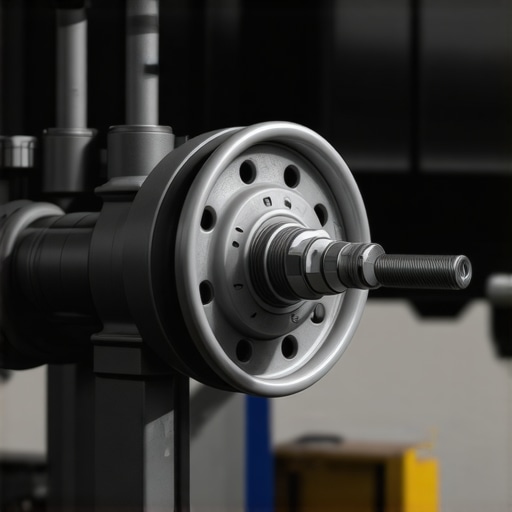
I remember the first time I got a professional wheel alignment for my car. I was excited, thinking my vehicle would glide smoothly on the highway. But just a few days later, I noticed my steering wheel was pulled ever so slightly to the right. It frustrated me! I thought the mechanic made a mistake, or maybe I just needed to break in the new settings. Turns out, that was only the beginning of my learning curve about steering alignment issues.
If you’ve ever had your wheels aligned only to find your steering wheel refuses to stay centered, you’re not alone. It’s a surprisingly common problem that can bother even seasoned DIYers. In fact, a lot of folks assume that once their wheels are aligned, everything should be perfectly straight—no questions asked. But the reality is more nuanced. Your car’s steering wheel might still pull, vibrate, or feel off-center, and understanding why is crucial before you toss your hands in the air.
Today, we’re going to uncover the reasons behind this perplexing issue and, more importantly, how to troubleshoot and fix it. If you’ve faced this dilemma, my hope is that with a bit of patience and the right tips, you’ll be able to get your steering wheel to behave just like it’s supposed to—straight and steady.
First things first, let’s delve into a common mistake I made early on that anyone tackling this issue should avoid: assuming that an alignment alone will solve all steering problems. While proper alignment is essential, it’s not always the complete answer. Sometimes, the root cause lies elsewhere, like uneven tire wear, suspension components, or even something as simple as incorrect tire pressure. According to recent research, improper tire maintenance can significantly affect alignment outcomes and steering behavior, leading to excessive wear and handling issues (source: https://repairmycarpro.com/auto-repair-hacks-save-money-without-sacrificing-quality).
Understanding these nuances will help you avoid wasting time and money chasing the wrong fixes. So, grab your tools or your mechanic’s number—because after we cover the typical reasons, I’ll guide you through practical steps to improve your steering precision and ensure your wheel stays centered. Ready? Let’s jump into the first key factor behind this frustrating problem.
Check Your Tire Pressure First
Start by inspecting all tires and ensuring they have the recommended pressure, as uneven tire pressure can cause pulling. Use a reliable gauge and fill or deflate to specs outlined in your owner’s manual or on the door jamb. I once had a stubborn pull, and a quick pump on my front tires was all it took to regain control, saving me a trip to the shop.
Examine Suspension and Steering Components
Next, visually inspect suspension parts like tie rods, control arms, and ball joints for damage or excessive wear. These components act like the hinges and axles in a door, and if worn, they can throw off alignment. I once noticed a loose tie rod when I jacked up my car, which was causing the steering wheel to drift. Tightening or replacing these parts can restore your steering’s accuracy. For detailed guidance, you can explore auto repair hacks.
Perform a Basic Alignment Check
Use a string or a straightedge to verify the wheel alignment. For example, park your car on a flat surface, and set strings parallel to the axle to measure toe-in or toe-out. Small deviations can be corrected with minor adjustments or by a mechanic. I once used this yardstick approach and found my car was off by a quarter inch, which I corrected myself with simple tools. Remember, if off, it’s better to consult a professional for a precise alignment, especially since improper adjustments can worsen the pull.
Inspect the Axles and CV Joints
Vibrations or pulls can stem from worn axles or CV joints. These parts transfer power from the transmission to the wheels. Jack up your vehicle and wiggle the tires to feel for play. I discovered a torn CV boot on my friend’s car, which was causing grease loss and misalignment issues. Replacing damaged axles involves specific procedures—if you’re unsure, reaching out to contact us for professional guidance is wise.
Verify Wheel Balance and Condition
Unbalanced or damaged tires can mimic alignment problems. Use a balancer or visit a shop for a quick check. I once ignored a shaken steering wheel, only to find a cracked wheel from impact damage, which needed replacement. Regularly inspecting tire tread and sidewalls is crucial; cracks, bulges, or uneven wear hint at underlying issues.
Consider Professional Alignment Services
If you’ve gone through these steps and still experience pulling, a professional alignment might be necessary. Advanced diagnostics, like vehicle diagnostics, can identify subtle issues affecting steering. Remember, an accurate alignment ensures your steering wheel stays centered and reduces uneven tire wear, extending your tire’s lifespan and improving safety.
Perform a Road Test
Finally, take your vehicle for a test drive on a straight, flat road. Pay attention to the steering response and whether the wheel remains centered. Make small adjustments to tire pressure or steering components if needed. Repeating this process helps confirm that your efforts have resolved the pull.
When it comes to vehicle maintenance, many car owners operate under misconceptions that can lead to costly mistakes. For instance, the belief that an oil change is merely about replacing the lubricant ignores advancements like synthetic oils, which provide better engine protection and can last longer between changes—saving you time and money. According to experts, understanding the innovations in oil technology is crucial; see https://repairmycarpro.com/oil-change-innovations-technologies-that-save-your-engine for more insights.
Is Your Brake Service Actually Covering All You Need?
Many assume that brake pads alone dictate braking performance, but a comprehensive brake service involves inspecting rotors, calipers, and brake fluid condition. Overlooking these can lead to uneven wear and reduced safety. A recent study highlights that neglected brake fluid can compromise braking effectiveness, emphasizing the importance of professional inspections—learn more at https://repairmycarpro.com/brake-service-myths-busted-what-really-matters-for-safety.
Moreover, a common myth is that vehicle diagnostics are only necessary when warning lights appear. In reality, modern cars are equipped with complex sensors that can signal issues before visual cues emerge, preventing breakdowns and expensive repairs. Advanced diagnostics not only pinpoint problems early but also help maintain optimal vehicle performance. Check out https://repairmycarpro.com/how-advanced-vehicle-diagnostics-prevent-costly-breakdowns to explore this further.
What About Auto Repairs That People Usually Overlook?
Many car owners tend to overlook the importance of regular inspections for suspension, steering, or exhaust systems, thinking they only need attention when there’s an evident problem. This neglect can cause gradual component wear, leading to unsafe driving conditions and costly repairs down the line. Being proactive is the best strategy—consider routine check-ups and stay ahead of potential issues. For a comprehensive guide, visit https://repairmycarpro.com/top-auto-repair-tips-to-extend-your-vehicles-lifespan.
In the realm of auto repair, there’s also a misconception that all repair shops are the same. This couldn’t be further from the truth. Skilled technicians who leverage current diagnostic tools—like those described at https://repairmycarpro.com/decoding-vehicle-diagnostics-what-your-car-is-trying-to-tell-you—offer tailored solutions that keep your vehicle running smoothly and safely. Relying on unqualified services or using outdated methods can lead to misdiagnosis and further damage.
Remember, staying informed and questioning common assumptions can save you from unnecessary expenses and ensure your vehicle remains reliable. Have you ever fallen into this trap? Let me know in the comments and share your experiences with auto repairs.Maintaining your vehicle’s performance over time requires the right tools, consistent practices, and a proactive mindset. One of my go-to pieces of equipment is a high-quality OBD2 scanner. I personally rely on the BlueDriver Digital Car Diagnostic Tool because it offers comprehensive vehicle diagnostics, including live data streaming and smog code reading, making it easy to troubleshoot issues before they escalate. This device connects seamlessly to my phone via Bluetooth, allowing me to identify problems early and decide whether a DIY fix is feasible or if professional help is warranted. For more advanced diagnostics, I reference trusted resources like https://repairmycarpro.com/decoding-vehicle-diagnostics-what-your-car-is-trying-to-tell-you, which explains how to interpret data from these tools effectively.
Why I Realized My Assumptions Were Wrong About Steering Alignment
One of the most valuable lessons I learned was that even after a professional wheel alignment, issues like a pulling steering wheel might persist. I used to think that alignment was a cure-all, but as I delved deeper, I discovered the importance of inspecting tires, suspension parts, and even the steering components. This realization saved me from costly repeat visits and empowered me to troubleshoot effectively.
Unearthing the Unsuspected Culprits in Steering Problems
What truly transformed my approach was understanding how minor factors—like incorrect tire pressure or a worn CV joint—could cause noticeable steering pull. These often-overlooked elements can disguise themselves as alignment issues, so I now systematically check each possibility before rushing to the shop. This thoroughness has turned me into a more confident DIYer.
Small Fixes, Big Impact: My Lightbulb Moments
Simple adjustments, such as rebalancing tires or tightening loose steering components, often made immediate improvements. The relief every time the steering wheel stayed centered taught me that patience and attention to detail are crucial. Harnessing these insights can make auto repairs less daunting and more rewarding.
Practical Takeaways That Changed My Car Maintenance Mindset
- Never underestimate the effect of tire pressure—it’s more than just a comfort factor; it influences alignment and steering behavior.
- Visual inspections of suspension and steering parts can uncover hidden issues before they escalate.
- Basic measurement techniques, like using a string for alignment checks, can save time and money.
My Essential Tools and Resources for Auto Care
- BlueDriver Diagnostic Tool: I trust this comprehensive OBD2 scanner for early trouble detection, helping me avoid surprise breakdowns. It’s compatible with my smartphone, making diagnostics accessible and straightforward. Discover more about vehicle diagnostics here.
- Auto Repair Hacks Website: This site offers practical tips and step-by-step guides that have boosted my DIY capabilities, especially when addressing common issues like steering pull or tire wear. Check it out here.
- Owner’s Manual: I always keep my vehicle manual handy. It’s a goldmine for specific maintenance intervals and specifications, helping me avoid guesswork.
Keep Your Steering Steady and Your Confidence High
Taking control of your auto repairs can seem intimidating at first, but with the right tools and a curiosity-driven mindset, you can resolve many issues yourself. Remember, a well-maintained steering system not only ensures safety but also enhances driving enjoyment. Don’t let mystery and misconceptions hold you back—your car, and your wallet, will thank you for this proactive approach.
What has been your biggest breakthrough when troubleshooting steering issues? Share your experience below—I’d love to hear your story!