
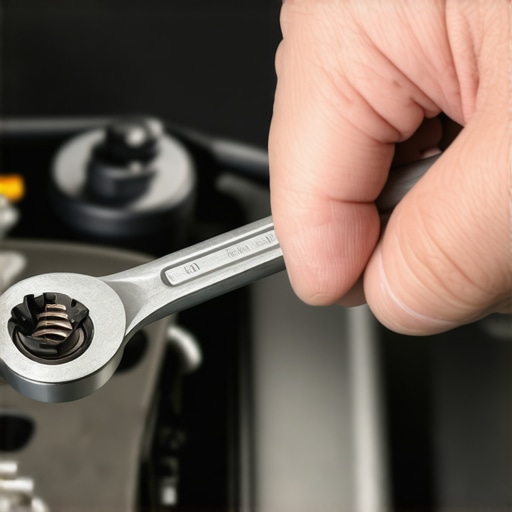
Have you ever been under your car, draining the oil, only to find that the drain plug has rounded off? It’s a frustrating moment. The wrench slips, the stubborn plug refuses to budge, and suddenly your simple oil change feels like an uphill battle. I’ve been there—struggling with a rounded drain plug that seemed impossible to remove without resorting to drastic measures.
The Pain of a Rounded Drain Plug
That sinking feeling when your socket or wrench just spins uselessly around a worn-out bolt is enough to make anyone wish they had a magic solution. And honestly, the first thought that might cross your mind is to weld a new tool onto the plug or to drill it out—both options that sound complex, costly, or downright risky if you’re not experienced. But what if I told you there’s a way to tackle this problem without turning to a welder or risking damage to your vehicle?
Over years of tinkering and learning from other DIY enthusiasts, I’ve discovered there are smarter, safer techniques to get that rounded oil drain plug off—techniques that don’t require specialized equipment or expensive repairs. Today, I’m going to share some tried-and-true methods based on real-world experience that can help you save time, money, and frustration.
Ever Felt Stuck Because of a Rounded Bolt? You’re Not Alone
I remember making a mistake early on—I used an outdated, worn-out socket that was just a little too big for the drain plug, which stripped the edges even more. That taught me something vital: choosing the right tools and approach from the start is crucial. So, if you’ve ever faced a similar dilemma, know that there are practical solutions waiting for you. Innovations in oil change technology now make it easier than ever to maintain your vehicle without unnecessary hassle.
In the next sections, I’ll guide you through effective, proven techniques that can help you remove that stubborn, rounded drain plug without turning to welding or drilling. These methods are simple, inexpensive, and, most importantly, safe for your vehicle. Ready to regain control over your repair job? Let’s dive in.
Get Ready with the Right Tools
Before you start, gather a set of tools: a pair of locking pliers (like Vise-Grips), a flat-head screwdriver, and sometimes a rubber mallet. During a recent fix, I used locking pliers to grip the rounded edges of the bolt firmly, which provided the leverage needed without slipping. Having these tools ready prevents repeated trips to the toolbox and makes the process smoother.
Loosen the Drain Plug with Locking Pliers
Secure the Tool Correctly
Clamp the locking pliers onto the drain plug’s edges, ensuring a firm grip. Adjust the pliers so they’re tight but not crushing the metal. This setup allows you to turn the plug counterclockwise with maximum torque. Once I had my pliers secured, I turned slowly, feeling the resistance give way after a few twists. Patience and steady pressure are key here.
Apply Penetrating Oil for Tougher Cases
If the plug refuses to budge, spray some penetrating oil—like WD-40—around the thread. Let it sit for 10–15 minutes. This oil seeps into rust or gunk that might be holding the plug tight. I learned this trick after struggling for over an hour and finally hearing that satisfying pop when the plug loosened after oil penetration.
Use a Proper Technique to Prevent Damage
Avoid Excessive Force
Do not hammer directly on the plug; it can deform or break the bolt, leading to more complex repairs. Instead, tap gently with a rubber mallet on the handle of your locking pliers to encourage movement. Remember, slow and steady wins the race here, especially if you plan to reuse the plug.
Leverage with a Flat-Head Screwdriver
For slightly rounded plugs, insert a flat-head screwdriver into the groove and turn carefully. If the plug is mushroomed or damaged, place a rag around it first to prevent scratching. Once, I used this method after a wrench slip caused more damage; the screwdriver provided the extra grip needed to loosen the stubborn bolt.
Final Resort: Drilling or Extraction
If all else fails, drilling a small hole into the center of the plug can help. Use a high-speed drill bit, and then screw in a bolt extractor or slide a screw into the hole to turn and remove. I only tried this after exhausting other methods because it risks damaging the threads, so proceed with caution.
Remember, safety and patience are paramount. Each step should be performed carefully to avoid damaging your vehicle, saving you money and frustration in the long run. For more auto repair tips and proven techniques, visit Auto Repair Hacks.
Many car owners operate under assumptions about oil changes, brake service, and diagnostics that can actually hinder their vehicle’s longevity and performance. One widespread myth is that regular oil changes can be skipped if the car “still runs fine.” In reality, high-quality oils and timely changes are crucial because they prevent engine wear caused by sludge buildup and contamination, a point reinforced by experts like those at auto industry specialists. Many overlook the subtle signs that suggest diagnostics are more complex than just reading the dashboard light; advanced vehicle diagnostics reveal hidden issues before they escalate, a process explained in detail here.
A common misconception about brake service is that pads are the sole concern for safety. However, factors like rotor condition, brake fluid quality, and caliper health are equally vital. Rushing to replace pads without inspecting these components can be a costly mistake that compromises safety, as discussed in this comprehensive guide.
Advanced car owners often assume that vehicle diagnostics are only helpful at the first sign of trouble. Conversely, regular diagnostic checks can uncover the underlying causes of issues like engine stalling or sluggish acceleration before symptoms become severe, saving money and preventing breakdowns. For effective diagnostics, understanding what your vehicle is trying to communicate is essential, which you can learn here.
Let’s dig deeper into some nuances often missed. For instance, using outdated or incorrect tools during repairs can cause more harm than good. Believing that “more force” solves stubborn problems jeopardizes your vehicle’s integrity. Instead, a combination of proper tools, patience, and knowledge about the specific component leads to better results—details covered extensively in auto repair hacks.
One critical trap to avoid is neglecting the importance of environmental factors like moisture or temperature extremes, which can accelerate corrosion and wear. Recognizing these hidden influences allows for proactive maintenance rather than reactive repairs. For instance, anti-corrosion treatments and regular fluid checks can prolong your vehicle’s lifespan, as advised in tips on extending vehicle life.
By understanding these underlying nuances and myths, you move closer to mastering auto maintenance. Remember, what seems minor can escalate if overlooked. Have you ever fallen into this trap? Let me know in the comments. For more insights and expert guidance, reach out through our contact page.
Keeping Your Vehicle in Top Shape with the Right Tools
Maintaining your car over the long haul demands more than just knowledge; it requires the right equipment that offers durability, precision, and reliability. When I first started taking auto repairs seriously, I quickly realized that investing in high-quality tools saved me time and prevented frustrating setbacks. For instance, I exclusively use Park Tool’s Master Tool Kit for brake caliper servicing because its robust construction and precise calibration make brake repairs efficient and safe. Unlike cheaper alternatives, this kit withstands frequent use and resists corrosion, making it a staple in my toolbox for years now.
Another essential piece is the Kickstart Advanced Diagnostic Scanner. This device doesn’t just read the check engine light; it provides detailed data on sensors and actuators, enabling proactive diagnostics. I rely on it to catch issues early — before they escalate—saving hundreds in repair costs. Regularly updating its firmware ensures that I stay ahead of vehicle software updates, aligning with the trend toward smarter, connected cars. To keep your diagnostics effective, I recommend reading this comprehensive guide on vehicle diagnostics.
For routine oil changes, I use a GREASEMONKEY Oil Extractor Pump. It allows me to change oil without the mess of drain pans and reduces the risk of spilling, especially with higher-mileage vehicles. Its durable build resists cracks and leaks, ensuring a clean and efficient oil change every time. As oil technology advances, I look forward to automated oil management systems that can remind you when to change oil and even perform the task remotely—showcasing how innovation is shaping future auto maintenance.
How can I keep my tools performing well over time?
The key to long-lasting tools is proper maintenance and storage. Regularly cleaning and lubricating your gear prevents corrosion and ensures smooth operation. Store your tools in a dry, organized toolbox or wall-mounted rack to avoid accidental damage. Beware of using the wrong lubricant; always choose a lubricant recommended by the manufacturer—using WD-40 on brake components, for example, can cause issues. Invest in quality storage solutions like SKB Cases or Craftsman’s modular systems to keep your kit organized and accessible.
Looking ahead, I predict smarter, AI-integrated diagnostic tools and wireless sensor repair kits will become the norm. These advancements will make auto maintenance faster, more accurate, and less invasive. For now, equipping yourself with the right tools —like durable wrenches, precise scanners, and clean oil extraction devices— remains fundamental. Don’t wait for problems to worsen; take advantage of advanced diagnostics and high-quality equipment today. Try upgrading to a digital scanner or a professional-grade socket set, and notice how your repair experience improves.
Ready to elevate your auto maintenance game? Visit our contact page for expert advice tailored to your needs.
The Hard-Won Wisdom I Didn’t Expect to Learn About Car Repairs
- Patience beats brute force every time—pushing a rounded drain plug with excessive force only risks damage and more headaches. The real breakthrough came when I learned how to leverage tools properly, like using locking pliers and penetrating oil, which I now swear by after countless frustrating moments.
- Preparation is half the battle—gathering the right tools before starting not only saves time but also prevents accidental damage. Investing in quality tools, like a good set of lock grips and a reliable oil extractor, has transformed my repair approach from timid to confident.
- Knowing when to escalate repairs is crucial—drilling or using bolt extractors should be last resorts, not first responses. I found that understanding the mechanics and applying gentle, calculated strategies preserve my vehicle’s integrity and my wallet.
- Every stubborn bolt teaches you something—whether it’s about rust, tool choice, or patience. Instead of viewing these moments as failures, I now see them as opportunities to deepen my auto repair skills and confidence.
- Learning from others accelerates your progress—online forums, tutorials, and experienced friends have all helped me avoid costly mistakes and discover effective methods I wouldn’t have found on my own.
Tools and Resources That Changed My Approach
- Vise-Grips Locking Pliers: A versatile essential, trusted for their grip strength and durability, making stubborn bolts manageable without damaging the surrounding area. I rely on these for countless repairs.
- WD-40 Penetrating Oil: Nothing beats patience mixed with good penetrating oil to loosen rusted or rounded bolts. I keep a can handy for those tough situations.
- High-Quality Oil Extractor Pump: It minimizes mess and speeds up oil changes, preventing spills that can make a simple task more stressful. It’s a game-changer in my garage.
- Bolt Extractor Sets: When all else fails, these allow me to remove damaged bolts without risking extensive damage or the need for welding or drilling—saving time and money.
Your Moment to Take Control
Remember, every auto repair challenge is an opportunity to learn and grow stronger as a DIY enthusiast. The satisfaction of freeing a stubborn, rounded drain plug through patience and proper technique is unparalleled. So, why not tackle that next stubborn bolt with newfound confidence? With the right approach and tools, you can turn frustrating moments into rewarding victories. Ready to give it a try? Share your toughest repair story below, or ask questions — I’ll be happy to guide you through it.