
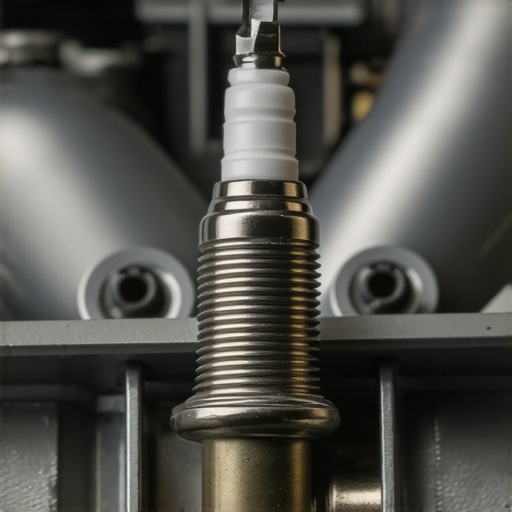
It happened on a muggy Tuesday afternoon as I was pulling out of my driveway. My engine sputtered, the check engine light flickered ominously, and I felt a sharp pang of frustration. I had just swapped my oil, thinking I was doing everything right, only to be blindsided by a sudden drop in fuel efficiency. That’s when I uncovered the sneaky culprit— a spark plug gap misfire that was quietly sucking my wallet dry.
The Hidden Cost of Ignoring Spark Plug Gaps
Many car owners overlook one of the simplest yet most critical maintenance details: the spark plug gap. It’s an invisible adjustment that, if off, can cause misfires, rough idling, and significantly worse fuel economy. When I first learned about this, I felt a bit foolish—like I’d missed a crucial step in my DIY auto repair adventures. But I also felt relieved because fixing it was easier than I expected. Today, I want to share how this small adjustment can save you big bucks and prevent future headaches.
Could a Tiny Gap Be Wrecking Your Gas Mileage?
You might wonder if a tiny difference in spark plug gap truly has that much impact. Well, according to automotive experts, improper gaps can decrease engine efficiency and increase fuel consumption by up to 30%. That’s staggering for a task that takes mere minutes to check and correct. My early mistake was ignoring this detail, trusting that the spark plugs I bought would be fine. Spoiler alert: they weren’t. I learned the hard way that a proper gap measurement is essential, and I recommend checking out auto repair strategies for frequent drivers to get a handle on what matters most for your vehicle’s health.
So, how do you identify if your spark plug gap is off? And more importantly, how do you fix it without spending a fortune at the mechanic? That’s exactly what I’ll walk you through. But first, let’s address the elephant in the room—are these adjustments really worth the effort? Because I’ve been in your shoes, skeptical and wary of more car trouble. By the end of this post, I promise you’ll see why paying attention to the small details can make all the difference in your vehicle’s efficiency and lifespan. Ready to get your hands dirty and save some cash? Let’s dive into the nuts and bolts of spark plug gaps and how to keep your engine firing smoothly.
Gather Your Tools and Prepare Your Workspace
Begin by assembling a magnifying glass, a spark plug gap tool (a feeler gauge), and a socket wrench with a spark plug socket. Find a clean, well-lit area on your driveway or garage workbench. Remember, safety first: wear gloves and eye protection to prevent injuries from hot engine parts or accidental sparks.
Locate and Remove the Spark Plug
Identify the spark plug wires or ignition coil packs for each cylinder. Use your socket wrench to carefully unscrew the spark plug, turning counterclockwise. As I did on a humid Saturday afternoon, I loosened the plug gently to avoid damaging the ceramic insulator. Keep track of each plug’s position to maintain proper firing order.
Inspect the Spark Plug and Measure the Gap
Hold the spark plug up to a light source and check for carbon buildup or worn electrodes. Use the feeler gauge to measure the existing gap — it should match your vehicle manufacturer’s recommended specification, which you can find in your owner’s manual or auto repair resources. For example, a typical gap might be .028 inches. If the gap is too tight or too wide, it affects spark quality, leading to misfires and poor fuel economy.
Adjust the Spark Plug Gap Precisely
Insert the feeler gauge between the electrodes to check the gap. If adjustments are needed, gently bend the side electrode using the gap tool or pliers, ensuring not to damage the ceramic. Think of it like tuning a guitar string—it requires a delicate touch. As I adjusted mine, I used the tool to tweak the electrode until it just slid comfortably with the correct measurement, avoiding over-bending which could crack the ceramic.

Visualize the correct gap adjustment with this illustrative image showing the spark plug and feeler gauge in action.
Reinstall and Test Your Spark Plugs
Carefully thread the spark plug back into the cylinder head by hand to avoid cross-threading. Use the socket wrench to tighten it snugly, but don’t over-tighten—think of it as securing a delicate screw. Once everything is reassembled, start your engine and listen for smooth idling. If your engine runs rough or misfires, double-check your gap measurements or revisit the torque specifications.
Maintain Regular Checks for Peak Performance
Make it a habit to inspect and adjust your spark plug gaps every 30,000 miles or during routine auto repair hacks. Over time, vibration and wear can change the gap, reducing engine efficiency. Consistent attention ensures your vehicle runs at peak performance and saves you money on fuel and repairs.
When it comes to vehicle maintenance, many car owners operate under misconceptions that can lead to costly mistakes. Everyone talks about changing oil regularly or replacing brake pads, but the nuanced details often get overlooked—details that even seasoned DIY enthusiasts might miss. For instance, many believe that using the cheapest oil or ignoring manufacturer’s specifications won’t harm their engine, but in reality, these shortcuts can accelerate wear and reduce performance. Similarly, there’s a common myth that methods like ‘free brake inspections’ are always thorough, when in fact, superficial checks can miss underlying issues like brake fluid contamination or warped rotors, leading to dangerous failures. Advanced vehicle diagnostics, when misunderstood or misused, are another area where misconceptions thrive. Relying solely on the check engine light without understanding the full scope of diagnostic codes can result in missed opportunities for preventive maintenance. Experts highlight that modern diagnostic tools can pinpoint issues before they escalate, but only if used with proper knowledge. A study by the Automotive Service Association found that over 60% of breakdowns could have been avoided with early detection during routine diagnostics. Therefore, understanding these nuanced aspects is crucial for maintenance effectiveness. Are you aware of the hidden pitfalls that could be costing you money or safety? Let’s dig deeper into what most people get wrong so you can stay ahead. Remember, regular checks and informed practices are your best defense against costly repairs. For example, knowing when to perform a coolant flush or the importance of inspecting transmission seals can drastically extend your vehicle’s lifespan. Want to explore more about how detailed diagnostics can prevent breakdowns? Check out our comprehensive guides on auto repair strategies or vehicle diagnostics explained. Don’t fall into the trap of neglecting these subtle yet critical maintenance nuances—your vehicle’s health depends on it. Have you ever fallen into this trap? Let me know in the comments.
Investing in Reliable Tools for Auto Care
Having the right equipment is crucial for maintaining your vehicle efficiently over time. I personally rely on a high-quality digital multimeter, such as the Fluke 87V, which provides precise readings of your car’s electrical systems, helping you diagnose issues like faulty sensors or corroded wiring early. For engine diagnostics, I recommend a Bluetooth OBD-II scanner connected to a smartphone app. Devices like the BlueDriver offer detailed reports and real-time data, making it easier to interpret complex diagnostic trouble codes and prevent minor problems from escalating. These tools have become indispensable in my auto repair routine, saving both time and money.
Automating Routine Checks and Monitoring
To stay ahead of potential vehicle issues, I use software like RepairPal’s app, which tracks maintenance intervals and alerts me when service is due—be it oil changes or spark plug replacements. Combining digital tools with traditional methods ensures comprehensive care. I also keep a manual fuel pressure tester for quick assessments during stubborn fuel delivery issues, especially when diagnosing problems like a weak fuel pump or clogged injectors. Embracing these tools has vastly improved my ability to catch problems early, extending the lifespan of my vehicle and maintaining optimal performance.
Preparing for Future Technology Trends
The automotive industry is rapidly moving toward integrated diagnostics and AI-assisted maintenance. Future trends point toward smart sensors embedded within vehicle components, providing real-time health updates directly to your smartphone. Manufacturers like Tesla are already implementing predictive maintenance systems that anticipate failures before they occur, based on data analytics. To adapt, investing in software that can interpret these emerging data streams and understanding the basics of AI-driven diagnostics will become essential for DIY enthusiasts and professional technicians alike.
How do I maintain vehicle diagnostics over time? By routinely updating my diagnostic tools’ firmware and adhering to manufacturer-recommended service schedules, I ensure compatibility with evolving vehicle systems. Also, referencing trusted sources like the advanced vehicle diagnostics guides helps me stay informed about new technologies and best practices.
If you haven’t already, try integrating a Bluetooth OBD-II scanner with a dedicated app into your maintenance routine. It can reveal hidden issues and prevent costly breakdowns, ultimately saving you money and stress. Regularly investing in quality tools and keeping abreast of technological developments is the key to keeping your vehicle running smoothly for years to come.
What I Didn’t Know About Spark Plug Gaps That Could Save My Engine
One unexpected lesson I learned is that even the smallest adjustment in your spark plug gap can significantly impact engine performance and fuel efficiency—something I overlooked for too long. Discovering this revelation transformed my approach to vehicle maintenance, reminding me that attention to detail often makes all the difference.
How My Curiosity Turned a Small Fix into a Cost-Saving Habit
Initially, I only checked my spark plugs because my car was running rough. That curiosity led me to a deeper understanding of engine tuning and preventive care. Now, I regularly verify and adjust spark plug gaps, which has prevented costly repairs and improved my vehicle’s longevity, proving the value of staying hands-on and informed.
Why Small Steps Matter—And How They Can Prevent Big Breakdowns
Deep inside, I realized that maintaining small components like spark plugs isn’t just about saving money; it’s about safeguarding my safety and peace of mind. Regularly checking the gap aligns with the best practices recommended in auto repair strategies for vehicle longevity. This approach emphasizes that the road to reliability begins with tiny, consistent actions.
My Favorite Tools That Make DIY Auto Care Easier
Empowered by a quality feeler gauge and a reliable torque wrench, I’ve streamlined my maintenance routine. These tools provide precision and confidence, making tasks like adjustable spark plug gaps safer and more effective. Investing in good tools transforms a daunting task into a rewarding experience, reinforcing that preparation is half the battle.
Looking Ahead: Embracing Smart Vehicle Diagnostics for the Future
The future of auto repair is digital and interconnected. I’m excited about integrating Bluetooth OBD-II scanners, like BlueDriver, which offer real-time insights and help me catch issues early. Staying abreast of technological innovations, guided by resources such as advanced vehicle diagnostics, ensures I’m prepared for the wave of smart adaptions coming to vehicles.