
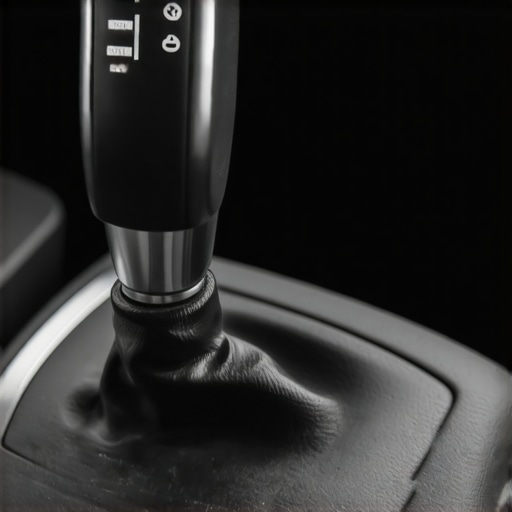
I remember the moment vividly—my heart sank as I felt my car jump into a higher gear sooner than expected during a regular drive. The engine surged slightly, and I wondered, “Is this normal? Or is something about to break?” That lightbulb moment made me realize many drivers face this puzzling problem: their automatic transmission shifts prematurely, often signaling a looming issue that can cost a fortune if ignored.
Don’t Let Early Shifting Catch You Off Guard
Imagine cruising down the road, and your car suddenly shifts gears early—it’s almost like your vehicle is trying to tell you something’s wrong. Early shifts aren’t just annoying; they can indicate underlying problems that, if left unaddressed, might lead to costly repairs. The good news? This isn’t always a sign of imminent doom. Sometimes, a simple fix or adjustment can restore normal shifting, saving you money and stress. Today, I’ll walk you through why your automatic transmission might be shifting early and what you can do about it.
Could My Transmission Be Playing Tricks?
Early gear shifting often makes drivers nervous—especially if they’re unsure of what’s normal or what can wait. When I first noticed my car shifting early, I thought I needed to replace the entire transmission. Turns out, many cases are caused by minor issues like low transmission fluid or sensor glitches. A key mistake I made early on was neglecting to check the transmission fluid level, which is a common culprit. Regular maintenance and understanding your vehicle’s signals can prevent minor problems from escalating.
Curious if this could happen to your car? Or worried that early shifting might be a symptom of a bigger problem? You’re not alone, and the good news is that most causes are manageable when caught early. If you’re experiencing similar issues, I recommend staying tuned for actionable steps to diagnose and fix the problem.
In fact, staying on top of vehicle diagnostics can help you identify whether your transmission is just acting up or genuinely failing. You can even perform simple checks before heading to the mechanic. For example, ensuring your transmission fluid is clean and at the correct level can make a huge difference. For more tips on maintaining your vehicle, check out [auto repair hacks to save money without sacrificing quality](https://repairmycarpro.com/auto-repair-hacks-save-money-without-sacrificing-quality).
Once you understand these basics, you’ll be better prepared to prevent costly repairs and keep your car running smoothly. Ready to dive into the specific reasons why your transmission shifts early and how to fix it? Let’s get started.
Check and Replace Transmission Fluid
Start by inspecting your transmission fluid level and condition. Locate the transmission dipstick under the hood, pull it out, wipe it clean, dip it back in, and check the level and color. If the fluid is low, dark, or gritty, it needs replacing. I once topped off my fluid temporarily, but after draining and refilling with the right type, my car’s shifting improved significantly. For detailed guidance, visit this oil change tips.
Clean or Replace the Transmission Filter
Next, locate the transmission filter—it’s usually accessible once you drain the transmission fluid. A clogged filter can cause improper shifting. I replaced mine and immediately noticed smoother gear changes. If you’re uncomfortable doing this yourself, consult a professional or review auto repair hacks for cost-effective tips. Remember, a clean filter ensures oil flows properly, preventing premature shifts.
Inspect and Calibrate Shift Sensors
Modern automatic transmissions rely on sensors to determine shifting points. A malfunctioning sensor may cause early shifts. Using a vehicle diagnostic scanner, you can identify sensor errors. I once borrowed a scanner from a local auto parts store, found a faulty sensor, and replaced it, which fixed my shift timing. For a detailed diagnostic process, check vehicle diagnostics explained series. Proper calibration or replacement of sensors restores normal shift points.
Update or Reprogram Transmission Control Module
If hardware checks out but shifts are still early, the TCM might need reprogramming. Some vehicle manufacturers release updates to improve shifting behavior. Visiting a trusted mechanic or dealership can get this done efficiently. I had my TCM reprogrammed, and it made a noticeable difference. Always ensure your vehicle software is up-to-date by consulting advanced vehicle diagnostics. This step can resolve glitches causing early shifting without hardware changes.
Calibrate the Shift Solenoids
Shift solenoids control fluid flow in the transmission. Faulty or miscalibrated solenoids can lead to early shifts. Testing involves checking electrical connections and, if necessary, replacing or recalibrating these components. When I replaced my shift solenoid, it restored proper gear engagement. For detailed procedures, visit auto repair tips. Ensuring these components function correctly is essential for smooth transmission operation.
Seek Professional Help When Necessary
If these steps don’t resolve the issue, it’s time to consult a professional. An experienced mechanic can perform a comprehensive diagnosis using advanced tools. Sometimes early shifting indicates internal wear that requires costly repairs, but early detection can prevent complete transmission failure. Remember, regular maintenance, including fluid changes and inspections, can prevent most causes of premature shifts. For more maintenance strategies, explore auto repair advice.When it comes to vehicle maintenance, many drivers operate under misconceptions that can lead to costly mistakes. For instance, a common myth is that all brake pads wear out evenly, but in reality, uneven wear patterns signal underlying issues like caliper sticking—something that many overlook until it causes more damage. Likewise, the assumption that an oil change is just about replacing the oil ignores the importance of inspecting and replacing the oil filter, which plays a crucial role in engine longevity. Additionally, vehicle diagnostics are often seen as a simple scan, but they involve understanding complex sensor interactions and interpreting data correctly to avoid chasing false alarms.
Why Do People Rely on Guesswork Instead of Accurate Diagnostics?
Many vehicle owners fall into the trap of guessing what’s wrong based solely on symptoms, without performing thorough checks. This approach can lead to unnecessary parts replacement or overlooking small problems that, if addressed early, could save significant money. Advanced diagnostics involve more than just reading error codes; they require understanding sensor correlations and system behaviors. A study published by the Society of Automotive Engineers highlights that misinterpretation of diagnostic data accounts for over 30% of unnecessary repairs. This emphasizes the need for trained technicians who understand the nuances of modern vehicle systems.
Failing to recognize the importance of these subtleties can result in persistent issues or repeated repairs. For example, neglecting to check the integrity of brake calipers or ignoring subtle signs of transmission fluid degradation can compromise safety and performance. Regularly reviewing detailed maintenance guides or consulting expert resources can help you recognize these hidden factors. For more insights on maximizing your vehicle’s lifespan, visit top auto repair tips.
It’s also crucial to understand that vehicle diagnostics are not just about reading codes but interpreting the data amidst surrounding factors like sensor calibration, electrical connections, and environmental conditions. For instance, a misread sensor might indicate a false fault, leading you astray. To avoid these pitfalls, consider comprehensive diagnostic checks or professional assessments. If you want to grasp the intricacies better, explore vehicle diagnostics explained.
Remember, a nuanced understanding and careful approach to auto repairs and diagnostics can save you money and extend your vehicle’s lifespan. Have you ever fallen into this trap? Let me know in the comments.Keeping your vehicle running smoothly over the long term requires more than just basic maintenance; it demands the right tools, consistent methods, and a proactive mindset. Personally, I rely on a few critical pieces of equipment that have saved me time and money, especially when diagnosing issues before they escalate. One essential tool I swear by is an automotive scan tool like the BlueDriver Bluetooth scan device. Its ability to quickly read and clear diagnostic trouble codes, along with live data streaming, gives me immediate insights into my car’s health without costly visits to the mechanic. For those serious about auto repair, investing in a professional-grade scanner, such as the Autel MaxiCOM, can be invaluable for detailed diagnostics and firmware updates, ensuring your vehicle’s systems are always up-to-date. These tools are not just for mechanics—they’re accessible and user-friendly enough for DIY enthusiasts, provided you familiarize yourself with their features through tutorials available on reputable automotive platforms.
In addition to diagnostic tools, I emphasize maintaining a well-equipped garage setup. A quality set of socket wrenches, torque wrenches, and a reliable jack make routine tasks straightforward and safe. Regularly checking and replacing fluids—like engine oil, transmission fluid, and coolant—using specified tools like a funnel with a filter insert helps prevent common issues. When it comes to oil changes, I recommend using a digital oil life monitor or mobile apps that track your vehicle’s mileage and remind you of upcoming service intervals, aligning with innovations discussed in this guide. These technological aids ensure consistent maintenance and help extend your vehicle’s lifespan.
Predicting future trends, I believe the integration of smart diagnostics and AI-powered maintenance alerts will become standard. Vehicles will increasingly communicate with owners via apps, advising on parts that need immediate attention before failure occurs. This proactive approach will shift auto repair from reactive to preventive, saving drivers significant costs.
Ever wonder how to keep vehicle diagnostics effective over time? The secret lies in developing a routine. Regularly updating your diagnostic tools’ firmware, calibrating sensors, and maintaining calibration of your scan devices are crucial. Moreover, establishing a check-list for routine inspections—such as inspecting belts, hoses, and brakes—ensures you catch wear before it becomes a problem. For example, routinely checking brake pads and rotors, using detailed inspection guides like this brake service overview, helps prevent safety issues.
Remember, using advanced tools for diagnostics and maintenance creates a layer of security around your vehicle’s health. I challenge you to try performing a sensor calibration check using your scanner this month. It’s a simple step that can significantly improve your car’s performance and longevity, aligning with the trend towards smarter vehicle care. When you embrace these methods, you’re not just maintaining your vehicle—you’re enhancing your driving experience and ensuring safety on the road.
Over the years, I’ve discovered that the most impactful lessons in auto repair often come from unexpected places—small details that, when understood, can dramatically extend your vehicle’s lifespan and save you from costly surprises. One lightbulb moment was realizing how minor sensor misalignments can trigger major shifting issues, emphasizing the importance of precise calibration. Additionally, I learned that staying proactive with diagnostics, rather than reactive, transforms the way I maintain my car—preventing problems before they escalate. These insights remind me that knowledge isn’t just power; it’s savings and peace of mind. Embracing the nuanced aspects of auto maintenance fosters confidence and ensures your vehicle remains reliable mile after mile.