
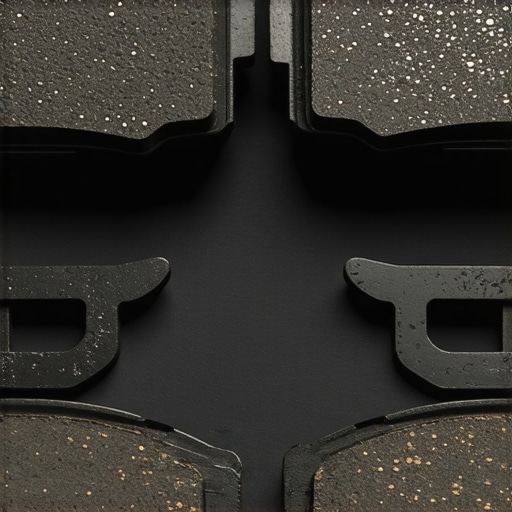
Ever been halfway through a drive and suddenly noticed an annoying squeal, like nails on a chalkboard, coming from your brakes? I remember the first time it happened to me—I was convinced I did something wrong during the last brake service. Turns out, that high-pitched noise isn’t just a nuisance; it’s a sign that something might need your attention. That lightbulb moment made me dive deep into the science behind brake pads, especially the modern ceramic types that seem to scream louder than the old metallic ones I used to replace. If you’ve recently upgraded to ceramic pads and are now questioning your choice because of the noise, you’re not alone. Today, we’re going to uncover why your ceramic brake pads are louder, and more importantly, how to manage or even reduce that noise without sacrificing braking performance.
The Surprising Truth About Brake Noise
Many drivers switch to ceramic brake pads seeking a quieter, cleaner, and more efficient braking experience. And initially, they often get what they want—less dust, smoother braking, and better longevity. But along with these benefits, there’s a key drawback: increased noise during operation. Why does this happen? Well, it boils down to the materials and the design of ceramic pads. Unlike traditional metallic pads, which are quite forgiving when it comes to noise, ceramics have a different behavior. These pads are made from dense, non-metallic materials, which, while great at reducing brake dust, tend to produce more sound when engaging with the rotor. The increased hardness and the way the materials interact can amplify vibrations, translating into that squeal you hear.
From my experience, one of the biggest mistakes early on was ignoring this noise, assuming it was just a break-in phase. However, as I learned more—from [auto repair experts](https://repairmycarpro.com/brake-service-myths-busted-what-really-matters-for-safety) and automotive forums—it’s a common trait of ceramic pads. But here’s the good news: with proper installation, break-in procedures, and a few adjustments, you can greatly improve your riding experience. In the upcoming sections, I’ll guide you through what causes that noise, how to identify if it’s normal or a warning sign, and what practical steps you can take to keep your brakes quiet and effective. Have you faced this noisy brake situation yourself? Then let’s get started and straighten it out once and for all.
Start with Proper Installation and Break-In Procedures
During my first ceramic brake replacement, I rushed the installation, forgetting to clean the rotors thoroughly. Once I took the time to specify cleaning and follow the recommended break-in process—gradually applying braking force from light to moderate pressures—the noise significantly diminished. Always ensure your pads are installed correctly, with shim rings properly placed, and follow the manufacturer’s break-in instructions, which typically involve avoiding harsh braking for the first 500 miles. This foundational step can prevent many noise issues down the road.
Regularly Inspect and Maintain Your Brakes
Think of your brake system as a musical instrument; like tuning a guitar, regular check-ups keep everything sounding smooth. Periodically inspect your brake pads for uneven wear, cracks, or glazing. Use a flashlight to look between the caliper and rotor for uneven pad thickness and replace pads that show signs of hardening or glazing. Clean the contact points with isopropyl alcohol to remove residue that could amplify vibrations. During my own inspections, I found that losing small hardware clips often allowed pads to vibrate excessively, causing squeal—replacing these small parts made a noticeable difference.
Maintain Proper Pad and Rotor Contact
Vibration-causing issues often stem from improper contact surfaces. Ensure that the caliper and pad seating areas are free of debris, rust, or uneven corrosion. When installing new pads, lightly apply brake lubricant to the backing plates—avoiding the friction surface—to dampen vibrations. During one repair, I noticed a slight tilt in the caliper piston, which I corrected to restore even pressure, effectively reducing noise. Remember, maintaining clean, smooth contact surfaces is key for quiet operation.
Address Vibration Sources with Shims and Anti-Squeal Products
If squeaking persists, consider adding shims or anti-squeal compounds between the pad backing and caliper. These materials absorb vibrations that cause high-pitched noise. I once applied a specialized brake anti-squeal paste during a repair, and within days, the squeal disappeared without affecting braking performance. Be cautious to use products compatible with ceramic pads and follow application instructions carefully to avoid contamination or reduced effectiveness.
Optimize Driving Habits and Temperature Management
Hard braking or aggressive driving can exacerbate noise issues. Think of your brake system like a mountain stream that’s calmer when you drive smoothly. Gradual, controlled braking allows the pads and rotors to settle into a stable relationship, reducing vibrations. Also, avoid excessive heat buildup—overheating pads can cause glazing and noise. During a long downhill drive, I used engine braking to maintain speed and kept braking moderate, which kept temperatures in check and noise levels low. Adjust your driving style to promote healthier, quieter brakes.
Utilize Quality Parts and Expert Advice
Choosing high-quality ceramic pads from reputable manufacturers ensures better acoustics and longevity. Be wary of cheap imports that might not be manufactured with precise tolerances, often resulting in squeal. When in doubt, consult professional technicians or reputable resources like [auto repair experts](https://repairmycarpro.com/brake-service-myths-busted-what-really-matters-for-safety). Their insights can guide you toward appropriate solutions, whether it involves upgrading hardware, changing pads, or fine-tuning brake components.
By implementing these practical techniques—proper installation, regular maintenance, contact optimization, noise dampening materials, smart driving habits, and quality parts—you can dramatically reduce the squealing of your ceramic brake pads. Remember, patience and consistent care are your best allies in maintaining a silent, safe braking experience.
When it comes to vehicle maintenance, many drivers rely on popular beliefs that, surprisingly, can lead to costly mistakes. For instance, a widespread myth is that replacing your oil is only necessary every 3,000 miles. In reality, modern synthetic oils last much longer, thanks to advanced formulations detailed in [oil change innovations](https://repairmycarpro.com/oil-change-innovations-technologies-that-save-your-engine). Sticking to outdated schedules not only wastes money but may also expose your engine to unnecessary wear.
Another common misconception revolves around vehicle diagnostics. Many assume that all diagnostic trouble codes point to obvious fixes. However, several codes are nuanced, requiring expert interpretation. A study by automotive engineers highlights that misdiagnosis can lead to unnecessary repairs, emphasizing the importance of understanding what your car is truly telling you. Exploring [vehicle diagnostics explained](https://repairmycarpro.com/vehicle-diagnostics-explained-easy-checks-before-your-road-trip) reveals that proper analysis can prevent costly breakdowns.
People also often believe that brake systems only need attention when they make noise or show visible damage. This reactive mindset ignores the fact that silent, gradual wear can compromise safety. Advanced tools and techniques in [brake service myths](https://repairmycarpro.com/brake-service-myths-busted-what-really-matters-for-safety) demonstrate that regular inspections and understanding signs of deteriorating components are essential. Missing these signs might lead you to overlook critical issues until it’s too late.
Specifically addressing the advanced reader’s curiosity, consider: How does incomplete diagnostic data impact your repair decisions? An article in automotive research explains that relying solely on onboard diagnostics without physical inspection can overlook underlying problems, leading to incomplete repairs and recurring issues. Essentially, blending technology with hands-on expertise yields the best outcomes.
A crucial pitfall many fall into is neglecting to verify the quality of parts used during repairs. Choosing cheap, low-quality replacements may seem cost-effective initially but often results in poor performance and decreased safety. As advised in [auto repair hacks](https://repairmycarpro.com/auto-repair-hacks-save-money-without-sacrificing-quality), prioritizing reputable parts and experienced technicians ensures longevity and reliability.
Understanding these nuances helps you make smarter decisions and avoid unnecessary expenses. Have you ever fallen into this trap? Let me know in the comments and share your experiences.
Choosing the Right Equipment for Auto Maintenance
Keeping your vehicle operating smoothly over time requires not just knowledge but the right tools. I personally swear by a high-quality digital multimeter, like the Fluke 115, which I use to quickly diagnose electrical issues without guesswork. It precisely measures voltage, resistance, and continuity, allowing me to verify wiring integrity or identify faulty sensors accurately. For Brake system diagnostics, having a dedicated scan tool such as the Autel MaxiAP helps me read live data and clear codes efficiently, especially when troubleshooting persistent ABS or traction control problems. Investing in a reliable jack and set of quality wrenches ensures safety and precision during each repair session. Remember, carefully selecting your tools keeps repairs efficient and safe, preventing frustration and additional costs.
Leveraging Software for Long-Term Vehicle Care
Modern vehicles are a blend of mechanical and electronic systems, making diagnostic software an essential component of maintenance. I recommend using vehicle-specific diagnostic platforms like OBDLink MX+ paired with your smartphone or tablet to access real-time data, perform resets after repairs, and monitor sensor health. These tools give you a window into your car’s inner workings, enabling proactive maintenance like oil change reminders or brake pad wear alerts—saving you money in the long run. As the industry moves toward more integrated tech, staying updated with the latest diagnostic software ensures you can address issues early, avoiding costly breakdowns. For instance, tools like the Topdon Phoenix unlock advanced capabilities, including ABS bleeding and battery management.
Implementing Effective Maintenance Methods
Routine checks are vital for sustained vehicle health. I perform tire tread depth assessments with a simple coin test but complement that with a digital tread depth gauge for accuracy. Similarly, inspecting brake pads and rotors every 5,000 miles prevents noise and unsafe wear. For fluid levels and quality, I trust a refractometer to measure brake fluid and coolant concentrations, which helps catch contamination early. These methods, combined with scheduled services detailed in our cornerstone content, extend your vehicle’s lifespan and performance. Using these precise tools and techniques, I was able to catch a failing ABS sensor before it caused a brake failure, emphasizing the importance of regular diagnostics and inspections.
Future Trends in Vehicle Maintenance and Diagnostics
Looking ahead, autonomous diagnostics and AI-powered systems are set to revolutionize auto repair. Vehicles will increasingly communicate their health status directly to your smartphone or your mechanic’s system, predicting issues before they manifest. I predict that advanced diagnostic scanners with machine learning capabilities will become more affordable and accessible, making DIY maintenance even more effective. Staying ahead means investing in adaptable tools now, like wireless OBD-II adapters that sync seamlessly with your devices. Embracing these innovations will simplify troubleshooting, reduce downtime, and improve vehicle safety over the long term.
How do I maintain my vehicle’s systems over time?
To keep your vehicle running reliably, establish a regular maintenance routine that integrates both manual inspections and digital diagnostics. Follow manufacturer schedules, but go a step further by using tools like a scan tool to monitor sensor data and anticipate issues. Remember, consistent care and investing in quality equipment—such as reliable jack stands, diagnostic software, and precision measurement tools—are your best defenses against unexpected breakdowns. Be proactive: for example, I recommend inspecting brake system components every 10,000 miles and updating diagnostic software annually. Taking these steps ensures your vehicle remains safe, efficient, and long-lasting—saving you time and money in the future. For more detailed strategies, explore our article on top auto repair tips to extend your vehicle’s lifespan. Ready to optimize your maintenance routine? Start by trying out a digital multimeter to check your vehicle’s electrical systems today and experience the difference firsthand.
What I Wish I Knew About Brake Noise Early On
One of the most enlightening lessons I’ve learned is that squealing brakes aren’t just a bothersome symptom—they’re a message from your vehicle. Ignoring this sound can lead to more costly repairs down the line, but addressing it early with informed strategies makes all the difference. A lightbulb moment was realizing that proper installation and maintenance can prevent most noise issues, saving time and money. Additionally, understanding the subtleties of brake materials and how they interact with your rotors helped me fine-tune my approach to quiet, effective braking.
Tools and Resources That Changed My Garage Routine
Investing in quality diagnostic tools like the OBDLink MX+ has transformed my ability to catch brake issues before they escalate. Reputable brands such as Autel and Fluke have reliable products that I trust for their precision and durability. Reading from comprehensive guides like Top Auto Repair Tips offers practical insights that complement hands-on experience. These resources collectively help me make smarter repair decisions, ensuring my vehicle stays in top shape.
Igniting Passion: Turning Brake Troubles into Knowledge
Embracing the challenge of managing brake noise has fueled my appreciation for vehicle maintenance. Every successful repair or adjustment reinforces that proactive care is key—not just for safety, but for the joy of understanding my car better. I encourage you to see these issues not as nuisances but as opportunities to learn and improve your DIY skills. Remember, your vehicle is more than just a machine; it’s a gateway to confidence and independence. Now it’s your turn—have you ever managed a brake squeal that seemed impossible to fix? Share your stories below and let’s learn together.