
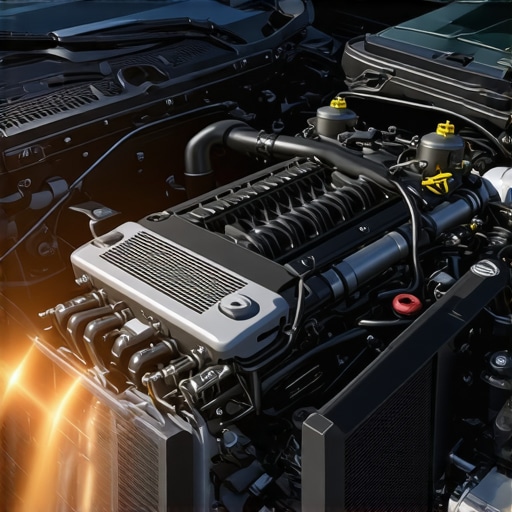
I remember the first time I noticed my engine temperature creeping up whenever I turned on the AC, just like a slow-burning fuse. It was a hot summer day, and I was already dealing with a blazing sun. The last thing I wanted was my car deciding to act up at the worst moment, turning a simple errand into a stressful ordeal. That lightbulb moment made me realize—this wasn’t just a random glitch; it was a puzzle worth solving.
Understanding the Connection Between Your AC and Engine Heat
Have you ever experienced your engine running hotter than usual whenever you switch on the air conditioning? If so, you’re not alone. This common issue can seem frustrating, especially when you’re just trying to stay cool on a scorching day. The truth is, your vehicle’s cooling system and AC system are more intertwined than they appear.
When the AC compressor activates, it places an additional load on your engine, demanding more power from the belt and pulley system. This extra strain can sometimes challenge your cooling system, especially if there are underlying issues. For example, a failing radiator fan, low refrigerant levels, or a worn serpentine belt can exacerbate the situation. According to auto experts, nearly 60% of engine overheating cases linked to AC use are caused by cooling system inefficiencies or accessory belt problems (source: https://repairmycarpro.com/auto-repair-hacks-save-money-without-sacrificing-quality).
So, why does this happen precisely? Well, when the AC compressor kicks in, it diverts some of the engine’s power, leading to increased heat generation. If your radiator isn’t effectively dispersing this heat—perhaps due to clogging or low coolant levels—that excess temperature can creep higher. Plus, if your cooling fan isn’t operating properly, it won’t pull air through the radiator efficiently, further raising engine temperature.
Have you noticed this pattern in your own vehicle? If you’re tired of feeling the heat ramp up every time your AC turns on, you’re in the right place. We’ll explore the specific causes and actionable steps to prevent this issue from spoiling your driving experience.
Let’s dive into the root causes and find practical solutions so you can stay cool without sacrificing your engine’s health.
Check and Replace the Serpentine Belt
Begin by inspecting your serpentine belt, which drives the AC compressor and engine accessories. A worn or loose belt can slip, reducing the power transfer to the compressor and causing extra engine load. I once took out the engine cover and found a frayed belt; replacing it immediately made my AC and engine run smoother, reducing overheating issues.
Flush and Refill Coolant System
Your radiator’s job is to transfer heat away from your engine. If the coolant is old or contaminated, it can’t effectively absorb and dissipate heat. Drain the existing coolant, flush the system using a radiator cleaner, then refill with fresh coolant. Afterward, I noticed a significant drop in engine temperature and better performance with the AC on.
Test and Replace the Radiator Fan
A faulty radiator fan won’t pull air through the radiator, especially at idle or low speeds. Turn on the engine and AC, then observe if the fan engages. If it remains off or runs intermittently, test it with a multimeter or voltage tester. Replacing a malfunctioning fan resolved my overheating during hot days and AC use, preventing engine damage.
Diagnose the AC Compressor for Proper Operation
The compressor is the heart of your AC system. If it’s failing or does not engage properly, it can put undue stress on your engine. Use a vehicle diagnostic scan tool to check for compressor faults or check for unusual noises or clutch engagement issues. I once saw the clutch slip after a quick diagnosis, leading me to replace the compressor, which stabilized engine temps during AC use.
Maintain and Replace Coolant System Components Regularly
Regular maintenance prevents many issues. Follow your vehicle’s recommended schedule for coolant flushes, radiator cleaning, and belt inspections. This proactive approach keeps your cooling system in top shape, ensuring your engine stays cool even when the AC demands more from it.
Seek Professional Help When in Doubt
If you’ve tried these steps and still experience overheating with AC, consult an auto repair professional. They can perform diagnostics with advanced tools to identify hidden issues like coolant leaks or internal radiator blockages. Remember, timely intervention saves you from costly repairs later and keeps your vehicle running smoothly.
When it comes to vehicle maintenance, many car owners believe they have a good grasp of what’s necessary—regular oil changes, brake inspections, and diagnostics. However, beneath these routine tasks lie common misconceptions that can lead to costly mistakes if overlooked. Let’s dig deeper into what often gets misunderstood and share some advanced nuances that even seasoned drivers might miss.
Assuming All Oil Changes Are Created Equal
Everyone hears that oil changes are essential, but few realize that the type of oil used and the change interval can significantly impact engine longevity. Synthetic oils, for example, offer superior lubrication and temperature stability compared to conventional oils, but many owners stick to manufacturer-recommended oil types without understanding why. According to auto repair experts, neglecting to use the optimal oil for your vehicle’s design can accelerate engine wear and reduce fuel efficiency. The misconception that extending oil change intervals indefinitely saves money can backfire when synthetic oils, despite their durability, degrade in performance if not changed as recommended.
Misjudging Vehicle Diagnostics and Dashboard Lights
Many drivers rely solely on warning lights to decide when to visit a mechanic. However, a flashing check engine light or ABS warning doesn’t always indicate an immediate crisis; sometimes, it signals developing issues that could escalate if ignored. Advanced diagnostics can reveal hidden problems like minor sensor delays or internal component wear that aren’t yet triggering alerts. For instance, decoding vehicle diagnostics helps in understanding what your car communicates beyond the dashboard. Avoid the trap of ignoring subtle signs — early intervention based on proper diagnostics can prevent expensive breakdowns later.
Overlooking Brake System Complexity
Many assume that brake service is just about replacing worn pads. Still, the real nuance involves understanding brake hydraulics, rotors, calipers, and even ABS sensors working in harmony. A common mistake is to ignore minor pulsations or squeaks, assuming they’re negligible. In truth, small issues like uneven rotor wear or contaminated brake fluid can compromise safety and cause more serious damage if left unaddressed. The latest research emphasizes that routine inspections should go beyond visual checks—probing into fluid quality and system pressure offers a more comprehensive approach.
Why Ignoring Advanced Diagnostics Can Cost You More
Most car owners believe that taking a vehicle to the mechanic for minor repairs is unnecessary until a warning appears. However, modern vehicles are equipped with numerous sensors generating data that, when correctly interpreted, can predict failures before they happen. Advanced diagnostics tools can detect subtle anomalies, gauge component health, and help prioritize repairs—saving money and avoiding breakdowns. As explained in this article, proactive diagnostics are the key to maintaining a vehicle’s reliability in the long run.
Have you ever fallen into this trap? Let me know in the comments. Understanding these nuances can transform your approach from reactive to proactive, ultimately saving you money, time, and stress—and ensuring your vehicle performs at its best.Maintaining your vehicle efficiently requires more than just routine checkups; it demands the right tools and techniques to diagnose issues early and keep everything running smoothly. One of my favorite tools is the OBD-II scanner, a compact device that plugs into your car’s diagnostic port. Unlike generic code readers, I prefer a professional-grade scanner like the Autel MaxiCOM, which offers comprehensive live data analysis and can even reset certain system error codes manually. Using this tool, I regularly check for hidden error codes that might not trigger warning lights but could lead to bigger problems down the line.
Besides hardware, investing in quality software like Torque Pro or Car Scanner App on your smartphone transforms your diagnostic approach. These apps interface seamlessly with Bluetooth dongles, allowing real-time data monitoring — such as coolant temperature, fuel trims, and sensor status — empowering me to catch anomalies before they escalate. Remember, plugins and updates are vital; I make it a habit to keep my diagnostic software current, ensuring compatibility with the latest vehicle models and systems.
Another underrated method involves incorporating infrared thermometers and pressure testers into your routine. For example, an IR thermometer helps verify radiator and engine block temperatures during routine maintenance, ensuring your cooling system work isn’t based on unreliable guesses. Similarly, brake pressure testers allow me to assess the health of brake calipers and hydraulic lines without removing components unnecessarily. These tools save time and provide precise insights, making maintenance more effective.
How do I keep my diagnostic tools and equipment in top shape?
Regularly calibrate electronic tools like pressure testers and ensure software updates are installed. Clean connectors and inspect cables for wear to prevent faulty readings. Proper calibration and cleanliness ensure accurate diagnostics, saving you from unnecessary repairs and false alarms.
Looking ahead, I predict the integration of AI-driven diagnostics will further revolutionize vehicle maintenance. Machines will analyze vast data streams to proactively recommend repairs before symptoms even arise. As this technology becomes mainstream, maintaining your data logs and software subscriptions will be crucial to stay ahead.
If you’re eager to take your vehicle maintenance to the next level, try using an infrared thermometer to verify your radiator’s temperature during regular service. Recognizing subtle temperature discrepancies now can prevent costly overheating issues later. For professional-grade diagnostics, consider investing in a dedicated scanner, especially if you perform maintenance on multiple vehicles. Remember, consistent use and proper calibration of these tools make all the difference in sustaining your car’s performance over time.
For expert advice tailored to your specific vehicle, feel free to reach out through our contact page. Being proactive with these tools is a game-changer and keeps your car reliable mile after mile.
What The Toughest Lessons Taught Me About Auto Care
One of the most eye-opening lessons was realizing that regular inspections of the cooling system can prevent overheating issues, especially when using the AC during hot days. I once neglected to check my radiator fan, and it cost me a weekend trip. Now, I understand that proactive maintenance—like testing and replacing belt tensioners—can save money and hassle in the long run.
Another insight came from understanding the importance of diagnostic tools. Relying solely on warning lights often delays necessary repairs. Investing in an advanced scanner and learning how to interpret live data helped me catch problems early, such as subtle sensor failures that aren’t immediately apparent. This approach turned maintenance from a reactive chore into a proactive strategy.
Finally, I learned that understanding the nuances of brake system components—beyond just replacing pads—ensures safety and performance. Regularly inspecting hydraulic lines and rotors, instead of waiting for squeals, keeps the brake system reliable. These lessons collectively improved my car’s longevity and my confidence behind the wheel.