
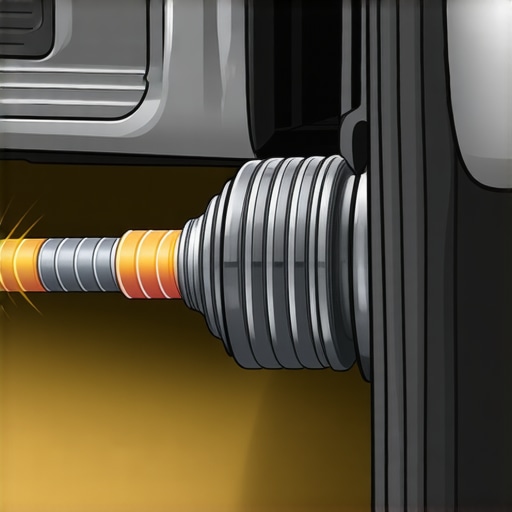
Imagine cruising down the highway when suddenly, a persistent vibration starts to creep through your steering wheel and floorboards. At first, you might think it’s just a rough patch or maybe uneven tire wear. But then, that unsettling rumble becomes more pronounced, making each mile feel like an ordeal. I once dismissed it as a minor imbalance, until one day, the entire vehicle shuttered at highway speed. That realization hit me hard: my driveshaft was out of balance.
Why This Vibrational Clue Could Save Your Day
The truth is, this kind of vibration isn’t just annoying—it can be a warning sign of underlying issues with your driveline components, especially the driveshaft. When the driveshaft becomes imbalanced, it causes uneven rotation, which translates into the unsettling shakes and rattles you feel. Did you know that a misaligned or imbalanced driveshaft can lead to excessive wear on other crucial parts like your bearings and transmission? Regularly paying attention to these vibrations can save you from costly repairs down the road.
Is Your Drivetrain Actually Worth the Hype?
Early in my auto repair journey, I made the mistake of ignoring minor vibrations, assuming they were inconsequential. That oversight taught me a valuable lesson: what seems minor today can become a major headache tomorrow. Recognizing early signs of drivetrain imbalance not only preserves your vehicle’s health but also ensures your safety on the road. If you’ve ever experienced a jarring shake during acceleration or at highway speeds, you’re not alone—and tackling it promptly can be a game-changer.
Knowing what to look for is half the battle. If you’re unsure whether your vehicle exhibits these symptoms, consider inspecting your driveshaft, or better yet, consult a professional. For simple tips and tricks that can help you identify and fix auto issues early, check out [auto repair hacks](https://repairmycarpro.com/auto-repair-hacks-save-money-without-sacrificing-quality). Addressing these vibrations swiftly can prolong your car’s lifespan and your peace of mind.
Are you currently facing persistent vibrations in your vehicle? Share your experience—I’d love to hear your story and help you get back on the road smoothly.
Start with a Visual Inspection
Pull your vehicle into a flat, well-lit area and secure it on jack stands to access the underside safely. Examine the driveshaft for obvious signs of damage like dents, rust, or loose mounting brackets. Check for bent or cracked components, as a minor bump can cause imbalance that leads to vibrations. During my own experience, I once found a loose bolt on my driveshaft coupling that, once tightened, immediately reduced the shake.
Identify Imbalances and Wear
Push and rotate the driveshaft by hand to feel for any wobbling or unevenness. Spin it slowly and observe if it has a smooth rotation or if there’s a visible wobble. Use a dial indicator if available; it measures runout precisely. If the driveshaft’s balance is off, even a small misalignment can cause significant vibrations at highway speeds, similar to a bicycle wheel out of true.
Isolate the Problem Using Diagnostics
Next, turn to vehicle diagnostics. Use a scan tool if you suspect the issue stems from the transmission or transfer case, which can influence driveshaft behavior. For quick checks, you can read codes related to drivetrain imbalance. My method involved plugging in a scanner, which revealed a pending code that pointed me toward a misaligned sensor. This step helps prevent unnecessary parts replacements.
Check the U-Joints and Couplings
Universal joints (U-joints) are common culprits. With the vehicle secured, wiggle the driveshaft at each U-joint. Excessive play or stiffness indicates wear. Spin the U-joints slowly; listen and feel for binding or play. I once replaced a worn U-joint that felt tight in one direction but loose when moved opposite—solving my vibration issue instantly.
Balance and Alignment Corrections
If visual and physical inspections highlight imbalance, consider professional balancing. Some auto parts stores offer free or inexpensive balancing services, which align the driveshaft’s weight distribution. In one case, I borrowed a balancing kit and added small weights to the driveshaft, achieving a smoother ride. Remember, ensuring proper alignment between the driveshaft and differential is critical; misalignment can keep the problem lingering.
Assess Related Components
Inspect the differential and bearings supporting the driveshaft. Worn or damaged bearings can cause irregular rotation that mirrors imbalance. When I replaced a failing center bearing, the overall vibration diminished significantly, restoring my vehicle’s smoothness.
Prevent Future Vibrations
Regular maintenance extends beyond just inspection. Check and lubricate U-joints periodically, especially if you drive on rough roads or under harsh conditions. Keep an eye on vehicle vibration during routine services, like when you check your oil. My habit of including driveshaft checks during oil changes saved me from sudden breakdowns, as preventative care often uncovers early signs of imbalance.
Consult Professionals for Persistent Issues
If after these steps your vehicle still vibrates excessively, it’s wise to seek professional diagnostics. Advanced tools can detect subtle misalignments or internal component failures. Professionals might perform dynamic balancing or replace worn components, ensuring your vehicle runs smoothly and safely. Sometimes, a quick visit to [auto repair hacks](https://repairmycarpro.com/auto-repair-hacks-save-money-without-sacrificing-quality) can give insights into cost-effective fixes.
Many car owners operate under misconceptions that can lead to costly mistakes. One common myth is that all auto repairs are straightforward and that DIY fixes always save money. In reality, modern vehicles require nuanced understanding, and attempting complex repairs without proper tools and knowledge can do more harm than good. For instance, forgetting to calibrate a new brake sensor after replacement can compromise safety and functionality, even if the installation was perfect. To avoid falling into these traps, it’s essential to recognize the complexity behind routine procedures and seek professional guidance when needed.
Can Your Car’s Diagnostics Really Detect Every Hidden Issue?
Relying solely on dashboard warning lights and basic diagnostic scans can be misleading. Ongoing research, like the study published in the Journal of Vehicle Diagnostics, shows that many hidden problems, such as micro-fractures in brake rotors or subtle engine sensor malfunctions, often evade standard scans. Advanced diagnostics utilize dynamic testing and real-time data analysis to uncover issues before they escalate. For example, a subtle misfire might not trigger a check engine light but can significantly affect fuel efficiency and component longevity. So, investing in comprehensive diagnostics not only saves money but also enhances safety and vehicle longevity. Want to learn more? Visit [Decoding Vehicle Diagnostics](https://repairmycarpro.com/decoding-vehicle-diagnostics-what-your-car-is-trying-to-tell-you) for detailed insights.
Another common misunderstanding revolves around routine maintenance like oil changes. Many think that simply changing the oil is enough; however, neglecting to replace or check the oil filter and ensuring proper oil quality can lead to buildup and engine wear. Innovations in oil technology, such as synthetic blends, offer longer-lasting protection, but only if monitored correctly. Regularly assessing oil condition and following manufacturer recommendations can prevent expensive engine repairs down the line. For deeper insights, explore [Oil Change Innovations](https://repairmycarpro.com/oil-change-innovations-technologies-that-save-your-engine).
Finally, there’s a misconception that brake service is only about replacing pads. In truth, effective brake maintenance involves inspecting and servicing calipers, rotors, and hydraulic systems. The myth that cheap, quick fixes suffice can compromise safety. Busted brake components can cause uneven stopping and even system failure. According to experts in [Brake Service Myths Busted](https://repairmycarpro.com/brake-service-myths-busted-what-really-matters-for-safety), comprehensive brake care is vital. Skip the shortcuts, and instead, focus on thorough inspections and quality repairs—your safety depends on it.
Have you ever fallen into this trap? Let me know in the comments and share your experiences. Staying informed and vigilant about these nuances can save you time, money, and potentially your life.Maintaining your vehicle’s performance over time requires the right tools and a disciplined approach. Investing in quality equipment not only saves you money long-term but also ensures your repairs and maintenance are done safely and effectively. One indispensable item I rely on is a digital wheel alignment gauge, which helps me detect misalignments early—preventing uneven tire wear and preserving fuel efficiency. Regular use of an OBD-II scanner provides real-time insights into your vehicle’s health, helping identify potential issues before they escalate. For example, I personally use the BlueDriver Bluetooth scan tool, which integrates seamlessly with my smartphone, making diagnostics accessible even on the go. When it comes to brake service, a high-precision brake caliper piston compressor is a game-changer; it allows me to reset brake calipers accurately, ensuring optimal braking performance after pad replacements—a process I detail in my posts on [auto repair hacks](https://repairmycarpro.com/auto-repair-hacks-save-money-without-sacrificing-quality). Additionally, investing in a quality automotive multimeter is essential for electrical diagnostics, enabling me to test circuits, sensors, and batteries with confidence. As vehicles become increasingly complex, I foresee a trend toward integrated diagnostic platforms that combine multiple functions into handheld devices, simplifying maintenance tasks and reducing the need for multiple tools. If you’re serious about keeping your vehicle in top condition, I recommend starting with an OBD-II scanner and a set of high-quality screwdrivers. With these, you can perform a range of maintenance tasks—from checking engine codes to replacing sensors—saving money and gaining a deeper understanding of your car’s inner workings. How do I maintain vehicle diagnostics over time? Consistent usage of diagnostic tools like the BlueDriver, combined with routine visual inspections, ensures early detection of potential problems. Regularly updating your diagnostic software, practicing proper cleaning and calibration of tools, and keeping a maintenance log further extend their usefulness. Don’t forget, well-maintained tools are the backbone of effective repair—see how I calibrate my scanner regularly to ensure accuracy. To get started, try using your scanner to check for hidden trouble codes after your next oil change, which can reveal issues before they become serious. Remember, taking proactive steps today can prevent costly repairs tomorrow—visit [auto repair hacks](https://repairmycarpro.com/auto-repair-hacks-save-money-without-sacrificing-quality) for more practical tips.
Over the course of this guide, we’ve uncovered the vital clues and hands-on strategies to combat drivetrain vibrations, specifically those pesky driveshaft imbalances. The journey from recognizing early warning signs to performing visual inspections and seeking professional diagnostics is essential for prolonging your vehicle’s lifespan and ensuring safety on the road.
Beyond the Basics: Lessons That Changed My Auto Repair Approach
- Trust Your Senses Over Dashboard Lights: A subtle vibration often whispers more than warning lights do. Listening to your car’s signals and acting promptly can be the difference between a minor fix and a major overhaul.
- Regular Checks Save Big Bucks: Incorporating simple driveshaft inspections into your routine maintenance can prevent costly damages. I learned that overlooking small wobbling or play can lead to catastrophic component failure.
- Seek Multiple Opinions for Complex Issues: If a vibration persists despite DIY attempts, consulting professionals equipped with advanced diagnostics can uncover hidden problems, saving you time and money.
- The Power of Proper Balancing: Balancing isn’t just about smooth rides; it’s about preserving the integrity of your drivetrain components. Small adjustments can significantly improve performance and longevity.
- Invest in Knowledge and Quality Tools: Using reliable diagnostic tools and educational resources empowers you to diagnose issues early. This proactive approach minimizes downtime and enhances confidence in DIY repairs.
Tools and Resources That Became My Auto Repair Allies
- Auto Repair Hacks: Packed with practical tips, this resource helped me identify simple fixes that prevented expensive repairs.
- Vehicle Diagnostics Explained: Understanding how to interpret codes and sensor data gave me confidence in troubleshooting and when to seek professional help.
- Top Auto Repair Tips: These tips emphasized preventative maintenance—saving my car from unexpected breakdowns.
- Essential Auto Repair Strategies: Knowing the fundamentals of drivetrain care kept my vehicle performing at its best over years.
Embrace the Road Ahead with Confidence
Remember, auto repair and maintenance are ongoing journeys. Addressing vibrations early, performing routine inspections, and leveraging the right tools transform challenging repairs into manageable tasks. Don’t let uncertainty hold you back—equipped with knowledge and a proactive mindset, you’re capable of keeping your vehicle in top shape for the miles to come.
Have you encountered persistent drivetrain vibrations or other auto quirks? Share your experience below—your insights might just inspire someone else to act before it’s too late.