
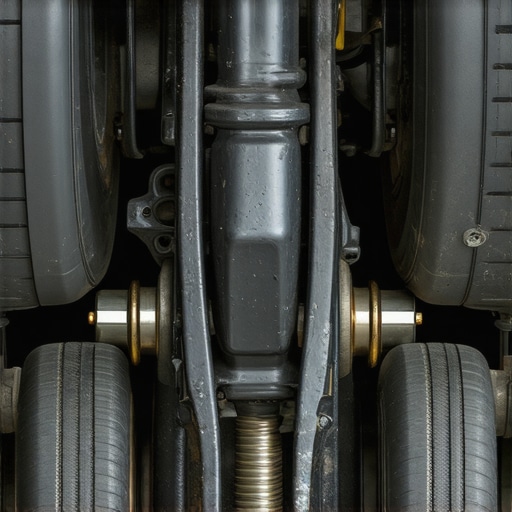
I remember the day I first noticed it—driving down a quiet street when suddenly, my steering wheel started to feel unexpectedly loose, almost as if someone else was guiding it. At first, I thought it was just a bad alignment, a minor tweak that would be quick and easy. But as I kept driving, the sensation persisted, and I realized something was seriously wrong. Turns out, it wasn’t just a simple alignment issue; my steering rack was on the fritz. That lightbulb moment made me dig deeper into what causes this kind of failure and how you can tell if your steering trouble is more than just a misaligned wheel.
Spotting the Hidden Signs of a Failing Steering Rack
Why your steering might feel loose without a reason
Many drivers overlook the subtle clues that their steering system gives them. A steering rack failure often feels just like a bad alignment—your car pulls to one side, or the steering wheel feels creaky or loose, but the tires look fine. Early on, it can be tricky to diagnose, especially if you aren’t familiar with how your steering system works. From personal experience, I initially ignored the uneven steering because I assumed a quick wheel balance would do the trick. But the problem kept worsening, making me realize I had a serious mechanical issue that needed attention. If you’ve experienced a steering wheel that wobbles or pulls unpredictably, it might be time to consider your rack.
> Not checking your steering components regularly is a mistake I made early in my car maintenance journey. Regular inspections, like those recommended in auto repair hacks, could save you from costly repairs later. Recognizing the signs early can prevent dangerous driving situations and expensive repairs, so don’t dismiss that odd sensation while turning.
As we move forward, I’ll guide you through practical checks to confirm whether your steering rack is at fault and how you can address it before it becomes a safety hazard. Ready to prevent a potentially dangerous failure from catching you off guard? Let’s begin.
Perform a Visual Inspection of Your Steering Components
Start by inspecting the steering linkage and boots for leaks, cracks, or signs of wear, similar to checking a bicycle chain for rust or damage. Use a flashlight to look for grease splatters or liquid seeping from the rack, which indicates a seal failure. I once found a torn boot on my friend’s car, which was letting dirt and moisture reach the rack, accelerating wear. Replacing damaged boots prevents dirt ingress and prolongs component life. For a comprehensive check, consult vehicle diagnostics guides for detailed DIY inspection tips.
Test the Steering Play and Responsiveness
With the engine off, turn the steering wheel back and forth, noting any excessive free play or stiffness. If you notice a lot of movement before the wheels respond, it suggests worn steering racks or tie rod ends. On my own vehicle, I used a method similar to wiggling a door handle—if there’s looseness, it’s time to investigate further. Remember, loose steering can be dangerous, so don’t ignore these early signs. For more insights, see diagnostic decoding to understand what your tests reveal.
Check for Leaks Under the Vehicle
Park your car on a level surface and look underneath for signs of fluid accumulation. Power steering fluid leaks often appear as reddish or brown stains of a thin, oily consistency. I once parked my car overnight and found a small puddle, which led me to discover a leaking rack seal. Addressing leaks promptly prevents complete failure. If you’re unsure about fluid types or leak sources, review leak diagnosis stories for real-world detection tips.
Conduct a Road Test for Steering Feel
Start your engine and gently drive, paying attention to steering response and any pulling to one side. Test at various speeds and during turns. A problematic rack often causes uneven steering or unusual noises. I remember a time I drove slowly and felt a rattling sensation; diagnosing this promptly prevented a more extensive repair. For a thorough evaluation, consider pre-road trip diagnostics to ensure your steering system’s health.
Perform a Power Steering Fluid Check
Locate the power steering fluid reservoir, usually near the engine bay, and inspect the fluid level and condition. Dark or foamy fluid indicates contamination or low levels, which can strain the rack. Replacing old fluid not only improves performance but also helps identify leaks early. For detailed flushing procedures, see oil change innovations to keep your vehicle smoothly operating.
Consider Professional Diagnostic Testing
If your checks point toward rack failure but aren’t conclusive, use advanced diagnostics. Many modern vehicles benefit from advanced vehicle diagnostics that can pinpoint internal damage or sensor issues. During my own experience, a diagnostic scan revealed a faulty steering angle sensor, which was affecting my steering response. Visiting a trusted mechanic ensures accurate diagnosis and safe repair.
When it comes to vehicle maintenance, many car owners rely on popular beliefs that can sometimes mislead them or cause unnecessary expenses. For example, many think that a simple oil change is all that’s needed to keep an engine healthy. However, the real nuance lies in understanding the type of oil and maintenance schedule suitable for your vehicle, which can significantly impact engine longevity. As I learned from deep dives into oil change innovations, opting for the right oil and timely changes can prevent more costly repairs down the line.
A common misconception about brake service is that replacing pads alone will always suffice. In reality, neglecting to check the rotors, calipers, and brake fluid can lead to uneven wear and reduced safety. For thorough insights, visit the ultimate brake service guide. Don’t fall into the trap of thinking that more frequent pad replacements equate to better braking; sometimes, a complete system check is necessary.
If you believe auto diagnostics are a quick fix—think again. Many assume that hooking up a code scanner provides all the answers. While useful, relying solely on diagnostic codes without understanding their context can result in misdiagnoses, leading to unnecessary repairs. Advanced diagnostics involve interpreting signals from multiple sensors and understanding how components interact, which is crucial for accurate repairs.
Now, for the seasoned enthusiasts, here’s a question to ponder: How can sophisticated diagnostic tools uncover issues that simple code readers miss, especially in complex systems like adaptive cruise control or hybrid drivetrains? The answer involves understanding the vehicle’s network architecture and employing tools that can access manufacturer-specific data. Investing in advanced diagnostics can save money and improve safety by catching problems early.
One oops I encountered was dismissing a slow leak in my radiator because the puddle was small. It turned out to be a tiny crack in the radiator tank, which, if ignored, could have led to overheating and severe engine damage. This highlights the importance of regular inspections and not dismissing minor issues, aligning with tips to extend vehicle lifespan.
In summary, understanding the nuances behind vehicle diagnostics and repairs prevents costly mistakes and ensures your vehicle remains reliable. Are you aware of these subtleties in your maintenance routine? Have you ever fallen into this trap? Let me know in the comments.
Keep It Running with Precision Tools and Proven Methods
Maintaining your vehicle’s optimal performance requires more than just basic knowledge; it demands the right tools combined with effective maintenance strategies. Over the years, I’ve honed my toolkit to include equipment that ensures accurate diagnostics, efficient repairs, and long-term durability. One indispensable device I’ve come to rely on is a quality scan tool, such as the Autel MaxiCOM series. These scanners not only read generic OBD-II codes but also delve into manufacturer-specific data, allowing pinpoint diagnostics that prevent unnecessary or costly parts replacements. Investing in a reputable diagnostic device like this bridges the gap between amateur tinkering and professional-grade repairs.
Alongside electronic tools, mechanical accessories are equally vital. A set of high-quality ratchet wrenches, torque drivers, and precision screwdrivers make all the difference when performing routine oil changes or brake replacements. For example, applying the correct torque when fastening wheel lug nuts, as discussed in auto repair hacks, prevents warping or uneven wear, extending the life of your tires and suspension components.
Adopt Smart Maintenance Routines for Longevity
Consistent vehicle upkeep isn’t just about reactive fixes—it’s about proactive care. I schedule regular checks of critical fluids, including engine oil, transmission fluid, and especially power steering fluid, because contamination or low levels can silently cause major failures. Using a quality oil like synthetic-blend formulations coupled with a modern oil monitoring system — some vehicles now support digital alerts for oil quality and change intervals — allows me to stay ahead of issues. Such technology, detailed in oil change innovations, reduces guesswork and ensures your engine continues running smoothly.
Embrace Future Trends in Vehicle Care
Looking forward, the integration of telematics and AI-driven diagnostics promises a revolution in auto maintenance. Vehicles will increasingly communicate their needs directly to your smartphone, alerting you not only about upcoming oil changes but also predicting failures before symptoms even appear. Investing in scalable tools like OBD-II adapters compatible with smartphone apps, such as FIXD or Car Scanner, positions you at the forefront of this evolution. These smart devices harness data analytics to forecast issues, allowing for maintenance that is both timely and cost-effective.
Questions to Consider
How do I maintain my vehicle’s diagnostic system over time? Regularly updating your scan tool software and practicing hands-on diagnostics as I do, ensures you’re prepared for any unexpected hiccups. For in-depth techniques, visit decoding vehicle diagnostics and learn how to interpret complex signals accurately.
Try integrating a professional-grade scan tool into your routine to quickly troubleshoot issues and avoid roadside breakdowns. A little investment now can save you from much bigger expenses later.
Lessons from the Garage Floor
One of the hardest lessons I learned about auto repair is that the smallest sign can be the tip of a much bigger issue. A minor wobble in the steering turned out to be a cracked rack seal—a problem I dismissed initially. This taught me to trust my intuition and pay attention to early symptoms, as they often hide more serious failures beneath the surface. Additionally, I realized that relying solely on diagnostic codes can be misleading; understanding the context, like knowing how a faulty sensor influences multiple systems, is crucial. Finally, I discovered that proactive maintenance—and not just reactive fixes—significantly extends vehicle lifespan. Regular inspections and staying ahead of potential failures save both money and peace of mind.