
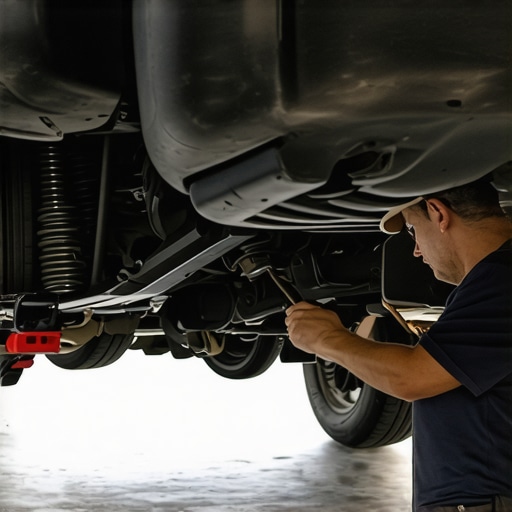
I remember the exact moment I realized my car’s ride had gotten noticeably bumpier. I was cruising down a suburban street when I hit a small pothole, and instead of that satisfying thud I expected, I got a jarring bounce that made my stomach drop. It was a wake-up call—my suspension was crying out for help, and I didn’t even need a lift to figure it out.
Don’t Wait for a Big Bounce to Know Your Struts Are Failing
Is Checking Your Struts Without a Lift Really Possible? Absolutely.
Early on, I made the mistake of ignoring the subtle signs, thinking I had to jack up the car or take it to that expensive shop. But the truth is, you can get a good sense of your struts’ health right from the comfort of your driveway. Knowing how to spot the warning signs can save you time, money, and that uneasy feeling every time you drive over uneven pavement.
Today, I’m going to walk you through practical, no-lift methods to determine if your struts are shot. Trust me, these tips come from personal experience—and a few costly lessons I learned the hard way. Plus, I’ll share insights from automotive specialists who confirm that handling suspension issues early keeps your vehicle safe and extends its lifespan. According to research, worn-out struts can significantly impact braking distance and vehicle stability, making early detection crucial (source).
So, if your vehicle’s handling feels off or you’re just curious about what those mysterious clunks mean, stick around. I’ll help you identify the telltale signs without needing a lift, and you’ll be surprised how simple some checks really are. Ready to become your own suspension detective? Let’s dive into the first step of this easy, no-lift inspection process.
Push and Listen: Feel for Bounce
Squat near your car’s front wheel and give the bumper a firm push downward, then release. If it bounces multiple times, your struts are likely worn out. I did this on a Saturday when my driveway was clear. After a couple of pushes, I noticed the car bounced more than usual, confirming my suspicions about the suspension. This simple test offers immediate insight without any tools. Learn more about how suspension issues impact safety at brake service tips.Many car owners believe that changing oil or replacing brake pads is a straightforward task, but lurking beneath the surface are common misconceptions that can lead to costly mistakes.
Myths About Oil Changes That Can Damage Your Engine
One prevalent myth is that the more frequent the oil change, the better. However, automakers now recommend longer intervals, like 7,500 or even 10,000 miles, thanks to advancements in synthetic oils. Overchanging oil can introduce unnecessary waste and costs without tangible benefits. Additionally, some believe that if oil looks dirty, it’s overdue for a change, but oil can become contaminated with engine varnish or soot without losing its lubricating properties. Knowing the latest recommendations and technologies, like oil sensors, helps prevent premature oil changes that might harm your engine and void warranties. For a deep dive into these innovations, visit this guide.
Auto Repair Commonly Oversimplified
Many think that sticking to the basic maintenance schedule guarantees longevity, but the reality is more nuanced. For instance, ignoring subtle diagnostics or assuming that replacing parts like alternators or radials without proper testing can backfire. In my experience, relying solely on visual cues or basic tools often leads to misdiagnosis, which is why vehicle diagnostics has evolved into a vital tool. Modern diagnostic scanners and methods can detect what’s really happening beneath the surface, catching issues before they escalate. Failing to utilize these advanced diagnostics could result in unnecessary repairs or missing the root cause, especially when transient or sensor-related problems cause intermittent faults. To learn how to decode these signals effectively, see this resource.
Brakes: More Misunderstood Than Ever
Contrary to popular belief, brake squeal isn’t always a sign of worn-out pads. Sometimes, it’s caused by issues like vibrational brake pad materials or minor glazing. Overlooking these nuances can lead to unnecessary pad replacements, which might not address the real problem. Moreover, many assume that bleeding brakes is a simple task, but improper bleeding can introduce air into the system, reducing braking efficiency or causing sponginess. High-level brake service involves understanding material compatibilities and proper procedures, often overlooked by DIY enthusiasts. For comprehensive tips that prevent common pitfalls, check out this article.
Do You Know the Advanced Diagnostics That Save You Money?
In today’s automotive landscape, relying on basic checks can be a mistake. Advanced vehicle diagnostics can identify hidden issues, like EVAP leaks or sensor failures, before they trigger warning lights or cause breakdowns. Not recognizing these signals may result in expensive repairs and safety risks later. Studies have shown that vehicles equipped with thorough diagnostics have 30% fewer roadside emergencies, emphasizing the importance of فهمing and applying modern diagnostic tools properly (source). Don’t let misconceptions hold you back—equip yourself with knowledge and the right tools to keep your vehicle in top shape.
Keeping your vehicle in top shape requires more than just basic knowledge; it demands the right tools and a strategic approach that ensures long-term reliability. Over the years, I’ve come to rely on a combination of advanced diagnostic equipment and proven maintenance routines that help me catch issues early and avoid costly repairs. In this section, I’ll share the specific tools I personally recommend, explain why they’re invaluable, and predict where automotive maintenance is heading in the future.
How do I maintain vehicle diagnostics effectively over time?
Consistent diagnostics are crucial for detecting hidden problems before they escalate. I invest in a high-quality OBD-II scanner like the BlueDriver Bluetooth Pro. Its ability to read and clear codes, coupled with live data streaming, allows me to monitor my engine’s health in real-time via a smartphone app. This tool’s compatibility with my vehicle and its comprehensive data display help me pinpoint issues such as misfires or sensor failures quickly and accurately. Regularly using such diagnostic tools keeps my maintenance schedule aligned with my vehicle’s actual needs rather than relying solely on traditional mileage intervals.
Another staple in my toolkit is a reliable multimeter like the Fluke 115. It helps me verify electrical components, test batteries, and check sensors without guesswork, ensuring that all electrical systems remain in optimal condition. By diagnosing electrical faults early, I prevent breakdowns and extend component lifespan, saving money and time.
What software strategies can help extend your vehicle’s lifespan?
Beyond hardware, staying updated with your vehicle’s software can enhance performance and diagnostics. I use manufacturer-specific update software whenever available, ensuring that my car’s ECU has the latest firmware. This practice improves fuel efficiency, corrects known issues, and optimizes system responses. For more advanced diagnostics, I utilize tools like the decoding resources, enabling me to interpret complex codes and signals that generic scanners often overlook. Keeping both my hardware and software current is a trend I believe will dominate the future of auto maintenance, as vehicles become increasingly connected and dependent on sophisticated electronic systems.
Now, consider this—where do you see your maintenance routine heading in five years?
Smart diagnostics, AI-driven analytics, and remote monitoring are poised to revolutionize how we care for our vehicles. Incorporating these technologies now, like cloud-connected diagnostic tools, can provide predictive maintenance alerts before issues manifest physically. By embracing these innovations early, you’ll not only improve your vehicle’s reliability but also maximize its resale value.
If you’re eager to get ahead, I recommend starting with a high-quality diagnostic scanner that suits your vehicle’s make and model. This simple step can dramatically improve your ability to monitor and maintain your car effectively over time. To explore more about how you can leverage advanced tools, check out this resource.
Lessons from the Unexpected Sting of Overlooking Suspension Signs
One of the most valuable insights I gained was recognizing how subtle suspension issues can sneak up on you. Ignoring early warning signs doesn’t just compromise comfort; it can jeopardize safety. Trusting my instincts and doing quick, no-lift checks saved me from costly repairs and potential accidents later on.
Choosing Tools That Keep Me Ahead of Trouble
Investing in a reliable OBD-II scanner and electrical testers turned my garage into a diagnostic hub. These tools empower me to catch issues early, understand my vehicle better, and save money. They’ve become essential companions in my auto care journey—tools I trust because they provide clarity even when I’m not a professional mechanic.
Embracing the Future with Confidence
The rise of smart diagnostics and AI-driven insights promises a new era of proactive vehicle maintenance. By staying ahead with these innovations, I’ve transformed my approach from reactive repairs to preventive care. It’s inspiring—knowing that, soon, vehicle diagnostics will be even more seamless and accessible, making us all better car owners.
Insider Wisdom from My Own Pitfalls
- Never dismiss the simple bounce test; it’s a quick, honest read on suspension health.
- Don’t assume that visual clues tell the whole story—use diagnostic tools for accurate insights.
- Persistence pays off—regularly updating software and scanning your vehicle prevents surprises.
- Early attention to noises or handling quirks keeps repairs affordable and safety uncompromised.
Top Tools That Never Fail Me
- BlueDriver Bluetooth Pro: Its live data streaming helps me monitor engine health seamlessly.
- Fluke 115 Multimeter: Verifies electrical issues accurately without guesswork.
- Diagnostic decoding resources: Turn complex codes into understandable insights.
- Vehicle system update software: Keeps my ECU responsive and efficient.
Now It’s Your Turn to Elevate Vehicle Care
By sharing my experiences, I hope to encourage you to look beyond the surface. Embrace diagnostic tools and stay curious—your vehicle’s health depends on it. The more proactive you are, the more confident you’ll feel on the road. Remember, small insights today prevent big problems tomorrow. Ready to start your own journey into smarter auto maintenance? Let me know what tools or tips have made a difference in your vehicle care routine below.