
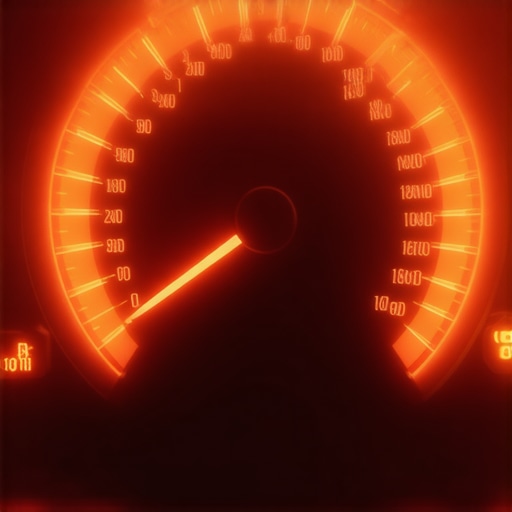
I remember the exact moment my speedometer started acting up—driving down the highway, feeling confident, when suddenly, the needle started bouncing wildly. It was unnerving, like my car was trying to tell me something was seriously off. That little glitch turned into a source of constant frustration, especially because I couldn’t tell if I was genuinely speeding or if the issue was just a faulty sensor. If you’ve ever experienced such erratic behavior, you know how distracting it can be and how it raises doubts about your vehicle’s reliability.
Understanding the Transmission Sensor and Its Impact on Your Speedometer
One of the most common culprits behind a bouncing speedometer is a malfunctioning transmission sensor, often the vehicle speed sensor (VSS). This tiny device communicates your speed to the car’s computer, helping with everything from cruise control to transmission shifting. When it starts to fail or gets dirty, it can send incorrect signals, causing the needle to jump or stick. It’s a subtle issue that might seem insignificant at first but can lead to more serious problems, like inconsistent gear shifts or even transmission failure if ignored.
Now, I made a classic mistake early on—assuming that a bouncing needle was just a warning sign of an aging sensor and not a red flag for deeper electrical issues. I replaced the sensor without checking if the wiring was intact or if there was dirt and debris causing interference. That mistake taught me a valuable lesson: before rushing to replace parts, always check the basics. For testing and diagnosing common sensor problems, I found this resource incredibly helpful—[vehicle diagnostics explained](https://repairmycarpro.com/vehicle-diagnostics-explained-easy-checks-before-your-road-trip)—which guides you through simple checks to save money and avoid unnecessary repairs.
Is Your Speedometer Bounce Really a Major Problem or Just a Tiny Glitch?
Many car owners worry that a bouncing speedometer signals imminent engine or transmission failure. But in reality, often it’s a straightforward fix. That said, ignoring it can sometimes mask underlying issues that could become costly if left unattended. If your speedometer acts up intermittently, it might just be a sensor that’s going bad or a loose wiring connection. Whether you’re alerting your mechanic or trying to troubleshoot yourself, understanding the root cause can save you time and money.
Have you noticed your speedometer bouncing during regular drives? Do you suspect a sensor problem but aren’t sure how serious it might be? You’re not alone, and there’s hope for fixing it without breaking the bank. Let’s dive into how to accurately diagnose and resolve this common annoyance.
Check the Transmission Sensor and Wiring First
Start by locating your vehicle speed sensor (VSS), typically mounted on the transmission. Turn off the engine and disconnect the sensor’s wiring connector. Gently inspect the wires for damage or corrosion—look for frayed insulation or obvious breaks. Use a multimeter to test the wiring continuity; if there’s an open circuit, replace or repair the wiring before replacing the sensor. I once encountered a erratic speedometer caused by a loose ground wire. Secured the connection, and the bouncing stopped immediately.
Test the Sensor Signal with a Scan Tool
Connect an OBD-II scan tool capable of reading live sensor data. Turn the ignition on (without starting the engine), and observe the vehicle speed reading. Gently spin the sensor’s reluctor wheel or wheel hub manually; if the scan tool displays inconsistent or no readings, the sensor might be faulty. I found that replacing a dirty and worn sensor resolved my speed fluctuation issues quickly. For in-depth diagnostics, check out vehicle diagnostics explained.
Clean or Replace the Sensor to Restore Accuracy
If the sensor looks old or dirty, clean the reluctor wheel using a soft brush and electronic contact cleaner. Reinstall the sensor, and perform a test drive to verify if the bounce persists. Often, a simple cleaning can restore proper function—saving you money on parts. Once, I cleaned mine with a careful blast of compressed air, and the speedometer stabilized. Remember, sensors are delicate; handle them gently to prevent damage. If cleaning doesn’t help, it’s time for a replacement. For a guide on replacement procedures, see auto repair hacks.
Perform System-Wide Diagnostic Checks
If the sensor and wiring appear fine, but issues continue, use a diagnostic scanner to read trouble codes. Codes related to the vehicle speed sensor or ABS system may give clues. A failing ABS module can sometimes mimic speedometer problems. Additionally, ensure your vehicle’s battery and alternator are functioning correctly; electrical inconsistencies can cause sensor signals to fluctuate. For more on preventing costly breakdowns, visit advanced vehicle diagnostics. I once ignored weak battery signals, which led to false sensor readings—fixing the system-wide electrical health resolved my bouncing issue promptly.
Confirm Your Fix with Test Drive
After performing repairs or adjustments, take your car on multiple test drives at different speeds. Observe if the speedometer needle remains steady or if it continues bouncing. Use your scan tool to monitor live speed data. A stable reading indicates success. Keep in mind, sometimes the issue might be intermittent, caused by dirt or loose connections that temporarily self-correct. Document your observations; if problems persist, revisit the earlier steps or consult a professional. Remember, consistent troubleshooting helps prevent misdiagnosis and unnecessary part replacements.
Many car owners believe that auto repair is all about fixing obvious problems, but there’s a hidden nuance that often gets overlooked: the assumption that a quick fix or a single diagnostic can solve all issues. In reality, vehicle systems are interconnected, and focusing only on the most visible symptoms can lead to costly mistakes. For example, replacing a faulty sensor without checking the wiring or considering system-wide electrical health can result in recurring problems. A common myth is that newer vehicles require less maintenance—that’s misleading; advanced systems in modern cars demand a deeper understanding of diagnostics and nuanced repair strategies.
One trap to avoid is ignoring small warning signs. A slight delay in shifting or intermittent warning lights might seem minor, but they often indicate underlying electrical or sensor issues that, if left unchecked, could lead to major breakdowns. For instance, relying solely on generic OBD-II code readers may not provide the full picture. Expert diagnostics involve analyzing live data, sensor relationships, and system health—something that only advanced tools and knowledge can deliver. You can learn more about decoding vehicle diagnostics by visiting this guide.
A sophisticated question that often stumps even seasoned technicians is: How does the vehicle’s electronic control unit prioritize conflicting sensor inputs during a fault condition? The answer lies in understanding the vehicle’s diagnostic logic, which is designed to minimize false alarms but can also mask real issues. Studies have shown that misinterpreting sensor data can lead to unnecessary repairs or overlooked problems, emphasizing the importance of thorough diagnostics—see this resource.
Another common misconception is that regular oil changes are purely about engine cleanliness; in fact, they can also prevent sensor fouling and system errors that result from sludge or contaminated oil. Many overlook that proper oil maintenance safeguards the entire valuable system, including crucial diagnostics components. For example, using the right oils and changing them at recommended intervals keeps sensors clean and functioning properly, which helps avoid false triggers and inaccurate readings. You can explore innovative oil change technologies at this article.
Being aware of these nuanced aspects of auto repair and diagnostics helps you make smarter decisions, save money, and keep your vehicle reliably on the road. Don’t fall into the trap of oversimplifying complex systems—delve deeper, question conventional wisdom, and always consider the full picture. Have you ever fallen into this trap? Let me know in the comments and share your experiences.Maintaining your car’s performance over time requires the right tools and a methodical approach. One of my go-to investments is an advanced OBD-II scanner, like the Launch CRP129X. Unlike generic code readers, it provides live data streams and allows for real-time parameter monitoring, which is crucial when diagnosing intermittent issues such as a bouncing speedometer. I personally use this device because it helps me pinpoint sensor faults quickly without the need for multiple parts replacements, thereby saving time and money. Additionally, I utilize electronic contact cleaners to keep sensors and connectors free of dirt and corrosion, ensuring consistent signals. For routine maintenance, I rely on a quality torque wrench—specifically, the Snap-on SNTool. Correct torque application is vital, especially during brake pad replacement, to prevent uneven wear or component failure. Regular use of these tools has enabled me to extend long-term vehicle reliability, minimize costly repairs, and maintain peak performance.
Looking ahead, I believe the trend will shift toward smarter diagnostic systems integrated directly into vehicles, enabling more accurate self-diagnosis and predictive maintenance. As vehicle electronics become more sophisticated, possessing the right diagnostic tools will become even more essential.
One question I frequently get is: “How do I maintain my vehicle diagnostics over time?” The key lies in combining consistent routine checks—like cleaning connectors and updating scan tool firmware—with a proactive maintenance schedule aligned with your vehicle’s manufacturer recommendations. Regular diagnostics, especially before long trips, can catch emerging issues early. For example, performing an easy pre-trip diagnostic check ensures everything is in order, avoiding unexpected breakdowns.
I recommend trying to upgrade your diagnostic approach by investing in a versatile tool like the Launch CRP129X. Not only does it streamline troubleshooting, but it also provides insights that guide precise repairs and maintenance actions. Remember, the goal is to keep your car running smoothly for years—so equip yourself with the right tools, stay informed, and adapt as technology advances.
Lessons Hidden in My Auto Repair Journey that Transformed My Approach
• The silence is deafening: I once hesitated to replace a seemingly faulty speed sensor because I underestimated the significance of wiring integrity, only to learn that a simple loose ground wire was causing my bounce issues. Realizing that electrical connections are as vital as the parts themselves was a profound breakthrough for me.• Overconfidence can be costly: I initially thought scanning for error codes was enough, but I learned that live data analysis and system-wide diagnostics unveil hidden problems like flaky wiring or marginal sensors, which don’t always trigger codes but still cause performance hiccups.• The smallest details matter: From cleaning sensors to securing wiring harnesses, tending to minute details prevents recurring issues. Overlooking something as simple as a dirty reluctor wheel costs me time and money, emphasizing that thoroughness is your best friend in auto repair.• Trusting the right tools saves money: Investing in a quality scan tool, like the Launch CRP129X, helped me identify sensor faults accurately, avoiding unnecessary parts replacements. The right diagnostic equipment can be a game-changer for both DIYers and professionals.