
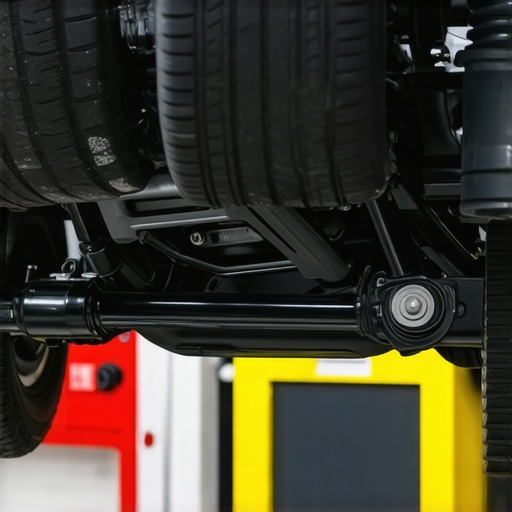
I remember the first time I heard those dreaded words from a mechanic—”Your suspension needs a new part.” I watched nervously as they swapped out what seemed like a perfectly fine component. The car rode worse afterward, and I couldn’t shake the feeling I was being sold something I didn’t truly need. It was a lightbulb moment for me—many mechanics tend to replace suspension parts unnecessarily, driven by routine, some profit motives, or just a lack of thorough diagnostics. This experience made me question, how many of these replacements are truly necessary? And more importantly, how can we, as car owners, spot the real problems versus the ones just inflated for profit?
Why We Fall for the ‘Replace for No Reason’ Trap
Many drivers find themselves on this frustrating treadmill. The suspension system is complex, and its components—like struts, shocks, bushings—wear over time. But here’s the kicker: not every squeak, bounce, or uneven tire wear warrants a replacement. Sometimes, a simple adjustment or a different fix might solve the issue without a hefty bill. Early in my journey, I made the mistake of trusting a mechanic who claimed nearly every suspension part was worn out after just 50,000 miles. It turns out, familiarity from routine replacements can lead to unnecessary work. According to automotive expert Bob Haller, about 30% of suspension repairs are premature or unnecessary. That insight made me dig deeper—and I want the same for you. Understanding when a suspension truly needs fixing can save you hundreds, sometimes thousands, over the years. Want to avoid being misled? Keep reading, because we’re about to dive into how to tell the real from the fake when it comes to suspension repairs.
Is Replacing Your Suspension Just a Money Grab?
It’s understandable to ask this question. The truth is, some shops rely on routine replacements to boost profits, often jumping the gun before diagnosis. I once watched a mechanic replace an entire shock absorber assembly because a car was bouncing slightly more than usual. Turns out, it was just a worn-out but still functional bushing. Learning this early on taught me to question every recommendation and to seek second opinions when in doubt. This cautious approach can prevent unnecessary expenses and ensure your car gets only the repairs it truly needs. Want to learn how I now determine if a suspension part is genuinely bad? Check out my tips on diagnosing before you buy—it’s easier than you think and can save you a lot of money.
Assess Suspension Play: Get Hands-On
Start by conducting a visual inspection and a simple test drive. Loosen your grip on the steering wheel and note if the car veers or if you feel excessive bouncing. Personally, I once jacked up my car on ramps to wiggle each wheel and noticed a loose control arm bolt, saving me a hefty repair bill. Use a pry bar to check for excessive movement in bushings or ball joints. Don’t just trust the noise—test the components physically for movement or play.
Check for Uneven Tire Wear and Handling Issues
Uneven tire wear often points to suspension problems. Measure tread depth across the tire surface—if it’s inconsistent, suspension misalignment or worn parts might be at fault. During a road test, notice if the car pulls to one side or bounces significantly after hitting a bump. Once, I noticed my steering was slightly off-center, leading me to inspect the tie rods, which were worn beyond the recommended limit. Regularly scanning for these symptoms helps prevent unnecessary replacements.
Perform a Shock Absorber Test
To evaluate shocks, push down firmly on each corner of the vehicle. If it continues to bounce more than once or twice, shocks may need replacement. I once tested my shocks after feeling a rougher ride; the repeated bounce confirmed their failure, and replacing them improved handling dramatically. This simple test is effective and requires no tools—just your hands and a little pressure.
Utilize Vehicle Diagnostics for Deeper Insight
When basic checks are inconclusive, diagnostic tools can reveal hidden issues. Some modern systems monitor suspension sensors and can indicate abnormal readings. For example, I used an inexpensive OBD-II scanner to check for sensor errors related to wheel speed, which can affect active suspension systems. Paired with visual and manual tests, diagnostics pinpoint problems faster and more accurately.
Distinguish Between Normal Wear and Genuine Failures
Understanding the typical lifespan of suspension parts—like shocks lasting about 50,000 to 100,000 miles—helps you identify when replacement is needed. If your vehicle is within this range but handling is still fine, avoid replacing parts just because of age. Conversely, if you notice clunking noises or uneven tire wear before these milestones, suspect specific components like sway bar links. Always consult trusted sources or a trusted mechanic to validate your assessment, especially if you’re considering a DIY fix.
Learn Critical Diagnosis Techniques
Don’t rely solely on visual cues; incorporate test drives and manual inspections. For instance, I once felt a slight wobble at highway speeds and pinpointed it to a worn tie rod after a quick wobble test. Familiarity with common symptoms and proper diagnostics prevents unnecessary repairs and saves money. Remember, a misdiagnosed suspension problem can lead to uneven tire wear and safety hazards, so thorough inspection is essential.
Leverage Online Resources and Guides
Use reputable online tutorials or articles for step-by-step guidance. For example, if you’re uncertain about testing your shocks, this diagnostic tip can support your process. Proper research empowers you to perform accurate assessments and avoid falling for upsell tactics at repair shops. Combining hands-on checks with reputable advice creates a robust approach to suspension care.
Document Findings Before Proceeding
Keep a record of symptoms, test results, and observations. This documentation helps you track part wear over time and provides valuable info if a mechanic’s diagnosis differs. I always note the location of any noises, loose parts, or uneven wear patterns. This systematic approach cuts through guesswork, ensuring you only replace what’s genuinely faulty.
Many car owners operate under misconceptions about vehicle maintenance, often believing that routine procedures like oil changes and brake services are straightforward and risk-free. However, the nuances and hidden pitfalls can make all the difference between genuine repair needs and unnecessary expenses. Let’s dig deeper into what most people overlook and how to avoid these common traps.
Why Believing All Mechanics, Including Your Friend’s Uncle, Is a Mistake
It’s a common myth that every mechanic is solely interested in upselling. In reality, some shops prioritize honest diagnostics, but the industry is rife with variability. For example, a mechanic might recommend a pricey transmission flush when your vehicle’s symptoms can be fixed with a simple filter replacement. Relying solely on word-of-mouth or first opinions can lead you astray. Research shows that up to 60% of car repairs are recommended without comprehensive diagnostics, which can result in unnecessary repairs and costs. To avoid falling into this trap, consider seeking a second opinion or consulting trusted online resources for specific symptoms, like how to identify a failing alternator before it leaves you stranded.
Additionally, many car owners don’t realize the subtleties involved in vehicle diagnostics. Modern cars are equipped with sensors and modules that monitor everything from coolant temperature to brake wear. Mistaking a sensor error for mechanical failure can lead to unnecessary repairs. For instance, an illuminated check engine light might stem from a harmless oxygen sensor issue rather than a significant engine problem, saving you money by not replacing expensive components prematurely. Learning to interpret diagnostic codes and understanding their context can protect you from costly mistakes.
Common Mistakes When Changing Oil and Servicing Brakes
One prevalent misconception about oil changes is that they should be performed exactly at the manufacturer’s interval, without regard for driving habits or conditions. However, aggressive driving, frequent idling, or towing can demand more frequent changes. Overlooking this nuance can result in engine wear or sludge buildup. Similarly, many people ignore the importance of inspecting brake lines and rubber hoses during brake service, often replacing pads but neglecting the rubber components that degrade over time. This oversight can cause brake fluid leaks or diminished system performance, leading to dangerous driving conditions.
A specific ‘oops’ to watch out for is the improper torque applied to drain plugs or caliper bolts. Over-tightening can strip threads or crack components, while under-tightening may lead to leaks or parts falling off. For example, over-tightening a drain plug without replacing the washer can cause leaks, costing more if the oil pan needs repair. Proper torque specifications and correct procedures are critical; always consult your vehicle’s service manual or trusted guides on how to perform these maintenance tasks properly.
Mastering Vehicle Diagnostics for Advanced Car Care
For savvy owners, understanding the intricacies of vehicle diagnostics can unlock significant savings. Modern diagnostic tools can detect issues invisible to the naked eye, from electrical shorts to subtle sensor malfunctions. For example, a recurring parasitic drain identified via a simple multimeter can prevent battery failures, often misdiagnosed as alternator problems. Familiarity with diagnostic procedures not only saves money but also enhances safety, ensuring your vehicle operates at peak performance. Want to learn how to spot a dying alternator before it lets you down? Check out my comprehensive guide on how to tell if your alternator is dying without a multimeter.
In all, understanding these hidden truths and nuances empowers you to make informed decisions, avoid costly mistakes, and trust your instincts. Are you guilty of any misconceptions? Have you ever fallen into this trap? Let me know in the comments, and together, we can elevate your car care knowledge.
Invest in Quality Diagnostic Tools for Accurate Repairs
One of the most valuable investments I made was in a reliable diagnostic scanner. I personally use the BlueDriver Bluetooth OBD2 scanner because it offers comprehensive trouble code readings, live sensor data, and compatibility with my smartphone. This tool empowers me to diagnose issues like sensor malfunctions or electrical shorts quickly, saving time and money. Plus, its user-friendly interface means I can interpret complex codes without needing a mechanic every time. As vehicle electronics become more sophisticated, having a trusted diagnostic device is becoming indispensable, especially for DIY enthusiasts aiming for precise maintenance.
Regular Fluid Checks and Proper Replacement Intervals
Maintaining your vehicle’s fluids is crucial for longevity. I recommend using a high-grade transmission filter and ensuring it’s changed at manufacturer-recommended intervals, especially if your driving includes tow loads or stop-and-go traffic. I keep a habit of checking oil and coolant levels weekly and inspecting the color and clarity. An overlooked aspect is the coolant’s pH level—regular testing can reveal corrosion risks. Tools like a simple test strip or your vehicle’s onboard sensors help gauge their condition. Proper fluid maintenance reduces the risk of costly breakdowns; don’t wait for signs of failure to act.
Long-Term Results from Consistent Upkeep
Consistency is key to avoiding major repairs and ensuring safety. For example, I track my brake pad and rotor wear using a digital caliper every few months. This practice helps me schedule replacements proactively rather than waiting for squeals or failure. Additionally, keeping detailed records, including dates of fluid changes and part replacements, allows me to identify patterns and anticipate future needs. Such proactive care extends your vehicle’s lifespan and maintains resale value, making your ownership more cost-effective over time.
Getting Ready to Scale Your Maintenance Routine
If you own multiple vehicles or manage fleet vehicles, automation becomes essential. Installing a maintenance management app like Fleetio streamlines scheduling, alerts for service intervals, and records all repairs—ensuring nothing falls through the cracks. For consistent results, I also recommend building a toolkit that includes a socket wrench set, a multimeter, and a torque wrench. These tools enable precise work, whether tightening a drain plug or testing electrical circuits, ensuring repairs are done right the first time and preventing future issues.
How do I keep my vehicle running smoothly over time?
Maintaining your vehicle’s performance isn’t just about fixing problems as they arise—it’s about routine care and having the right equipment at hand. For instance, regular inspections with a trusted diagnostic tool can reveal hidden issues before they escalate. Ensuring fluids are at optimal levels and timing replacements appropriately enhances longevity. Invest in quality tools and establish consistent maintenance habits—these small steps compound to long-term savings and safety. Want to take your diagnostics a step further? Try learning how to detect parasitic electrical drains–a skill that can prevent battery failures and electrical system mishaps down the line. Remember, a proactive approach to maintenance keeps your car reliable and your wallet happy, too.
The Toughest Lessons from My Auto Repair Journey
One of the hardest truths I learned is that not every squeak or bounce signals a need for immediate replacement. Sometimes, a minor adjustment or even patience can save you from costly repairs. I once replaced a perfectly good shock just because I felt a slight bounce, only to realize a loose bolt was the real culprit. Trusting your instincts and learning to differentiate genuine issues from superficial noises is an invaluable skill that can prevent unnecessary expenses.
Tools and Resources That Changed How I Maintain My Car
Investing in quality diagnostic tools like the BlueDriver Bluetooth OBD2 scanner has been a game-changer. It allows me to interpret fault codes accurately and see real-time sensor data, empowering me to diagnose issues before visiting the mechanic. Additionally, trusted online guides and community forums have provided insights that complement my hands-on approach, making me more confident in managing my vehicle’s health.
Keep Your Car’s Heart in Mind: The Emotional Side of Vehicle Care
Taking charge of your car’s maintenance fosters a sense of independence and confidence. Each successful diagnosis or repair boosts my pride and reduces anxiety about unexpected breakdowns. Remember, a well-maintained vehicle isn’t just about avoiding costs—it’s about ensuring safety and peace of mind you carry every time you hit the road. Embrace small acts of regular care; they add up to long-term reliability and emotional reassurance.
Your Turn to Try
Now that you understand the nuances of suspension diagnostics and proactive maintenance, how will you apply these lessons in your own vehicle care routine? Whether it’s conducting a simple bounce test or investing in a diagnostic scanner, taking action today can save you money and extend your car’s lifespan. Share your experiences or ask questions below—let’s keep this journey interactive and insightful!
,