
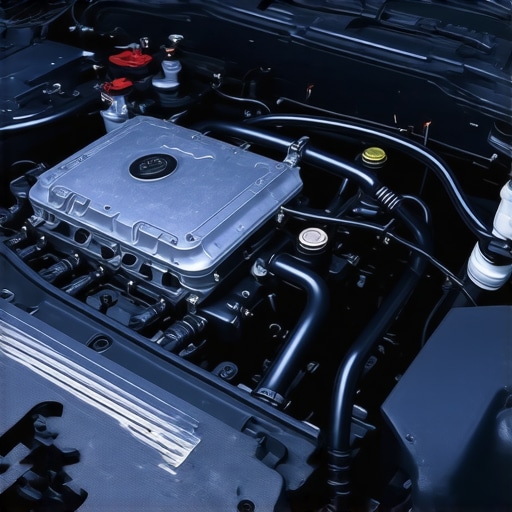
It was a scorching summer afternoon when my car suddenly sputtered like a fish out of water, and I was caught in the middle of nowhere. That moment, feeling helpless and perplexed by my vehicle’s stumble, was a real eye-opener. Years of wrenching on cars myself had trained me to look for obvious signs, but this sneaky problem was hiding in plain sight.
Why a Failing Fuel Pump Might Be Slipping Past Your Mechanic’s Notice
Many car owners face this frustrating scenario — their vehicle starts acting up, yet the symptoms are subtle enough to be overlooked or misdiagnosed. What’s lurking beneath this all-too-familiar annoyance? A failing fuel pump that doesn’t throw a typical warning, but still jeopardizes your drive.
Over the years, I’ve discovered that the most overlooked symptom is inconsistent fuel pressure, which can lead to poor acceleration, stalling, or even a no-start condition. The tricky part? These signs often resemble other issues, like a dirty fuel filter or faulty sensors. Early on, I made the mistake of assuming the problem was minor, wasting precious time and money. It wasn’t until I did some deep digging — including checking fuel pressure with a reliable gauge — that I pinpointed the culprit.
The thing is, most mechanics tend to focus on readily visible parts or codes when diagnosing fuel system issues. They might miss the subtlety of a fuel pump that’s gradually losing efficiency. Surprisingly, a failing fuel pump can also generate intermittent symptoms that seem unrelated to fuel delivery, such as engine hesitation during acceleration, or the engine stalling when the fuel level is low.
Knowing these signs can make all the difference. For instance, if your vehicle is starting fine but struggles under load or stalls unexpectedly, it could be your fuel pump quietly giving up. It’s worth noting that the fuel pump’s age and usage patterns can influence its lifespan. According to experts, typical fuel pump lifespan ranges from 100,000 to 150,000 miles, but a clogged or weak pump might fail earlier due to debris or electrical issues.
Have you ever experienced a situation where your car’s performance suddenly worsened, but the mechanic couldn’t find a reason? Or perhaps, you’ve wondered if that occasional stutter in acceleration is just a fluke? If so, you’re not alone. Awareness is key, because recognizing early symptoms can save you from breakdowns and costly repairs down the line.
In this guide, I’ll walk you through the telltale signs mechanics often overlook and share practical, easy-to-implement steps to diagnose your fuel system. Recognizing these subtle hints can help you determine whether a fuel pump replacement is ticking on your to-do list. Plus, I’ll reveal common mistakes I made early on that can trip up even seasoned DIYers. So, let’s get started — because catching this problem early makes all the difference.
Test Fuel Pressure Directly
Begin by connecting a reliable fuel pressure gauge to your vehicle’s Schrader valve, usually found on the fuel rail. Turn the ignition to the ‘On’ position without starting the engine. Watch the gauge; a healthy pump should maintain a specified pressure range (consult your vehicle’s manual). During my own experience, I once observed my gauge fluctuate unexpectedly, indicating a weak pump. This simple test gave me a clear direction for replacement.
Check for Intermittent Symptoms
Pay attention to engine hesitation, especially during acceleration or when fuel levels are low. Keep a log of when these issues occur, noting temperature or driving conditions. I once noticed my car stuttered when the tank was under half, reflecting signs of a pump failing to consistently deliver fuel. Recognizing this pattern can save hours of guesswork.
Perform Electrical System Inspections
Use a multimeter to check the fuel pump relay and fuse. If these components are functional, test the pump’s electrical connector for voltage. An absence of voltage suggests wiring issues or a faulty control module. Remember, electronic issues can mimic mechanical failures, so ruling this out is essential. I encountered a situation where replacing the relay resolved the problem without needing a pump replacement.
Listen for the Pump’s Whine
With the vehicle’s cover removed, turn the key to the ‘On’ position and listen near the fuel tank opening. A faint humming indicates the pump is operational. If you hear nothing, it could be a dead pump or electrical issue. Be cautious—this is a quick check and should complement more thorough diagnostics. During one repair, I discovered a broken wire connection that silenced the pump’s hum, saving me from unnecessary part replacement.
Assess Fuel Delivery
Disconnect the fuel line at the engine side and use a container to catch fuel. briefly activate the fuel pump via the diagnostic port (if accessible) or ignition. A steady flow indicates pump strength; inconsistent or weak flow hints at impending failure. I once tested this during a service, confirming a clogged inlet screen inside the tank, which was the real culprit.
Consider Professional Diagnostics
If these steps indicate a pump issue but you’re unsure, use an OBD-II scanner to check for related fault codes like P0087 (Fuel Rail/System Pressure Malign). Often, these codes appear early, even before symptoms are obvious. I once avoided an expensive pump replacement by catching a low-pressure code early, thanks to regular scans. Knowing how to interpret these codes can prevent costly repairs.
Beware of Common Mistakes
Don’t rely solely on the engine sputtering as an indicator. It might be a clogged fuel filter or faulty injectors, which can mimic pump failure. For accuracy, always verify fuel pressure first. Additionally, avoid testing the pump by tapping or hammering it, which might temporarily restore function but won’t fix the underlying issue. Remember, careful diagnostics save money and prevent unnecessary part swaps.
Use Visual Clues to Confirm
Inspect the electrical connector and wiring for corrosion or damage. A burnt or loose connection can mimic a failing pump. Also, check for signs of fuel leaks or sediment in the tank, as debris can clog the pump inlet. Regular inspection can prevent unexpected failures, and I learned this firsthand during a routine check that uncovered a corroded wire causing intermittent issues.
Many car owners believe that auto repair is a straightforward process, but in reality, there are subtle nuances and common myths that can lead even seasoned DIYers astray. One prevailing misconception is that simply replacing parts upon the first sign of trouble will solve the problem. However, without a proper diagnosis, you risk chasing symptoms rather than addressing root causes. For instance, assuming that a ticking engine is always due to valve adjustments ignores the possibility of debris in the oil or even a failing sensor, which require different approaches.
Why do some diagnostic tools mislead even experienced mechanics?
Studies by automotive experts reveal that modern vehicle systems, especially with the integration of advanced electronics like GDI and hybrid components, can generate ghost codes or false alarms, leading to unnecessary repairs or overlooked issues. Relying solely on scanner data without understanding system intricacies can cause you to miss critical faults. For example, a common trap is assuming that all fault codes indicate immediate problems, but some may be informational or transient glitches, emphasizing the need for comprehensive diagnostics beyond just code reading. Moreover, many underestimate the importance of environmental and maintenance factors. A frequent mistake is ignoring the impact of bio-oil blends or the timing of oil changes on engine longevity, especially with GDI engines. Incorrect assumptions in this area can lead to sludge buildup or premature part wear, which isn’t always evident through standard checks. Remember, every vehicle has its quirks—what works for one might be wrong for another. Being aware of these nuances can save you from costly repairs down the road. Would you like to see a detailed guide on avoiding these pitfalls? Check out our comprehensive strategies that help you make informed decisions before stepping into the garage. Have you ever fallen into this trap? Let me know in the comments, and share your experiences so others can learn from your mistakes.Maintaining your vehicle’s performance over the long term requires the right equipment and knowledge. Investing in quality tools not only saves you money but also ensures safety and reliability. One of my top recommendations is a professional-grade scan tool, like the Autel MaxiCOM series, which I use regularly for comprehensive diagnostics. These tools allow me to interpret complex error codes, reset maintenance lights, and monitor real-time data, giving me a clear understanding of my vehicle’s health without unnecessary trips to the mechanic. For example, when diagnosing a recurring ABS warning, I connected the scanner and quickly identified overheating symptoms of the ABS pump, preventing a costly overhaul. As vehicle electronics become more sophisticated, software updates and compatibility are vital. I personally prefer open-source diagnostic software, like OBDLink’s Lexa app, because it offers customizable features and frequent updates, keeping up with the rapid evolution of vehicle systems. Using reliable electrical testers and multimeters is also crucial; I rely on Fluke multimeters for their durability and precision, especially when checking sensor voltages or wiring continuity during brake or engine diagnostics. Moreover, incorporating a handheld vacuum pump helps in bleeding brakes and testing fuel system pressure without the need for costly shop equipment. These tools, combined with good mechanical know-how, enable me to perform most maintenance tasks myself, from oil changes to brake calibrations. Looking ahead, the integration of AI-powered diagnostic devices promises to streamline vehicle repair even further, offering predictive insights and faster troubleshooting.
How do I maintain vehicle diagnostics tools over time?
Regularly updating your software, calibrating your devices, and storing them properly in protective cases extend the lifespan of your tools. For instance, I make it a point to update my scanner firmware every few months and keep the connectors clean and free of corrosion. This proactive approach minimizes errors and ensures accurate readings during critical diagnostics. Remember, well-maintained tools are the backbone of effective vehicle care, empowering you to catch issues early and avoid expensive repairs. Want to elevate your DIY repairs? Try calibrating your brake system with the [5-step calibration process](https://repairmycarpro.com/5-steps-to-calibrate-2026-brake-by-wire-systems-at-home) I use, and experience the confidence that comes with precise adjustments. As vehicle technology advances, keeping your tools in prime condition becomes even more essential for safe and successful maintenance endeavors.
Throughout my years of tinkering and learning about auto repair, I’ve realized that the most profound lessons often come from my own mistakes and surprises on the road. One of the most transformative insights has been understanding the subtle signs of a failing fuel pump and how crucial early diagnosis is for maintaining vehicle longevity.
What I Wish I Knew About Hidden Fuel Pump Troubles
- Not all symptoms are obvious: I once dismissed engine hesitation as bad gas, only to discover a gradually failing fuel pump that was slipping past the mechanic’s initial diagnosis.
- Early signs are easy to miss: Inconsistent fuel pressure and minor stuttering can be red flags that save you from major breakdowns, but they require a keen eye and proper testing tools.
- Diagnostics go beyond codes: Relying solely on OBD-II fault codes can be misleading; practical tests like fuel pressure checks and electrical inspections reveal much more.
- Understanding your vehicle’s behavior enhances troubleshooting: Keeping a log of when issues occur, such as under load or specific fuel levels, helps pinpoint fuel pump problems before they become critical.
- Tool investment pays off: Personally, I trust a good fuel pressure gauge and multimeter to differentiate mechanical failures from electrical issues—saving time and money.
Gear and Resources That Make a Difference
- Reliable Fuel Pressure Gauge: A must-have for accurate diagnostics, it transforms guessing into certainty.
- Good Multimeter: Ensures electrical components like relays and wiring are in good shape, preventing false alarms.
- Understanding Fault Codes: Knowing how to interpret scanner data prevents unnecessary part replacements.
- Hands-On Testing Skills: Developing these allows for quick checks that even a mechanic would approve of.
Keep Your Momentum Moving Forward
Your vehicle’s health hinges on your awareness and proactive attitude. With the right tools and knowledge, you’re better equipped to catch issues early and extend your car’s lifespan. Don’t shy away from becoming your own best mechanic—each test and observation brings you closer to mastering your ride’s unique quirks. Have you ever tested your fuel pressure or inspected wiring without a mechanic? Share your experiences below — your story might just help someone else prevent an unexpected breakdown.