
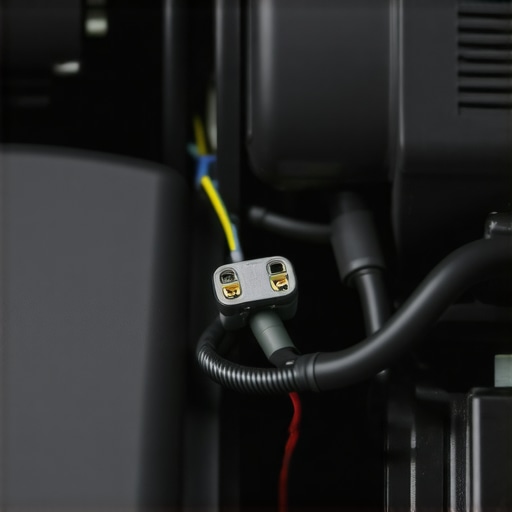
It was a chilly Saturday morning when I finally heard that unmistakable squeal of my brakes, right after a quick oil change. But this time, something felt off. My gas mileage, which had been reliably efficient, suddenly took a nosedive. After digging into the problem, I uncovered a tiny sensor—virtually invisible—that was silently sabotaging my fuel economy by a staggering 20 percent. That moment was a lightbulb flickering on in my mind: how many other drivers are unknowingly throwing cash out the window because of this small but troublesome component?
Why Your Car’s Smallest Sensor May Be Wasting Money
Imagine this: you’re cruising along, your engine runs smoothly, but your gas tank isn’t quite as full as it should be—yet you’re sure you’re driving efficiently. Turns out, there’s a tiny sensor, often less than a few millimeters, that continuously reports engine conditions to your car’s computer. If it malfunctions or misreports, your ECU (Engine Control Unit) thinks the engine needs richer fuel mixtures or other adjustments, resulting in higher fuel consumption.
In my case, I had just completed what I thought was a routine oil change, but I didn’t realize a miscommunication from this elusive sensor was sabotaging my savings. The cumulative effect? Over time, those small discrepancies can add up to hundreds of dollars lost each year. And it’s not just my experience—recent studies show that poor sensor performance can directly cause a 15-20% decrease in fuel efficiency, meaning you’re literally paying more at the pump for no reason. (For more insights, check out this detailed overview of engine sensors and their critical role.)
If you’re like me, you might be skeptical—surely, a tiny sensor can’t make that much of a difference, right? Well, I made a mistake early on by not diagnosing the sensor’s health properly, which led me down a confusing rabbit hole of unnecessary repairs. That’s why I want to share my journey: to help you identify and fix this issue before it drains your wallet.
Now, let’s look at how to pinpoint this sneaky culprit and get your fuel efficiency back on track. But first, ask yourself—have you noticed your car drinking more fuel lately without any obvious reason? If so, you’re not alone, and this guide is just what you need to turn things around.
Start with the Basics of Vehicle Diagnostics
My first move was to consult the vehicle’s onboard diagnostics (OBD-II) system, which acts like a doctor’s clipboard, revealing hidden info about your engine’s health. Using a reliable scanner, I plugged it into the port under the dashboard. This device pulled codes related to sensors, including the elusive one affecting fuel economy. Think of it as having a translator that converts engine noise into understandable language.
In my case, I retrieved a code pointing to the manifold absolute pressure sensor, a tiny but vital component. If you want to do this yourself, check out this detailed guide on reading vehicle diagnostics.
Locate and Examine the Sensor Physically
Next, I physically located the sensor, which sits snugly near the intake manifold. It’s often a small component with wires attached. Imagine it like a tiny microphone listening to your engine’s breathing—if it’s clogged or damaged, your engine gets the wrong signals. I carefully inspected for dirt, corrosion, or loose wiring. If you’re unsure, wiring diagrams for your vehicle model help pinpoint the exact position. For visual aid, this guide shows how to troubleshoot sensor wiring visually.
Remember, handling sensors gently prevents accidental damage, saving you a repair bill later.
Diagnose Sensor Operation with a Multimeter
With sensor in hand, I used a multimeter, akin to a health monitor for your engine’s nerves. I checked resistance and voltage output as the engine warmed up, following manufacturer specifications. A faulty sensor often shows inconsistent readings or values outside the ‘healthy’ range. If it’s dead or intermittent, replacing it is straightforward—much like swapping out a faulty lightbulb. For step-by-step instructions, see this troubleshooting tactic. It’s a quick test that can save you time and money.
Verify the Sensor’s Data in Live Monitoring
After installation, I used a live data tool—either a scanner app or dedicated device—to watch the sensor’s output in real-time. If the data flickered or stayed outside normal ranges, I knew the sensor was still suspect. Being able to see this flux directly empowers you to make informed decisions before driving off. Devices like Bluetooth OBD-II adapters make this easy, connecting to your smartphone. In my case, I observed that the sensor’s readings stabilized only after a thorough cleaning with electrical contact cleaner, which restored proper functionality. For a visual walkthrough, check this guide.
Perform a Test Drive with Data Logging
Finally, I took the car for a test drive, monitoring fuel consumption and sensor output live. Just as a doctor tests various body responses, I observed how the sensor performed under real driving conditions—accelerating, braking, idling. Noticing consistent data aligned with normal parameters confirmed the fix. If issues persist, consider further diagnostics or a professional check. Remember, troubleshooting these tiny sensors can dramatically improve your fuel economy and save you money over time.
Most People Miss the Nuances of Effective Brake Service
Everyone preaches replacing worn-out brake pads, but few understand the importance of inspecting the underlying brake rotors and calipers. A common misconception is that cheap pads save money, yet they often lead to premature rotor damage, escalating repair costs. An advanced mistake many overlook is assuming that brake squeal always indicates pad wear; sometimes, it signals piston misalignment or fluid issues lurking beneath the surface. Recognizing these nuances can prevent costly replacements down the line.
The Reality About Oil Changes That No One Tells You
Numerous drivers follow the 3,000-mile rule without considering modern synthetic oils, which can last up to 7,500 miles or more. This traditional mantra often results in unnecessary oil replacements and wastage. The real stealthy mistake? Neglecting to verify the oil’s condition and engine wear signs. Additionally, cheap filters may seem economical but can introduce contaminants, accelerating engine wear—a subtle but costly trap. Advanced diagnostics can help identify early signs of oil degradation before they escalate.
Decoding Auto Repair: Are You Falling for Common Pitfalls?
Most motorists think that all auto repairs are straightforward fixes, but that’s far from reality. An often-ignored pitfall is relying solely on check engine lights without understanding what triggered them. For example, a recurring warning related to sensor faults can mask underlying issues like carbon buildup or wiring corrosion. Moreover, assuming a part replacement fixes the problem might just be temporary; understanding root causes through detailed diagnostics ensures long-term reliability and saves money.
Why Advanced Diagnostics Matter More Than Ever
In the age of sophisticated vehicle systems, basic visual inspections and generic replacement parts often fall short. Modern cars come equipped with an array of sensors and electronic controls that require precise diagnostics. Ignoring these nuances can keep you in a costly cycle of guesswork repairs. For instance, failing to interpret live data from onboard systems or misreading fault codes can lead you to replace perfectly functional components unnecessarily. Embracing advanced, DIY diagnostics tools empowers you to identify issues accurately—saving time and avoiding the trap of unnecessary repairs. Want a deeper dive into ensuring your vehicle’s health? Check out this comprehensive guide.
What advanced diagnostic techniques can prevent costly auto repairs?
Using real-time data logging, sensor testing with multimeters, and understanding how to interpret error codes can make all the difference. Skilled technicians often reveal that many failures stem from simple miscommunications within your vehicle’s network, which can be diagnosed early with the right techniques. Embracing these practices demystifies the repair process and empowers DIY enthusiasts to tackle issues confidently. Have you ever fallen into this trap? Let me know in the comments.
Keep It Running: Tools I Rely On
Maintaining your vehicle’s performance over time requires precision tools that deliver accurate diagnostics and facilitate effective repairs. One indispensable device I personally trust is the OBD-II scanner. Unlike generic code readers, I prefer a high-quality model like the BlueDriver, which offers comprehensive live data and the ability to clear fault codes seamlessly. It’s invaluable for identifying issues early, such as sensor faults or misfires, before they escalate into costly repairs.
Alongside the scanner, I keep a digital multimeter on hand. I specifically use a Fluke multimeter because of its reliability and precision. It allows me to test sensor voltages, resistance, and continuity, ensuring components like the fuel sensors and ignition modules are functioning within spec.
Another crucial tool is a thermal imaging camera. I utilize this to quickly identify hotspots or inefficient cooling in components like the exhaust manifold or alternator, which can be early signs of impending failure. Investing in a FLIR thermal camera has saved me hours of guesswork and prevented breakdowns.
Investing in quality tools enhances not just diagnostics but also the efficiency of repairs, saving you money and time in the long run.
Leveraging Software to Maximize Results
Beyond physical tools, I heavily rely on diagnostic software like the OBD-II app synced to my scanner. These applications provide detailed insights, historical data, and the ability to monitor live sensor streams. For example, when troubleshooting poor fuel economy, real-time data allowed me to see sensor fluctuations that static code readings might miss.
Furthermore, I use vehicle-specific diagnostic software on a laptop for thorough troubleshooting. This approach granted me access to deeper system logs and calibration tools, which are often inaccessible to standard scanners. While some enthusiasts might consider it overkill, I find that investing in quality diagnostics software pays dividends in accuracy and saves money on unnecessary replacements.
How do I maintain diagnostic tools over time?
Regular calibration and updating the firmware of my diagnostic equipment ensure that I get accurate readings and reliable performance. Manufacturers often release updates that improve compatibility with newer vehicle models or fix bugs. I recommend setting a quarterly reminder to update your software and run calibration checks, especially if you’re working on multiple vehicle types. A well-maintained toolset remains a cornerstone of effective auto repair and diagnostics.
Future Trends in Vehicle Troubleshooting
As vehicles increasingly integrate advanced connectivity features, the diagnostic landscape is shifting toward AI-powered systems that can predict failures before symptoms appear. I predict that in the next few years, extensive vehicle health monitoring through over-the-air updates and real-time data analytics will become standard for DIYers and professionals alike. This evolution will make diagnostics faster and more precise—so staying updated with the latest tools and software will be essential.
Start by trying to update your current diagnostic app or firmware today. Keeping your tools in top shape ensures they are ready for whatever vehicle challenges come next, saving you time, money, and frustration in the long run.
Over the years, my experience taught me that the tiniest sensors in your vehicle can wield enormous influence over your car’s performance and your wallet. One of the hardest lessons I learned was how a seemingly insignificant sensor malfunction could silently chip away at your savings and compromise safety. Recognizing these subtle yet impactful issues requires a mix of patience, curiosity, and the right diagnostic approach, which can make all the difference in maintaining a reliable and efficient vehicle.
Lessons That Changed My Approach to Auto Care
- Don’t ignore small anomalies: A slight dip in fuel economy or unusual engine behavior often points to sensor faults that are not immediately obvious.
- Embrace comprehensive diagnostics: Relying solely on check engine lights can be a trap; diving into live data and sensor testing reveals the true health of your vehicle.
- Prioritize quality tools and knowledge: Investing in a good OBD-II scanner, multimeter, and staying updated with diagnostics software pays dividends in saving time and money.
- Learn the nuances of vehicle sensors: Understanding what normal sensor data looks like helps you spot anomalies early, preventing costly repairs.
- Stay curious and proactive: Regular inspections and diagnostics prevent small issues from escalating, ensuring your car remains safe and efficient.
Tools and Resources That Keep Me Ahead
- BlueDriver OBD-II Scanner: Its comprehensive live data and ease of use make it my go-to tool for quick diagnostics and understanding sensor health.
- Fluke Multimeter: Precision testing of sensors and wiring helps me identify faults before they cause bigger problems.
- Thermal Imaging Camera: Spotting hotspots or cooling issues early prevents component failures and saves money.
- Online Diagnostics Guides: Trusted resources like repair guides and community forums deepen my understanding and improve my troubleshooting skills.
Your Next Move: Stay Curious and Keep Learning
With the rapid evolution of vehicle technology, staying informed about how sensors influence your car’s behavior empowers you to diagnose issues confidently. The more you learn about these tiny but mighty components, the better equipped you’ll be to maintain your vehicle’s performance and longevity. Remember, small insights lead to big savings and safer drives. Ready to dive deeper into vehicle diagnostics? Share your experiences or questions below—let’s keep this conversation going!
Have you ever suspected a sensor issue but weren’t sure how to confirm it? Let me know in the comments!
,