
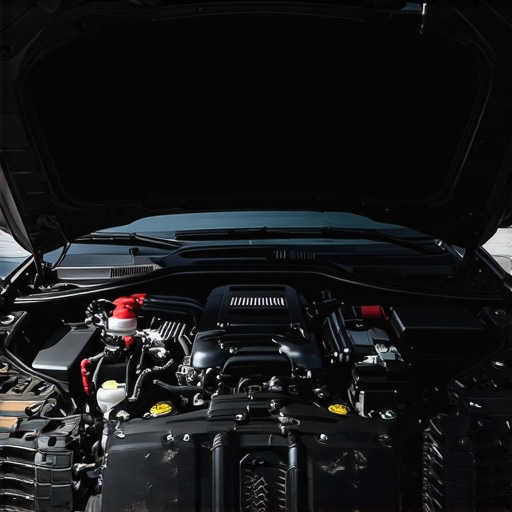
Ever had that sinking feeling during a routine oil change or auto repair, realizing your car’s transmission might be a ticking time bomb? A few years ago, I was confidently told by a mechanic that my vehicle’s transmission fluid was “lifetime,” meaning I wouldn’t need to think about it again. That sounded convenient—no more costly fluid changes, right? But soon after, I noticed shifting issues and wondered if I’d been misled.
That’s when I started digging into the real story behind lifetime transmission fluid. Today, I want to share what I found out—because this isn’t just about saving a few bucks at the shop. It’s about understanding your car’s health and avoiding costly repairs down the road.
Decoding the Myth of Lifetime Transmission Fluid
Is Lifetime Fluid a Total Game-Changer or Just a Tricky Marketing Gimmick?
When car manufacturers label transmission fluid as “lifetime,” it sounds like a miracle solution—no maintenance, no worries. But here’s the thing: that label can be misleading. Many experts argue that “lifetime” doesn’t mean forever; it often refers to the vehicle’s expected lifespan or a specific mileage, like 100,000 miles, after which fluid degradation can occur. Ignoring this could lead to gear slippage, overheating, or even transmission failure.
Early in my journey, I made the mistake of assuming I could neglect my transmission fluid altogether. That was a costly lesson. According to a study by the National Institute for Automotive Service Excellence (ASE), regular transmission fluid checks and replacements significantly extend the life of your transmission, saving you money and headaches. So, while the idea of “lifetime” might sound appealing, in practice, it means you should still keep an eye on your fluid’s condition.
If you’ve been told your transmission fluid is “lifetime,” ask yourself—have I actually checked it? Do I know the condition of the fluid sitting in my car? These questions are crucial because even the best fluids and sealed systems aren’t immune to wear and tear over time.
In the next section, I’ll walk you through what to look for and how to maintain your transmission health—because being proactive beats costly repairs every time. Curious if your car’s transmission might be hiding issues? You’re not alone. Many drivers face this uncertainty. Let’s clear the fog and get you the clarity you deserve.
Schedule Regular Inspection of Your Transmission Fluid
To prevent costly transmission issues, start performing routine checks, much like how you monitor your oil levels. Locate the transmission fluid dipstick, typically near the back of the engine bay, and ensure your car is on level ground. Pull out the dipstick, wipe it clean, dip it back in, and then check the level and color. If the fluid appears dark or smells burnt, it’s a sign you need a change. My first attempt involved checking it on a chilly morning; I found the fluid was low and discolored, which prompted me to plan a flush.
Learn the Signs of Fluid Degradation
Recognize When It’s Time for a Change
Pay attention to symptoms like delayed shifting, slipping gears, or unusual noises. These are akin to warning lights flashing on your dashboard, signaling that your transmission isn’t happy. I once felt a slight shudder during acceleration, prompting me to inspect the transmission fluid, revealing it was overdue for a replacement. This proactive step helped me avoid a more severe repair.
Flush and Replace Transmission Fluid
Replacing transmission fluid involves draining the old, degraded fluid and refilling with fresh, manufacturer-approved fluid. Like changing engine oil, it requires proper tools and procedures. For my vehicle, I used a drain pan and a pump to replace the fluid entirely, following instructions from the service manual. If you’re unsure, consider visiting a trusted mechanic—more info can be found at auto repair tips.
Use the Correct Transmission Fluid Type
Not all fluids are the same; each vehicle has specific requirements outlined in the owner’s manual. Using the wrong type can lead to poor lubrication or even damage. I confirmed my car’s requirements by checking the manual and purchasing the recommended fluid, avoiding generic options that could cause issues down the line.
Perform Road Tests After Maintenance
After replacing your transmission fluid, take the vehicle for a short drive to ensure smooth shifting. Observe for any irregularities like hesitations or whining sounds. This step is similar to a test drive after oil change; it helps confirm that your maintenance was successful.
Consult a Professional When in Doubt
If you’re unsure about any step, seek expert advice. Professionals can perform comprehensive diagnostics using advanced tools that spot issues beyond what basic checks can reveal. For instance, I contacted a trusted mechanic through this contact page when I suspected my transmission still wasn’t behaving right after the flush. Regular maintenance and awareness are your best defense against transmission failure—and a smoother, safer drive.Many drivers believe they understand basic auto maintenance, but several widespread myths can actually lead to costly mistakes. For example, the idea that all brake pads are the same or that you only need an oil change after a certain mileage can be dangerously incorrect. In my experience, one of the most common errors is assuming that a visual inspection reveals everything—when in fact, hidden issues require advanced diagnostics, like those outlined in vehicle diagnostics. A typical trap is neglecting the importance of quality parts; cheap replacements often wear out faster, causing more damage in the long run. Don’t fall prey to the myth that “if it looks fine, it’s fine”—especially with critical components like brake rotors or transmission parts. Moreover, many underestimate the significance of proper repair procedures. For example, forcing a warped rotor back into place without resurfacing or replacing it can compromise safety. Advanced technicians know that understanding the nuances—such as the specific tolerances and proper torque specifications—makes a big difference. Have you ever fallen into this trap? Let me know in the comments. For drivers aiming to extend their vehicle’s lifespan and maintain safety, reading top auto repair tips is invaluable. Remember, rushing repairs or using subpar parts might save money now but will cost you more later. Staying informed about what truly matters helps you avoid unnecessary expenses and keeps your car running smoothly.Maintaining your vehicle’s health over time requires not just knowledge but also the right set of tools and methods. Personally, I rely on a combination of advanced diagnostic software and quality manual tools to ensure every repair or inspection I perform is thorough and accurate. One of my go-to pieces of equipment is the OBD2 scanner, specifically the Bluedriver Bluetooth Diagnostic Scan Tool, because it seamlessly connects to my smartphone and provides real-time data on engine and transmission issues. This allows me to identify problems early before they escalate, saving time and money.
How do I maintain vehicle diagnostics over time?
Regularly updating your diagnostic software ensures compatibility with the latest vehicle models and systems. I make it a point to connect my scanner after each oil change or repair, verifying that no new codes have appeared and that system parameters are within normal ranges. Additionally, investing in a trustworthy multimeter, like the Fluke 117, helps me troubleshoot electrical issues accurately — crucial when dealing with sensors or modules that can cause erratic behavior.
Another essential tool I use is a brake caliper piston compression tool, which allows me to replace brake pads properly without damaging components. This precision saves me from costly calls to professionals and enables me to perform maintenance on my schedule. For long-term results, I emphasize routine checks of key systems—like brake fluid, coolant levels, and transmission fluid—using professional-grade refractometers and fluid testers, which I calibrate periodically for accuracy.
Where do I see vehicle maintenance heading in the future?
With the advent of vehicle electrification and autonomous systems, diagnostic tools will become even more sophisticated, integrating AI-driven analytics to predict failures more accurately. I predict that in the coming years, DIY enthusiasts and technicians alike will depend heavily on cloud-connected diagnostic platforms that aggregate data across multiple vehicles, providing predictive insights and recommended actions. Staying ahead means investing in these emerging technologies now, which can be as simple as subscribing to a fleet diagnostics service or learning to interpret OBD2 data more effectively.
For those looking to elevate their vehicle maintenance game, I recommend trying an advanced diagnostic approach: routinely connecting your OBD2 scanner after every major service. It’s a small step that can prevent larger issues and extend your vehicle’s lifespan. Don’t forget, unlocking the full potential of these tools often requires understanding the underlying data—be sure to reference detailed guides like decoding vehicle diagnostics for deeper insights. Equip yourself with the right tools, stay informed, and your car will reward you with years of reliable service.
What I Wish I Knew Sooner About Transmission Maintenance
One of the most eye-opening lessons I learned was that the term “lifetime” transmission fluid is more marketing than a guarantee. It made me complacent, but later I realized that even sealed systems and high-quality fluids degrade over time. The biggest lightbulb moment was understanding that regular checks and replacements are essential—even if your car claims “lifetime” fluid—because a small investment now saves huge repair costs later.
Tools and Resources That Changed My Approach
Investing in reliable diagnostic tools like the vehicle diagnostics guide and a good OBD2 scanner transformed how I maintain my vehicle. These tools offer insights beyond what a quick visual check can reveal, helping me spot issues early. Pairing this with quality fluids recommended by professionals ensures longevity and performance. A sturdy multimeter and specialized tools for brake and fluid work are worth every penny, making DIY maintenance more achievable and reliable.
Driving with Confidence While Staying Proactive
My journey taught me that proactive maintenance—checking fluid conditions, listening for unusual noises, and conducting road tests after repairs—makes a tangible difference. This approach not only extends the lifespan of parts but also provides peace of mind. Staying informed through reputable sources and prioritizing quality over cost has saved me from unforeseen breakdowns and costly repairs. Remember, your car is a complex machine, and a little due diligence now keeps you on the road longer and safer.