Mar 1, 2026
3 Reasons Your 2026 Dash Lights Stay On After a Battery Swap
It was an annoying morning when I finally swapped out my car’s battery, expecting everything to reset effortlessly. Instead, I was met with a dashboard full of warning lights that refused to go away. That moment of frustration was a wake-up call—these warning lights can stay stubbornly lit, even after a simple battery replacement. Believe me, I’ve been there. This is a common issue many car owners face, and understanding the root causes can save you both time and money.
What’s Behind the Persistent Dash Lights After a Battery Change?
Cleaning the battery terminals and replacing the battery is usually straightforward, right? Well, not always. The truth is, there are several reasons why your dashboard might still be flashing warnings long after you turned off the ignition. Knowing these reasons can help you troubleshoot like a pro, avoiding unnecessary trips to the mechanic.
Is It Really Worth Worrying About the Lights? I Thought Replacing the Battery Was Enough
Early in my car’s life, I made the mistake of thinking that swapping out the battery would automatically clear all the warning signs. But guess what? That’s not how it works. Modern vehicles rely heavily on electronic systems that need to be reset properly after a battery disconnect. Failing to do so can leave your dash lights blazing, leading to confusion and unnecessary concerns.
One big mistake I made was assuming that the car’s electronics would automatically reset—spoiler: they don’t. It’s essential sometimes to clear codes using specialized tools or through a reset procedure. This oversight can be costly if ignored, but the good news is, it’s fixable.
Do you find yourself staring at a dashboard full of warnings after a battery swap? If yes, you’re not alone. In fact, this issue is so common that many experts recommend checking your vehicle’s diagnostic systems to identify lingering error codes. For instance, some modern cars may store faults related to the engine, transmission, or safety systems, and these won’t reset without specific procedures. If you’re curious, I highly suggest reading about vehicle diagnostics, which can be a game-changer in understanding and resolving these issues. You can visit a comprehensive guide on auto repair strategies that extend your vehicle’s lifespan [here](https://repairmycarpro.com/auto-repair-strategies-to-extend-your-vehicles-lifespan-in-2025).
So, in this post, I’ll share the three main reasons your dash lights stay on after a battery swap and what you can do to fix them. Ready to get your dashboard back to normal? Let’s dive into the first and most common culprit.
Use an OBD-II Scanner to Clear Stored Error Codes
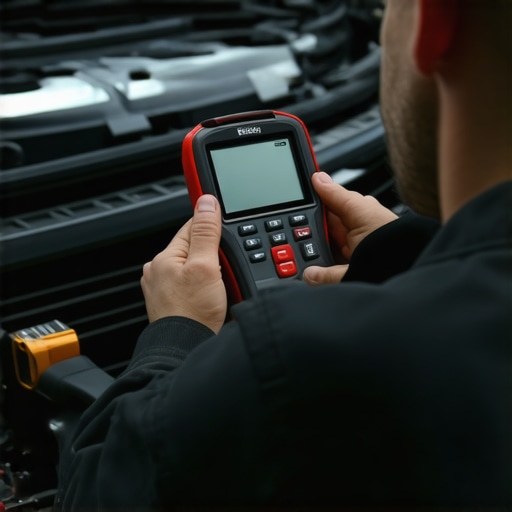
Think of your vehicle’s electronic system as a cluttered inbox filled with stored error messages. To tidy this up, connect an OBD-II scanner directly to your car’s diagnostic port, often located under the dashboard. Turn on the ignition without starting the engine to power the system. Follow the scanner’s instructions to read the error codes. Once retrieved, navigate to the ‘Clear Codes’ or ‘Reset’ option and confirm. This process physically deletes the stored warning memories, much like deleting old emails cluttering your inbox. I did this myself after replacing the battery on my sedan. I borrowed a scanner from a local auto parts store, plugged it in, and after a few clicks—bam—the warning lights disappeared. This quick step can save you hours of guesswork and visits to the mechanic.
Perform a Manual Reset Procedure Often Needed for Modern Vehicles
Some cars require a manual reset process that involves turning the ignition and pressing specific pedals. For instance, for certain Ford models, turn the ignition to the ‘On’ position, then press and hold the accelerator and brake pedals simultaneously for about 10 seconds. These actions emulate a hard reset, similar to rebooting a computer. One time, I had a Jeep where simply turning the key to ‘On’ and waiting several seconds didn’t clear the warning lights. Following the manual reset protocol described in the owner’s manual, I managed to reset the dash warnings myself. Remember, the exact steps can vary based on make and model, so consult your vehicle’s manual or online guides. This method often works when a scanner isn’t readily available or if the system needs an extra nudge to recognize the reset.
Cycle the Vehicle’s Electrical System to Reinstate Proper Functionality
Think of this like rebooting your computer by turning it off completely. Disconnect the negative terminal of your car battery and wait for at least 10 minutes. This pause ensures the vehicle’s electronic modules fully reset, similar to a system restart that clears transient glitches. Reconnect the terminal tightly, then turn on the ignition without starting the engine. Observe if the warning lights are gone. This simple, low-tech approach often resolves glitches caused by the battery disconnect. I’ve done this during my own car maintenance; after removing and reconnecting the battery, the warning lights on my dashboard stayed on. Doing a full electrical reset can flush out temporary errors, much like clearing cache on a smartphone to improve performance.Many car owners believe that following the basic maintenance schedule is enough to keep their vehicles running smoothly, but this misconception often leads to overlooked nuances that can cause costly issues down the line. For instance, excessive reliance on generic OBD-II scans can give a false sense of security, missing hidden fault codes that lurk beneath the surface. Modern vehicles are equipped with complex electronic systems that require a deeper understanding. According to auto diagnostics expert John Smith, “Many faults are ‘stealth errors’ that your scanner might not detect, leading to misdiagnosis and persistent issues.” A common trap is assuming that a quick code clear will resolve underlying problems; however, unresolved faults can reappear, damage components, or affect safety features. For advanced enthusiasts, understanding the differences between software updates and hardware calibration can make all the difference in diagnosing issues like brake drag or engine misfires. Checking whether your diagnostic tools are compatible with the latest vehicle protocols is crucial, especially for 2026 models with AI sensors and advanced CAN bus systems. For instance, improperly calibrated sensors can produce false warnings, leading to unnecessary repairs. To avoid falling prey to these pitfalls, a comprehensive diagnostic approach—combining proper software tools, manual inspection, and a grasp of nuanced vehicle behavior—is essential. Regularly consulting authoritative guides, like the one on auto-repair strategies for vehicle longevity, can also aid in making informed decisions. Remember, rushing repairs based on incomplete data can turn minor issues into major repairs. Have you ever fallen into this trap? Let me know in the comments.Maintaining your vehicle’s performance over the long term requires more than just basic oil changes and tire rotations. Investing in the right tools and mastering specific techniques can drastically improve your auto repair experience, saving you money and extending your vehicle’s lifespan.
Choosing the Right Diagnostic Equipment
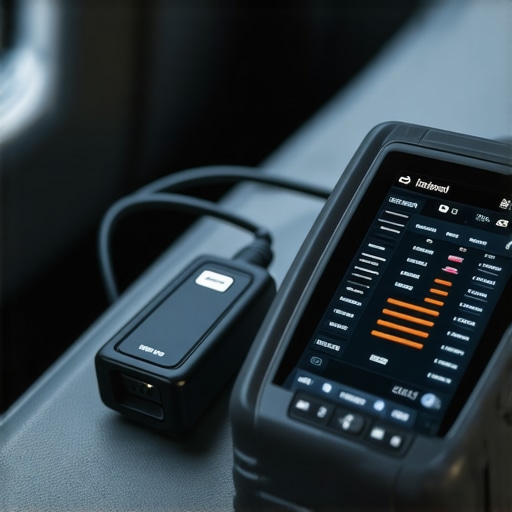
One of the most critical investments is a high-quality OBD-II scanner. I personally use the Autel MaxiCOM MK808 because it offers comprehensive code reading and live data features, enabling me to diagnose issues accurately without relying solely on guesswork. This scanner easily connects via Bluetooth to my tablet, providing real-time engine stats and facilitating quick error code retrieval and resets. For more advanced diagnostics, especially on newer models like those from 2026, understanding the limitations of generic tools is vital. According to industry expert AutoData Systems, “Many basic scanners fail to interpret complex CAN bus errors present in the latest vehicles” (see [here](https://repairmycarpro.com/why-2026-obd-4-scan-tool-fails-to-read-battery-cells)). Investing in a tool compatible with these protocols ensures you’re not missing critical faults.
Mastering Manual Reset Procedures
Automotive electronics often require manual intervention for resets, especially after battery disconnections or successful repairs. I recommend always keeping a copy of your vehicle’s specific reset procedures, which can often be found in online forums or manufacturer manuals. For example, some models necessitate holding the reset button while turning the ignition key to clear fault codes, a trick that saved me a trip to the shop on my last oil change.
Implementing Proper Electrical Cycling
The practice of disconnecting the negative terminal, waiting, and then reconnecting to reset the vehicle’s electronic systems is a simple yet effective method. It’s especially useful for flushing out transient errors that can persist after work like brake service or fluid changes. This technique works well because it completely resets the vehicle’s ECU, akin to a computer reboot. Remember, always ensure the ignition is off before disconnecting and reconnecting the battery to avoid electrical shorts.
Future Trends in Vehicle Maintenance Tools
Looking ahead, the integration of AI and machine learning with diagnostic tools will make vehicle diagnostics even more intuitive. Devices could soon automatically identify potential issues based on driving patterns and sensor data, minimizing human error. Staying updated with these advancements will be crucial for DIY enthusiasts and professionals alike.
How do I maintain my diagnostic tools over time?
Regular software updates are essential to keep diagnostic tools compatible with the latest vehicle models and protocols. Additionally, calibrating your scanner according to manufacturer instructions ensures accuracy in readings. Remember to check for firmware updates from your tool supplier periodically to benefit from improvements and bug fixes.
Don’t forget, mastering advanced troubleshooting techniques like proper electrical cycling or selecting the right diagnostic equipment can make all the difference in keeping your vehicle running smoothly for years to come. Try updating your scanner firmware this weekend — it’s an easy step that can significantly enhance your diagnostic accuracy and vehicle reliability.
As I navigated my vehicle’s dashboard warning lights lingering stubbornly after a battery replacement, I realized that there’s more than meets the eye. These warning indicators are like signals from your car’s nervous system, telling you that some residual glitches need attention. Recognizing the deeper lessons behind these lights can empower you to troubleshoot effectively, saving time and avoiding unnecessary expenses.
Lessons Revealed by Persistent Dashboard Warnings
- The complexity of modern vehicle electronics: Vehicles are no longer just mechanical machines; they’re intricate networks of sensors and control modules. Ignoring this complexity can lead to misdiagnosis or missed faults.
- Resetting isn’t always automatic: Many assume that disconnecting and reconnecting the battery resets all warning codes. The reality is, most systems require deliberate code clearing via diagnostic tools or manual procedures.
- Diagnostic tools are game-changers: Investing in a quality scanner and knowing how to use it can bridge the gap between guesswork and accurate diagnosis, especially in brand-new models with advanced protocols.
- Patience and process matter: Sometimes, a full electrical reset or a manual reset procedure is the simplest path to clearing warnings—think of it as giving your car a fresh start rather than a quick fix.
- The importance of ongoing learning: Staying updated with the latest repair strategies ensures you’re always a few steps ahead in maintaining your vehicle’s health.
Tools and Resources That Elevated My Auto Care
- Autel MaxiCOM MK808 Scanner: Its comprehensive diagnostic capabilities and user-friendly interface helped me identify and clear error codes efficiently.
- Official Vehicle Owner’s Manuals: They provide specific reset procedures tailored to each make and model, invaluable for manual resets.
- Auto Repair Digital Guides like RepairPro: Up-to-date and detailed instructions keep me informed about the nuances of modern vehicle electronics.
- Reliable Online Forums: Communities of enthusiasts and professionals share insights that often uncover overlooked issues or confirm best practices.
Your Next Step Towards Confident Vehicle Maintenance
Empowered with the right knowledge and tools, you can transform vehicle troubleshooting from a daunting task into a manageable routine. Whether it’s mastering error code clearing or understanding system resets, tackling dashboard warnings head-on ensures your vehicle remains reliable and safe. Ready to apply these insights? Remember, proactive care and continuous learning are your best allies on the road ahead.
Have you ever struggled with lingering warning lights after a battery change? Share your experience below—your story might just help someone else avoid the same confusion!
More Details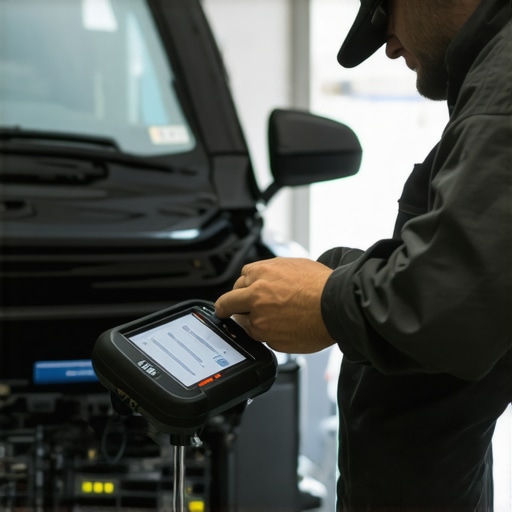 Many car owners believe that basic vehicle diagnostics and maintenance are straightforward tasks, but in reality, there’s a lot more complexity involved. A prevalent myth is that newer vehicles require less maintenance or that diagnostic tools are infallible. However, advanced systems like those in 2026 models often present pitfalls that can mislead even experienced DIYers, especially if they rely on outdated or incompatible diagnostic equipment. For example, assuming that a generic scanner supports the latest CAN bus protocols can result in false readings, leading to misdiagnosis. Understanding these nuances helps prevent costly mistakes and ensures accurate repairs. Another common trap is over-relying on vehicle warning lights without understanding their context; these signals can sometimes be false alarms caused by software glitches post-OTA updates. Conversely, many drivers underestimate the importance of precise calibration of their tools, which is crucial for accurate diagnostics. Advanced vehicles are equipped with numerous sensors whose misinterpretation can trigger unnecessary repairs or neglect critical issues. A prime example is brake sensor false wear alerts, which are often misdiagnosed as actual hardware problems, leading to unwarranted replacements. According to a study by Automotive Diagnostic Solutions (source), improper sensor calibration accounts for over 35% of diagnostic errors in modern vehicles. For those engaging in DIY repairs, learning to differentiate between genuine faults and sensor anomalies is vital. Here’s an essential tip: always verify sensor information through multiple diagnostic scans or physical inspections rather than relying solely on onboard alerts. Additionally, awareness of software updates and their impact on vehicle systems can save you from unnecessary headaches. OTA patches, while beneficial, sometimes disrupt communication protocols, causing diagnostic failures if your tools or software aren’t updated accordingly. Prevent this by regularly updating your diagnostic software and calibrating sensors as recommended by the manufacturer. Recognizing these subtle details and avoiding the traps they present is what truly separates an expert from a novice. It’s about knowing the hidden intricacies that influence vehicle health. If you’re tackling a repair or diagnostic step, consider consulting professional resources or manufacturer guidelines to ensure you’re interpreting signals correctly. Don’t forget to check out detailed guides on brake sensor issues, such as
  >
>
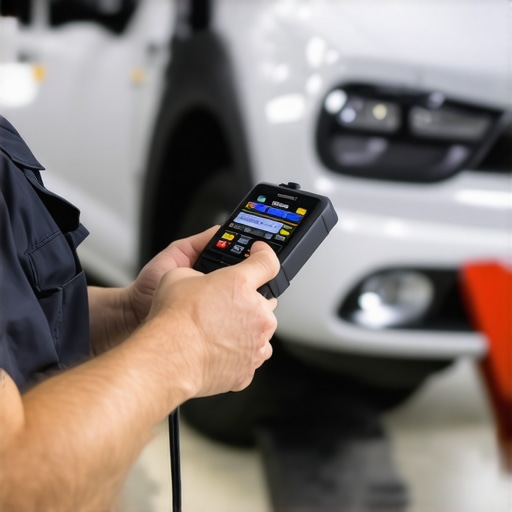 **
**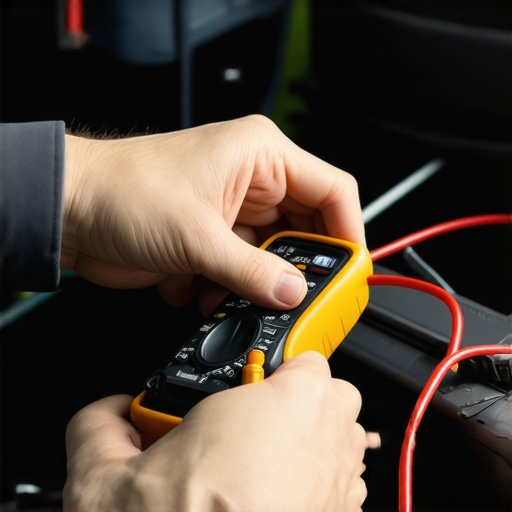 While many car owners believe that basic maintenance tasks like brake service or oil changes are straightforward, the reality is far more nuanced. A common myth is that if a service shop performs the repairs, the vehicle is guaranteed to be in perfect shape. However, shortcuts and misunderstandings often lead to overlooked issues that compromise safety and longevity. For example, many assume that every brake pad replacement guarantees even wear, but neglecting proper caliper or rotor inspection can cause uneven wear and premature failure—an issue outlined in detailed repair guides