

There was that morning I turned the key, expecting my usual smooth start. Instead, my engine hesitated, sputtered, and almost refused to fire up. I remember feeling that sinking feeling — you’d think a little cheap part wouldn’t cause so much trouble, right? That moment was a lightbulb going off in my head about how cutting corners on critical components can backfire spectacularly. And let me tell you, when it comes to ignition coils, some bargains cost more than just a few bucks — they end up draining your fuel tank.
The Hidden Cost of Going Cheap on Ignition Coils
As I started researching, I uncovered a startling fact: a faulty ignition coil can reduce your fuel efficiency by up to 15%. That means those few dollars saved on a cheap replacement quickly add up at the pump. You might think you’re saving money initially, but over time, poor ignition performance leads to incomplete burns, increased emissions, and, unsurprisingly, higher fuel costs. From personal experience, I realized that my decision to go for the least expensive coil was a penny-wise, pound-foolish mistake. The engine misfires, the check engine light flickers on, and suddenly, my fuel economy is tanking — all because of that one cheap component.
Is Saving a Few Bucks Worth the Fuel Drain?
Early on, I made a common mistake: trusting the bargain bin parts without doing proper diagnostics. I thought, “It’s just an ignition coil, how bad can it be?” Well, it turns out, quite bad. Modern vehicles are sensitive; even minor misfires can ripple into major efficiency issues. Moreover, cheap coils often lack durability, leading to further problems down the line. Before you decide to skimp on parts, ask yourself: are you really saving money, or just delaying inevitable repairs? For more on how to identify ignition issues early, check out this guide on ignition coil failure signs.
Now, I want to help you avoid my mistake. In the next sections, we’ll explore how high-quality ignition coils can actually save you money and keep your engine running smoothly. Don’t worry — it’s simpler than you think to choose wisely and avoid costly fuel waste.
Perform a Visual Inspection of the Ignition Coil
Start by locating the ignition coil, usually found on top of the engine or near the spark plugs. Turn off the engine and disconnect the battery to avoid electrical shocks. Inspect the coil for cracks, carbon tracking, or oil leaks, which indicate damage. For example, I once spotted a cracked coil after a rough winter, which was causing misfires. Replacing a visibly damaged coil prevents further engine issues and saves fuel.
Use a Multimeter to Test Resistance
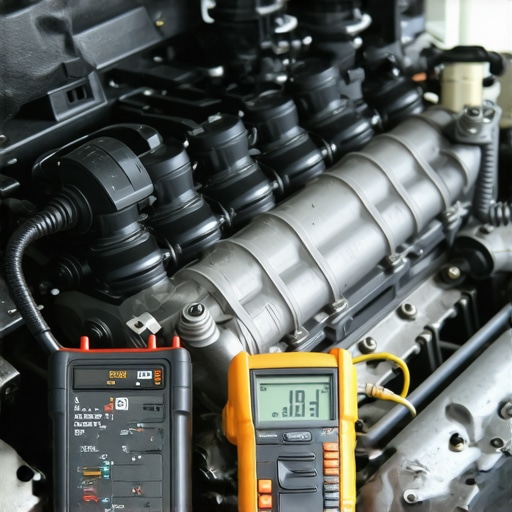
Set your multimeter to measure ohms and connect its leads to the coil terminals. Compare the readings to your vehicle’s specifications, which can usually be found in the service manual or online. A reading out of range suggests the coil is faulty. I remember using this method on my old car, and it uncovered a coil that was barely within limits, prompting me to replace it before it caused engine stalling. Proper testing ensures you’re not wasting money on unnecessary replacements.
Check for Any Fault Codes
Use an OBD-II scanner to identify trouble codes related to ignition, such as P0351–P0362. These codes point directly to specific coils or wiring issues. When my check engine light lit up, retrieving the codes made diagnosing easier and faster. If you’re unfamiliar with scanning, [this guide on vehicle diagnostics hacks](https://repairmycarpro.com/3-vehicle-diagnostics-hacks-for-2026-tpms-sensor-errors-2) can help you get started.
Test Spark Plug and Spark Plug Wires
Remove the spark plug connected to the suspect coil. Use a spark tester or a spare spark plug to check for consistent spark. Weak or absent sparks indicate coil failure. I once tested my spark plug this way, which revealed that a faulty coil was the culprit. Ensuring the spark plug is firing properly confirms whether the coil is delivering the necessary voltage.
Perform a Coil Replacement with Quality Parts
Provision a high-quality ignition coil from a reputable brand. During replacement, avoid over-tightening bolts to prevent damage. If the coil sits excessively loose, it may cause misfires. When I replaced my coil, I followed the torque specifications precisely, which resulted in a stable connection and improved engine smoothness. This action prevents future problems and enhances fuel efficiency.
Test Drive and Monitor Engine Performance
After installing the new coil, start the engine and listen for smooth operation. Use an OBD-II scanner to check for any residual error codes. A consistent engine idle and proper acceleration indicate successful repair. Remember, sometimes the issue is missed if you don’t give the engine time to adjust, so take your time. This step confirms that your repair has restored optimal ignition performance, saving you money on fuel and repairs.
For persistent issues or ambiguous results, consider professional diagnostics. But mastering these steps empowers you to handle most ignition coil problems firsthand, much like how I tackled my engine hesitation — with clear actions and a bit of patience.
Many car enthusiasts and everyday drivers believe they have a solid grasp on routine services like brake work, oil changes, or vehicle diagnostics. However, beneath these common practices lie subtle nuances that can significantly influence your vehicle’s longevity and performance. One widespread misconception is that all brake pad replacements or diagnostics are universally straightforward, but in reality, the devil is in the details.
For example, many assume that a squealing brake only needs new pads, but often, the real culprit is a stuck caliper or uneven rotor wear—issues that can be missed without a comprehensive inspection. Rushing into simple fixes without checking related components can lead to costly repairs later. This is especially true for complex systems such as brake-by-wire or advanced hybrid braking systems, where a superficial diagnosis might overlook underlying electronic faults that standard mechanic tools might not detect.
Another common mistake concerns oil changes. The popular belief is that changing oil every 3,000 miles is universally necessary. However, according to automotive experts, synthetic oils can often extend intervals up to 7,500 or even 10,000 miles, provided the vehicle is in good condition. Nevertheless, many drivers still follow the outdated 3,000-mile rule, risking unnecessary oil consumption and waste, especially if the oil turns black within just a few hundred miles of a recent change—a sign that the oil life monitoring system is ignoring the vehicle’s actual needs. Want to understand why your synthetic oil might turn black so quickly? This guide explains the science behind it.
Now, for diagnostics, many believe that plugging in an OBD-II scanner provides all the answers. While these tools are valuable, they often fail to reveal the root causes if you rely solely on generic codes. Advanced diagnostics require understanding how to interpret sensor ghosting, electrical noise, or intermittent signals that can easily be dismissed by standard scans. For instance, a faulty TPMS sensor might not trigger a warning until certain conditions are met, but that doesn’t mean it’s functioning correctly. This article offers hacks to dig deeper into vehicle data.
Are You Overlooking the Complexities Behind Your Car’s Warning Lights?
Many drivers see the check engine light or ABS warning and assume a quick fix is sufficient, but understanding the nuance is vital. An illuminated warning can stem from simple sensor failures or complex electronic module issues. For example, a sticking brake caliper isn’t just a mechanical problem; it can trigger electronic sensors that require specialized knowledge to interpret. Missing this nuance often leads to unnecessary part replacements or neglecting the real issue, which could compromise safety or cause long-term damage.
Let’s not forget that the automotive industry constantly advances, integrating more electronics and sensors. According to automotive systems expert Dr. Barbara McGraw, modern vehicles are “becoming more like computers on wheels,” requiring diagnostics that go beyond the basic code reader. Failing to recognize these nuances can cost you both in repairs and safety. Want to master vehicle diagnostics? This read on subtle diagnostics tricks might help.
Have you ever fallen into this trap? Let me know in the comments and share your experience. Remember, the key to effective auto maintenance isn’t just about routine actions but understanding the hidden nuances that can make all the difference in keeping your vehicle reliable and safe.
Investing in the Right Equipment Boosts Longevity
Maintaining your vehicle’s performance over time hinges on using precise, reliable tools. I personally swear by a high-quality scan tool like the Autel MaxiCOM MK808, which provides comprehensive diagnostics—far beyond generic code readers. This device helps me quickly identify tricky issues such as sensor ghosting or intermittent signals that standard scanners often miss. For example, troubleshooting a persistent TPMS error becomes straightforward with the right software, preventing unnecessary replacements and saving money. As automotive electronics advance, possessing an up-to-date diagnostic toolkit ensures you’re prepared for increasingly complex systems.
Why a Good Multimeter Is Non-Negotiable
While many leverage basic multimeters, I recommend investing in a Fluke 117 for its accuracy and durability. This allows precise testing of resistance in ignition coils, sensors, and wiring harnesses, ensuring you don’t replace parts unnecessarily. For instance, testing ignition coil resistance with a reliable multimeter can validate whether a coil is truly faulty—saving both time and funds. As vehicle systems become more sophisticated, having a trustworthy multimeter is vital for accurate diagnostics on long-term projects.
Embracing Preventive Maintenance with Software
Aside from hardware tools, software plays a crucial role. I use OEM-specific diagnostic platforms like ODIS for Volkswagen or ISTA for BMW to access detailed service data—critical when planning maintenance or diagnosing intermittent faults. These platforms often reveal hidden error histories or sensor readiness statuses, guiding precise interventions. Keeping software updated ensures compatibility with the latest vehicle models, extending your ability to perform effective long-term maintenance without costly dealership visits.
Continuing Education and Trend Forecasting
Staying ahead involves continuous learning. Online courses from platforms like Udemy or manufacturer training modules deepen your understanding of evolving vehicle systems. I foresee diagnostic tools integrating AI-driven insights, predicting failures before they occur—a game-changer for DIYers and professionals alike. Early adoption of such tech could redefine maintenance routines, reducing breakdowns and service costs significantly. Consider exploring advanced vehicle diagnostics tactics, like those discussed in this resource, to sharpen your skills further.
How Do I Maintain Diagnostic Equipment to Last?
Proper care extends the life of your tools. Regularly calibrate your multimeter, keep software updated, and store your devices in protective cases. This ensures accuracy and readiness when issues arise—crucial for maintaining your vehicle’s health over the years. Embrace these habits, and you’ll find diagnosing and fixing problems becomes faster and more reliable, ultimately increasing your vehicle’s long-term performance and savings. For example, ensuring that your diagnostic tools are calibrated prevents misdiagnoses that could lead to unnecessary part replacements. A simple yet effective tip is to set a recurring reminder for software updates—keeping your tools at peak performance.
If you haven’t already, try updating your diagnostic software or calibrating your multimeter today. These small steps can transform your maintenance routine into a more predictable, cost-effective process, safeguarding your vehicle’s future.
Lessons That Changed How I See Auto Repair
- One of the toughest lessons was realizing that quick fixes often mask bigger problems, costing more down the line. Skipping professional diagnostics can lead to costly misdiagnoses, especially with complex systems like modern brake-by-wire setups. Now, I always investigate beyond the obvious, ensuring I get to the root cause rather than just the symptoms.
- Understanding which tools truly matter has been a revelation. Investing in a quality scan tool like the Autel MaxiCOM MK808 has saved me from unnecessary replacements and given me confidence to tackle tricky diagnostics myself. The right equipment not only saves money but elevates your repair game to a professional level.
- Patience and education are my best friends. Learning about the nuances of synthetic oil, for example, helps me determine proper change intervals—avoiding the trap of unnecessary oil changes that waste money and resources. Continuous learning keeps me ahead, turning automotive challenges into manageable tasks.
- Realizing that vehicle electronics are becoming more sophisticated has shifted my approach. Relying solely on generic code readers is a mistake; embracing advanced diagnostics and understanding sensor ghosting or intermittent signals prevents costly mistakes and keeps vehicles running smoothly.
Tools and Resources That Elevate Your DIY Skills
- Autel MaxiCOM MK808: An all-in-one scan tool that reveals hidden issues and provides comprehensive diagnostics. I trust it because it adapts to the latest vehicle models, giving me confidence during repairs.
- Fluke 117 Multimeter: Accuracy and durability make this multimeter indispensable. It ensures resistance tests on ignition coils and sensors are precise, preventing unnecessary part replacements.
- OEM Diagnostic Platforms: Platforms like ODIS or ISTA unlock advanced system data. They’re my go-to for troubleshooting complex issues like hybrid brake controls or electronic modules, saving me time and money.
- Educational Resources: Websites like repairmycarpro.com offer invaluable tips and step-by-step guides, especially on tricky diagnostics like TPMS errors or oil leak detection. Learning from experienced enthusiasts accelerates my proficiency and confidence.
Your Next Step to Better Auto Care
Transforming your approach to brake service, oil changes, or vehicle diagnostics isn’t just about tools or knowledge—it’s about adopting a mindset of continuous improvement. The more you learn and invest in the right resources, the more confident and cost-effective your vehicle maintenance becomes. Remember, every step you take towards understanding your car better adds up to significant savings and a safer ride. Start today, embrace the learning curve, and watch your vehicle’s performance and longevity soar.
What’s the most surprising thing you’ve learned about DIY auto repair? Share your story below and inspire others to take control of their vehicle maintenance journey.