
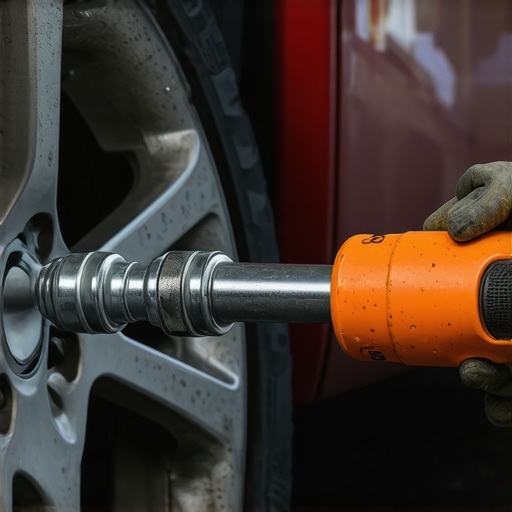
I’ll never forget the time I nearly stripped a lug nut because I thought a torque wrench was the universal answer to all tire-related tasks. It was a sunny Saturday morning, and I was eager to get my tires swapped out before the rain arrived. I grabbed my trusty torque wrench, set it to the recommended torque, and started loosening the nuts. But to my surprise, instead of turning smoothly, some nuts refused to budge, and one even chipped. That lightbulb moment made me realize I was applying the wrong tool for a simple job.
The Real Reason Why Torque Wrenches Are NOT For Loosening Lug Nuts
Torque wrenches are precision instruments designed to apply a specific amount of force during tightening, ensuring your car’s components are neither too loose nor too tight. However, using them to loosen lug nuts is a recipe for disaster. The problem is, when you try to loosen lug nuts with a torque wrench, you’re often applying force in a way it’s not meant to handle. This can lead to stripping, damaging the lug nut or the wheel stud, and even harming the tool itself. Instead, I recommend a different approach that saves your parts and keeps your vehicle safe.
Could this be your next DIY failure?
I’ve seen countless auto enthusiasts make the same mistake early in their repairs. My own inexperienced use of a torque wrench to loosen stubborn lug nuts left me with a damaged wheel assembly. Don’t become another story of preventable damage. Instead, let me share how to do it right, based on years of hands-on experience and advice from auto repair experts.
Before diving into the practical steps, consider how this simple switch can save you money and avoid breakdowns. Properly removing lug nuts prevents stripped threads and costly repairs later. For more on vehicle upkeep, check out decoding vehicle diagnostics or reach out at our contact page for personalized advice.
As we move forward, I’ll guide you through the safest, most effective way to remove stubborn lug nuts without risking damage or injury, turning a frustrating job into a quick, smooth task.
Apply Penetrating Oil for Tough Lug Nuts
Start by spraying a generous amount of penetrating oil, like WD-40, around the lug nut threads. Let it sit for at least 10 minutes, especially if the nuts haven’t been removed in a while. Think of this as loosening a rusty bolt with lubricant—it’s your best bet to reduce resistance without risking damage. I once waited a bit too long to spray, and when I finally tried to loosen the nut, it still resisted, but the oil softened the corrosion enough to turn smoothly with minimal effort.
Use a Breaker Bar for Extra Leverage
Choose the Right Tool
Replace your standard ratchet with a breaker bar—it’s a long, sturdy handle that offers increased torque. For example, I once used a long metal pipe slipped over my ratchet handle to extend my leverage, which made loosening stubborn lug nuts much easier without applying excessive force. Imagine turning a stubborn bolt like cracking open a jar with a tool designed to twist harder—it’s safer and more effective.
Proper Positioning Matters
Position yourself so that your body is directly over the breaker bar, keeping the handle aligned with the nut. This ensures maximum force transfer and reduces the chance of slipping or injury. Remember, applying force in line with the nut’s axis is like opening a stubborn jar—your body weight and proper stance make all the difference.
Tap the Lug Nut to Loosen
With a rubber mallet or a suitable hammer, gently tap the side of the lug nut after applying penetrating oil. This vibration can help break the rust or dirt that’s locking the nut in place. I recall tapping a stubborn lug with a hammer, and hearing a satisfying ‘pop’ as it finally turned loose—sometimes, a gentle tap saves hours of struggle.
Utilize Proper Technique When Applying Force
Always turn counter-clockwise to loosen, and apply slow, steady pressure rather than sudden jerks. Sudden force can strip the nut or damage the threads. This method is like unscrewing a tight lid: controlled, consistent effort works better than brute force. When I tried quick, forceful yanks, I almost damaged the lug nut and had to buy replacements—lessons learned from experience.
Leveraging Additional Tools for Automation
Handheld Impact Wrenches Are Useful
If you have access to an impact wrench, it can make quick work of stubborn lug nuts. These tools deliver high torque with minimal effort but should be used cautiously to avoid over-tightening when replacing the nuts. I used a cordless impact wrench once—be sure not to use excessive torque to prevent damaging the wheel or studs. For more safety tips on using power tools in auto repair, see this guide.
Consider the Role of Proper Tools
Invest in a quality socket set that fits the lug nuts precisely to prevent slipping and rounding off corners. Using the right socket size is like fitting a key into a lock—it ensures smooth operation.
Know When to Seek Professional Help
If all attempts fail, avoid forcing the lug nut beyond its limits, as this can cause irreversible damage. Sometimes, specialized tools like a stud extractor or professional-grade impact may be necessary. Remember, forcing a stubborn lug nut can turn a simple DIY task into a costly repair—know your limits and consider consulting a professional for tricky cases.
Many DIY enthusiasts and even seasoned car owners fall into common pitfalls when approaching auto repairs, diagnostics, and routine maintenance like oil changes or brake service. A prevalent misconception is the belief that more aggressive approaches—such as over-tightening bolts or rushing through oil changes—result in better outcomes. However, these actions often lead to damage or premature part failure. For instance, overtightening lug nuts can strip threads or warp brake rotors, undermining safety and longevity. Instead, understanding the nuances—like proper torque specifications or correct techniques—ensures reliable repairs and extends vehicle lifespan.
One frequently overlooked aspect is the importance of accurate diagnostics. Many assume that a check engine light always indicates a straightforward issue, but advanced vehicle systems can mask underlying problems. Using tools like decoding vehicle diagnostics is essential to avoid misdiagnosis. Relying solely on generic scanner codes can lead you to replace parts unnecessarily, which proves both costly and inefficient.
An advanced mistake is neglecting the significance of regular oil analysis, especially in high-mileage or performance vehicles. While most believe an oil change at scheduled intervals suffices, analyzing the oil can reveal excessive wear particles or coolant leaks long before engine damage manifests. Latest oil change technology innovations now enable better monitoring, helping prevent catastrophic failures.
Another myth is that brake pads are always the culprit for squealing. In reality, issues like contaminated rotors or misaligned calipers can be the real cause. Consequently, a thorough inspection should go beyond the obvious. For maintenance, understanding the role of brake fluid quality and timing—beyond just pad replacement—is vital. For comprehensive safety insights, check out brake service myths busted.
Ever wonder why some diagnostics seem complicated? The answer lies in the sophisticated interplay of sensors and electronic modules in modern vehicles. These systems require specialized knowledge—do not just replace parts based on outdated intuition. For questions about complex diagnostics, I recommend exploring how advanced vehicle diagnostics can save you money.
**Are you making these mistakes in your auto repairs?** Often, the devil is in the details. Misunderstanding these nuances can lead to costly repairs, safety hazards, or vehicle breakdowns. Remember, proper technique, accurate diagnostics, and embracing new technologies are your best allies. Ready to refine your auto repair tactics? Reach out through our contact page for expert advice or visit our other guides to deepen your understanding.
Investing in Quality Tools for Long-Term Vehicle Care
Maintaining your vehicle efficiently requires more than just basic knowledge; it demands the right tools that can deliver precision, durability, and adaptability. One of my go-to pieces of equipment is a high-quality digital torque wrench. Unlike traditional models, digital variants offer more accurate readings and ease of use, which is critical when applying precise torque specifications during repairs. I personally rely on the TEKTON Digital Torque Wrench because it provides precise digital readouts and memory functions, reducing guesswork and ensuring consistent results during brake jobs or wheel reassemblies.
Beyond torque wrenches, a reliable automotive diagnostic scanner is indispensable. I’ve found Autel MaxiSys to be exceptional for its comprehensive code reading, live data streaming, and compatibility with numerous vehicle makes. This device not only helps decode error codes quickly but also stores historical data, which is vital for tracking long-term vehicle health or diagnosing intermittent issues. This aligns with the future trend of increasingly integrated diagnostic tools that interface seamlessly with smartphones, making diagnostics more accessible and efficient.
How do I maintain my diagnostic tools over time?
To keep your diagnostic devices functioning optimally, regular calibration is essential. Many scanner manufacturers recommend annual calibration sessions to maintain accuracy, especially for professional-grade equipment like the vehicle diagnostic tools. Proper storage in cases that prevent dust and moisture ingress also extends device lifespan. Additionally, updating firmware regularly ensures access to the latest vehicle protocols and error code libraries, allowing you to stay ahead in diagnostics.
Powerful Lubricants and Cleaning Agents Make a Difference
During maintenance, quality lubricants like synthetic brake fluids and penetrants can significantly reduce wear and friction. I prefer synthetic brake fluids because they resist moisture absorption over time, maintaining optimal braking performance and preventing corrosion in the calipers and lines. When dealing with stubborn components, penetrating oils like PB Blaster have proven invaluable; I always keep a can handy. Applying penetrating oil before attempting to remove rusted bolts or lug nuts can save hours of effort and prevent bolt rounding or breakage.
Maintenance isn’t only about tools—regular inspection and cleaning extend their usefulness. For example, cleaning the contacts on wiring harnesses with contact cleaner prevents electrical issues. Using ultrasonic cleaners for small parts, like fuel injectors or sensors, can rejuvenate their performance without costly replacements. As vehicle complexity advances, investing in these specialized cleaning techniques becomes more relevant, promising better reliability and fewer breakdowns in the long run.
Planning for Scale and Future Upgrades
Looking ahead, I see a growing role for software-based diagnostics and telematics in auto repair. Integrating cloud data and AI-driven diagnostics will enable proactive maintenance—identifying issues before they become critical. For regional or fleet maintenance, adopting modular diagnostic platforms that can upgrade as technology evolves is crucial. These systems, combined with durable, calibrated tools, will help technicians and DIY enthusiasts ensure vehicles stay in optimal condition for the long haul.
To stay ahead, regularly review your tool inventory and stay updated with the latest advancements in diagnostic software and hardware. Visiting trusted sources like auto repair tips helps adapt your strategy effectively. For an immediate boost, try calibrating your scanner according to manufacturer instructions—this small step can have a huge impact on diagnostic accuracy and, ultimately, your vehicle’s reliability. Remember, consistent maintenance with the right tools keeps your vehicle running smoothly and safely for thousands of miles.
The Hardest Lesson I Learned About auto repair, vehicle diagnostics, oil change, brake service
One of the most valuable lessons I’ve discovered is that patience and precision trump brute force every time. Early on, I believed that tightening or loosening components with sheer effort would get the job done faster. But I learned the hard way that rushing leads to stripped threads, damaged parts, and costly repairs. Taking my time, using the right tools, and understanding the correct techniques have saved me money and frustration. This experience underscored that quality work always pays off in the long run.
3 Myths About auto repair, vehicle diagnostics, oil change, brake service That Held Me Back
- Myth: More torque means better tightening.
Actually, over-tightening can damage threads and compromise safety. Always adhere to manufacturer specs. - Myth: If the check engine light is off, everything is fine.
False. Diagnostic tools reveal hidden issues that aren’t visible to the naked eye. - Myth: Synthetic oils last forever.
Quality matters, but regular analysis and changing according to your vehicle’s condition ensure optimal performance.
What Experts Won’t Tell You About auto repair, vehicle diagnostics, oil change, brake service
Sometimes, true expertise lies in knowing what to avoid. For instance, relying solely on aftermarket parts without quality assurance can compromise safety. Also, many professionals emphasize the importance of regularly calibrating diagnostic tools to maintain accuracy—something I initially overlooked. Recognizing the subtle signs of wear and understanding your vehicle’s unique needs, rather than blindly following routines, can prevent emergencies and extend your vehicle’s lifespan. Access to reliable resources, like decoding vehicle diagnostics, can truly empower you as a DIY enthusiast or car owner.
Curate Your Auto Repair Arsenal for Long-Term Success
From high-quality digital torque wrenches like the TEKTON Digital Torque Wrench to versatile diagnostic scanners such as the Autel MaxiSys, investing in dependable tools makes a substantial difference. Regular calibration and firmware updates keep these tools precise and relevant, enabling you to spot issues early and perform repairs confidently. Additionally, employing premium lubricants like synthetic brake fluids paired with penetrating oils (e.g., PB Blaster) improves maintenance outcomes. Building this toolkit not only saves money but also instills pride and independence in maintaining your vehicle.
The Future of Auto Care: Stay Ahead of the Curve
As automotive technology evolves, embracing innovations like cloud-based diagnostics and AI-driven analysis will streamline your repair process. Modular, upgradable systems ensure your toolkit can grow with your skills and vehicle complexity. Regularly reviewing your equipment inventory and keeping up with industry trends, especially through resources like auto repair hacks, helps you stay on top. Remember, proactive maintenance and continuous learning are your best defenses against unexpected breakdowns and costly repairs.
Insider Wisdom: Lightbulb Moments from My Auto Repair Journey
- Patience is key: Rushing often causes mistakes. Taking your time—especially with stubborn lug nuts—saves parts and money.
- The right tool makes all the difference: Using a breaker bar or impact wrench wisely can turn a tough job into a quick fix, avoiding damage.
- Small details matter: Regular calibration of diagnostic tools and applying penetrating oil can prevent and resolve issues more efficiently.
- Know when to seek help: If a problem resists your efforts despite all precautions, don’t force it—consult a professional to avoid unintended damage.
Where to Go from Here
If you’re serious about elevating your auto repair skills, invest in reputable tools, stay informed through trusted sources, and practice patience. Remember, every repair is a learning opportunity that builds confidence and extends the life of your vehicle. Want personalized advice or practical tips? Reach out via our contact page or explore more in-depth guides on essential maintenance strategies. Your journey to become a more capable car owner starts now—keep learning, keep fixing, and enjoy cruising with confidence.
What has been your biggest challenge in auto repair, and how did you overcome it? Share your story below!