
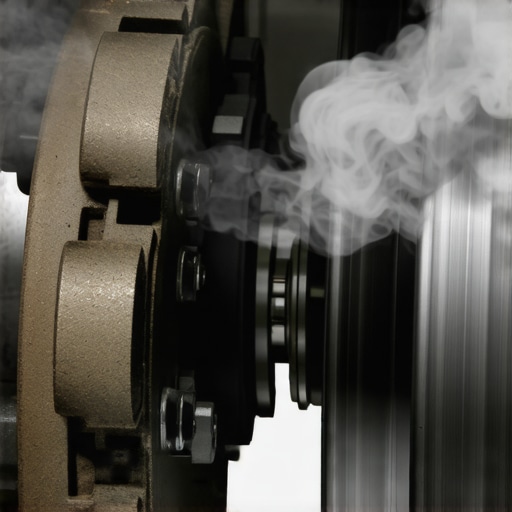
Ever been stopped at a red light and suddenly smelled something odd—like burning rubber—only to realize it’s coming from your car’s brakes? That sharp, unpleasant scent can cause immediate concern, and honestly, I used to panic every time I detected it. One afternoon, after a quick drive to the grocery store, I caught a whiff that lingered longer than usual, and I thought, “Is my car about to give up on me?” That moment was a lightbulb for me—and perhaps for you—about how critical it is to understand what’s happening beneath the surface of your vehicle.
Deciphering the Burning Rubber Smell During Short Drives
This smell isn’t just an annoyance; it can be a sign of underlying issues that, if left unaddressed, might lead to costly repairs or compromise your safety. Today, we’re going to explore why your brakes might be emitting this unusual odor after just a brief trip and how you can identify if it’s a minor fix or something more serious. Through my personal experience and some expert advice from comprehensive brake service guides, I’ll guide you step-by-step on what to look out for.
Is Excessive Heat From Brakes Worth Worrying About?
In my early auto repair days, I made the mistake of ignoring that smell, thinking it was just a normal part of braking. However, a little research and a chat with a trusted mechanic revealed that even short drives can generate enough heat to cause brake pads and rotors to emit fumes, especially if there’s excessive friction or a sticking caliper.
According to automotive experts, persistent burning rubber odors usually point to overheating brakes, which can diminish braking efficiency and even damage components. That’s when I realized I needed to pay closer attention—and you should too!
If you’ve faced this scenario yourself, don’t brush it off. Recognizing these signs early can save you from more expensive repairs down the line. Now, let’s discuss how to diagnose whether that smell is a minor issue or something that needs urgent attention. Ready? Let’s dive in!
Ensure you check out innovative brake maintenance tips and consider getting a professional vehicle diagnostic before your next road trip. This way, you ensure your brakes—and your safety—are in top shape.
Check Your Brake Components for Overheating
Start by inspecting the brake pads, rotors, and calipers for signs of excessive heat or sticking. I once noticed a strong smell after a quick city trip, so I safely parked and used a flashlight to examine these parts. If your brake pads look glazed or if the caliper pins are rusty or seized, this indicates overheating. Use a brake cleaner and a pry tool if necessary, but remember, stubborn calipers might need professional adjustment or replacement. Regularly scheduled brake inspections can prevent this situation, so consider consulting expert brake service guides to stay ahead.
Monitor Brake Fluid and Clutch Travel
Test Brake Fluid Condition
Pull the brake fluid reservoir cap and check its level and color. Old or contaminated fluid can cause brake components to stick, leading to overheating. If the fluid is dark or low, replace it following proper procedures—this is crucial for safety and performance. Consider reading modern oil changes and fluid maintenance practices for detailed steps. I once flushed my brake fluid myself in a driveway, and it significantly improved braking response and reduced odor during short drives.
Inspect Tire and Wheel Conditions
Uneven or misaligned tires can cause increased friction and heat buildup in brakes. I experienced a similar issue when my car pulled slightly to one side; a quick wheel alignment fix reduced the smell and enhanced safety. Use a torque wrench to ensure wheel nuts are properly tightened and look for sidewall damage or excessive wear that might influence braking dynamics. For a comprehensive check, visit vehicle diagnostics guides to ensure every component functions correctly.
Evaluate Caliper and Brake Line Functionality
Sticking calipers or damaged brake lines can trap heat, causing fumes. Carefully press each brake pedal and listen for uneven resistance. If you feel pulsing or hear squeaking, or if the pedal feels soft, these are signs of caliper or line issues. I once had a frozen caliper bolt, and after freeing it, the smell disappeared within a week. For stubborn cases, a professional inspection may be best. Use vehicle diagnostics tools to pinpoint faulty parts accurately.
Perform a Test Drive with Caution
After initial inspections and fixes, take a short, controlled drive to monitor if the smell persists. Keep an eye on brake temperature (a infrared thermometer can be helpful here). If fumes return or the brakes remain hot, further diagnostics are essential. Remember, persistent overheating can damage rotors and pads, so don’t ignore ongoing signs.
Seek Professional Help If Symptoms Persist
When in doubt, consult a qualified mechanic through professional car repair services. They can perform advanced diagnostics to uncover hidden issues like seized caliper pistons, warped rotors, or leaking seals that may cause heat buildup and smell. Addressing these problems early can prevent costly repairs and ensure your safety on every drive.
Many car owners operate under assumptions that can hinder effective maintenance and lead to costly mistakes. For example, a widespread myth is that changing the oil prematurely extends engine life. In reality, frequent oil changes beyond manufacturer recommendations can be unnecessary and wasteful; instead, adhering to the specific intervals provided in your vehicle’s manual ensures optimal performance. This misconception often results in needless expenses, as highlighted in expert analyses on advanced oil change technologies.
Another common misunderstanding involves brake service—many believe that squeaking brakes always indicate the need for new pads. However, noise can sometimes be caused by dust buildup or a lack of lubrication on the caliper slides. Jumping straight to pad replacement without proper diagnosis can be a costly mistake. It’s crucial to understand how brake components function and the appropriate troubleshooting steps, as detailed in myth-busting brake guides.
What about vehicle diagnostics? A frequent error is assuming that a Check Engine light always signals a major problem. In truth, modern diagnostics can detect minor issues or sensor malfunctions that don’t immediately affect safety or performance. Relying solely on visual cues or ignoring these warnings can lead to overlooking developing malfunctions. Embracing advanced diagnostic techniques, as explained in diagnostics best practices, allows for precise, cost-effective repairs.
Because auto repair mechanics often encounter the trap of assuming familiarity equals correctness, it’s essential to recognize the nuances that can trip up even seasoned enthusiasts. For example, many overlook the importance of proper brake fluid maintenance, assuming topping it off suffices. But contaminated or low brake fluid can cause caliper sticking, reducing braking efficiency and generating dangerous heat. Regular fluid tests and replacements are vital, as detailed in auto repair strategies.
Finally, an advanced aspect involves interpreting diagnostic codes accurately. A small snippet like P0420 might be dismissed as a minor catalyst issue, but it can sometimes signal underlying problems like exhaust leaks or sensor failures. Missing these subtleties can escalate repair costs. External experts emphasize the importance of comprehensive diagnostics—beyond just code reading—to identify root causes effectively. You can learn more about this in decoding vehicle diagnostics.
Remember, the devil is in the details. Recognizing the difference between a superficial fix and an underlying issue can save you money, time, and ensure your safety. Have you ever fallen into this trap? Let me know in the comments.
Prioritize Regular Maintenance to Keep Your Car Running Smoothly
Maintaining your vehicle over time requires more than just occasional fixes; it’s about establishing a systematic approach to care. I personally rely on a few key tools that help me stay on top of maintenance tasks and prevent small issues from escalating. One essential tool I use regularly is a digital torque wrench. Unlike standard torque wrenches, digital versions provide precise torque settings, crucial when tightening components like wheel nuts or engine mounts. I find this accuracy extends the lifespan of parts and ensures safety during reassembly. For oil changes, I swear by a magnetic oil drain plug, which helps collect metal shavings from the oil, indicating engine wear early and preventing long-term damage. Regularly inspecting these shavings with a flashlight reveals subtle issues before they become costly repairs.
Alongside physical tools, software like vehicle diagnostics programs has become indispensable. These platforms decode advanced error codes from your car’s ECU, allowing you to pinpoint problems with high accuracy. Using a reliable scanner, I can clear codes after repairs and monitor real-time sensor data, significantly reducing unnecessary visits to the mechanic. Embracing these diagnostic tools will be a game-changer for anyone serious about vehicle longevity.
Looking ahead, I believe the future of auto maintenance will lean heavily on integrated AI-powered diagnostics paired with self-learning repair systems. Imagine a car that predicts its own failures and guides you through the repair process with step-by-step instructions—this is not science fiction anymore. Already, some manufacturers are rolling out advanced diagnostics as standard, minimizing guesswork and optimizing repairs.
How do I maintain vehicle diagnostics for long-term reliability?
Consistent updates to your diagnostic software, regular calibration of scanning devices, and maintaining a dedicated log of error codes help ensure diagnostics are reliable over time. I recommend setting up a routine to connect your scanner at least once a month, even if no warning lights are on. This proactive approach uncovers creeping issues early, saving money and stress. Also, offload data to a cloud-based system for trend analysis, which can alert you to patterns that might otherwise go unnoticed. For a comprehensive guide, check out advanced vehicle diagnostics methods.
Beyond tools, techniques like using a infrared thermometer to monitor brake rotor temperatures during short drives can prevent overheating and associated odors. I regularly keep one in my glove box—simple but effective for immediate diagnostics. Whether it’s a quick check of tire pressure with a digital gauge or inspecting brake calipers for heat, these small actions compound into a solid maintenance routine.
If you haven’t already, try calibrating your diagnostic tools with manufacturer-specific update kits and see how early detection can save you big bucks. Remember, staying proactive today shields you from extensive repairs tomorrow. For detailed maintenance strategies, visit auto repair tips.
The Surprising Power of Paying Attention to Your Brakes
One of the most valuable lessons I learned is that small signs like an unexpected burning smell can be early warnings of deeper issues in your vehicle. Ignoring such cues might save time initially, but it often leads to costly repairs later. Recognizing these hints requires awareness and a proactive mindset, which can prevent breakdowns and ensure safety on every drive.
Why Relying on Gimmicks Won’t Replace Regular Checks
I once tried to fix a squeaky brake with temporary lubrication, thinking I was saving money. But I learned that consistent inspections and understanding each component’s role are far more effective. True auto maintenance isn’t about quick fixes—it’s about building knowledge and trust in your vehicle’s systems.
Secrets Mechanics Hope You Never Discover
Many professionals secretly wish car owners understood the importance of regular diagnostics and component checks. This awareness diminishes the chance of emergency repairs and fosters a partnership with your mechanic. Educating yourself about these ‘secrets’ can empower you to catch issues before they escalate, saving both time and money.
Small Actions Lead to Big Savings
Simple habits like monitoring brake fluid condition or inspecting tire health regularly can dramatically extend your vehicle’s lifespan. These tiny efforts, when practiced consistently, act as safeguards against unexpected failures. Think of auto care as a form of self-investment—it pays dividends in safety and financial savings.
Curated Tools to Empower Your Auto Care Journey
My trusted toolkit includes a quality digital torque wrench, which guarantees precise assembly torque—crucial for safety. I’ve also adopted advanced vehicle diagnostics tools that decode error codes and monitor real-time sensor data. These resources have transformed my approach to auto maintenance from guesswork to informed decision-making. For anyone eager to get started, exploring these tools can be a game-changer.
Drive with Confidence Starting Today
Remember, mastering your vehicle’s health isn’t about being a professional mechanic overnight; it’s about taking small, informed steps. Every short drive is an opportunity to practice awareness and maintenance, reducing surprises and enhancing safety. Take charge, learn consistently, and your car will thank you for years to come.
Are there specific warning signs you’ve overlooked in the past? Share your experiences below, and let’s learn together how to keep our vehicles—and ourselves—safe on the road.