
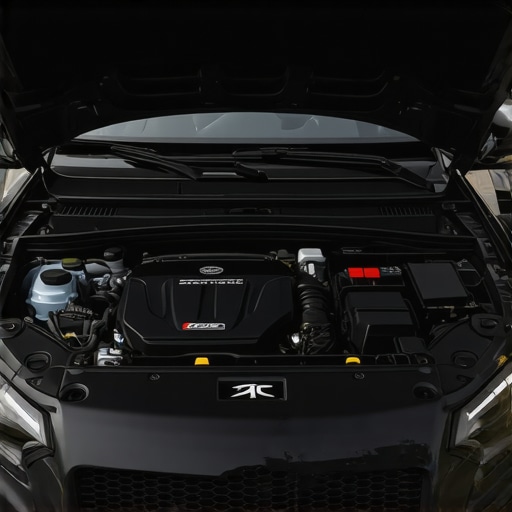
Have you ever been cruising along when suddenly, your engine hesitates or stumbles as soon as you turn on the air conditioning? I bet it’s frustrating—almost like a light switch turning off your smooth ride and replacing it with jitters and rough idling. I remember the first time this happened to me; I was just about to enjoy a sunny drive, and then—bam—the engine started chugging when I hit the AC button. It was confusing, a real head-scratcher. But here’s the thing: you’re not alone, and more importantly, there’s a way to fix it.
The Hidden Culprit Behind Your Engine’s AC-Induced Stumble
In today’s post, I’ll walk you through why your engine may stumble only when you turn on the AC—something that many drivers overlook. We’ll explore the roots of this problem, how to identify it, and most importantly, what steps you can take to fix it. Spoiler alert: it’s usually a manageable issue, not a sign that your engine’s about to give up. If you’ve been worried about costly repairs or just want to get to the bottom of your vehicle’s quirky behavior, you’re in the right place.
Is It Really Worth the Troubles of DIY Diagnosis?
Early on, I made the mistake of assuming that a rough idle when the AC is on was just a minor glitch. I dove into replacing parts blindly, only to find out later that I was missing the real problem. That’s a common mistake—jumping to conclusions instead of doing proper diagnostics. According to decoding vehicle diagnostics, understanding what your car is trying to tell you can save you a lot of time and money. So, before you start swapping parts, I’ll show you how to detect the true cause behind this issue.
Feeling like this is just a rare quirk? Well, according to automotive experts, it’s more common than you might think, often rooted in minor components or adjustments that are easy to tackle with the right knowledge. Ready to get your hands dirty and discover what’s really going on? Let’s dive into the details that will make you a smarter, more confident DIYer—or at least help you speak confidently with your mechanic.
Test the AC Load Effect on Your Engine
Start your vehicle and let it warm up. Turn on the air conditioning and observe if the engine idle drops or the stumble occurs. Remember a simple trick I used: during a test drive, I engaged the AC and listened for changes. If the rough idle intensifies, it’s a sign that the AC load is affecting your engine—possibly due to insufficient idle control or a slipping belt. Next, check the drive belt tension using a belt tension gauge or a simple visual check. A loose belt can cause insufficient power to the AC compressor, leading to engine bog-downs. Replace or tighten the belt if needed. To get precise info, consider connecting an OBD-II scanner to view real-time data, such as short-term fuel trim, which can indicate how your engine’s computer compensates for extra load, hinting at underlying issues. For more on reading diagnostic codes, visit decoding vehicle diagnostics. This step confirms whether the problem is mechanical or electrical before further testing.
Inspect the Idle Air Control System
Next, focus on theIdle Air Control (IAC) valve or motor—a component that adjusts engine idle speed. Think of it as the cruise control for your engine’s idle. I once cleaned mine with carburetor cleaner after noticing high-idle fluctuations when AC is on; it was clogged with carbon buildup. Remove the IAC valve following your vehicle’s service manual, then clean it thoroughly. If cleaning doesn’t resolve the issue, consider replacing it. Also, verify that the throttle body isn’t dirty, as buildup there can interfere with airflow regulation. Use a throttle body cleaner and a soft brush to remove grime. Once reassembled, restart the engine and see if the stumble persists when AC is activated. For further insights, check out advanced diagnostics. An efficient IAC maintains a stable idle regardless of adding accessories like the AC, preventing engine hesitation.
Examine the Cooling Fan Relay and Thermostat
Sometimes, the issue lies with the cooling system rather than the engine’s idle components. When the AC runs, the cooling fan activates to dissipate heat. A faulty relay or thermostat might cause inconsistent fan operation, leading to overheating under load. This can stress your engine and cause it to stumble. To diagnose, listen for the fan’s activation—does it turn on normally? If not, inspect the relay and replace it if malfunctioning. Check the thermostat by feeling the radiator hoses; if one is hot while the other is cold, the thermostat may be stuck. Replace the thermostat if necessary. Testing these components requires no special tools—just patience and a wrench. Improving cooling system reliability prevents engine overheating when AC is active, which directly affects performance. For detailed procedures, visit brake service tips, which can guide you on related cooling components. An optimal cooling system supports engine stability during AC operation.
Assess the Battery and Charging System
Electrical issues can also mimic or exacerbate engine stumble when AC is on. Think of your car’s electrical system as the nervous system—if it’s weak or dying, various functions suffer, including idle control modules. I once had a weak battery that caused fluctuating engine performance. Use a multimeter to test voltage; a healthy battery should read around 12.6 volts with the engine off and about 13.8-14.4 volts when running. If your voltage is low, charge or replace the battery. Also, inspect the alternator’s output; a failing alternator won’t provide sufficient power, especially under load like AC. For a quick test, rev the engine and see if the voltage climbs; if not, your alternator might be the culprit. Keeping your electrical system in top shape ensures that engine management modules receive consistent power, preventing stalls or hesitations during AC use. For more detailed diagnostics, see advanced diagnostics. Reliable power sources keep your engine running smoothly, even when adding high-demand accessories like the AC.Many car enthusiasts and everyday drivers believe they understand vehicle diagnostics and repairs, but in reality, numerous misconceptions can lead to costly mistakes. One prevalent myth is that all diagnostic trouble codes (DTCs) directly point to a specific faulty part. In truth, codes often indicate a symptom rather than the root cause, which is why comprehensive analysis is essential before replacing components. Relying solely on generic scan tools without understanding their limitations can mislead even seasoned DIYers, resulting in unnecessary part replacements and wasted money.
Are You Overlooking the Nuance in Brake Service?
A common oversight is assuming that every squeal or pulsation during braking signifies worn-out brake pads or rotors. However, the real story might involve uneven pad deposition, caliper sticking, or even issues within the brake hydraulic system. Diagnostic accuracy improves significantly when you understand the interplay of these components rather than just responding to surface symptoms. I recommend consulting detailed guides like comprehensive brake service strategies for a nuanced approach. Additionally, many drivers underestimate the importance of regular oil changes, believing they are only necessary when the car feels sluggish. In reality, quality oil formulations and timely changes prevent premature engine wear and improve fuel efficiency. Studies from automotive experts highlight that modern synthetic oils retain better viscosity and additive protection, making routine oil changes more critical than ever. Be wary of cheap, low-quality oils advertised as
Investing in Reliable Equipment Turns Maintenance into a Breeze
Over the years, I’ve learned that having the right tools is crucial for effective vehicle diagnostics and repair. One game-changer in my toolkit is the OBD-II scanner. Not all scanners are created equal— I personally rely on the Autel MaxiScan MS300 because it offers comprehensive live data readouts and diagnostic trouble code explanations, saving me hours of guesswork. I’ve found that investing in a quality scanner, rather than a cheap generic one, pays off by catching issues early, which preserves long-term vehicle health. Additionally, a multimeter is indispensable for electrical troubleshooting. I prefer the Fluke 115 because of its durability and precision, crucial when checking sensors or testing circuit continuity for components like the battery or alternator. Consistent use of such reliable equipment has allowed me to diagnose problems swiftly and avoid unnecessary part replacements.
The Power of Software in Modern Vehicle Care
The diagnostic landscape has shifted profoundly with advancements in automotive software. I recommend OEM-specific scan tools like Autel MaxiAP AP200, which communicate directly with manufacturer interfaces. This approach grants deeper insights into vehicle health, enabling precise repairs and preventing minor issues from escalating. By integrating software diagnostics into my routine, I’ve minimized costly breakdowns and extended my vehicle’s lifespan. For data management and record-keeping, I use GaragePlugin — it syncs all diagnostics, maintenance schedules, and repairs, helping me track trends over time and plan ahead.
Proactive Maintenance Strategies
Preventative care isn’t just about random oil changes; it’s about a targeted approach. I follow advanced vehicle diagnostics to identify early signs of wear—such as subtle changes in sensor data or slight deviations in performance metrics. Regularly inspecting components like belts, hoses, and fluid levels with precise tools allows me to address issues before they become costly repairs. For example, checking belt tension with a trusted tension gauge can prevent premature failures that could otherwise lead to engine overheating or breakdown.
Keeping Mechanical Components Long-Lasting
Long-term results depend heavily on proper component maintenance. I advocate for routine brake inspections using specialized brake service tools— from digital calipers to ultrasonic thickness gauges. These tools help me gauge pad wear accurately and prevent caliper sticking, which can cause uneven brake pad deposition and reduce stopping power. When it comes to oil changes, I lean toward synthetic oils like Mobil 1, which contain additives that actively clean and protect engine internals, extending oil change intervals and reducing engine wear. Combining quality fluids with precise tools ensures your vehicle remains reliable day after day.
How do I maintain my vehicle diagnostics and repair tools over time?
Proper maintenance of your equipment can be the difference between a quick fix and a prolonged breakdown. Regularly calibrate your precision tools— like belt tension gauges and multimeters— to ensure accuracy. Keep software tools updated; many OEM diagnostic platforms require periodic updates to access the latest vehicle data. Clean your diagnostic connectors and sensors with electronics-grade cleaner to prevent corrosion, which can cause false readings and misdiagnoses. I also recommend creating a dedicated storage space for your tools, protected from dust and moisture, to prolong their lifespan. Future trends point toward AI-powered diagnostics and wireless tool connectivity, making repairs more intuitive and efficient. Early adoption of these technologies could further streamline maintenance routines, saving time and money.
Ready to enhance your vehicle care with precision tools? Try calibrating your scan tool or testing the tension of your drive belts using a dedicated gauge. Remember, meticulous instrument upkeep ensures your diagnostics are spot-on, safeguarding your vehicle’s longevity. For detailed guidance on implementing these strategies, check out auto repair hacks.
3 Hard-Won Truths About Vehicle Diagnostics That Changed My Approach
- There’s No Silver Bullet. Relying solely on generic scan tools is a mistake; deep understanding and hands-on inspection are key. I once spent hours replacing parts based on a code, only to find a simple sensor connection was loose.
- Patience Outperforms Speed. Quick fixes often lead to unnecessary expenses. Taking the time to test each component thoroughly, like checking the IAC valve or the cooling fan relay, pays off in the long run.
- Knowledge Saves Money and Time. Investing in education—reading detailed guides and learning how systems interconnect—empowers you to diagnose effectively. It’s the difference between guesswork and confidence.
- Tools Are Investments, Not Expenses. Quality diagnostic equipment like trusted multimeters and OEM-specific scanners have revolutionized how I maintain my vehicle, helping me prevent costly breakdowns.
Tools and Resources That Keep Me Ahead of Problems
- Autel MaxiScan MS300: Reliable scan tool for real-time data and trouble codes, offering insights that save me hours of troubleshooting.
- GaragePlugin Software: My digital maintenance assistant, helping me track diagnostics, repairs, and schedule proactive checks.
- OEM Diagnostic Platforms: Platforms like advanced vehicle diagnostics give me the most accurate info straight from the manufacturer, crucial for subtle issues.
- Throttle Body Cleaner and Sensor Calibrators: Simple yet effective tools to keep airflow and sensors clean, directly improving engine stability during AC load.
Fuel Your Drive with Confidence — The Road Ahead
Embarking on your vehicle maintenance journey can be daunting, but with the right knowledge and tools, it transforms into a rewarding experience. Your engine’s quirks, like stumbling when the AC is on, are clues—not signs of doom. Remember, being proactive with diagnostics and investing in quality equipment ensures you get the most out of your vehicle and wallet. Don’t wait for issues to escalate; take charge today and turn maintenance from a chore into a skill you trust. Ready to dive deeper? What’s the one repair or diagnostic step you find most challenging? Let me know below, and let’s troubleshoot together!