

If you’ve ever stood in your driveway, pressing the remote lock button only to be met with silence, while unlocking the door with your trusty key still works perfectly, you know that frustrating feeling. I’ve been there, fumbling with that tiny remote, wondering if I was about to Shell out for a new alarm system or a costly repair. That lightbulb moment hit me when I realized: it wasn’t my car giving me the cold shoulder; it was a little miscommunication between the remote and the vehicle. And let me tell you, understanding this hiccup can save you time, money, and the hassle of unneeded diagnostics.
Cracking the Code: Why Won’t My Car Lock with the Remote?
This issue is surprisingly common, and it often boils down to simple causes that you can tackle yourself. It might be a dead or weak battery in your remote, a faulty receiver in your car, or even a programming glitch. Early on, I made the mistake of assuming I needed a new key fob or calling a locksmith immediately, which turned out to be unnecessary. Instead, taking a step back and understanding the underlying reasons can point you toward quick, effective solutions. If you’re curious about proactive auto fix tips, check out top auto repair tips to extend your vehicle’s lifespan. This isn’t just about convenience; it’s about keeping your peace of mind and avoiding avoidable expenses.
Is Your Remote’s Signal Actually Worth the Hype?
At first glance, it seems straightforward—press the button, and lock or unlock. But the reality is, several factors can make or break that tiny signal. Interference from other devices, low battery power, or even issues within your car’s electronics can get in the way. I once overlooked a weak remote battery, only to find out later that simple replacement made all the difference. It’s a reminder that sometimes, the simplest solution is overlooked—yet it’s often the right one. If you’re skeptical about trying DIY fixes first, remember that early diagnostics can prevent costly repairs down the line. For a thorough understanding, explore advanced vehicle diagnostics to see how proper checkups save money and hassle.
Ready to get to the bottom of why your remote won’t lock your car, but your key still works? Let’s dive into step-by-step fixes that you can perform yourself, saving both time and cash—and get your car locking like new. Stay tuned, because solving this problem isn’t just about convenience; it’s about mastering your vehicle’s electronics and avoiding surprises at the worst moment.
Goodbye frustrations, hello peace of mind.
Replace the Remote Battery First
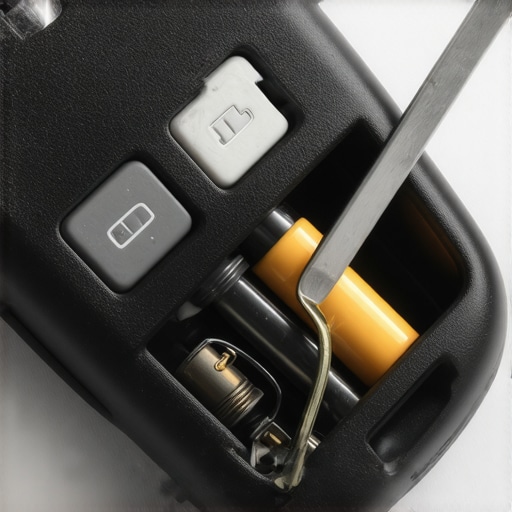
Pull out your remote and examine the battery; it’s often the culprit. Use a small screwdriver or coin to open the case carefully. Once open, note the battery type—usually a CR2032 or similar—and buy a new one. Swap it out and test the remote immediately. I once replaced my remote battery before heading out, and it instantly worked, saving a trip to the dealer. Remember, batteries degrade over time, especially if your remote is old or exposed to temperature extremes.
Check and Reprogram Your Remote
If replacing the battery doesn’t help, the remote may need reprogramming. Most modern car remotes can be reset with a sequence of ignition switches and door lock flashes—details vary by manufacturer. I found a tutorial online for my car model; following it restored my remote’s functionality. If you’re unsure, consult your vehicle’s manual or visit our contact page to get professional help. Reprogramming can resolve issues caused by temporary signal mismatches caused by software glitches.
Inspect the Car’s Receiver System
The vehicle’s receiver is the other half of the communication. To test it, turn on your car’s ignition (without starting the engine) and press the remote button. If the door locks respond, the receiver is functioning; if not, it might be faulty or have loose connections. I checked the receiver module by gently tapping around the dashboard and found a loose connector that I re-secured, which fixed the problem. Sometimes, the receiver’s antenna is damaged or disconnected, requiring professional diagnosis or replacement.
Eliminate Signal Interference
External signals can block or weaken your remote’s signal. Test the remote in different locations—near other electronic devices or in areas with wide open space. I discovered that my remote failed to work near my garage door opener; moving away solved the problem temporarily. To fix persistent interference, consider moving key electronics or consulting a professional about shielding methods. Often, simply changing the parking spot or reducing interference sources does the trick.
Verify Your Key Fob’s Physical Condition
Look for visible damage, corrosion, or dirt that might hinder the circuitry. Clean the contacts gently with a soft cloth or contact cleaner. If parts are broken or corroded, replacing the key fob is the best option. I once had a key fob with a cracked circuit board; after replacing it, my remote worked flawlessly. Preventative care includes keeping the remote dry and avoiding dropping it onto hard surfaces, which can cause internal damage.
Consider a Professional Diagnosis
If all DIY steps fail, you could have a deeper electronic issue, such as faulty relays or wiring in your vehicle’s alarm system. Professional diagnostics often involve scanning the vehicle’s onboard computer for faults. This process can reveal underlying problems that simple checks won’t catch. I had my mechanic run diagnostics; they identified a faulty receiver module, and replacing it restored my remote’s function. For complex issues, seeking expert help ensures proper repair and safety compliance.
Remember, troubleshooting your remote lock feature involves a systematic approach. Start with the simplest fix—battery replacement—and gradually move toward more involved diagnostics. Each step can save you money and prevent unnecessary replacements. Armed with patience and some basic tools, you can often resolve these issues without professional intervention, keeping your car secure and your day on track.
 When it comes to vehicle care, many car owners operate under assumptions that can cost them dearly. One common misconception is that following the manufacturer’s recommended oil change interval blindly is always best. In reality, modern oils and engines are more sophisticated, and the old rule of every 3,000 miles is becoming outdated. Experts suggest that many vehicles can go farther between oil changes if driven under normal conditions, as long as regular checks are performed. Relying solely on mileage benchmarks without considering driving habits or oil condition can lead to unnecessary oil changes or, worse, engine wear from overdue service. Advancements in oil technology now allow for longer intervals, but it’s essential to be vigilant about oil quality and engine performance. Don’t fall for the myth that more frequent oil changes always mean better engine health; instead, focus on actual oil condition and manufacturer guidelines tailored to your driving style.
Another widespread mistake involves the misconception that auto repairs are always costly and complex. Many assume that if something goes wrong, the only solution is a trip to the dealer or a costly mechanic. However, doing your own vehicle diagnostics can pinpoint issues early and avoid expensive repairs. For example, subtle signs like a decreasing fuel efficiency or slight steering vibrations often get overlooked but can signal underlying problems that need prompt attention. Auto repair hacks demonstrate how simple tools and knowledge can save hundreds, even thousands, in the long run. Mastering these diagnostics not only prevents escalation but also enhances your understanding of your vehicle’s condition, empowering you to make informed decisions.
What truly trips up many car owners is an oversight in vehicle diagnostics, especially during routine brake service. It’s a trap to think that brake pads are the only component needing attention. I’ve seen countless cases where worn pads were replaced, only to discover later that warped rotors or faulty calipers caused unresolved issues. This oversight can lead to repeat repairs and increased costs. Regular inspection and understanding the nuances, like uneven pad wear or uneven rotor surface, are critical. For comprehensive insights, check out brake service myths busted to learn what truly maintains your braking system’s safety.
Advanced vehicle diagnostics can sometimes reveal problems that aren’t obvious during quick inspections. For instance, sensor failures or minor leaks often go unnoticed but impact vehicle safety and efficiency. A sophisticated approach involves checking for warning codes regularly and understanding what they mean. Decoding vehicle diagnostics equips you with the knowledge to interpret these signals correctly. Ignoring such cues can lead to costly breakdowns or safety concerns down the road.
Make sure you’re not falling into these common traps—being aware of the real nuances and debunking myths ensures your vehicle remains reliable and safe. Remember, proactive maintenance and informed decisions are your best allies in vehicle care. Have you ever fallen into this trap? Let me know in the comments.
Investing in Reliable Equipment for Auto Maintenance
One of the most critical aspects of keeping your vehicle running smoothly is having the right tools at your disposal. I personally rely on a high-quality digital multimeter, such as the Fluke 117, because it provides precise readings for diagnosing electrical issues—something essential when troubleshooting non-start conditions or sensing faulty sensors. For fluid checks, a good set of oil filter wrenches and torque wrenches ensures that replacements are secure without risking damage from over-tightening. Using specialized tools like a brake caliper piston compressor ensures you can perform brake jobs effectively, minimizing the risk of uneven braking performance later.
Why I Favor Comprehensive Diagnostic Software
Modern vehicle diagnostics go beyond the basic code readers many might own. I prefer advanced scan tools like the Autel MaxiSys MS909 because they allow me to access OEM-specific modules, clear codes, and even perform active tests directly through a tablet. This software is invaluable for saving time and preventing unnecessary parts replacements—especially useful during complex diagnostics, like identifying the root cause of slow-shifting transmissions or erratic idle. As vehicle electronics become more sophisticated, upgrading to such diagnostic platforms will be standard for auto enthusiasts and DIYers aiming for professional-quality maintenance.
The Role of Maintenance Software in Long-Term Vehicle Care
Beyond physical tools, I recommend using maintenance management apps like AutoMate or Drivvo. These platforms help track oil changes, tire rotations, and other routine services, ensuring you don’t overlook critical intervals. Consistent scheduling prolongs component life and reduces the risk of unexpected breakdowns, aligning with top auto repair strategies for frequent drivers. For example, regular oil analysis reports, like those provided by labs such as Blackstone Labs, inform you whether your oil needs changing sooner than scheduled due to driving habits or engine condition, providing a proactive approach that keeps the engine healthy over time.
What Is the Future of Vehicle Maintenance Tools?
Looking ahead, vehicle diagnostics and maintenance tools are rapidly integrating with cloud technologies and AI analysis. Wireless scan tools will become standard, enabling real-time monitoring and predictive diagnostics through smartphone apps. Imagine receiving alerts about potential issues before warning lights even activate, thanks to machine learning algorithms analyzing data from your vehicle. This trend will empower drivers to perform preventive maintenance confidently, reducing costs and increasing safety.
How do I maintain efficient vehicle diagnostics over time?
Regularly updating your diagnostic software, calibrating sensors, and retraining yourself on new tools are vital. It’s also wise to keep a comprehensive service log, noting recurring issues and repairs—this history helps identify patterns and informs whether specific components, like sensors or modules, need replacement rather than just repair. Investing in quality diagnostic equipment and staying current with industry advancements ensures you can tackle repairs promptly, avoiding costly long-term damage. For detailed strategies, check out tips to extend your vehicle’s lifespan. And I recommend trying out the latest advanced diagnostic tools during your next maintenance session to see firsthand how they can simplify complex repairs.
Lessons I Learned the Hard Way About Remote Lock Issues
One of the most unexpected lessons was realizing that not every remote failure stems from a faulty component; sometimes, the key is understanding the subtle signals and patterns. For instance, I once replaced a battery only to find my remote still unresponsive—only to discover that the vehicle’s receiver was misaligned from a recent dash repair. That taught me to never overlook the importance of inspecting the entire communication chain, including antenna connections, before jumping to conclusions.
Another insight was recognizing the significance of environmental factors—like interference from nearby electronics—that could block or weaken signals. Moving the car or parking in different spots often revealed whether external interference was at fault. This small but powerful realization saved me from unnecessary part replacements and expenses.
Finally, I learned that proper reprogramming sessions and understanding my vehicle’s unique procedures made all the difference in restoring remote functionality. Reading my car’s manual or consulting trusted sources helped me avoid costly dealership visits, empowering me to troubleshoot confidently at home.
Gear Up with My Favorite Auto Repair Aids
Over the years, I’ve gravitated toward tools that make diagnostics accurate and straightforward. A high-quality digital multimeter, like the Fluke 117, is invaluable for electrical checks, helping me quickly identify faulty wiring or sensor malfunctions. For software, I swear by the Autel MaxiSys MS909—it’s an all-in-one scanner that provides OEM-specific data, making complex diagnostics less daunting. Good quality tools actually pay for themselves by preventing unnecessary parts replacements and pinpointing root causes faster.
If you’re looking to take your car care to the next level, investing in a reliable multimeter, an advanced scan tool, and keep a detailed repair log. These habits have saved me countless hours and dollars—part of building confidence in vehicle maintenance and repair.
Embrace a Future Where Repairs Feel Empowering
The most inspiring part of mastering your vehicle’s diagnostics and repair isn’t just the savings; it’s the confidence to handle surprises on the road. By demystifying the process, you gain a sense of control and independence. Every successful fix, from replacing a remote battery to reprogramming your key fob, adds to your automotive wisdom. And as technology advances, tools will become even more user-friendly—think wireless diagnostics, real-time alerts, and AI-driven insights—making car maintenance accessible and less intimidating.
What Unexpected Lesson Changed Your Approach to Car Troubles?
Have you ever discovered that a simple adjustment or a small part replacement solved a problem that seemed complicated? Share your story below—your experiences might help someone else avoid a costly detour on their auto repair journey.