
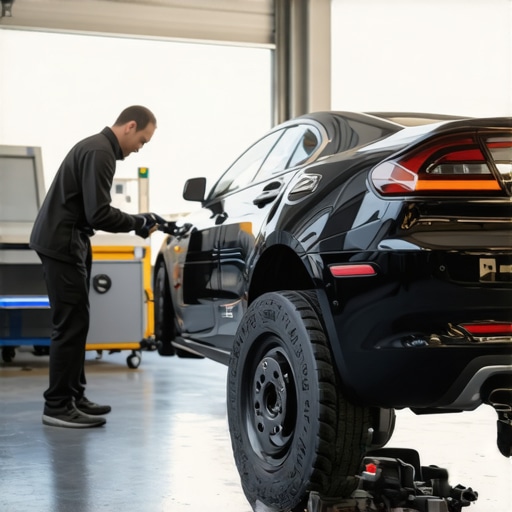
I remember the moment vividly—after spending an entire Saturday replacing my brake pads and rotors, I finally took my car for a test drive. Expecting that newfound smoothness, I was instead greeted with a sluggish, almost resistant feeling. It was like my car was doing its best to resist moving forward, dragging an invisible anchor. Frustrated doesn’t even begin to cover it. I’ve been there, and I know that sinking feeling when all your hard work seems to backfire.
Deciphering the Heavy Throttle: What’s Going On?
So, why does a seemingly straightforward brake job turn into this dragging sensation? More importantly, how can you troubleshoot and solve it? Today, I promise to walk you through the common causes, avoid the mistakes I made early on, and get your vehicle back to optimal performance.
Is This Problem Really Worth the Fuss, or Am I Overreacting?
It’s a fair question. When your car feels like it’s fighting you, it’s tempting to dismiss it as a minor annoyance. But, ignoring dragging brakes can lead to increased fuel consumption, uneven tire wear, and even dangerous brake failure. I once overlooked this issue because I thought it was just a bedding-in phase, but it turned out I had a stuck caliper piston—that mistake could have cost me much more. Relying on guesswork isn’t the way to go. Instead, I recommend learning how to decode vehicle symptoms—you might be surprised what your car’s trying to tell you. For a quick primer, check out [decoding vehicle diagnostics](https://repairmycarpro.com/decoding-vehicle-diagnostics-what-your-car-is-trying-to-tell-you) to understand the signals better.
Stay tuned, because in the next sections, we’ll cover the most common culprits behind that heavy feeling and how you can fix them yourself or know when it’s time to consult a professional. Remember, a safe and smooth ride is worth the effort!
Inspect Brake Components Thoroughly
Begin by safely lifting your vehicle with a jack and securing it on jack stands. Remove the wheels to access the brake calipers and rotors. Visually check for signs of sticking or damage, such as uneven wear or corrosion. A common culprit is a stuck caliper piston, which acts like a jammed door hinge, preventing proper movement. I once discovered a caliper piston seized due to rust, and freeing it with a brake cleaner spray restored smooth operation.
Test Brake Calipers and Hardware
Manually compress the caliper pistons using a C-clamp or brake piston tool. If pistons refuse to move or retract slowly, they may be corroded or contaminated. Check the brake hardware—slide pins, clips, and brackets—for rust, dirt, or deformation. Neon yellow grease applied during a previous brake job can stiffen and cause sticking; replacing it with high-temperature brake grease often solves the issue. For detailed guidance, see brake service myths busted.
Clean and Lubricate Moving Parts
Use a brake cleaner to remove dirt, rust, and brake dust from caliper slide pins and contact points. Once clean, apply a thin layer of high-temperature brake lubricant to these parts to ensure smooth movement. This preventative step prevents calipers from seizing again. My personal experience with clogged slide pins was a caliper that was hard to release, causing the brake pad to stay in contact when it shouldn’t have. Proper lubrication saved me a costly caliper replacement.
Check Brake Fluid Levels and Quality
Low or contaminated brake fluid can cause calipers to function improperly. Inspect the master cylinder reservoir and top up with the manufacturer-recommended brake fluid if necessary. Remember, old or moisture-laden fluid reduces hydraulic pressure, making brakes feel heavy. Consider flushing the entire brake system if fluid is dark or dirty; this is a simple yet effective maintenance step that prevents many brake problems. To understand more about brake system care, visit brake service ultimate guide.
Test Drive and Confirm Repair
After reassembling everything, take the vehicle for a short, cautious test drive. Accelerate gently and apply brakes to see if the dragging sensation persists. Listen for unusual noises or feeling of resistance. If the brakes operate smoothly, your repair was successful. If issues remain, recheck the caliper retraction, hardware, or consider whether the brake rotors are warped—an often overlooked cause of heavy brake feel. Remember, advanced diagnostics can help identify hidden issues early, preventing costly breakdowns down the line.
Dispelling Myths About Brake Service and Diagnostics
Many car owners believe that replacing brake pads alone guarantees safe braking, but this is a misconception. In reality, neglecting to inspect related components like calipers, rotors, and brake fluid can lead to uneven wear and decreased performance.
Another common myth is that vehicle diagnostics are only necessary when warning lights appear. However, modern cars continuously self-monitor and store fault codes that, if overlooked, can cause costly breakdowns. Advanced diagnostics, as explained in this resource, help catch issues early.
Advanced Mistakes in Oil Changes and Routine Maintenance
Many assume that an oil change every 3,000 miles is universally optimal. But with new synthetic oils and engine technologies, intervals can differ significantly, as highlighted in this guide. Overuse or underuse of oil can both harm your engine, emphasizing the importance of following manufacturer recommendations.
Why do some vehicles still experience engine issues despite regular oil changes?
This question touches on a crucial nuance overlooked by many. Factors such as oil quality, filter effectiveness, and engine condition influence engine health more than mileage alone. For instance, failure to replace air filters or neglecting coolant system maintenance can cause overheating or sludge buildup, negating the benefits of frequent oil changes. As per industry experts, comprehensive preventative maintenance extends vehicle lifespan beyond simple routines.
Common Traps and How to Avoid Them
One trap I fell into was trusting cheap, off-brand parts during repairs, which often led to quick failures. Using genuine or high-quality aftermarket components, as discussed in auto repair hacks, is a smarter approach that saves money in the long run. Remember, cutting corners on repairs might seem economical now but can result in more significant expenses later.
What Advanced Car Owners Should Know About Diagnostics
Understanding the subtle signals your vehicle offers can prevent major breakdowns. For example, odd noises, slight vibrations, or unusual smells might indicate underlying issues that automated diagnostics can detect early. Revisiting this resource can deepen your ability to interpret these signs effectively.
In summary, penetrating beneath the surface of common beliefs about auto care reveals a nuanced world where attention to detail, quality, and proactive diagnostics make all the difference. Have you ever fallen into this trap? Let me know in the comments. Remember, staying informed empowers you to make smarter decisions and extend your vehicle’s lifespan.
How do I keep my vehicle running smoothly over time
Maintaining your vehicle’s longevity and performance relies heavily on the right tools, consistent routines, and understanding the evolving landscape of auto repair technology. I personally swear by a few specialized equipment and software that streamline diagnostics, prep for future repairs, and ensure long-term health of the vehicle. A digital scan tool like the BlueDriver Bluetooth Pro scanner is my go-to for quick, reliable diagnostics—it’s compact, pairs with my smartphone, and provides enhanced code definitions that surpass generic OBD-II readers. For more comprehensive insights, I use advanced software like AutoEnginuity’s ScanTool for deeper ECU analysis, especially when troubleshooting complex issues beyond simple codes.
Pre-emptive maintenance requires an organized approach. I recommend maintaining a detailed repair log, noting the date, mileage, and specifics of every service—this not only helps in tracking wear patterns but also proves invaluable when consulting professionals. Additionally, investing in high-quality lubricants and fluids, such as synthetic engine oils like Mobil 1, ensures excellent protection against wear, even under demanding conditions. Regularly inspecting tire tread, brake pads, and fluid reservoirs allows early detection of potential issues before they escalate into costly repairs.
Looking ahead, the auto repair landscape is moving toward integrated diagnostics with enhanced telematics and IoT devices. Vehicles will increasingly communicate their needs directly to your smartphone or service shop, enabling more precise and timely interventions. Staying updated with tech trends through resources like advanced diagnostics insights can give you a proactive edge.
What tools do I recommend for long-term vehicle care
For ongoing maintenance, I rely on a few specific tools that have saved me from unnecessary trips to the mechanic. A high-quality multimeter, such as Fluke models, is essential for checking sensors, battery health, and wiring integrity. Remember, a stable electrical system underpins everything else, including diagnostics and engine management. An inexpensive but crucial addition is a tire tread depth gauge—keeping those tread levels in check avoids unsafe driving conditions and improves fuel efficiency. I’ve also found that a dedicated brake caliper piston piston tool makes brake pad replacements quicker and more precise, reducing the risk of uneven wear or stuck components.
Consistency is key. Regularly replacing air filters, inspecting belts and hoses, and flushing brake fluid as advised in brake service guide extends the lifespan of vital components. As I’ve discovered, understanding where to focus your attention—like brake hardware or engine sensors—can significantly improve your vehicle’s uptime and safety.
Looking ahead, the trend is shifting toward smarter tools capable of predictive maintenance. Sensors will alert you to imminent failures before symptoms become apparent, allowing you to plan repairs proactively. This evolution promises to reduce downtime and repair costs dramatically, making an investment in diagnostic tech more vital than ever.
To truly optimize your auto care routines, I recommend implementing a weekly vehicle health check with your diagnostic tools. For instance, connecting your scan tool to review live data can reveal subtle changes in sensor readings, indicating early wear or potential failure. Try a comprehensive check using your equipment today—taking just a few minutes could save you from long-term headaches and expenses. Remember, proactive maintenance is your best defense against unexpected breakdowns and costly repairs, and the right tools make all the difference.
In my auto repair journey, the most eye-opening lesson was realizing that a simple brake pad replacement isn’t always enough—sometimes, the subtle signals your car gives can save you from costly repairs and dangerous situations. It’s easy to overlook small signs, but paying attention to them can make all the difference. When I first encountered that dragging brake sensation, I wished I had understood the importance of inspecting caliper hardware thoroughly and recognizing early warning signs of corrosion or sticking components. Trust me, a little extra diligence can prevent big headaches down the road.
The Hidden Lessons Auto Repair Taught Me About Prevention
- Don’t assume brake issues resolve themselves: Residual symptoms can worsen over time if ignored. Regular inspections save money and ensure safety.
- Study your vehicle’s behavior: Recognizing subtle changes in feel, noise, or smell can lead to early detection of problems before they escalate.
- Quality parts matter more than immediate savings: Investing in genuine or high-quality aftermarket components during repairs ensures longevity and optimal performance.
Tools and Resources That Elevated My Auto Care Routine
- BlueDriver Bluetooth Pro Scanner: This compact device pairs with my smartphone to perform accurate diagnostics, making troubleshooting straightforward.
- AutoEnginuity’s ScanTool: For deeper ECU analysis, I trust this software to uncover hidden issues that basic scanners might miss.
- High-temperature brake grease: Applying quality lubricant to caliper hardware prevents seizing and sticking, extending component life.
- Reliable repair guides: Websites like the comprehensive brake service guide have been invaluable for detailed, step-by-step instructions that boost my confidence.
Embrace the Journey Towards Confident Auto Maintenance
Understanding the nuanced world of auto repair might seem daunting, but every lesson learned builds your confidence and technical savvy. Regularly educating yourself and utilizing the right tools transforms vehicle maintenance from a chore into a rewarding skill. Remember, proactive care not only keeps your vehicle running smoothly but also ensures your safety on the road. Don’t let small issues turn into emergencies—start inspecting and diagnosing your car today with curiosity and confidence. What’s the first repair or check you’re excited to try out themselves? Let me know below.