

There was this one time I was cruising down the freeway, coffee in hand, only to realize my car was behaving like a boat on choppy waters. The steering felt light, almost as if I was gliding on air, and I had to grip the wheel a little tighter just to keep it in the lane. That moment hit me hard—what was going on with my car? It was a lightbulb moment that made me realize, sometimes, our vehicles can do strange, floaty things that aren’t normal, and many drivers overlook the warning signs until it’s a full-blown issue. So, if you’ve ever felt that your car is eerily light or floaty when you’re on the highway, know this: it’s not just your imagination or a sign of a new driving style; it’s often a sign that something’s amiss under the surface. Today, I promise to help you uncover why this happens and, more importantly, how to fix it before a minor quirk becomes a costly repair.
What Causes That Light, Floaty Feel on the Highway?
Understanding why your car feels like it’s drifting can be a game-changer. Many drivers mistake this sensation for a simple steering problem or a bad day at the wheel. But in reality, it’s often linked to issues with your vehicle’s suspension, alignment, or tire pressure. When your car’s alignment goes out of whack, the tires are no longer pointing straight, causing the vehicle to feel unstable at high speeds. Similarly, if your suspension components are worn out or damaged, they can’t keep the wheels firmly planted, leading to that floaty, unpredictable feeling. Maintaining proper tire pressure is another critical factor—under-inflated or over-inflated tires can drastically affect road contact and stability. Early on, I made the mistake of ignoring uneven tire wear, assuming it was just cosmetic, but that oversight nearly caused me to lose control during a high-speed lane change. It was a harsh reminder that these symptoms shouldn’t be dismissed lightly. For more insights on diagnosing common auto issues, check out decoding vehicle diagnostics.
Skeptical? Can Something So Simple Really Be the Problem?
When I first encountered this floaty sensation, I thought maybe I was just imagining things. How could something as minor as a misaligned wheel or low tire pressure cause my car to feel so unstable? Turns out, I was wrong—small issues can have a major impact on your vehicle’s stability. I also fell into the trap of assuming that new shocks or struts would fix everything, only to realize that tire condition and wheel alignment played a bigger role. The key takeaway? Never underestimate the power of simple maintenance checks. As I learned early on, overlooking these basics can lead to dangerous driving conditions. For a detailed look at how diagnostics can prevent costly breakdowns, visit advanced vehicle diagnostics.
With this foundational understanding in place, let’s shift gears and explore the practical steps you can take today to keep your ride smooth and steady. Whether you’re a seasoned car owner or new to the driving game, knowing how to identify and address these issues can save you money and, more importantly, keep you safe on the road.
,
Perform a Visual Inspection of Tires and Wheels
Start by parking your car on a flat surface and inspecting each tire thoroughly. Look for uneven wear patterns, bulges, or cracks that could indicate internal damage. Use a tire pressure gauge to check if your tires are inflated to the manufacturer’s recommended PSI, which you can find in your owner’s manual or on a sticker inside the driver’s door. Under-inflated tires can cause a floaty, unstable sensation at high speeds. I once thought my tires looked fine until I noticed a slight bulge on the sidewall during a routine check, which turned out to be a weakened sidewall that needed immediate replacement. Proper tire pressure and condition are critical for highway stability.
Check Wheel Alignment and Suspension Components
Next, examine your vehicle’s alignment and suspension parts. Misaligned wheels can lead to drifting, making your car feel like it’s floating. To do a basic test, park your car facing a wall or garage door, hold the steering wheel steady, and watch if the vehicle drifts to one side. If it does, a professional alignment might be necessary. Worn suspension parts such as struts, shocks, or ball joints also contribute to instability. During a recent inspection, I noticed my front shocks were leaking fluid—an obvious sign of wear. Replacing these immediately restored my vehicle’s stability at high speeds.
Test and Correct Tire Balance and Rotation
Unbalanced wheels can cause vibrations and a floaty feeling. To check this, visit a trusted tire shop for a professional balance and rotation. They use a dynamic balancer to detect any uneven weight distribution. I once skipped regular balancing, and after a few thousand miles, the steering wheel started shaking at 60 mph. After balancing my tires, the car felt more planted, and road comfort improved significantly. Regular maintenance prevents such issues.
Utilize Vehicle Diagnostic Tools for Hidden Problems
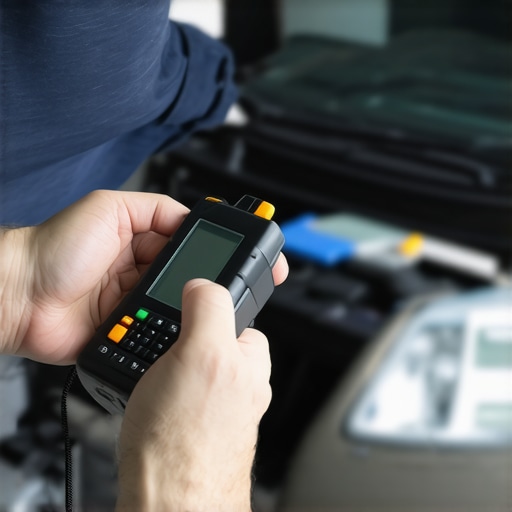
Sometimes, the root cause isn’t visible. Using an OBD-II scanner can uncover sensor faults or other issues affecting stability. Plugging in a diagnostic tool revealed a speed sensor error during a recent drive, which was causing inaccurate stability control signals. Addressing this corrected the drift, exemplifying how diagnostics can save you from guesswork. For a comfortable and safe ride, integrate diagnostics into regular vehicle maintenance—it’s like getting a health checkup for your car.
Assess and Maintain Proper Suspension and Steering Alignment
Finally, schedule a professional alignment and suspension check if the floaty feeling persists. Proper alignment ensures your wheels point straight and your steering is predictable. During my experience, a quick alignment job at my local shop eliminated the float, making my driving smoother. Regular alignment, especially after hitting potholes or curbs, preserves vehicle stability and prolongs tire life. Remember, a correctly aligned vehicle handles better and keeps you safer on the highway.
By systematically checking these core components—tires, alignment, suspension, and diagnostics—you can significantly improve your vehicle’s stability at high speeds. Consistent maintenance and timely repairs prevent the small issues from escalating into costly repairs, ensuring your driving remains smooth and confident on busy highways.
Many car owners walk into repair shops with a set of beliefs that, while widespread, can be misleading or outright wrong. As an automotive enthusiast and experienced mechanic, I’ve seen countless cases where misconceptions about oil changes, brake services, or diagnostics lead to unnecessary expenses or overlooked issues. Let’s dispel some of these myths and uncover the hidden nuances that can make or break your vehicle’s longevity and safety.
One prevalent myth is that an oil change every 3,000 miles is a strict requirement for all engines. While this was true decades ago, modern synthetics and engine designs have extended oil life significantly. Many vehicles now comfortably run 7,500 to 10,000 miles between changes—if you follow your manufacturer’s guidelines. Rushing to change oil prematurely not only wastes money but can also expose your engine to unnecessary drain and refill procedures. For authoritative advice, check out oil change innovations that detail how technology has evolved to protect your engine better than ever.
Is It Better to Ignore Brake Noise Than to Replace Brake Pads?
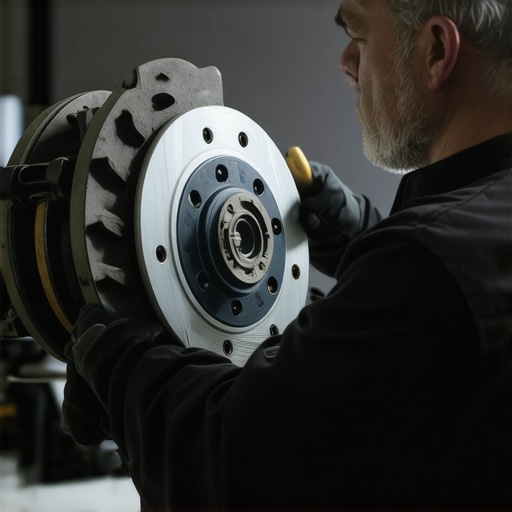
Many drivers dismiss the squeal or groan from their brakes as just a minor annoyance, forgetting that these sounds often indicate worn brake pads. Ignoring this warning can lead to metal-on-metal contact, damaging rotors and increasing repair costs. Genuine safety isn’t just about stopping power; it’s also about understanding the subtle signals your vehicle provides. Regular brake service, rather than delaying repairs, can save you money in the long run. For common misconceptions, visit brake service myths busting.
Another point often overlooked is that vehicle diagnostics go beyond reading error codes. Many assume that a failed sensor means replacing the entire component, but in reality, advanced diagnostic tools can pinpoint whether a sensor is faulty or simply needs recalibration. Some shops promote unnecessary replacements, which inflate bills, when a simple software update or cleaning could suffice. To understand how diagnostics can be your best friend, see decoding vehicle diagnostics.
Let’s not forget the common misconception that DIY repairs always outperform professional service. While it’s true that some basic maintenance can be done at home, neglecting the intricacies of vehicle systems can lead to costly mistakes. For example, not correctly balancing wheels or misaligning suspension parts can cause uneven tire wear or unsafe driving conditions. Remember, the complexity of today’s vehicles demands a nuanced approach—what seems simple on the surface might have hidden pitfalls.
Ever fallen into the trap of thinking that a quick fix will solve a long-term problem? Share your experiences below! The road to reliable, safe driving is paved with understanding these nuanced truths rather than relying on myths and misconceptions left unchecked. Dive deeper into auto repair knowledge and protect your investment by staying informed.
Keep Your Vehicle Running Smoothly with the Right Tools
Maintaining your vehicle over the years requires more than just good intentions; it demands the right equipment and techniques to ensure longevity and safety. One tool I personally rely on is a high-quality OBD-II diagnostic scanner. Unlike basic code readers, my preferred model offers live data streaming and supports real-time parameter logging, which allows me to diagnose issues more accurately and efficiently. For example, when I notice subtle fluctuations in my engine’s behavior, I can plug in my scanner and see if sensors like the MAF or oxygen sensors are behaving outside their normal ranges—helping me catch problems before they escalate.
Investing in a tire pressure monitoring system also proved invaluable. I installed a set of wireless tire sensors that sync with my smartphone. This setup constantly tracks tire pressure and temperature, alerting me to any anomalies that could affect handling and fuel economy. This proactive approach not only extends tire life but also improves overall vehicle stability—particularly important for highway driving, where even minor issues can cause drifting or floaty sensations.
Long-Term Results Come from Consistent, Informed Maintenance
Modern auto tools don’t just help you diagnose; they empower you to perform targeted repairs, preventing costly breakdowns down the line. Routine use of diagnostic software can reveal issues like misfiring cylinders or coolant system problems early, saving you from major repairs in the future. Additionally, a digital torque wrench ensures that parts like spark plugs or wheel nuts are tightened to manufacturer specifications, which is critical for safe, long-lasting repairs.
In my experience, combining these tools with a proactive maintenance schedule—like regular oil changes using the latest in synthetic formulations, or timely brake inspections—creates a cycle of ongoing vehicle health. For detailed strategies on extending your vehicle’s lifespan, check out auto repair tips for longevity.
Scaling Up Your Maintenance Routine
As your vehicle ages, automation and advanced diagnostics become even more vital. Installing an onboard monitoring system can provide early warnings for potential issues, allowing you to schedule repairs before failures occur. Looking ahead, the trend points toward integrating vehicle data with mobile apps, making real-time health checks accessible anywhere. Embracing these innovations now will prepare you for the future of auto care.
Wondering How to Maintain Peak Performance Over Time?
The key is systematic, informed upkeep. Regularly scanning your vehicle with an advanced OBD-II device, maintaining proper tire pressure, and following manufacturer-recommended service intervals form the backbone of reliable, safe driving. Don’t overlook small issues—they can mask bigger problems that threaten your safety and wallet. Try setting up a monthly diagnostic check and see how early detection transforms your maintenance routine. Remember, consistent care today ensures smooth rides tomorrow. For a comprehensive guide on diagnostics, visit decoding vehicle diagnostics.
Finally, always keep your tools organized and accessible. A dedicated toolbox containing a digital multimeter, torque wrench, and quality cleaning supplies will make ongoing maintenance more manageable and effective. Investing in these tools isn’t just about fixing problems; it’s about building a sustainable approach to keeping your vehicle healthy for years to come.
Lessons that Changed My Approach to Auto Care
One of the biggest realizations I had was that many driving issues, like a floaty feeling on the highway, stem from simple, overlooked maintenance rather than complex mechanical failures. I once ignored a slight tire wobble, thinking it was minor, only to find out it was causing uneasy steering at high speeds. That taught me to trust my instincts and perform regular, thorough inspections. Additionally, I learned that diagnostics tools can reveal hidden problems—like a misbehaving sensor—that aren’t visible during a visual check. Embracing these insights has saved me thousands and made my drives safer and more enjoyable.
Gear Up with Trusted Tools for Auto Health
Over the years, I’ve found that investing in quality diagnostic scanners like [OBD-II tools](https://repairmycarpro.com/decoding-vehicle-diagnostics-what-your-car-is-trying-to-tell-you) has been transformative. They provide real-time data, helping identify issues before they escalate. A reliable tire pressure monitoring system ensures my tires stay within optimal PSI, preventing instability on highways. I also swear by a good torque wrench, which guarantees all bolts are tightened properly—crucial after wheel alignments or suspension work. These tools make maintenance less guesswork and more precision, keeping my car—and myself—safer.
Own the Road with Proven Auto Strategies
Staying proactive is key. Regularly scheduling professional alignments, keeping tires properly inflated, and performing early diagnostics have consistently kept my vehicle responsive and steady. Exploring resources like [top auto repair tips](https://repairmycarpro.com/top-auto-repair-tips-to-extend-your-vehicles-lifespan) has broadened my understanding and strengthened my confidence as a car owner. Remember, the goal isn’t just fixing problems—it’s preventing them and ensuring every drive feels smooth and secure. Combining knowledge with the right tools turns maintenance from a chore into a rewarding routine.
Insider Wisdom for Long-Term Vehicle Confidence
- Never underestimate the power of simple checks; a worn tire or misaligned wheel can cause major safety issues. When I overlooked a slow air leak, I almost had a blowout on the freeway—an eye-opener that timely attention saves lives.
- Stay away from myths—like the belief that only expensive shocks can stabilize your ride. Sometimes, a basic suspension inspection reveals worn components that are easy to replace and restore control.
- Diagnostics are more than just error codes—they tell stories. I once fixed an unstable steering problem by recalibrating a sensor, a task I would’ve missed without my trusted scanner.
- Tools tailored for auto care aren’t luxuries—they’re essentials. From tire pressure monitors to torque wrenches, equipping yourself empowers proactive maintenance and long-term savings.
- Consistent education transforms your relationship with your vehicle. Keep learning from reputable sources, and you’ll catch problems early, avoiding costly repairs and ensuring peace of mind on every highway journey.
Keep Moving Forward with Confidence
Your vehicle is more than just a way to get from point A to B—it’s an investment in your safety and freedom. By applying these insider lessons and embracing the right tools, you’re not just fixing problems—you’re building a resilient, reliable driving experience. So, what’s the next step you’ll take to elevate your auto care routine? Share your plans below—I’d love to hear your journey to better vehicle stability and peace of mind!