

I remember the first time I was running late and my car just wouldn’t start warming up. It was freezing outside, the engine barely idled, and I felt that familiar surge of frustration. That moment made me realize how much we rely on our vehicles to perform promptly, especially during cold mornings. But why does it take so long for some cars to get warm, and more importantly, what can we do about it? Today, I want to share my journey into diagnosing this sluggish warming problem and the practical steps I took to fix it.
The Cold Truth About Engine Warm-up Time
Many drivers notice their car’s engine seems to crawl lazily in the mornings, taking ages to reach an optimal temperature. This isn’t just a minor inconvenience; it affects your fuel efficiency, engine longevity, and comfort. A cold engine operates less efficiently, increasing wear and tear over time. Understanding the root causes can help you prevent costly repairs down the line and ensure your vehicle always starts the day on the right foot.
Is Your Car’s Warm-Up Delay Just Normal? Or Is It a Sign of Trouble?
Early in my car-owning days, I mistakenly thought that a slow warm-up was just normal for older vehicles. That was a costly mistake. The truth is, many issues—like a failing thermostat or old coolant—can significantly extend warm-up times or prevent proper engine operation. By diagnosing these problems early, you avoid premature engine stress and save money. For example, regular oil changes and coolant checks are key to keeping your engine warm-up efficient and reliable.
In the next sections, I’ll walk you through the common culprits behind slow engine warm-up and share how I identified and addressed them. Trust me, with a bit of knowledge and some simple tests, you can get your mornings back on track and keep your car running smoothly for years to come.
Check Your Coolant Levels and Quality
Start by inspecting your coolant reservoir. Low or old coolant reduces heat transfer, making your engine take longer to warm up. Remove the cap when the engine is cool and look for proper fluid levels, matching your vehicle’s specifications. If it’s low, top it up with the recommended type, or consider flushing and replacing the coolant, following this guide on coolant maintenance. I once overlooked my coolant, and my engine warmed up painfully slow until I replaced it—it’s a straightforward fix with big benefits.
Test or Replace Your Thermostat
The thermostat acts like a gatekeeper, regulating engine temperature by controlling coolant flow. A stuck-open thermostat allows coolant to circulate constantly, preventing the engine from reaching optimal temperature quickly. To test it, remove the thermostat and place it in hot water—if it opens too early or not at all, replace it. I replaced mine after noticing my engine was cold for ages, and it instantly warmed up faster. Remember, a properly functioning thermostat is vital for temperature regulation; consult specific guides for your model.
Inspect and Replace Worn Fuel or Air Filters
Clogged fuel or air filters can hinder combustion efficiency, causing sluggish warm-up because the engine struggles to operate optimally. Remove the filters and check for dirt or debris—if dirty, replace them. This is akin to breathing through a straw instead of an open window. I once cleaned my air filter and noticed my vehicle reached temperature quicker, saving fuel and reducing wear.
Evaluate the Condition of Spark Plugs and Ignition System
Weak spark can lead to incomplete combustion, requiring more time to heat up. Remove and inspect your spark plugs; if they’re dirty, fouled, or worn, replace them with new ones recommended for your vehicle. Proper combustion initiation is like igniting a fire—without a good spark, heat builds slowly. I replaced old spark plugs and felt an immediate improvement in engine responsiveness and warm-up time.
Monitor Engine Oil and Its Maintenance
Thick or dirty oil increases internal resistance, delaying warm-up. Use the proper grade of engine oil and change it at regular intervals. During my last oil change, switching to a synthetic blend reduced warm-up time significantly. Remember, clean oil is essential for quick heat transfer within the engine.
Perform a Diagnostic Check for Fault Codes
If your vehicle still warms slowly after these steps, plug into an OBD-II scanner to uncover potential sensor issues. Sensors like the coolant temperature sensor can malfunction, providing false readings that keep the engine running cold. I once used a [diagnostic tool](https://repairmycarpro.com/decoding-vehicle-diagnostics-what-your-car-is-trying-to-tell-you) to identify a faulty sensor, saving me from unnecessary repairs. Regular diagnostics can reveal lurking problems before they escalate.
Many car owners believe that auto diagnostics and repairs are straightforward, relying heavily on fancy gadgets or generic advice. However, the real nuance lies in understanding the intricate interplay of vehicle systems and avoiding common pitfalls.
Are You Falling for the Myth That All Diagnostic Tools Are Equal?
A prevalent misconception is that more expensive diagnostic scanners guarantee better results. While high-end tools are impressive, they often require experienced interpretation. For example, pinreading a sensor fault without considering the overall context can lead to misdiagnosis. Studies from automotive experts show that technician expertise combined with the right tools yields the best outcomes, emphasizing that technology alone isn’t enough.
Another nuanced aspect is the routine maintenance mindset. Many believe that an oil change or brake service is a simple, one-size-fits-all task. But, in reality, overlooking critical details—such as the correct oil grade or brake pad material—can accelerate wear and compromise safety. For instance, using incorrect brake fluid in a high-performance vehicle may cause brake fade, a subtle failure that’s often mistaken for more serious issues.
Common Mistakes That Can Cost You
A classic trap is ignoring the importance of detailed inspections before repairs. Jumping straight to replacing parts without proper diagnostics often results in unnecessary expenses. For example, a spongy brake pedal might be attributed solely to worn pads, whereas a hydraulic issue could be the root cause. This oversight is why comprehensive testing—like inspecting master cylinders or bleed valves—is essential. Additionally, many assume that all vehicle symptoms point to the same issue; however, symptoms like rough idling or poor acceleration can stem from unrelated problems like ignition coil failure or fuel delivery issues.
Make sure to leverage resources like vehicle diagnostic explanations to deepen your understanding and avoid superficial fixes. Remember, advanced diagnostics and careful troubleshooting are your best weapons against costly breakdowns. Don’t forget, consulting a seasoned mechanic with a keen eye for detail often makes all the difference.
Have you ever fallen into this trap? Let me know in the comments and share your experiences. Knowledge is power when it comes to keeping your vehicle in top shape.
Keep Your Vehicle Running Smoothly with the Right Tools
Maintaining a vehicle over years requires more than just basic knowledge; it demands specific tools and a disciplined approach. Personally, I rely on a combination of diagnostic scanners and quality repair equipment to stay ahead of potential issues. For example, owning an advanced OBD-II scanner allows me to read error codes precisely and interpret sensor data directly, saving time and preventing misdiagnoses.
Investing in a reputable digital multimeter helps me quickly check electrical connections and sensor voltages, which are critical in diagnosing engine warm-up problems. When combined with a coolant temperature tester, I can verify if the engine’s coolant system is operating correctly, ensuring optimal warm-up time and engine longevity. It’s these precise measurements that enable proactive maintenance rather than reactive repairs.
Tools That Promote Consistent, Long-Term Results
For ongoing vehicle health, I recommend regularly using a compression tester to monitor engine health, especially if you notice sluggish warm-ups or misfires. Additionally, a decent inspection mirror and flashlight set aids in inspecting hard-to-see areas like the underside of your vehicle or around the engine bay, catching leaks or corrosion early.
Embracing Technology for Better Maintenance
Leveraging software tools such as diagnostic app integrations helps record and analyze historical data, tracking changes over time. This allows for informed decisions about when to perform critical maintenance like oil changes, which correlates directly with engine temperature regulation and fuel economy.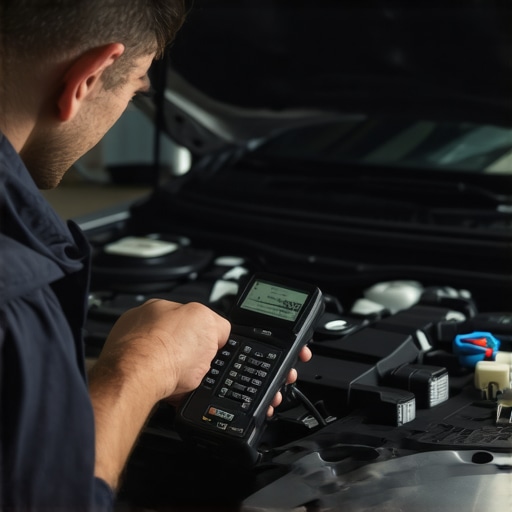
Using these tools consistently not only improves your diagnostic accuracy but also extends your vehicle’s lifespan, ensuring reliable performance day after day.
How do I maintain my vehicle’s diagnostic health over time?
The key to long-term maintenance is regular calibration and updating of your diagnostic equipment and software. For instance, keeping your scanner’s firmware current ensures access to the latest vehicle models and fault code definitions. Additionally, establishing a routine schedule for inspecting sensor connections, cleaning cooling systems, and replacing worn parts keeps your vehicle in top shape. I personally set quarterly check-ins using detailed reports from my diagnostic tools, which helps catch subtle issues before they become costly repairs. For more tailored techniques, check out essential repair strategies for frequent drivers to optimize your maintenance plan.
Starting with a reliable diagnostic scanner and regularly calibrating your tools can revolutionize how you care for your vehicle. Try incorporating a comprehensive diagnostic approach today, and experience the difference in your vehicle’s performance and lifespan. Proper maintenance tools, combined with a disciplined routine, will keep your vehicle humming reliably for years to come.
Lessons Behind the Garage Door
- One of the most valuable lessons I learned was that patience is your best tool when diagnosing engine warm-up issues. Rather than rushing into part replacements, observing patterns and understanding how different systems interplay saved me both time and money.
- I discovered that user experience matters. Listening carefully to my vehicle’s responses and noting subtle changes often pointed me toward obscure problems, like a sluggish coolant sensor or a sticking thermostat that I would have otherwise ignored.
- The importance of never underestimating maintenance habits became clear. Regular coolant flushes and sensor checks are just as crucial as infrequent oil changes—they keep your engine temperature regulation smooth and predictable.
- Learning from expert communities and forums provided insights I wouldn’t find in typical repair guides. Sharing experiences and troubleshooting tips created a support network that demystified complex diagnostics and empowered me to handle my vehicle confidently.
Tools and Resources That Make a Difference
- OBD-II Scanner: A reliable scanner, like the ones discussed here, helps reveal hidden sensor faults that slow down engine warm-up and can prevent further damage.
- Coolant Temperature Tester: Accurate temperature readings guide me to verify if the cooling system functions correctly, ensuring efficient engine warming and avoiding unnecessary repairs.
- Quality Replacement Parts: Using OEM-compatible thermostats and sensors recommended by trusted guides ensures longevity and compatibility, reducing the risk of repeat issues.
- Maintenance Guides and Forums: Engaging with detailed tutorials and vibrant communities provided the confidence to differentiate between normal quirks and genuine problems—like in top repair tips.
Embrace Your Inner Mechanic
Taking charge of your vehicle’s health, especially when tackling cold morning warm-up delays, is both empowering and rewarding. Every diagnostic step is an investment in your car’s longevity and your peace of mind. Remember, even small improvements—like maintaining proper coolant levels or replacing a stuck thermostat—add up to a smoother, more reliable ride. So, why not start today? Your vehicle will thank you, and you’ll develop skills that keep you confident in any DIY repair adventure.
Have you ever struggled with diagnosing a sluggish warm-up? Share your experiences and tips below—let’s learn from each other’s journeys to better car care.