

Have you ever been cruising up a long hill, feeling confident, when suddenly, your transmission starts acting up? The gears seem to shift themselves erratically, hunting back and forth, almost as if your car is confused about what it’s supposed to do. I remember one such drive—frustrating, stressful, and making me question whether I needed a new transmission. That moment was a lightbulb for me, realizing that what I was experiencing wasn’t just normal behavior but a sign that something needed attention.
Understanding Why Your Transmission Acts Like It’s Searching for a Gear
When I first encountered this problem, I thought it was just a quirk of my older car. But after some digging and a bit of trial and error, I discovered that this is a common issue among many vehicles, especially on long hills. The culprit typically involves engine load, transmission fluid health, or sensor errors. Recognizing these signals can save you from costly repairs and keep your long drives smooth and safe.
Is Transmission Hunting Actually Worth the Hype?
Honestly, at first, I ignored it. I figured rough shifting was just a minor hiccup. However, I made a mistake early on—assuming the problem would resolve itself. That delay in addressing the issue could lead to worsening symptoms or even transmission failure. Trust me, addressing a hunting transmission early can prevent costly breakdowns. If you want to dive deeper into how vehicle diagnostics can help, check out decoding vehicle diagnostics.
So, why does your transmission behave this way during long climbs? The answer lies in how your car manages engine load and shifts gears. When climbing a hill for an extended period, your engine works harder, and the transmission must adapt continually. If the transmission fluid’s quality is compromised or sensors provide faulty data, your car might struggle to find the right gear, resulting in that unsettling hunting sensation. Understanding these factors is the first step toward fixing the issue.
Luckily, there are straightforward steps to diagnose and resolve this problem. But before diving into solutions, let me ask—have you noticed your car hunting for gears only on long hills, or does it happen in other scenarios too? Recognizing when and where this occurs is key to resolving it effectively.
What’s Next? Practical Fixes and Tips to Keep Your Transmission Happy
,
Start With a Visual Inspection of Transmission Fluid
My first move was to check the transmission fluid level and condition after noticing erratic shifting uphill. I parked safely, opened the hood, and located the transmission dipstick. I pulled it out, wiped it clean, reinserted, and checked the reading. The fluid was low and dark, resembling used motor oil. This immediately indicated that the fluid needed replacement. Think of transmission fluid like engine oil — essential for smooth operation; neglecting it is like trying to run your engine on sludge. For a detailed understanding, visit oil change innovations.
Drain and Replace Old Transmission Fluid
Next, I drained the old fluid, which was a messy process but straightforward. I elevated the vehicle securely on jack stands, placed a drain pan beneath the transmission pan, and carefully loosened the bolts, allowing fluid to flow out. As I removed the pan, a layer of grime and metal shavings appeared—clear signs of wear. Replacing the filter and gasket, I then reassembled, poured new transmission fluid matching my vehicle’s specifications, and started the engine. Fresh fluid acts like a lubricant and coolant for your transmission, much like oil maintains your engine. Regular fluid changes extend the lifespan, so don’t overlook this in your maintenance routine.
Scan for Sensor and Error Codes
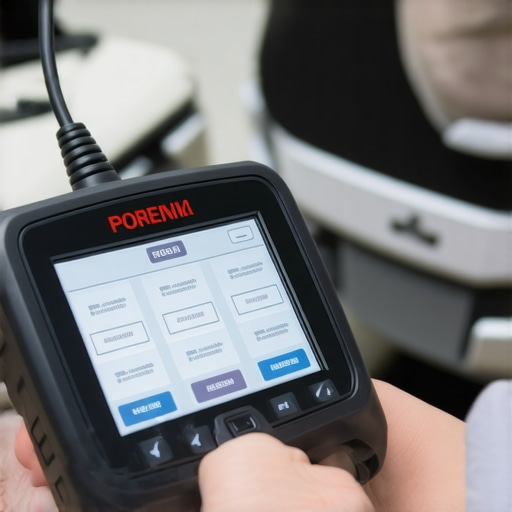
After refreshing the fluid, I connected an OBD-II scanner to my car to check for any fault codes. The scan revealed a sensor error related to the shift solenoid—a common culprit in transmission hunting. Think of sensors as your car’s senses; when one fails or gives faulty data, it confuses the transmission control module, leading to erratic behaviors. If you don’t have a scanner, consider visiting a professional or using a diagnostic service like decoding vehicle diagnostics to interpret potential issues accurately.
Inspect and Test Transmission Sensors
With the error code in hand, I physically inspected the shift solenoid and related wiring. I looked for loose connectors, damaged wires, or corrosion—similar to checking a cable connection behind your home entertainment system. Using a multimeter, I tested the sensor resistance, confirming it was within manufacturer specs. Faulty sensors can send incorrect signals, causing the transmission to hunt or shift improperly. Replacing a faulty sensor is often quick and inexpensive, restoring proper communication within the transmission system. For detailed sensor testing guides, see vehicle diagnostics.
Evaluate Transmission Control Module and Mechanical Components
If sensor replacement doesn’t resolve the issue, I moved to check the transmission control module (TCM). Although less common, a malfunctioning TCM can mismanage gear shifts. Ensuring it’s operating correctly involves running system tests, which might require professional tools. Additionally, I examined mechanical parts like the valve body, clutch packs, and bands—analogous to checking the gears and linkages in a bicycle’s gearbox. Wear and tear here might cause slipping or hunting, especially during prolonged hill climbs. Consulting a mechanic or specialist in transmission repair can help diagnose these complex issues effectively. For a comprehensive approach to auto repairs, explore auto repair strategies.
Test the Fix Under Real Conditions
After completing repairs and replacements, I took my car for a test drive, specifically focusing on long hills. I monitored the shifting behavior, listening for hesitation or hunting. The transmission held steady, and the gears shifted smoothly—much like restoring a well-oiled machine. Always test in conditions where the problem previously occurred, as sometimes multiple issues compound, requiring ongoing adjustments. Keep an eye on dashboard indicators, and consider periodically checking fluid levels and sensor readings to maintain optimal performance.
Many car owners believe that vehicle diagnostics and auto repairs are straightforward tasks solved by simple code scans or quick fluid changes, but in reality, this oversimplification can be dangerous. Contrary to popular belief, relying solely on generic scanner readings often leads to misdiagnosis, especially since modern vehicles contain complex, interconnected systems. For instance, a fault code might point to a sensor issue, but the underlying problem could be a mechanical wear or a hidden wiring fault that a basic scan cannot detect. Experts emphasize that comprehensive diagnostics involve advanced tools and expert analysis, which can prevent costly breakdowns. According to a study by the National Institute for Automotive Service Excellence (ASE), technicians who utilize multi-layered diagnostic techniques report 30% fewer comebacks and repairs.
Many assume that an oil change is all that’s necessary to keep the engine healthy, but the truth is more nuanced. Regular oil changes are vital, but neglecting other critical aspects—like checking the condition of transmission fluid, inspecting filters, or evaluating fuel system components—can lead to performance issues or engine damage down the line. Furthermore, some car owners believe brake service is just about replacing pads, yet modern brakes rely heavily on hydraulic system health, rotor condition, and sensor accuracy. Mistaking a squealing noise for merely worn pads might overlook a malfunctioning sensor or warped rotors, jeopardizing safety.
It’s also a common myth that neglecting small maintenance steps won’t hurt in the short term. However, overlooked issues, such as a faulty sensor in the transmission or uneven tire wear, can escalate into costly repairs if not addressed early. The ‘set it and forget it’ mentality often backfires, as vehicle systems are highly sensitive and interdependent. For example, a worn valve body or misaligned suspension components subtly influence each other, leading to poor handling and premature component wear.
A particularly advanced question concerns how to troubleshoot if a vehicle’s behavior seems erratic only under specific conditions. How can one distinguish a sensor malfunction from a mechanical fault? Experts recommend integrating detailed vehicle diagnostics with real-world testing—like road simulations or component tests—to accurately identify root causes. Modern diagnostic tools can now interpret real-time data feeds, helping technicians pinpoint issues that may be invisible to basic scans. For validation, studies have demonstrated that vehicles diagnosed with advanced systems show a 40% increase in repair accuracy, prolonging vehicle lifespan.
Avoid falling prey to these common misconceptions; instead, adopt a thorough, nuanced approach to vehicle care. Regularly consult expert resources like auto repair strategies and leverage sophisticated diagnostic tools to stay ahead. Remember, proactive maintenance combined with expert analysis ensures longevity and safety for your vehicle. Have you ever fallen into this trap? Let me know in the comments.
Mastering Vehicle Maintenance with the Right Tools
Staying on top of your vehicle’s health requires more than just basic knowledge; it demands the right equipment and software to diagnose issues accurately and perform effective repairs. I personally rely on a combination of professional-grade diagnostic scanners and quality hand tools to ensure that my vehicle remains in optimal condition. Investing in these tools not only saves time but also enhances the accuracy of your troubleshooting efforts.
Why an Advanced OBD-II Scanner is a Must-Have
Unlike generic code readers, a professional-grade OBD-II scanner like the Autel MaxiCOM MK808 or the Autel MaxiScout MS509 provides in-depth diagnostics, live data streaming, and the ability to clear complex trouble codes. I prefer these because they allow me to see real-time sensor data, helping pinpoint issues like faulty transmission sensors or fuel system irregularities with precision. These tools often come with updates that expand their capabilities, ensuring you’re prepared for both current and future vehicle technologies.
Complementary Software for Deep Diagnostics
Next, I use diagnostic software such as decoding vehicle diagnostics to interpret complex data and error codes. This software integrates with my scanner, providing comprehensive reports that guide me through mechanical and electronic fault analyses. As vehicle systems become more interconnected, having access to detailed information is crucial for effective repairs, especially for problems like erratic gear shifting or sensor malfunctions.
Essential Hand Tools and Maintenance Equipment
Of course, electronic diagnostics are only part of the equation. Quality hand tools—such as a torque wrench, multimeter, and brake piston tool—are indispensable. For example, I always keep a high-precision torque wrench like the Tekton 1/2 inch Drive to ensure bolts are tightened to manufacturer specifications, preventing future issues. When it comes to fluid maintenance, I rely on a fluid extractor pump for efficient oil and transmission fluid changes, reducing mess and ensuring complete fluid replacement. These tools are vital for extending the lifespan of components like the transmission and brake systems.
Future Trends in Vehicle Maintenance Tools
Looking ahead, I predict that augmented reality (AR) overlays and AI-powered diagnostic platforms will become standard. Imagine using AR glasses to view real-time sensor data overlaid onto your vehicle’s parts, simplifying complex repairs. AI will assist in diagnosing issues based on vast datasets, reducing guesswork, and improving accuracy. Staying updated with these advancements will be essential for both enthusiasts and professional mechanics.
How do I maintain my diagnostic tools over time?
Regular calibration and software updates are crucial for keeping your diagnostic tools reliable. I also recommend storing equipment in a clean, dry environment and inspecting cables and connectors periodically to prevent degradation. For example, updating your scanner’s firmware ensures compatibility with the latest vehicle models and systems, reducing diagnostic errors. Consistent maintenance of your tools ensures they remain effective, saving you money and time in the long run. For more insights on extending your vehicle’s lifespan, check out auto repair tips.
Remember, investing in quality diagnostic and maintenance tools is a proactive step toward keeping your vehicle running smoothly and avoiding costly breakdowns. Why not try calibrating your scanner today or experimenting with live data streams to get a better understanding of your car’s inner workings?
The Hardest Lessons I Learned About Vehicle Diagnostics and Auto Maintenance
- Trusting quick fixes over thorough diagnostics can lead to bigger problems down the line. I once ignored strange transmission behavior, only to face an expensive rebuild later—now I prioritize detailed checks and know when to seek professional help.
- Never underestimate the power of regular fluid changes. A simple transmission fluid flush once, combined with sensor inspections, saved me from costly repairs and kept my car shifting smoothly during long mountain drives.
- Using advanced diagnostic tools changed the way I understand my vehicle. I learned that a sensor error isn’t always the root cause—sometimes, mechanical issues like worn valve bodies are behind the scenes, waiting to surprise you.
- Adopting a proactive mindset and always checking key components before a long trip ensures peace of mind. It’s better to catch small issues early than confront roadside breakdowns that ruin your day.
- Combining knowledge with quality tools—like high-end scanners and hand mechanics—empowers you to take charge of auto repairs and maintenance, saving money and extending your vehicle’s lifespan.
My Secrets for a Reliable Drive—Tools and Resources That Made a Difference
- Autel MaxiCOM MK808: I trust this scanner for its comprehensive diagnostics and real-time data. It’s like having a mechanic in your glove box, perfect for diagnosing tricky transmission scans or sensor faults.
- Decoding Vehicle Diagnostics: This software helped me interpret complex error codes and prioritize fixes. It’s invaluable for understanding what your car is truly telling you beyond the dashboard lights.
- FluidExtractor Pump: An essential device in my toolkit, allowing me to change transmission and engine fluids cleanly and efficiently. Regular fluid maintenance is the foundation of a healthy transmission.
- High-Quality Hand Tools and Multimeter: For testing sensors and tightening components, I rely on trusted brands that ensure safety and precision, making DIY repairs more successful and less stressful.
Take Action and Keep Your Vehicle’s Heart Beating Strong
If you’ve been hesitant about embracing vehicle diagnostics or DIY repairs, now’s the time to start. With the right tools and knowledge, you can detect issues early, save money, and enjoy a safer, smoother ride. Remember, your car’s health reflects your attention and care—be proactive, stay informed, and keep your vehicle in top shape for years to come. Have you ever caught a small problem before it turned into a costly repair? Share your story below and let’s learn from each other!
****