

One morning, I hop into my car, turn the key, and instead of that smooth, confident response I expect, I’m met with stiff steering and a sluggish feel for the first five minutes. It’s like trying to steer a ship on dry land. Frustrating, right? That moment of uncertainty made me realize—there’s more to this than just an annoyance. It’s a signal that something’s not quite right under the hood, and ignoring it could lead to more serious issues down the road.
Understanding the Hidden Causes of First-Minute Stiffness in Your Steering
Many drivers experience this initial stiffness, especially in colder weather or after a long drive. The surprising part? It’s often a sign of a minor issue that’s easily fixable—if you know what to look for. Today, I want to share my journey from frustration to understanding, so you can avoid unnecessary repairs and keep your vehicle running smoothly from the moment you turn the key.
Is Your Car Troubleshooting Really Worth It?
Initially, I thought this was just a cold-weather quirk or bad luck. I ignored it, assuming it would go away. But that mistake taught me a valuable lesson. Sometimes, the smallest warning signs are the first indicators of bigger problems—like low power steering fluid, worn-out pump components, or other hydraulic issues. For example, I once overlooked a leak that caused my steering to feel heavy, which could have been caught early with proper diagnostics. If you’re wondering whether this is just a fleeting inconvenience or something more serious, I encourage you to consider what your car might be telling you. For more insights, check out how advanced vehicle diagnostics can prevent costly breakdowns.
Jumpstart Your Vehicle Diagnostics
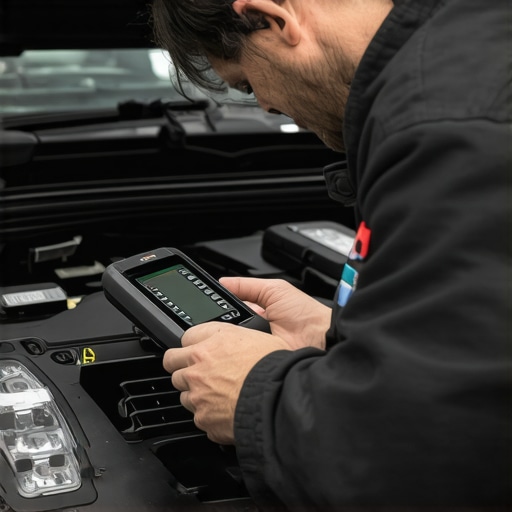
Start by checking for obvious signs like fluid leaks, worn belts, or loose wires. Use a diagnostic scanner to read error codes—think of it as giving your car a quick check-up. When I first used one, I connected the scanner confidently, and it instantly pointed out a faulty oxygen sensor—saving me a trip to the shop. Regular diagnostics can reveal issues before they escalate, much like a doctor’s check-up.
Perform a Visual Inspection
Remove the hood and examine critical components: look for cracked hoses, corroded batteries, and dirty terminals. I once spotted corrosion on my battery terminals that caused intermittent starting issues. Cleaning them with a wire brush and applying some terminal protectant immediately improved my start-up reliability. Think of this inspection as giving your vehicle a health scan—spotting early signs of trouble.
Replacing and Servicing Essential Parts
Change engine oil regularly using quality products—this is the foundation of engine health. Imagine your engine as a heart—fresh oil is its blood, keeping everything flowing smoothly. Use our oil change tips to learn the latest techniques that can extend your engine’s lifespan. Remember, regular oil changes prevent sludge buildup and reduce wear.
Brake service is another critical area. To ensure safe stopping, inspect brake pads, rotors, and fluid levels. I once replaced worn-out brake pads myself, leveraging a quick-release tool for easier installation. Think of your brakes as the car’s shoes—wear them out, and stopping becomes a challenge. For detailed guidance, check out brake service essentials.
Calibration and Fine-Tuning
After replacing parts, calibration ensures everything works harmoniously. For example, resetting the tire pressure monitoring system after inflating your tires prevents false alarms. I learned to do this by following my vehicle’s manual, which saved me a trip to the dealer. Proper calibration keeps your vehicle running optimally and avoids unnecessary repairs.
Test Drive and Confirm Repairs
Always take a test drive after repairs. Listen and feel for unusual noises or vibrations. I once replaced my power steering fluid, but during the test drive, I noticed a slight whining. That led me to double-check the pump belt, which was slightly worn. Fine-tuning is the key—think of it as tuning a musical instrument to hit the right notes.
Keep Training Yourself
Auto repair knowledge is empowering. Start with simple tasks like checking fluid levels or changing air filters. Use trusted resources, such as vehicle diagnostics decoding, to better understand what your car communicates. Hands-on practice builds confidence, making your vehicle maintenance more cost-effective and less intimidating.
Even experienced car owners often fall prey to misunderstandings that can lead to costly repairs or missed warning signs. One of the biggest myths is believing that “getting an oil change every 3,000 miles is always necessary.” In reality, many modern engines and synthetic oils can last 5,000 to 7,500 miles between changes, provided your driving conditions are normal. Overmaintenance isn’t just wasteful; it can sometimes cause more harm by introducing contaminants during unnecessary oil drains. Read more on advanced oil change practices to keep your engine healthy without overdoing it.
Maintaining your vehicle’s performance over time requires more than just routine check-ups; it demands the right tools, consistent strategies, and a proactive mindset. As someone passionate about auto repair, I’ve found that investing in quality equipment and software can dramatically simplify diagnostics and repairs, saving both time and money.
Investing in Diagnostic Tools for Long-Term Savings
My go-to device is a Bluetooth OBD-II scanner like the BlueDriver. I personally use it because it offers comprehensive error code reading, live data streaming, and easy-to-understand reports on my smartphone. This tool allows me to identify issues early—before they become costly problems. Incorporating this device into my maintenance routine has prevented many roadside breakdowns, as I can monitor critical engine parameters regularly.
Moreover, pairing your scanner with diagnostic software such as decoding vehicle diagnostics elevates your troubleshooting capabilities. I recommend keeping a digital log of error codes and repair actions. Over time, this data becomes invaluable, revealing patterns and helping you predict future issues.
Tools That Empower Effective Maintenance
Beyond diagnostics, basic hand tools remain essential. I swear by a set of high-quality ratchets, torx bits, and a magnetic pickup tool. These might seem simple, but they enable you to perform tasks like changing brake pads or replacing sensors without always needing a mechanic. For more advanced work, I keep a cotter pin plier and a digital torque wrench—these ensure parts are secured correctly and prevent over-tightening that could damage components.
Maintaining Your Vehicle with Consistency and Care
Scheduling regular inspections—like fluid checks, brake pad thickness evaluations, and tire rotations—extends your vehicle’s lifespan. Utilizing your diagnostic tools to monitor sensor data helps pinpoint issues like uneven tire wear or deteriorating brake calipers. I use a handheld infrared thermometer during inspections to measure engine and brake component temperatures, aiding early detection of overheating or excessive wear.
Looking ahead, the trend is moving toward more sophisticated diagnostic systems integrated with vehicle networks. These systems will provide real-time alerts on your dashboard, guiding maintenance decisions before problems escalate.
How do I maintain vehicle diagnostics over time?
It’s vital to regularly update your diagnostic software, calibrate sensors when needed, and log error codes and repair history. This practice creates a personalized maintenance archive that enhances troubleshooting efficiency. Remember, consistent use of quality tools, like a reliable scanner and precision torque wrench, not only keeps your vehicle running smoothly but also minimizes unexpected repairs. I encourage you to try calibrating your tire pressure monitoring system after your next tire rotation—it’s an easy task that pays off in safety and performance.
The Hardest Lesson I Learned About oil change, brake service, vehicle diagnostics, auto repair
One key moment was realizing that ignoring small warning signs, like a subtle steering stiffness, could lead to major failures. Early detection through routine diagnostics often saves hundreds of dollars and hours of frustration.
3 Myths About oil change, brake service, vehicle diagnostics, auto repair That Held Me Back
Believing that more frequent oil changes always mean better engine health, or that vehicle diagnostics are only for serious issues, prevented me from practicing preventive maintenance and understanding my car better.
What Experts Won’t Tell You About oil change, brake service, vehicle diagnostics, auto repair
I discovered that investing in quality tools like a Bluetooth OBD-II scanner and learning hands-on maintenance boosts confidence and extends vehicle lifespan. Regularly updating your knowledge makes the difference between reacting and preventing problems.
Curated Recommendations for Your Auto Care Journey
- BlueDriver Bluetooth OBD-II scanner: I trust this because it provided quick, accurate error codes, saving me trips to the mechanic.
- The Ultimate Guide to Brake Service for Safety and Performance: Offers comprehensive insights that helped me avoid costly brake failures.
- Decoding Vehicle Diagnostics website: It demystifies error codes, empowering me to troubleshoot effectively.
- Top Auto Repair Tips to Extend Your Vehicle’s Lifespan: Practical advice that I apply every season for optimal maintenance.
Take Action and Keep Improving
Maintaining your vehicle with care and the right tools isn’t just about repairs—it’s about empowering yourself. Whether you’re checking fluid levels, calibrating sensors, or reading error codes, your proactive approach makes a real difference. Remember, the more you learn, the more confident you’ll be in keeping your car in top shape. What small maintenance task will you tackle today to keep your vehicle running smoothly? Let me know below!