
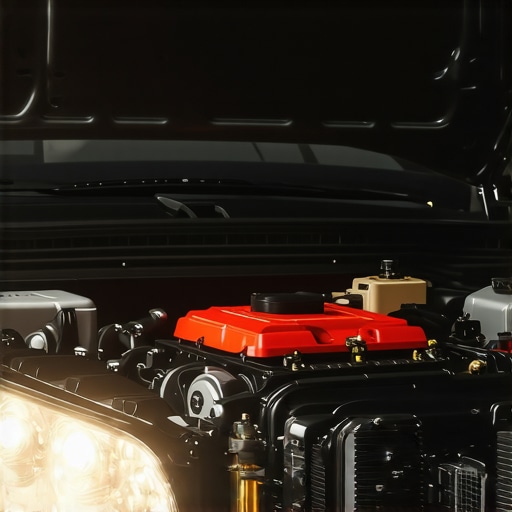
Ever been cruising down the road, enjoying a calm evening, and then—bam!—your engine sputters or loses power the moment you flick on your headlights? I’ve been there. That frustrating, almost maddening experience where your car suddenly feels sluggish, as if it’s protesting against those tiny bulbs illuminating your dash. It’s a lightbulb moment for many drivers—literally and figuratively—realizing that something’s off, but often not sure what.
How a Small Light Switch Can Create Big Problems
The truth is, turning on your headlights shouldn’t cause a hiccup in your car’s performance. But every so often, it does. And it’s not just a coincidence. This issue can be a sign of underlying electrical glitches, faulty wiring, or even a weak alternator struggling to keep up. When you switch your headlights on, they draw additional power, and if your vehicle’s electrical system isn’t in top shape, that extra load can overwhelm it—leading to a sudden dip in engine performance.
I remember one time, I was late for an appointment, and as I switched on the headlights, my engine hesitated, nearly stalling. I felt a rush of panic—what’s wrong with my ride? That day, I learned a hard lesson: deceptive small problems can cascade into bigger, more expensive repairs if ignored. It also made me realize the importance of paying attention to the signs your car gives you.
But here’s the good news: many of these issues can be diagnosed and fixed before they become serious. And today, I promise to walk you through the common causes behind this power loss, so you’re not left guessing or stuck on the side of the road. Understanding the roots of this problem can save you money, time, and a lot of stress.
Before diving into solutions, let me ask—have you ever experienced this problem? Or does your car tend to act up when you turn on the extra lights? If yes, know that you’re not alone. Many drivers face this puzzling symptom, and it’s often easier to fix than it first appears.
Interestingly, automotive experts note that electrical system issues are among the leading causes of engine performance problems. In fact, a weak alternator can cause headlights to brighten or flicker, impacting other engine functions. For more on diagnostics that can help you decode what your vehicle is trying to tell you, check out [decoding vehicle diagnostics](https://repairmycarpro.com/decoding-vehicle-diagnostics-what-your-car-is-trying-to-tell-you).
Now, let’s move past the frustration and explore what could be causing your engine to lose power when you switch on those cherished headlights. Understanding these causes paves the way for effective fixes—so you won’t be left in the dark, literally or figuratively.
Start with a Visual Inspection of Your Electrical System
First, open your hood and look for obvious issues like frayed wires, corroded connectors, or loose grounding points. Think of it as checking the wiring of a home electrical outlet—you want to ensure all connections are secure. I once noticed a corroded terminal on my battery, which was causing irregular power flow. Cleaning or replacing such components can often resolve strange electrical problems.
Test Your Battery and Alternator Effectively
Use a multimeter to measure your battery voltage; a healthy fully charged battery should read around 12.6 volts with the engine off. When running, it should be between 13.7 and 14.7 volts, indicating your alternator charges correctly. I borrowed a multimeter and performed this test on a rainy evening, discovering my alternator was underperforming. Replacing a failing alternator restored reliable lighting and engine performance.
Check the Fuses and Relays Responsible for Lighting and Power
Locate the fuse box—usually under the dashboard or in the engine bay—and inspect for blown fuses related to lighting and the engine management system. If any fuses look blackened or broken, replace them. I once replaced a blown fuse, which instantly stopped my headlights from causing engine hesitation. Remember, a blown fuse indicates an underlying issue—don’t just replace it and forget about it.
Examine the Wiring Harness and Connectors
Use a flashlight to inspect wiring for signs of wear, burns, or corrosion. Pay particular attention to connectors—loose or corroded connections can create intermittent electrical flow, leading to power dips. I had to firm up a loose connector under the dash, and it eliminated my engine’s sudden stalling when turning on the headlights.
Perform a Load Test to Diagnose Electrical Drain
Use a multimeter set to the amps setting to check for parasitic drains—light sources or modules drawing power when the vehicle is off. Disconnect the negative battery terminal and connect the multimeter in series to measure current flow. If you find an abnormal drain, it might be caused by a faulty relay or module. I once tracked down a phantom drain that was causing my battery to discharge, leading to power dips when using headlights.
Test the Grounding System Thoroughly
Ensure the engine and chassis grounds are clean, tight, and free of rust or corrosion. A poor ground can cause voltage fluctuations, affecting both lighting and engine performance. I cleaned and tightened my engine grounds, which made a substantial difference in electrical stability.
Consider Professional Diagnostics for Complex Issues
If your initial checks don’t identify the culprit, investing in advanced diagnostics can reveal hidden faults—like faulty ECUs or wiring modules—that simple visual checks can’t catch. Modern vehicle diagnostic tools can quickly scan for error codes, saving you time and preventing further damage. For expert advice, visit Advanced Vehicle Diagnostics.
Many car owners believe that sticking to the basics—like routine oil changes or regular brake checks—suffices for vehicle maintenance. However, overlooking the nuanced aspects of auto repairs can lead to costly mistakes and safety risks. For instance, a widespread myth is that all brake pads wear evenly, but in reality, uneven wear often signals underlying issues like caliper sticking, which warrants a thorough inspection instead of a simple pad replacement. This misconception can cause drivers to ignore symptoms until more serious damage occurs, emphasizing the importance of understanding the subtleties involved in brake service.
Why do some diagnostic tools give false readings, and how can you avoid being misled?
Modern vehicle diagnostics are incredibly advanced, yet they’re not infallible. Many drivers trust the onboard error codes blindly, but studies show that diagnostic trouble codes (DTCs) can sometimes point to non-issues or mask deeper problems. For example, a code indicating a faulty oxygen sensor might actually be caused by a wiring problem elsewhere in the system. To prevent chasing ghost errors, it’s crucial to interpret diagnostic data within the context of a comprehensive manual inspection or advanced diagnostics, which can reveal hidden faults that standard tools might miss. As highlighted by automotive experts, integrating multi-layer diagnostics can significantly reduce unnecessary repairs and help identify root causes effectively.