
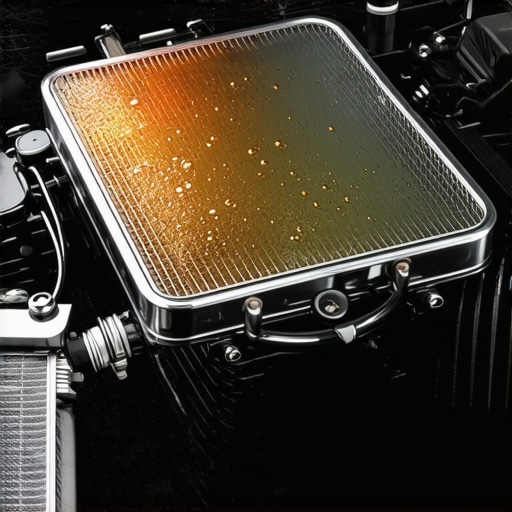
Ever had that sinking feeling while car shopping or during a routine check—that moment when you lift the hood and see your coolant reservoir bursting with bright, clean fluid, yet your radiator appears eerily empty? I remember the first time I faced this puzzle. I thought, ‘Did I just misjudge my car’s cooling system?’ Turns out, this seemingly simple issue can hide some pretty sneaky problems that could cost you dearly if you ignore them.
Decoding the Coolant mystery: Why the reservoir and radiator don’t match
Is it really safe to ignore a full reservoir but an empty radiator?
As I share my own slip-ups early on—like assuming a full reservoir meant all was well—I hope to build your trust. Misjudging this can lead to engine overheating or worse, a blown head gasket. It’s more common than you think, and the good news is, understanding what’s happening can save you money and stress. In this post, we’re going to unravel this mystery and equip you with the knowledge to keep your cooling system in check. Want to avoid costly repairs? Keep reading, because I’ll walk you through simple checks and signs that every car owner should recognize.
Have you ever faced this puzzle with your car’s cooling system? Share your story! Before we jump into diagnostic steps, it’s important to understand the basics of how your cooling system works. Surprisingly, many overlook this crucial part, as I did early in my automotive adventures. According to automotive experts, a common mistake is to assume that the coolant level in the reservoir always reflects the radiator’s status, but it’s not always that simple (source).
Inspect the Coolant Reservoir
Start by ensuring the engine is cool to prevent burns and inaccurate readings. Open the hood and locate the coolant reservoir, typically a translucent plastic tank with ‘MAX’ and ‘MIN’ lines. Gently shake the car or wait at least 30 minutes after driving for the system to settle. Take note of the coolant level; it should be comfortably between the two marks. I remember a time I overlooked this step and wrongly assumed my radiator was full because the reservoir looked pristine, only to have my engine overheat on the highway—a costly lesson.
Check for Leaks and Blockages
Look for visible signs of leaks
Carefully examine hoses, clamps, and the radiator itself for wet spots, crusty deposits, or puddles. These could indicate leaks that cause coolant loss. Use a flashlight for better visibility. Once, I found a tiny crack at a hose clamp that was leaking coolant onto the engine block, which caused inconsistent temperature readings and engine overheating. Replacing the faulty clamp sealed the leak and saved a day in the garage.
Assess radiator condition
Inspect the radiator fins for dirt, debris, or corrosion. Use a soft brush or compressed air to clear obstructions. Blockages hinder heat dissipation, risking overheating. In one repair, I used compressed air to blow out leaves lodged in the radiator fins, restoring airflow and preventing a potential breakdown during a road trip.
Test the Cooling System Pressure
Use a radiator pressure tester to verify the system’s integrity. Attach the tester to the radiator cap and pump to the recommended pressure—usually indicated in your vehicle’s manual. Observe the gauge; if pressure drops quickly, it signals a leak or faulty cap. I once borrowed a pressure tester from a local parts store, and it revealed a worn radiator cap that was not sealing properly. A simple replacement fixed the issue and maintained proper pressure.
Perform an Engine Temperature Check
Start the engine and let it reach operating temperature. Use a reliable infrared thermometer to measure the radiator outlet or the radiator hose. Consistent readings indicate an effective cooling cycle. If the temperature rises rapidly or fluctuates, there may be a thermostat or water pump problem. I once identified a malfunctioning thermostat this way, and replacing it improved my engine’s temperature stability.
Flush and Refill the Cooling System
If suspicion of contamination arises—like brownish coolant or sludge—consider performing a coolant flush. Drain the old coolant into a suitable container and dispose of it responsibly, then flush the system with distilled water or a cleaning solution. Refill with the correct type and mixture of coolant—usually a 50/50 mix with distilled water. This process rejuvenates the cooling system, preventing corrosion and ensuring optimal heat transfer. I followed an online tutorial and kept my car running cool during a particularly hot summer.
Monitor and Maintain Regularly
Set a schedule for routine checks, especially before long trips. Regularly inspect the coolant level, look for leaks, and listen for unusual sounds like gurgling. Staying proactive can prevent most overheating issues before they become emergencies. Remember, even a full reservoir doesn’t guarantee your radiator is functioning perfectly, so combine visual checks with actual testing whenever possible. This hands-on approach has saved me from unexpected breakdowns and costly repairs in the past, and it can do the same for you.
When it comes to vehicle maintenance, many car owners rely on common beliefs that are only partially true or downright misleading. As an auto enthusiast with years of experience, I can tell you that understanding the nuances can prevent costly mistakes and improve your vehicle’s longevity. One prevalent misconception is that a quick oil change is all your car needs to stay healthy—however, recent innovations in oil technology show that synthetic blends or full synthetics, when used correctly, offer far superior protection against engine wear (source). Many forget that the type of oil, along with the frequency of changes, plays a critical role in engine lifespan.
Similarly, many assume that vehicle diagnostics only involve pulling codes from the ECU, but modern diagnostics are much more sophisticated. Advanced diagnostic tools can detect subtle issues like slight misfires or sensor drifts that, if left unchecked, could lead to engine failure. Skipping regular diagnostics or trusting only basic scans can mean missing these early warning signs (source). This is especially true for complex systems like turbochargers or hybrid engines, which require specialized knowledge to interpret signals accurately.
Most auto repair shops, even reputable ones, often overlook how critical proper brake service is beyond replacing pads. The hidden nuance here is the importance of the entire braking system’s hydraulic integrity and rotor condition. Many mechanics focus solely on pad replacement but neglect underlying causes of uneven wear or the subtle warping that can lead to dangerous brake fade. Regularly inspecting rotors, brake fluid quality, and caliper function is vital for safety, yet these steps are sometimes skipped due to time or cost constraints (source). Advanced brake diagnostics can reveal issues before they become visible or audible, saving you from emergency repairs.
### Is Your Repair Routine Missing Crucial Checks?
In my experience, one of the most overlooked aspects of auto repair is vehicle diagnostics during routine maintenance. Many owners only seek diagnostics when the check engine light is on or a problem arises, but proactive diagnostics can uncover faults early. For example, tiny leaks in the coolant system or subtle wear in suspension components may not trigger lights but can compromise safety if ignored. Using high-quality diagnostic tools can pinpoint these issues, saving money and preventing breakdowns. As recommended by experts, combining visual inspections with advanced diagnostics provides a comprehensive picture of your vehicle’s health (source).
Lastly, unconventional but crucial is the role of regular inspections of overlooked parts like rubber bushings, wiring, or even the integrity of fluid reservoirs. These components often wear silently but significantly affect vehicle safety and performance. Failing to recognize their importance can turn small issues into major repairs down the line. Remember, awareness of these hidden nuances ensures that your vehicle remains reliable and safe. Have you ever fallen into this trap? Let me know in the comments.
Keep Your Vehicle Running Smoothly with the Right Tools
Maintaining your car’s health over time requires more than just a basic set of wrenches. I personally rely on a few specialized tools that make diagnosing and fixing issues both efficient and reliable. For instance, a quality OBD-II scanner like the BlueDriver Bluetooth Professional Diagnostic Scan Tool has become my go-to device. It not only reads and clears trouble codes but also provides live data streams, helping me pinpoint issues like misfires or sensor failures quickly. I use it regularly before long trips, as suggested in our vehicle diagnostics guide.
Another critical tool is a digital multimeter. While most people use a multimeter just for checking batteries, I prefer models with high precision and features like clamp attachments. With it, I measure voltage drops in wiring, check sensor outputs, and even test our alternator’s performance without needing to visit the shop. It’s an investment that pays for itself over time, especially when combined with routine checks outlined in our maintenance tips.
Adopt Proven Maintenance Methods for Long-Term Results
Beyond tools, adopting a disciplined maintenance routine is essential. I schedule oil changes with synthetic blends at intervals recommended by the manufacturer, which research indicates can extend engine life significantly (source). Regular coolant flushes, brake fluid replacements, and tire rotations have saved me from costly repairs. Utilizing specific diagnostic procedures, like pressure testing cooling systems, helps spot leaks before they become major issues—an approach I emphasize in my auto repair hacks.
Forecasting the Future of Vehicle Maintenance
Looking ahead, I believe the integration of smart diagnostics and autonomous alert systems will revolutionize vehicle upkeep. Imagine cars that self-report minor issues before they evolve into breakdowns—similar to how our smartphones notify us of app updates. Embracing telematics and advanced sensor data now prepares you for this future, enabling proactive maintenance rather than reactive fixes.
How do I keep my car’s diagnostics and repairs effective over time?
To stay ahead, I recommend regularly updating your diagnostic software and staying informed about technical service bulletins related to your vehicle model. Additionally, pairing your tools, like the OBD-II scanner with a smartphone app such as the Torque Pro, provides in-depth insights and historical data tracking. Implementing these practices ensures sustained vehicle health and minimizes unexpected emergencies. Start by trying out one of these tactics today—perhaps schedule a coolant system pressure test following guidelines adapted from automotive experts, which can be a game-changer in preventive maintenance.
Hard-Earned Lessons that Shaped My Auto Journey
- One of the toughest truths I faced was realizing that regular auto repairs only scratch the surface of true vehicle health. For instance, I once believed a quick brake pad replacement was enough—only to find out later that underlying rotor warping and hydraulic issues could still pose dangers. Learning to look beyond surface fixes saved me from surprise brake failures.
- Another insight was understanding that not all diagnostic codes indicate immediate danger. Sometimes, a misfire code might merely be a sensor glitch, but ignoring it could hide more severe issues down the line. Trusting comprehensive diagnostics over quick fixes has consistently helped me maintain reliability.
- I’ve also discovered that proactive maintenance, like timely oil changes with synthetic blends and coolant flushes, can extend engine life considerably. Relying solely on mileage markers isn’t enough; listening to my vehicle’s subtle cues and scheduling preventive checks has made a tangible difference.
Tools and Resources That Elevate My Maintenance Game
- OBD-II Scanner (BlueDriver Bluetooth Professional): This device transformed how I diagnose issues—providing real-time data and insights that were previously inaccessible without a mechanic. Its reliability and user-friendly interface make it a must-have for serious DIYers.
- Digital Multimeter: Beyond just testing batteries, I use it regularly to track sensor outputs and wiring health. Investing in an accurate multimeter has saved me countless trips to the shop by catching electrical issues early.
- Vehicle Maintenance Schedule Apps: Apps like Fuelly or AutoMate help me keep track of service intervals, reducing the guesswork and ensuring consistent, timely maintenance, especially for critical tasks like brake fluid replacements and oil changes.
Your Next Step Toward Confidence Behind the Wheel
Taking ownership of your vehicle’s health isn’t just about fixing problems—it’s about building a mindset of ongoing care and curiosity. Whether you’re scheduling that coolant flush or upgrading your diagnostics toolkit, every proactive step adds up. Remember, a well-maintained car is your safest and most reliable companion. Ready to deepen your automotive knowledge? Share your biggest challenge or question below—let’s keep this learning journey alive and thriving!
,