
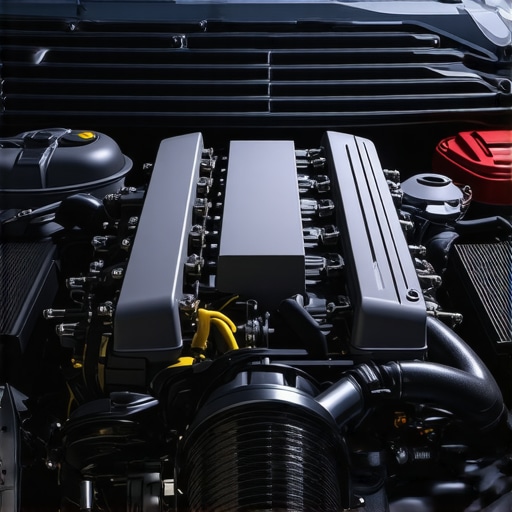
I remember pulling onto the I-77 last July, heart sinking every time I touched the gas pedal. It wasn’t the usual roar of my old truck; it was a piercing, high-pitched whistle that sounded exactly like a tea kettle reaching its boiling point. Every time I accelerated, the sound grew sharper, and I felt that familiar pit in my stomach that usually signals a massive repair bill. I was convinced my turbo was shot or my transmission was giving up the ghost. But here is the thing: engines don’t just whistle for the fun of it. That sound is a specific cry for help, and more often than not, it is related to air moving somewhere it should not be. Today, I am going to help you pinpoint exactly where that noise is coming from so you can stop worrying and start fixing.
Stop Ignoring That Screaming Kettle Under Your Hood
Whether you are cruising or merging, a whistle during acceleration is almost always a sign of a pressure imbalance. In my early days of turning wrenches, I made the massive mistake of replacing an entire alternator because I was convinced a bearing was whining. It turned out to be a three-dollar rubber hose with a hairline fracture. Since then, I have learned that decoding vehicle diagnostics is about listening to the nuances of the noise before you start throwing parts at the problem. According to the National Institute for Automotive Service Excellence (ASE), even a minor intake leak can significantly alter your air-fuel ratio, leading to poor performance and long-term engine stress. We are going to look at the three most common culprits: vacuum leaks, worn serpentine belts, and cracked intake boots. Have you ever felt that momentary panic when a new noise pops up out of nowhere?
Is this high-pitched noise a sign of total engine failure?
It is the question everyone asks when their car starts sounding like a jet engine. The short answer is usually no, but it is a sign that your engine is working way harder than it needs to. If the whistle is accompanied by a rough idle, you might want to learn how to find a vacuum leak with a cigar and a piece of hose, which is a classic old-school trick that still works wonders today. If it sounds more like a rhythmic chirp that turns into a scream, you might just need to learn how to fix a squealing belt with a bar of soap as a temporary diagnostic step. Identifying the source early prevents the ‘cascade effect’ where one small air leak eventually kills your catalytic converter or fouls your spark plugs. We are going to dive into the specific tests you can do in your own driveway to see if this is a five-minute fix or a trip to the shop.
Hunt for the Air Leak Right Now
Every engine acts like a giant vacuum cleaner, pulling in massive amounts of air to create combustion. When that air is forced through a hole it is not supposed to go through, it creates a whistle exactly like a flute. I remember working on an old SUV where the whistle only happened at exactly 2,500 RPM. I felt like a detective using a magnifying glass, but instead, I was using my bare hands to feel for vibrations along the plastic housing while a buddy revved the engine. The key is to be methodical; you are looking for a breach in a pressurized system. Start with the most accessible components before you start tearing into the manifold or turbocharger assembly.
Examine the Intake Boot with Your Hands
Do not just look at the large rubber snorkel leading to your throttle body. You have to physically remove it or at least squeeze every inch of the accordion-style folds. These boots are notorious for developing hidden cracks that only open when the engine moves on its mounts during acceleration. If you find a rip, you have found your whistle. While you are there, check the housing; knowing how a dirty engine air filter ruins your fuel economy can save you money, but a cracked boot is even worse because it actually bypasses the filter entirely, letting raw dirt into your cylinders. 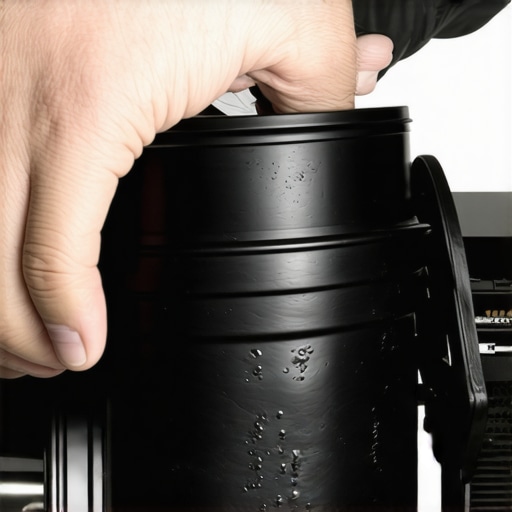
Test the Belt Without Expensive Tools
If the intake is solid, move your attention to the serpentine belt. A belt that is glazed or slightly loose will whistle or chirp when the engine speeds up because the pulley is spinning faster than the rubber can grip. This is a common source of confusion in vehicle diagnostics. A quick trick is to spray a tiny bit of water on the ribbed side of the belt while the engine is idling. If the noise changes pitch or disappears for a few seconds, the belt is your problem. This is one of those top auto repair tips to extend your vehicles lifespan because a snapped belt leaves you stranded without an alternator or water pump. You can also look into how to fix a squealing belt with a bar of soap if you need a fast way to confirm the friction issue without a trip to the parts store.
Pinpoint Vacuum Leaks Before They Stall Your Engine
Vacuum leaks are the hardest to find because the hoses are often tucked behind the engine block or under the intake manifold. These thin plastic or rubber lines control everything from your power brakes to your emissions system. If you hear a high-pitched hiss that sounds like a tiny jet engine, follow the lines. A great way to prepare for a long drive is to perform vehicle diagnostics explained easy checks before your road trip to ensure a small crack does not turn into a massive vacuum failure that leaves you with a hard brake pedal. I once spent an entire Saturday chasing a whistle that turned out to be a PCV valve that had simply popped out of its rubber grommet. It is usually the simplest thing you are overlooking, so check every connection point with a flashlight.
Stop Blaming the Sensors for Everything
Most DIYers and even some entry-level techs make the same mistake: they treat the OBD-II port like an oracle. If a code pops up for a lean fuel mixture, they immediately swap the oxygen sensor. But here is the professional truth: sensors are usually the messengers, not the criminals. In my experience, a whistle accompanied by a check engine light is almost always a physical breach that the sensor is correctly identifying. This is where how advanced vehicle diagnostics prevent costly breakdowns by focusing on the root cause rather than the symptom. According to the Car Care Council, failing to perform a proper physical inspection leads to millions of dollars in unnecessary parts replacements every year. You are essentially paying for the car’s “opinion” instead of looking at the facts.
The Costly Trap of the Parts Cannon
Firing the “parts cannon” is the fastest way to drain your wallet without fixing the whistle. I once saw a guy replace his entire turbocharger because of a whistling noise, only to find out the noise was actually a failing brake booster check valve. It is a subtle nuance; the vacuum leak was internal to the brake system, which is why brake service myths busted what really matters for safety often includes checking for vacuum integrity. If your whistle changes pitch when you tap the brake pedal, you aren’t looking for an engine leak; you are looking for a safety issue. #IMAGE_PLACE_HOLDER_C# Always perform a “smoke test” if you can’t find the leak with your hands. It is the only way to see the invisible. Even when it comes to routine maintenance, people get it wrong. For instance, the synthetic oil myth that costs you fifty dollars every visit proves that following old-school “rules of thumb” can be just as expensive as a misdiagnosis.
Why does that high-pitched scream disappear once the engine warms up?
This is one of the most common questions I get from readers who are starting to tackle their own repairs. It feels like the car is “healing” itself, but it is actually just physics. As the engine block and intake manifold reach operating temperature, the materials expand. A hairline crack in a plastic intake or a slightly loose bolt on a gasket might seal itself shut as the components swell. However, that “fix” is temporary and usually masks a growing problem with your air-fuel ratio. This is a critical moment for oil change innovations technologies that save your engine, as modern additives are designed to handle these thermal cycles, but they can’t bridge a physical gap in your intake. Have you ever fallen into the trap of replacing a perfectly good sensor because a YouTube video told you it was the “common fix”? Let me know in the comments below.
Invest in a smoke machine before you lose your mind
I used to spend hours spraying carb cleaner on hoses, waiting for the engine RPM to stumble. It was messy, dangerous, and often led nowhere because the liquid would evaporate before I could see the physical reaction. Then I bought a dedicated EVAP smoke machine, and it completely changed my diagnostic game. Instead of guessing based on sound, I plug the machine into the intake manifold, and within thirty seconds, a literal plume of white smoke reveals the exact location of the leak. If you are serious about DIY, this is one of those auto repair hacks save money without sacrificing quality that pays for itself in one use. While professional shop units cost upwards of a thousand dollars, you can find highly effective ‘paint can’ style testers online for under eighty bucks. They use simple mineral oil or baby oil to create a thick vapor that can withstand the pressure of a turbocharger system, allowing you to find leaks that only appear under heavy boost. 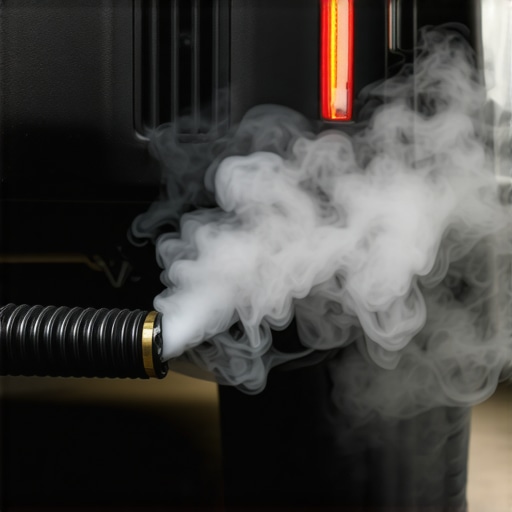
Why cheap soap is still my favorite diagnostic tool
Sometimes the whistle isn’t air being sucked in, but pressurized air escaping the system. Just like you might use a soapy solution when learning how to find a slow puncture using only dish soap, you can apply the same principle to your exhaust manifold, turbo hot-side piping, or even your intercooler. Bubbles don’t lie, and they are much easier to see than a tiny wisp of air. This level of physical verification is the backbone of essential auto repair strategies for frequent drivers who need their vehicles to stay reliable over hundreds of miles of highway travel. It keeps you from being the victim of a service advisor who wants to sell you an entire turbocharger assembly when all you really needed was a two-dollar copper gasket. Always check the quality of work after any major service; knowing how to tell if your mechanic actually changed the oil or properly torqued your intake bolts is vital for long-term performance. According to the Society of Automotive Engineers (SAE) J1979 standard, which governs diagnostic test modes, your car’s computer might not even trigger a Check Engine Light until the air leak exceeds 25% of the fuel trim capacity, meaning your engine could be running lean and hot for months before you get a warning.
How can I maintain my vacuum system without a lift?
The secret to a long-lasting, whistle-free engine is regular rubber maintenance. Every six months, I recommend a quick inspection where you wipe down your primary vacuum lines and intake boots with a rag damp with a silicone-based rubber conditioner. This prevents the rubber from becoming brittle and cracking under the extreme thermal cycles of the engine bay. If your acceleration whistle feels like it is impacting your stopping power, you should dive into the ultimate guide to brake service for safety and performance, as vacuum leaks and power brake boosters are closely linked in most modern vehicles. Keeping these lines supple is the difference between a car that hits 200,000 miles and one that ends up in the scrap yard early.
Prepare for the silent era of automotive repair
As we transition toward electric vehicles, the classic ‘acceleration whistle’ is evolving. In the near future, we won’t be hunting for cracked rubber hoses; we will be diagnosing high-frequency ‘switching noise’ from power inverters and electromagnetic interference from the drive motors. However, the diagnostic mindset—identifying the frequency, isolating the component, and verifying the physical state before throwing parts at the problem—will remain exactly the same. For now, go grab a bottle of soapy water and spray those intake boots. You might just find that the scary noise you heard on the highway is actually a five-minute fix sitting right in your driveway. I challenge you to perform a visual smoke test this weekend; you might be surprised at what your engine has been hiding.
The Hardest Lesson My First Project Car Taught Me
Over the years, I’ve realized that the most expensive tool in any garage isn’t a scan tool—it’s the “parts cannon.” I once spent an entire paycheck replacing a fuel pump only to find a blown fuse. Trust your senses over the computer screen; if you hear a whistle, a physical breach exists that no software can fix. Plastic components in modern engines are designed to be light, but they become brittle as they age, meaning that “minor” whistle is often a warning of a larger intake failure. By decoding vehicle diagnostics through physical inspection, you stop being a customer and start being a mechanic.
Gear That Actually Belongs in Your Driveway
You don’t need a professional shop to find an air leak, but you do need a few clever additions to your toolbox. First, a simple Bluetooth OBD-II adapter allows you to watch fuel trims in real-time, which is a key part of essential auto repair strategies for frequent drivers. Second, keep a bottle of silicone-based rubber conditioner handy; applying this to your vacuum lines twice a year can double their lifespan. #IMAGE_PLACEHOLDER_E# Finally, if you’re feeling adventurous, learning how to find a vacuum leak with a cigar and a piece of hose is an old-school trick that remains one of the most effective ways to visualize invisible air movement without spending a fortune.
Start Your Engine with Confidence Again
Chasing a whistle can be frustrating, but solving it provides a level of satisfaction that no dealership invoice can match. Whether you’re dealing with a cracked boot or a failing gasket, remember that every fix is a step toward mastering auto repair hacks save money without sacrificing quality. Don’t let a high-pitched noise intimidate you—most of the time, the solution is right in front of your eyes, waiting to be found with a flashlight and a little patience. What was the weirdest noise your car ever made that turned out to be a simple fix? Let me know in the comments below!