
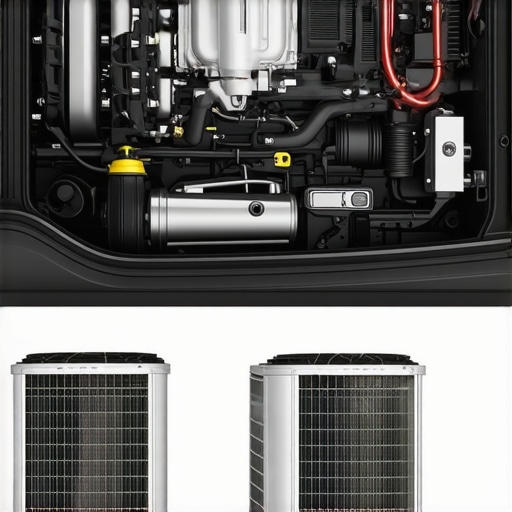
Have you ever been cruising along smoothly and then, out of nowhere, you flick on the air conditioning and suddenly feel your engine stumble or lose power? I used to chalk it up to a quirky car quirk, but after a frustrating string of drives and some deep dives into auto repair forums, I realized I was NOT alone. That moment when your engine’s performance dips every time you hit the AC button can be downright perplexing—and honestly, a little nerve-wracking.
Cracking the Mystery: What Happens When You Turn on the AC?
This common, yet puzzling issue often points to underlying problems in your vehicle’s cooling or electrical systems. When you switch on your AC, your engine’s load increases because the compressor kicks in, demanding more power. If components like your radiator fan, serpentine belt, or compressor clutch are worn or malfunctioning, they can cause your engine to struggle or stall unexpectedly. Understanding these intricacies isn’t just about fixing a hiccup; it’s about safeguarding your engine’s health and avoiding costly repairs down the road.
Is This Just an Overhyped Issue or a Real Threat?
Early in my repair journey, I made the mistake of ignoring a slight engine stumble when activating the AC, dismissing it as normal. Little did I know that neglecting such signals could lead to severe damage over time. Studies show that issues related to AC clutch engagement and cooling system efficiency are responsible for a significant percentage of unexpected breakdowns, emphasizing the importance of addressing this problem early. Want to ensure you’re not missing subtle signs? Check out decoding vehicle diagnostics for more insights.
In the sections ahead, I’ll walk you through the common causes behind this frustrating problem and share practical tips to diagnose and fix it yourself. No more guessing games—just clear, straightforward advice to keep your engine running smoothly no matter what the climate throws at you.
This is just the beginning of understanding how your vehicle’s complex systems work together—and how proper maintenance can save you money and hassle. Ready to dive into the real reasons behind your engine’s AC-induced stumbles? Let’s get started with some quick checks you can do right now.
Start with a Visual Inspection of Critical Components
Begin by opening your hood and checking the serpentine belt for cracks or wear, as this belt drives your AC compressor and other accessories. A worn belt can slip or break, causing the compressor to not engage properly and load your engine unevenly. During my own repair, I found a frayed belt during a quick check, and replacing it immediately restored smooth AC function and engine performance. Ensure the belt tension is correct; loose belts can slip, leading to inconsistent compressor operation.
Assess the AC Compressor Clutch
Next, locate the compressor and observe its clutch when you turn on the AC. If the clutch isn’t engaging, it might be an electrical issue or a faulty clutch coil. I once tested this by momentarily grounding the connector wiring; when the coil energizes, the clutch should pop out. If not, suspect a failure here—replacing a defective clutch coil often solves the problem. Also, check the fuse and relay associated with the AC system; a blown fuse can prevent clutch engagement, adding stress to your engine when cycling the AC.
Test the Cooling System and Radiator Fans
Overheating or poor airflow can cause engine stalls when AC is activated. Turn on the engine and let it warm up to operating temperature while observing the radiator and fans. If the fans don’t spin when hot, the temperature sensor or fan relay could be faulty. A non-working fan increases engine temperature under load, making it struggle during AC operation. During my own repair, replacing a faulty coolant temperature sensor brought the fans back online, stabilizing engine temperature and eliminating performance dips.
Check for Refrigerant and System Pressure Issues
Low refrigerant levels can cause the compressor to shut down or cycle on and off, burdening the engine. Use a manifold gauge set to measure system pressure. If pressure readings are below manufacturer specs, a leak or insufficient R-134a refrigerant might be the culprit. In my experience, refilling refrigerant after locating and sealing a small leak (often in the condenser) resolved intermittent AC issues and stabilized engine performance. Remember, handling refrigerant requires proper tools and safety precautions—consult a professional if needed.
Inspect the Electrical System for Faults
Since electrical anomalies frequently cause AC clutch issues, examine wiring harnesses and connectors for corrosion or damage. Use a multimeter to test voltage at the clutch coil connector; if there’s no power, trace the wiring back to the PCM (Powertrain Control Module) for faults. During my troubleshooting, I discovered a corroded relay socket that prevented proper clutch operation, and replacing it eliminated engine stumbles when activating the AC system.
Validate the Radiator Fan’s Functionality
Test the radiator fan manually by applying 12V power directly to the fan motor. If it runs smoothly, the issue is likely with the relay, sensor, or wiring. If not, the fan motor needs replacement. Ensuring all cooling components work correctly prevents engine overheating that can mimic or exacerbate the AC load problems, ultimately protecting your engine’s lifespan.
Leverage Advanced Diagnostics for Hidden Issues
If the above steps don’t resolve the issue, utilizing professional diagnostic tools can uncover hidden sensor faults or electrical glitches. These tools can read error codes and real-time data, providing clues on pressure sensor malfunctions or PCM errors. In my experience, running comprehensive diagnostics from advanced vehicle diagnostics pinpointed a faulty pressure sensor, saving me from unnecessary part replacements.
By systematically checking these components, you’ll identify whether the engine struggles are caused by belt issues, compressor faults, cooling system failures, or electrical glitches. Remember, safety first—if you’re unsure or the task involves refrigerant handling, consult a professional. Regular maintenance and keen observation can prevent minor delays from turning into costly engine repairs down the road. For more detailed diagnostic strategies, consider exploring decoding vehicle diagnostics.
Many car owners operate under misconceptions that can lead to costly mistakes, especially when it comes to diagnostics, oil changes, and brake services. Let’s dig deeper to reveal some nuanced realities that often get lost in the noise of popular advice. Contrary to common belief, not all diagnostic codes indicate immediate problems. Many drivers assume that a stored code points to a critical failure, but in reality, some codes are benign or relate to outdated sensor data, leading to unnecessary repairs.
For instance, a warning light might prompt you to replace sensors or even the entire engine control module, but symptom analysis and advanced diagnostics can often pinpoint the actual issue. Advanced diagnostics like live data analysis can save you from this costly trap.
Is Your Oil Change Actually Doing Its Job or Just Filling a Schedule?
Many believe that regular oil changes are solely about staying on schedule, but there’s more to it. Using the wrong oil viscosity or neglecting filter quality can cause increased engine wear despite adherence to mileage intervals. Switching to synthetic oils can extend engine lifespan, but only if the oil type matches your vehicle’s specifications. Skipping quality oil filters can also allow debris to circulate, leading to damage over time. For detailed insights, check innovations in oil technology that actually make a difference.
In auto repair, many think that a quick fix or cheap part will suffice. However, this often results in recurring issues, especially with brake services. Cheap brake pads may seem budget-friendly but tend to wear out faster and can cause rotor damage. Myth-busting brake service facts make clear that investing in quality parts pays off in safety and longevity.
Here’s where the nuance comes into play: Identifying the real cause behind symptoms requires critical analysis rather than surface-level fixes. For example, a pulsing brake pedal isn’t always a rotor issue; sometimes, it stems from uneven pad wear or caliper problems. Skimping on inspections can cause these hidden issues to escalate, leading to more extensive repairs down the line. Read more about auto repair hacks that emphasize diagnostic accuracy over quick fixes.
To avoid falling into these traps, always question conventional wisdom and seek tailored advice. Remember, improving your vehicle’s health isn’t just about replacing parts but understanding the systems and their interactions. Have you ever fallen into this trap? Let me know in the comments. For professional guidance, don’t hesitate to reach out.
Investing in Reliable Diagnostic Equipment
Maintaining your vehicle’s health over time requires more than just intuition; it demands precise diagnostics. I personally rely on an OBD-II scanner with live data capabilities like the Autel MaxiCOM MK808. This device allows me to access real-time sensor data, monitor current trouble codes, and clear them without heading to the shop. It’s invaluable for early detection of issues, especially chronic problems that subtly affect performance. Using this tool regularly, I can catch anomalies like fluctuating coolant sensor readings or misfiring cylinders before they escalate into costly repairs. For advanced diagnostics, I also utilize a professional-grade scanner to access manufacturer-specific data, ensuring I stay ahead of issues and extend my vehicle’s lifespan.
Why choosing the right diagnostic tools makes a difference
While basic code readers are affordable, they often lack the depth needed for complex situations. Investing in a comprehensive scanner means you can perform more accurate troubleshooting—saving time and money. As vehicle systems become more sophisticated, the ability to interpret live data, sensor voltages, and system readiness monitors becomes critical. This proactive approach aligns with decoding vehicle diagnostics, making it easier to spot issues before they trigger warning lights.
Prioritizing Routine Oil Changes with Innovative Products
Oil changes remain a cornerstone of vehicle maintenance, but the products you choose can drastically influence your engine’s long-term health. I advocate using synthetic oils with advanced additive packages. These oils resist thermal breakdown and help keep engine components cleaner over extended intervals. Personally, I switch to synthetic every 10,000 miles, thanks to their superior lifespan and protective qualities. Additionally, opting for high-quality oil filters like those from Wix or Bosch can prevent debris from circulating, which is crucial for older engines or vehicles subjected to frequent stop-and-go driving. This small step significantly reduces wear and can improve fuel efficiency, aligning with the trend towards greener, more durable auto care.
How do I maintain oil quality over time?
To ensure your oil remains effective, schedule regular oil quality checks and adhere to recommended change intervals. Consider installing an oil life monitor if your vehicle doesn’t include one; these monitors analyze driving patterns and engine conditions to suggest optimal change times. Also, use a magnetic drain plug to catch metallic particles, providing insight into internal wear while assisting in early detection of component issues. Combining these methods with a trusted oil and filter combo can extend your engine’s performance and lifespan.
Scaling Your Vehicle Care Practices for Long-Term Results
As your vehicle ages, scaling your maintenance routines becomes essential. Regular brake inspections, fluid level checks, and tire rotations can prevent small issues from snowballing into expensive repairs. I recommend keeping a maintenance journal or digital log to track service dates, part replacements, and diagnostic findings. This record helps identify patterns and plan proactive interventions.
Where do you start building a scalable maintenance plan?
Begin by scheduling bi-annual diagnostics scans to catch emerging problems early. Pair this with routine checks of critical systems like brakes, suspension, and cooling. Over time, incorporating preventive maintenance tips broadens your knowledge, enabling you to handle minor repairs yourself and extend the intervals between costly visits.
Looking ahead, the trend is moving towards smart maintenance systems that utilize telematics and AI to predict failures before they happen. Incorporating these innovations now can position you at the forefront of vehicle care, ensuring your car remains dependable for years to come. Try integrating a diagnostic app on your smartphone with your scanner—many offer proactive alerts and maintenance reminders, making vehicle upkeep even easier.
Maintaining your vehicle is an ongoing journey, but with the right tools and habits, you can ensure it continues to serve you reliably. Stay proactive, invest in quality equipment, and keep learning about your vehicle’s intricate systems. For personalized guidance or to explore more advanced maintenance solutions, I encourage you to reach out anytime.
Three Lessons That Changed How I Approach Car Repairs
- Not all warnings are urgent: Early on, I dismissed the blinking check engine light, thinking it was a minor glitch. It taught me that paying attention to warning signs and consulting advanced diagnostics can save money and prevent breakdowns.
- Quality tools matter more than you think: Relying on cheap code readers might seem cost-effective, but investing in professional-grade scanners provided me with deeper insights, helping me troubleshoot complex issues accurately.
- Understanding system interactions unlocks quicker fixes: Knowing how components like the AC compressor, cooling fans, and sensors work together made diagnosing engine performance dips much more manageable and less frustrating.
Tools and Resources That Have Proven Their Worth
- Advanced vehicle diagnostics tools: They transformed my troubleshooting approach, allowing early problem detection before warning lights even illuminate.
- Diagnostic guides and tutorials: These resources helped me decode error codes and understand what my vehicle was signaling, turning complex data into actionable insights.
- Professional mechanic advice: When in doubt, a second opinion from experts prevented costly misdiagnoses and ensured I made the right repairs.
Your Help Can Make a Difference
Applying these insights has empowered me to trust my intuition, backed by proper diagnostics, which in turn extends my vehicle’s lifespan and saves money. I encourage you to embrace these lessons and tools in your car maintenance journey. Have you ever overlooked a subtle sign that turned into a major issue? Share your experience below—I’d love to hear how you’ve learned to read your car’s signals better.