

Have you ever taken a highway drive, only to be greeted by a surprisingly loud hum or roar from your recently installed tires? I remember the first time I experienced it — I was excited about new rubber, expecting a smoother, quieter ride. Instead, I was hit with this persistent noise that seemed to drown out everything else. It was frustrating, and honestly, a bit confusing. Why would fresh tires, meant to enhance safety and comfort, turn into the very source of irritation?
Deciphering the Noise: What’s Going On with Your New Tires?
In this post, I’ll share what I’ve learned from personal experience and reliable auto repair insights about why your new tires might be loud and, more importantly, how to quiet them down. Often, it’s not a defect or a quality issue but rather something fixable that you can address yourself or discuss with your mechanic. We’ll explore common causes and simple solutions, so you can get back to enjoying a peaceful highway cruise. Are you tired of that incessant hum and ready to solve the mystery? Let’s dive in!
Is Your Tire Sound Actually Worth Worrying About?
Early on, I made the mistake of thinking every noise was a sign of a serious problem. Turns out, some sounds are perfectly normal — like the slight whir of tires against pavement. But distinguishing between harmless hums and concerning noises is key. According to automotive experts, a loud tire can sometimes point to underlying issues like improper installation or tire pressure problems. It’s always smart to consider all factors before panicking. Have you noticed if the noise increased after particular driving conditions or changes? That’s a sign to examine further. For a comprehensive understanding, check out [this authoritative guide](https://repairmycarpro.com/auto-repair-hacks-save-money-without-sacrificing-quality). Now, let’s go through what might be causing your tires to shout on the highway and how to fix it.
Inspect Properly and Adjust Tire Pressure
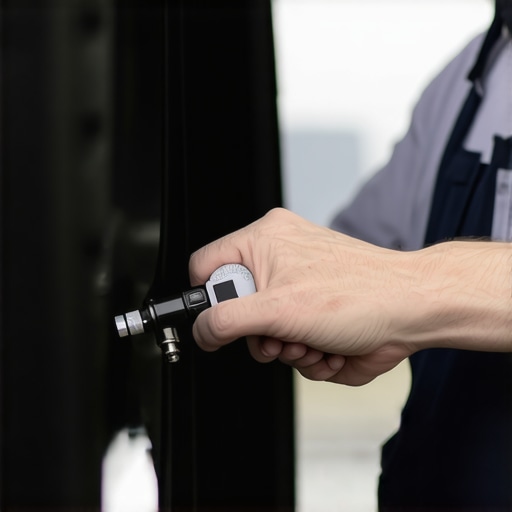
Start by checking your tire pressure with a reliable gauge; under- or over-inflation can cause excess noise similar to an echo in a canyon. I once had a set of tires that sounded like a roar at highway speeds until I realized they were 8 psi below recommended pressure. To fix this, remove the valve cap, attach the gauge, and inflate to the manufacturer’s specs. Proper pressure ensures even contact with the road surface, reducing unwanted vibrations and sounds.
Check for Uneven Wear and Tire Balance
Uneven tread or an unbalanced tire causes vibrations and noise. I experienced this after a quick roadside tire rotation; the imbalance was causing a loud humming. To address this, lift the vehicle with a jack, remove the wheels, and run a visual check for uneven tread wear. Then, visit a professional to perform a precise wheel balancing, which involves mounting the tire on a balancing machine to detect and add counterweights, much like balancing a spinning top to prevent wobbling.
Assess the Terrain and Road Conditions
Sometimes, the problem isn’t with your tires but the roads themselves. I noticed my tires were louder on rough asphalt versus smooth highways. If your tires seem loud only on certain surfaces, consider switching to tires designed for all-terrain or smooth riding. This way, you’ll minimize the impact of rough roads and reduce noise transmission from the surface to your vehicle. Think of it like switching from a rough gravel path to a smooth paved road—the experience becomes noticeably quieter.
Verify Proper Tire Installation and Alignment
Incorrect installation can lead to noisy vibrations. During my own tire replacement, I realized I hadn’t tightened the lug nuts properly. This not only caused noise but also compromised safety. Always ensure lug nuts are torqued to the vehicle manufacturer’s specifications, using a torque wrench, much like tightening a bicycle axle properly. Additionally, misaligned wheels can cause uneven wear and noise; have your alignment checked periodically, especially after hitting a pothole or curb.
Consider Tire Quality and Tread Design
If your tires are inexpensive or have a tread pattern not suited to your driving style, noise levels can increase. I upgraded from budget tires to higher-quality, noise-optimized tires, which made a significant difference. Look for tires with asymmetric tread patterns or noise-reducing technology—similar to how soundproofing in a recording studio works. When shopping, seek advice from trusted auto parts stores or check reviews, as quality matters for a quieter ride.
Address Mechanical Factors and Vehicle Maintenance
Beyond the tires themselves, other car components can amplify noise. Worn suspension parts or loose wheel bearings may add to the hum. For instance, I once neglected a worn wheel bearing, which caused increased noise at high speeds. To diagnose such issues, perform a visual inspection or consult a mechanic who can check for play and vibrations using vehicle diagnostics tools. Regular maintenance, including oil changes and suspension checks, helps keep noise levels down across the board.
Consult Experts for Complex Issues
If you’ve tried these steps and your tires remain loud, it might be time to visit a professional. An auto repair shop can perform comprehensive diagnostics, including road force balancing and alignment checks, much like a doctor running tests to identify underlying health issues. For reliable service, consider reaching out via this contact page. Remember, persistent noise might signal deeper issues that deserve expert attention before they become serious.
By systematically inspecting tire pressure, balance, installation, and mechanical components, you can significantly reduce the noise coming from your new tires. Applying these steps ensures a more peaceful ride, prolongs tire life, and enhances your safety on every trip.
Why Conventional Wisdom Can Lead You Astray in Auto Care
Many car owners believe that routine services like brake replacements or oil changes are straightforward, and in most cases, they are. However, what most people get wrong is the assumption that following the standard procedures guarantees optimal vehicle performance and safety. In my extensive experience, there’s often a subtle, overlooked layer—these nuances can be the difference between a smooth ride and costly repairs down the line.
For instance, when it comes to auto repairs, many technicians focus solely on the obvious symptoms rather than diagnosing the root causes. This oversight can lead to recurring issues, especially with components like brakes or engine diagnostics, which require a detailed understanding of the vehicle’s systems. Relying solely on visual inspections without advanced diagnostics can result in missing hidden failures that manifest later as major breakdowns.
The Trap of Relying Too Heavily on Standard Maintenance Intervals
A common myth is that adhering strictly to manufacturer-recommended intervals—like oil changes every 3,000 miles—is enough to keep the vehicle in prime condition. While this might have been valid decades ago, modern synthetic oils and engine technologies have shifted the paradigm. Over-reliance on these schedules can actually cause you to miss early signs of wear, especially with critical components such as the timing belt or transmission fluid. Regularly scheduled checks and diagnostics can reveal issues that a simple oil change might not address.
Beware of the “One-Size-Fits-All” Approach to Vehicle Diagnostics
Many assume that scanning for error codes with generic tools will catch everything. However, this approach can be a trap. High-level diagnostics like advanced vehicle diagnostics can uncover subtler problems, such as vacuum leaks or sensor irregularities that don’t trigger a check engine light immediately. Skipping these nuanced checks can lead to misdiagnoses, resulting in unnecessary repairs or worse, dangerous driving conditions. To prevent this, a trained mechanic should combine tech-driven diagnostics with a thorough physical inspection.
What About Brake Service? Are We Missing Critical Details?
Many think that once brake pads are replaced, the job is done. But the complex interplay with brake rotors, calipers, and hydraulic systems means that overlooking hidden issues—like uneven rotor wear or master cylinder problems—can compromise safety. For a deep dive into what really matters, see this comprehensive guide. Never underestimate the importance of precision and integrity in brake service; the consequences of overlooking nuances are severe.
In essence, true expertise in auto repair emerges from understanding that each vehicle is a complex system with unique needs. Going beyond the surface by applying nuanced diagnostics, questioning standard practices, and acknowledging the intricacies involved in repairs can save you money and, more importantly, lives. Have you ever fallen into this trap? Let me know in the comments.
,
Keeping Your Vehicle in Top Shape with the Right Tools
Ensuring your car remains reliable over time demands more than just routine visits to the mechanic. It requires the right set of tools and methods to monitor, diagnose, and maintain critical systems proactively. From advanced diagnostic scanners to precision torque wrenches, choosing the right equipment has a direct impact on the longevity and performance of your vehicle.
One tool I personally swear by is the OBD-II scan tool. Unlike basic code readers, my preferred device is the BlueDriver Bluetooth Professional Diagnostic Scan Tool. It connects seamlessly to my smartphone, providing real-time data and detailed trouble codes, including manufacturer-specific ones. This level of insight allows me to catch minor issues before they escalate, saving time and money. It has become an essential part of my auto repair routine because of its ease of use and comprehensive reporting, which aligns with the increasing complexity of modern vehicle electronics.
For accurate tire work, a high-quality digital wheel balancer is indispensable. I use the Roadforce Touch Wheel Balancer because of its ability to simulate road conditions and identify subtle imbalances that cause vibrations and noise. This precision tool ensures that my tires wear evenly and perform silently, which is crucial when addressing concerns like tire hum or uneven tread wear discussed earlier. Investing in such equipment not only improves safety but extends the lifespan of your tires and suspension components.
When it comes to performing routine maintenance, my digital torque wrench has saved me countless headaches. The GearWrench NFC Torque Wrench allows me to set precise torque values for lug nuts, engine components, and suspension bolts, ensuring they are tightened correctly every time. Proper torque application prevents issues like wheel wobble, uneven brake pad wear, and potential safety hazards, which relate directly to the importance of correct installation and adjustment covered previously.
Future Prediction: Embracing Technology for Smarter Maintenance
Looking forward, I believe the auto repair industry will see an increasing reliance on AI-driven diagnostics, augmented reality (AR) for technical guidance, and wireless data collection. These advancements will make vehicle maintenance more accurate, faster, and accessible for non-specialists, empowering even DIY enthusiasts. As vehicles grow smarter, so must our tools, ensuring we stay ahead in vehicle health management.
How do I maintain vehicle diagnostics over time?
Consistently updating your diagnostic tools, staying informed about new vehicle technology, and practicing regular self-checks are key. Routine scans with advanced tools like the BlueDriver can reveal issues early, while periodic mechanical inspections ensure physical components are functioning correctly. Additionally, leveraging online resources, such as decoding vehicle diagnostics, can help interpret complex codes and symptoms, enabling you to address problems promptly. Remember, combining technology with knowledge is the best way to keep your vehicle running smoothly for the long haul.
For a comprehensive approach, I recommend trying out a professional-grade diagnostic scanner today. It’s an investment that drastically enhances your ability to troubleshoot and maintain your car effectively.
< >
>
By equipping yourself with these specific tools and insights, you’re not just reacting to problems—you’re actively preventing them. Embrace these methods, and your vehicle will reward you with consistent performance and safety, saving you money and peace of mind in the long run. Want to dive deeper into maintenance techniques? Check out top tips for vehicle lifespan.
Lessons That Took Me Miles to Learn About Tire Noise and Auto Repairs
- One of the biggest lightbulb moments was realizing that not every new noise signals a serious issue; sometimes, it’s just part of breaking in new tires or subtle misalignments that can be corrected easily.
- I’ve learned that investing in quality tools like advanced diagnostic scanners transforms the way you approach vehicle health—small, regular checks become powerful preventative measures.
- Trusting the process and understanding the nuances of mechanical components saved me from unnecessary repairs and helped me develop a more intuitive feel for my car’s health.
- Dealing with car noises taught me patience and attention to detail, which are essential for any DIY enthusiast or cautious driver seeking to extend their vehicle’s lifespan.
- Ultimately, embracing continuous learning about auto care is what turns frustrating surprises into opportunities for smarter maintenance and safer driving.
Tools and Resources That Changed My Auto Repair Game
- BlueDriver Bluetooth Professional Diagnostic Scan Tool – I trust this because it provides detailed insights directly to my phone, making complex diagnostics accessible for non-professionals.
- Roadforce Touch Wheel Balancer – This high-precision machine helps me identify subtle imbalances that cause tire hum, ensuring a quieter ride and longer tire life.
- GearWrench NFC Torque Wrench – Proper torque setup has prevented countless issues like uneven brake pad wear; precision matters in every bolt turn.
- Auto repair insights from trusted experts keep me informed about the latest techniques to save money without sacrificing quality, which is invaluable for DIY enthusiasts and pros alike.
Your Next Step Toward Better Car Care Starts Now
Don’t let tire hums or minor noises hold you back from enjoying a smooth, safe ride. With patiently applied knowledge and the right tools, you’re capable of making meaningful repairs and maintenance decisions—saving time, money, and stress. Embrace the learning curve, and your vehicle will thank you for it. How have you handled unexpected noises or DIY repairs in your vehicle? Share your experiences below!