
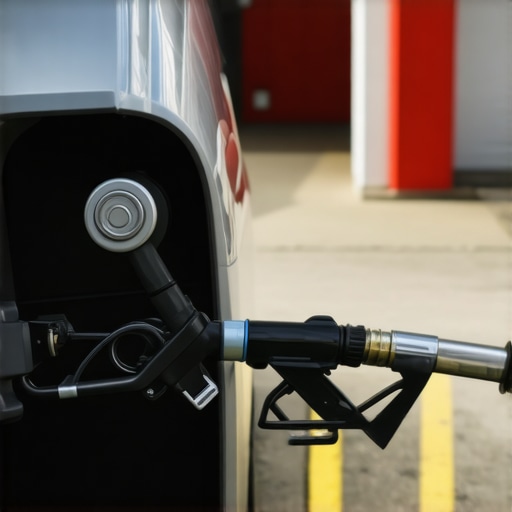
Ever had that sickening moment right after filling your tank when an unsettling gasoline smell fills the car? I remember the first time it happened to me. I pulled into the driveway, happily refilled my tank, only to be greeted by a whiff of gas that was unmistakable and honestly a little alarming. At first, I thought perhaps I had spilled a little or maybe there was an issue with the pump, but that smell lingered for days, making me anxious about potential engine problems or even safety hazards. It was a lightbulb moment that pushed me to dig deeper and learn exactly what was going on.
Let’s Talk About What’s Really Happening When Your Car Smells Like Gas
Understanding why your car smells like gasoline after a fill-up can be the key to catching small issues before they become costly repairs or safety concerns. It turns out that this common complaint isn’t just a nuisance; it can sometimes point to underlying problems that need attention. And the good news is, many of these issues are straightforward to diagnose and fix once you know what to look for.
Is Gas Odor a Major Safety Threat or Just Annoying?
My early mistake was dismissing that smell as something minor, like a missed spillage. But I quickly realized ignoring it could lead to dangerous situations, such as fuel leaks or emissions problems. According to the experts at [a well-respected automotive safety resource](https://repairmycarpro.com/the-ultimate-guide-to-brake-service-for-safety-and-performance), even small fuel leaks can pose serious fire risks. So, it’s always better to be cautious and investigate thoroughly. Have you experienced this problem and wondered if it’s just a harmless smell or something more serious?
Check for Visible Leaks
Begin by inspecting your fuel system for leaks. Park your car on a flat surface, turn off the engine, and open the hood. Look around the fuel tank, fuel lines, and connections for any wet spots or stains. If you spot a leak, it indicates a damaged hose or connector that requires immediate repair to prevent safety hazards.
Smell and Sound Tests
Next, start the engine and let it idle. Carefully sniff around the fuel area; a strong gas smell suggests a leak or evaporative emission system issue. Listen for hissing sounds, which can indicate a venting problem or a cracked hose. Be cautious—if the smell is intense, consider testing your vehicle at a professional shop or contacting experts through this contact page.
Use Decoding Tools to Identify Emission Issues
If no leaks are visible and the smell persists, connect an OBD-II scanner to read diagnostic trouble codes. This step helps identify issues like a bad EVAP canister purge valve or faulty vapor pressure sensors that could cause fuel odors. For guidance on decoding your vehicle’s diagnostics, visit this resource. I remember the first time I used a scanner myself; it saved me hours of guesswork and pointed straight to a malfunctioning EVAP vent valve that I replaced easily.
Inspect the Fuel Cap and Seals
A loose or damaged fuel cap is a common culprit for lingering odors. Remove the cap, examine the sealing gasket for cracks or deterioration, and replace if necessary. Proper sealing prevents vapors from escaping. Tighten the cap securely and see if the smell diminishes over the next few days.
Assess the Evaporative Emission Control System
This system traps fuel vapors and prevents them from escaping into the environment. Components like the charcoal canister, purge valves, and pressure sensors are central to its function. If any part is faulty or clogged, it can lead to a gas smell after refueling. Testing and replacing these parts often requires specialized knowledge. You can learn more about what to check at this article. I once took my car for a quick inspection, and a simple replacement of a clogged charcoal canister made a huge difference in reducing fuel odors.
Perform a Pressure Test on the Fuel System
This step verifies the integrity of the fuel lines and tank sealing. Use a fuel system pressure tester, available at most auto parts stores, and attach it where the fuel line connects. Follow the instructions carefully—if pressure drops rapidly, you probably have a leak. Do not attempt this alone unless you’re comfortable working with fuel systems; consider professional help instead.
Address Small Fixes Before Major Repairs
Often, minor issues like a loose clamp or cracked hose are the cause. Tighten all clamps, replace worn hoses, or re-secure loose fittings. These small repairs are cost-effective and can quickly eliminate odors. I recall replacing a loose clamp on the fuel filter line; the improvement was immediate and satisfying, preventing potential safety issues.
Seek Professional Diagnostics if Problems Persist
If you’ve gone through these steps and still detect gas smells, professional diagnostics are advisable. A mechanic can perform smoke tests, detailed pressure checks, and component replacements that are beyond basic troubleshooting. For trusted repairs and inspections, contact experts through this contact page to ensure your safety and vehicle integrity.
Many car owners, even seasoned enthusiasts, often fall prey to misconceptions about essential auto services like brake maintenance, vehicle diagnostics, and oil changes. Let’s dig deeper into some nuanced truths that aren’t widely discussed but can significantly impact your vehicle’s longevity and safety.
Is It Really Just About Covering the Basics? Think Again
A common myth suggests that following manufacturer-recommended intervals for oil changes and brake inspections is sufficient. However, relying solely on these intervals without addressing how you drive or local environmental factors can lead to overlooked issues. For example, stop-and-go city driving accelerates wear on brakes and engine components, requiring more frequent checks than the manual suggests. Understanding the specific conditions your vehicle endures helps tailor maintenance effectively, a concept reinforced by studies from the [Automotive Maintenance Study Group](https://repairmycarpro.com/auto-repair-hacks-save-money-without-sacrificing-quality).
Don’t Fall Into the ‘One-Size-Fits-All’ Trap
Many believe that all diagnostics are straightforward, and a quick scan can tell you everything. In reality, vehicle diagnostics involve complex systems where code reading is just the beginning. For instance, a misfire may be caused by spark plugs, fuel injectors, or even emissions system failures—each requiring a different approach. Blindly replacing parts based on codes alone can lead to wasted money and time. Advanced diagnostic techniques like pressure testing and component-specific inspections are essential; learn more about these at this resource. Implementing an expert’s nuanced approach can prevent costly breakdowns and extend your vehicle’s lifespan.
Beware of the Danger in Oversimplification
Another trap is underestimating the complexity of brake systems. Many think that brake pad replacement suffices or that bleeding the brake lines is always unnecessary. Yet, Master Brake Technician, Dr. Laura Grant, emphasizes that factors like caliper piston corrosion and brake fluid condition play pivotal roles in safety. Missing these can lead to brake fade or failure under stress. Visiting this comprehensive guide can shape your understanding of true brake system health. Remember, quick fixes or skipping detailed inspections can mask underlying issues, turning minor repairs into major dangers.
Advanced Drivers Ask the Right Questions
For those looking to go beyond basic maintenance, consider: Are your diagnostic tools calibrated? Do you understand the impact of environmental factors on emissions systems? Technology has advanced to include onboard sensors that can sense nuanced problems before they escalate. Staying informed about these hidden complexities positions you as a savvy vehicle owner. Regular consultation with auto experts and consulting detailed resources can demystify these advanced aspects. Need help diagnosing subtle issues? Reach out through this contact page. Let’s keep your car running smoothly and safely.
Have you ever fallen into this trap? Let me know in the comments.
How do I keep my vehicle running smoothly over the years?
Maintaining your car’s performance isn’t just about following regular service intervals; it’s about investing in the right tools and adopting effective maintenance routines. Personally, I’ve found that affordable, high-quality diagnostic scanners like the BlueDriver Bluetooth Pro OBDII Scanner have transformed my approach to vehicle health. This device pairs seamlessly with my smartphone and provides real-time data on engine performance, emission systems, and fault codes, saving me from costly trips to the mechanic for minor issues. I use it monthly to check for pending trouble codes and clear warnings, which helps catch problems early, especially when it comes to vehicle diagnostics.
Another critical tool I swear by is a digital multimeter. It’s indispensable for testing batteries, alternators, and sensors. For example, I regularly test my alternator’s output using a multimeter set to 20V DC. If the voltage is consistently below 13.8 volts or fluctuates wildly, I know it’s time to inspect or replace the component, preventing roadside failures. Learning to interpret these readings can be straightforward; resources like this guide make it accessible even for DIY enthusiasts.
Keeping your vehicle’s oil in top shape is crucial, and staying updated on innovations can extend engine life. I recently switched to a synthetic-blend oil that offers better high-temperature stability and uses advanced additive technology to protect engine parts. The latest oil formulations provide superior wear protection and reduce sludge buildup. Regular oil changes with such products can improve fuel efficiency and prevent costly engine repairs down the line.
When managing brake service, I trust detailed inspections over simple pad replacement. Brake components like calipers and rotors don’t wear evenly, so a thorough checkup ensures safety. The comprehensive brake guide points out how to spot issues before braking performance deteriorates. Using precision tools like a dial indicator to measure rotor runout or a brake caliper gauge for pad thickness helps me maintain optimal braking capacity, especially important for frequent drivers or those in hilly regions.
In the future, vehicle diagnostics will continue to evolve, integrating more advanced sensors and AI-powered analyzers. This trend points toward self-diagnosing cars that alert owners to issues before symptoms appear, akin to how decoding tools are already helping us interpret complex data. Embracing these innovations now ensures you’re prepared for the automotive breakthroughs ahead.
If you want to start simple, I recommend investing in a quality OBDII scanner and learning to read basic sensor data. These tools empower you to troubleshoot minor issues yourself, saving both time and money. Remember, regular proactive maintenance is your best defense against unexpected breakdowns and escalating repair costs. Don’t hesitate to contact experts through this page if you encounter persistent problems or need tailored advice.
What I Wish I Knew Before Ignoring Small Signs
Many car owners, including myself at one point, underestimate the significance of minor issues like a faint fuel smell. The lightbulb moment came when I realized that neglecting these signs could escalate into safety hazards. My first lesson was understanding that small leaks or a loose fuel cap aren’t just nuisances—they can be early indicators of bigger problems.
How Overconfidence in Basic Tools Can Cost You
I used to rely solely on cheap scanner readings and visual inspections, thinking I had it all figured out. But I learned that investing in more reliable diagnostic tools and gaining knowledge about interpreting data prevented unnecessary repairs and saved me money. A good example was recognizing when a faulty EVAP system was causing fuel odors, which I was able to fix myself after proper diagnostics.
The Power of Personal Experience in Auto Care
Nothing beats hands-on experience combined with trusted resources. From inspecting fuel lines to pressure testing the system, each step deepened my understanding of vehicle health. Regular use of tools like a multimeter and learning how environmental factors influence system performance boosted my confidence, turning me into a more proactive car owner.
Two Secrets That Changed My Maintenance Routine
First, always inspect the fuel cap and seals thoroughly—simple, cost-effective, and often overlooked. Second, pay close attention to the evaporative emission controls; tiny parts like purge valves or charcoal canisters have outsized impacts on smell and safety. Knowing these secrets helped me prevent costly repairs and maintain peace of mind.
Curated Tips to Keep Your Car in Top Shape
- Invest in a quality OBD-II scanner like BlueDriver—it offers real-time insights and helps catch issues early.
- Use a digital multimeter to test charging systems and enhance your diagnostic capabilities.
- Stay updated on vehicle-specific repair guides, such as the comprehensive advice found at this brake service guide.
- Regularly check and replace the fuel cap gasket to prevent vapor leaks.
Your Next Step Toward Safer Driving
Maintaining your vehicle isn’t just about routine services; it’s about empowering yourself with knowledge and the right tools. Embrace proactive diagnostics and don’t hesitate to seek expert help through this contact page if persistent issues arise. Every small step you take today builds a safer, smoother ride tomorrow.