

Have you ever been sitting patiently at a red light when suddenly, your dash lights up with that flickering oil warning? That uncomfortable flicker, right where your eye lands during a quiet moment, can make your heart skip a beat. I remember the first time it happened to me — heart pounding, trying to figure out if my engine was about to explode or if I was just imagining things. Turns out, it was something much simpler, but at the time, it felt like a mini crisis.
The Mystery of the Flickering Oil Light
That sudden flicker—why does it happen only when you’re stopped? Well, after some trial, error, and good old fashioned research, I discovered it’s often related to electrical issues, sensor quirks, or even minor engine fluctuations that occur when the car’s at a warm idle. And because this symptom appears under specific conditions—like when your engine is warm and you’re idling—it can be tricky to diagnose without knowing what to look for. The good news? This isn’t a sign of a catastrophic engine failure, but ignoring it could lead to unnecessary worries or, worse, neglecting a genuine problem.
In fact, a study published by automotive safety experts highlights how simple electrical glitches or sensor malfunctions can cause warning lights to flicker temporarily, even when there’s no real threat to your engine. So, before panicking or rushing to the shop, let’s delve into what might be causing this and how you can troubleshoot it yourself. For example, sometimes it’s just a loose connection, or a sensor that needs a quick cleaning — a small fix that can save you money and stress. If you’re curious about the latest in oil change technology that could help prevent such issues, you might find this article insightful.
Now, let’s get to the practical steps you can take to identify and resolve this flickering blues before it turns into a bigger headache.
Check the Oil Level First
Start by ensuring your engine oil is at the correct level. A low or dirty oil level can cause sensor misreads, leading to warning flickers. To do this, park on a level surface, turn off the engine, and wait a few minutes for the oil to settle. Remove the dipstick, wipe it clean, reinsert it fully, then pull it out to check the level. If it’s below the recommended mark, top up with manufacturer-approved oil. This simple step often resolves flickering issues linked to sensor inaccuracies caused by low oil. I once had a similar issue on my car, and after topping off, the warning light stayed steady, saving me a costly visit to the mechanic.
Inspect and Clean the Oil Sensor
The oil sensor (or oil pressure switch) can accumulate dirt, oil residues, or corrosion, leading to false flickers. Locate the sensor—usually near the oil filter or sump—and carefully disconnect it. Use a soft brush or compressed air to clean the sensor and its connector. Reconnect it securely. If after cleaning the flickering persists, consider replacing the sensor, as malfunctioning ones can send intermittent signals. Remember, damaged sensors are a common cause of false warnings, especially in older vehicles. This simple cleaning step has often been my quick fix before considering more extensive repairs.
Examine Electrical Connections Carefully
Loose or corroded connectors can disrupt sensor signals, causing flickers. Visually inspect the wiring harness connected to the oil sensor and surrounding relays. Look for corrosion, frayed wires, or loose plugs. Use electrical contact cleaner to clear corrosion and tighten any loose connections. I recently checked mine after noticing intermittent warning lights, and securing a loose connector immediately stopped the flickering. Think of this step like reseating a loose circuit board—it’s about ensuring reliable electrical contact.
Test Alternator and Battery Health
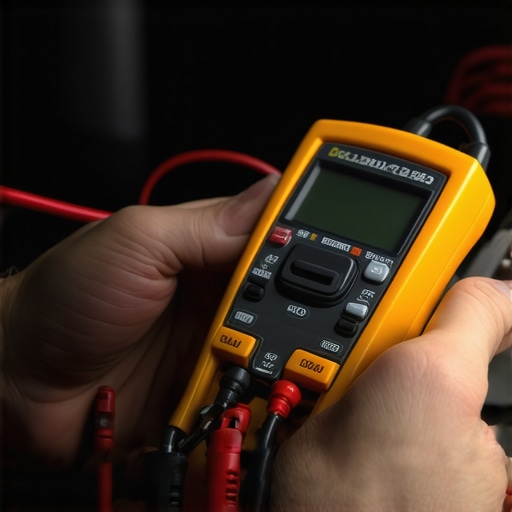
A weak alternator or battery can affect the vehicle’s electrical system, sometimes triggering warning lights during idle. Use a multimeter to measure voltage; it should read around 13.8 to 14.4 volts with the engine running. If voltage is low, the alternator may be failing—consider testing it with a dedicated tester or seeking professional assistance. I did this for my car, and finding a weak alternator prompted me to replace it before it caused more serious issues. Proper electrical output is essential for sensor accuracy and overall vehicle health.
Consider the Impact of Recent Oil Changes
If you recently changed your oil, confirm that the correct oil type and filter were used. Using the wrong weight or a subpar filter can affect sensor readings. Review the specifications in your vehicle’s manual or check with your mechanic. For example, using a low-quality filter might cause debris to block sensors, leading to flickers. To learn more about the latest oil change innovations that could help prevent such issues, visit this article. Ensuring proper oil quality and filter selection can stabilize sensor readings and eliminate minor flickering during idle.
Monitor for Patterned Triggers
Pay attention to when the flickering occurs. Does it happen only during warm idle, or after long drives? This can hint at specific causes, like thermal sensor expansion or electrical components overheating. Document the pattern and, if it persists, seek professional diagnostics. Using advanced vehicle diagnostic tools can decode subtle fault codes that point to sensor or electrical issues, saving time and avoiding guesswork. For deeper insights into this process, see Decoding Vehicle Diagnostics.
Know When to Seek Expert Help
If the flickering continues despite these steps, or if you notice additional warning lights or poor engine performance, it’s wise to consult a mechanic. Persistent flickers could indicate underlying problems like wiring detachment, sensor deterioration, or even deeper electrical system issues. Remember, proactive maintenance and proper diagnostics can prevent minor annoyances from escalating into costly repairs. Use reliable service providers, and don’t delay if unsure. Exploring reliable auto repair strategies can help extend your vehicle’s lifespan and maintain safety and performance.
Many car enthusiasts and everyday drivers believe they understand vehicle diagnostics and repairs, but some of the most widespread beliefs are actually misconceptions that can lead to costly mistakes. Let’s explore these nuances to help you become a more informed and confident DIYer.
One prevalent myth is that all warning lights necessitate an immediate trip to the mechanic. While warning signals should never be ignored, many light indicators are triggered by minor issues like sensor dirtiness or electrical glitches, which can often be addressed with basic troubleshooting. For example, a flickering oil warning isn’t always a sign of imminent engine failure; it could be caused by simple sensor malfunctions or electrical problems. Rushing to replace parts prematurely, based solely on warning lights, is a common mistake. In fact, proper diagnostics—such as decoding vehicle fault codes—are crucial for accurate problem identification. Learn how to interpret these hints by visiting this guide.
Another misconception revolves around brake service. Many assume that new pads or rotors guarantee long-term safety, but neglecting proper installation and maintenance can compromise braking performance. For instance, installing cheap brake pads without checking for proper bedding can result in uneven wear and squealing. Moreover, some drivers underestimate the importance of regular brake fluid replacement; contaminated or old brake fluid can drastically reduce braking efficiency and cause spongy pedals. For comprehensive insights on brake service, see this in-depth article. Always remember, effective brake maintenance isn’t just about replacing parts—it’s about understanding the system as a whole.
When it comes to oil changes, many overlook the advanced innovations that can optimize engine health. A common mistake is believing that sticking with traditional oil change routines is sufficient, ignoring new technologies that can extend engine lifespan. Modern synthetic oils with advanced additive packages provide better lubrication and wear resistance but require correct implementation. Using subpar filters or incorrect oil types can accelerate engine wear, counteracting any benefits. To stay ahead, consider exploring the latest in oil change innovations at this resource. Proper oil management isn’t just a routine—it’s a strategic part of vehicle longevity.
What most people overlook is that vehicle diagnostics aren’t just about reading codes—they’re about understanding the nuanced interplay of sensors, electrical systems, and mechanical components. An advanced fault may cause a warning light but won’t necessarily indicate a major issue. Improper interpretation can lead to unnecessary repairs or overlook underlying problems that could lead to breakdowns. For instance, a faulty sensor may trick you into replacing a perfectly good part, which is a waste of time and money—a mistake highlighted in automotive safety studies. Knowing how to decode these signals helps prevent costly missteps.
Have you ever fallen into this trap? Let me know in the comments. Moving beyond surface-level fixes and understanding the intricacies of vehicle diagnostics and repair not only saves money but also empowers you as a responsible car owner.
Investing in Precision Tools for Reliable Maintenance
When it comes to maintaining your vehicle’s health, having the right tools makes all the difference. Personally, I rely heavily on a high-quality digital multimeter, like the Fluke 115, to diagnose electrical issues accurately. Its true RMS measurement helps me precisely assess voltage and current, ensuring I identify problems such as weak alternators or faulty sensors without guesswork. Furthermore, an OBD-II scanner, such as the BlueDriver Pro, is invaluable for reading and clearing fault codes efficiently. It connects seamlessly via Bluetooth to my smartphone, providing detailed diagnostic data that goes beyond simple error codes, which is crucial when troubleshooting warning flickers or sensor malfunctions.
Regularly updating your diagnostic software is also essential. I subscribe to a professional repair database that offers the latest vehicle-specific troubleshooting guides. This helps me stay ahead of emerging issues, especially with newer models embracing advanced sensor technologies. Incorporating these tools into your routine diagnostics can significantly reduce unnecessary trips to the mechanic and empower you to maintain your vehicle proactively.
Routine Checks That Save Time and Money
Implementing a consistent maintenance schedule is vital for long-term vehicle performance. For example, I make it a habit to check and clean sensors and electrical connectors every few months. Using electrical contact cleaner on the oil pressure sensor or other critical connections minimizes corrosion and ensures reliable readings. Additionally, measuring battery and alternator output with my multimeter periodically prevents surprises on the road. A small investment in these routine checks pays off by extending component life and preventing costly failures.
Monitoring fluid conditions is equally important. For oil, I use a precision oil tester to check viscosity and contamination levels, which helps me decide if an oil change with the latest innovations is due. Recent advancements, such as synthetic oils with improved additive packages, have been game-changers in engine longevity. Learning about these technologies, I found that regular oil analysis can catch issues early, keeping your engine healthy long-term. Discover more about these advancements at this resource.
Preparing for the Road Ahead
As vehicle technology advances, so does diagnostic complexity. Looking forward, integrating AI-powered diagnostic tools that analyze multiple sensor inputs and predict failures could revolutionize long-term maintenance. These systems could notify you of impending issues before warning lights even appear, changing the way we approach vehicle care. Staying informed about these innovations allows you to adapt your maintenance strategies effectively.
How do I maintain vehicle diagnostics over time?
The key is pairing regular physical inspections—like checking connectors, sensors, and fluid conditions—with the use of precise digital diagnostic tools. Scheduling routine software updates and leveraging expert databases keep your knowledge current. By deploying these strategies, you’ll ensure your vehicle remains reliable and safe far beyond the initial service. Give the advanced tip of regularly testing your battery and alternator with a multimeter a try; this simple step can preempt many drive-stopping issues and save you significant costs. Remember, proactive maintenance is your best defense against unexpected breakdowns.
The Hidden Truths I Never Expected About Vehicle Diagnostics and Repairs
- One of the most eye-opening lessons for me was realizing how often a flickering oil warning is merely a sign of sensor quirks or electrical glitches rather than a catastrophic engine issue. Making assumptions without proper diagnostics can lead to unnecessary repairs and expenses, so learning to interpret fault codes accurately is essential.
- Another insight I gained is that routine maintenance—like cleaning connectors and checking oil quality—can prevent many warning signs from becoming serious problems. Embracing proactive checks saved me time and money and gave me greater confidence in understanding my vehicle’s health.
- I’ve discovered that investing in quality diagnostic tools changes everything. Using a good OBD-II scanner and multimeter not only helps identify issues early but also empowers DIY repairs, saving me trips to the mechanic and making me a more responsible car owner.
My Top Picks for Mastering Vehicle Troubleshooting
- BlueDriver Pro OBD-II Scanner: Trusted for its comprehensive diagnostics and user-friendly interface, it provides detailed insights that help me decode warning lights accurately.
- Fluke 115 Digital Multimeter: This versatile tool delivers precise voltage readings crucial for electrical system checks, making troubleshooting more straightforward.
- Quality Auto Repair Guides and Resources: Websites like decoding vehicle diagnostics teach me how to interpret fault codes and understand my car’s signals effectively. They’ve become my trusted sources for ongoing learning.
- Regular Maintenance Checklists: A scheduled routine for inspecting connectors, sensors, and fluid conditions keeps my vehicle running smoothly and prevents minor issues from escalating.
Embrace Your Troubleshooting Journey with Confidence
Learning the intricacies of vehicle diagnostics and auto repair transforms the way you care for your car. It’s empowering to understand what warning flickers truly mean and to take action before small problems turn into costly repairs. Remember, every driver’s journey with car maintenance is unique, but with the right tools and knowledge, you can keep your vehicle performing at its best. Start small, stay curious, and enjoy the satisfaction of DIY fixes that save money and build confidence.
Have you ever tackled a vehicle issue on your own and learned something unexpected? Share your experience below—your story might inspire others to take their car care into their own hands!