
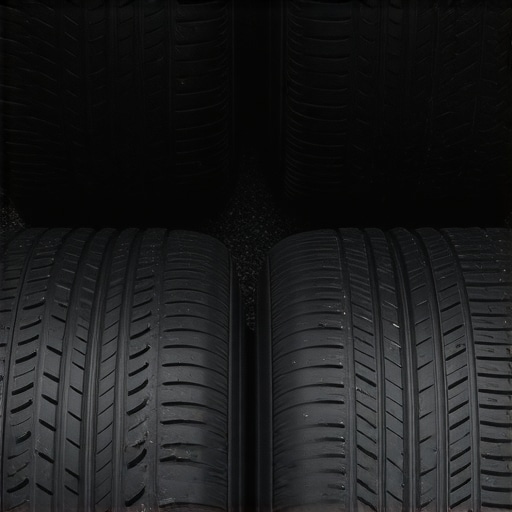
Ever noticed that your car’s tires seem to wear out more on the inside edge than the outside? I sure have. It’s that frustrating situation where you rotate your tires, only to see the inner tread disappear faster than you expected. I remember the first time I experienced this—thinking I’d done something wrong during my last tire rotation, only to realize it was a sign of a bigger issue that needed attention. That lightbulb moment made me dig into why this happens and how to fix it, saving me hundreds on premature replacements.
Getting to the Root of Uneven Tire Wear
Uneven tire wear, especially on the inside edge, often signals more than just the age of your tires. It can indicate suspension misalignment, worn components, or improper tire pressure. Ignoring these signs not only shortens the lifespan of your tires but also affects safety and fuel efficiency. Studies show that misaligned wheels can reduce gas mileage by up to 10%, and uneven wear can cause handling problems—bad news for you and your car.
Skeptical if Realignment Is Worth It? You’re Not Alone
I used to think that all those auto shops just wanted to sell me unnecessary services. My early mistake was ignoring the importance of proper wheel alignment, assuming it was just a scolding from the mechanic. But after my own struggles with premature tire wear, I learned that investing in a proper alignment and suspension checks is vital. When you understand what causes the inner edge to wear faster, you can take proactive steps to avoid costly repairs—and keep your vehicle running smoothly for years to come.
Let’s dive into the common reasons behind this issue and how you can identify and fix them. From simple checks to expert advice, you’ll find practical tips that can help you avoid the pitfalls I once fell into. Ready to extend your tires’ lifespan and ride safer? Let’s get started.
,
Check Your Tire Pressure First
Start with a quick visual check or use a reliable tire pressure gauge to ensure all tires are at the manufacturer’s recommended psi. An easy way to remember is to check the driver’s side door frame for the correct psi. Under-inflated tires can cause uneven wear, especially on the inside edge, leading to premature tire failure. I once ignored this step and ended up with a costly inner tire replacement that could have been avoided just by maintaining proper inflation.
Inspect Suspension Components for Worn Parts
Next, visually examine components like ball joints, tie rods, and control arms for signs of wear or damage. Worn suspension parts can induce misalignment, causing the inner tread to wear faster. Think of it like a tripod—if one leg is loose, the camera’s stability is compromised. I once ignored a loose tie rod, only to find my tire inner edge wearing rapidly after a few thousand miles. Replacing or repairing these parts restores proper alignment and even tire wear.
Identify Alignment Signs with a Quick Test
Drive on a straight, flat road and lightly let go of the steering wheel. If the car pulls to one side, it’s a sign your wheels are misaligned. Don’t ignore this; it’s a clear indicator that you need a professional alignment. When I felt my car pulling left consistently, I booked an alignment service. The technician adjusted my camber and toe settings, which corrected the inner tire wear pattern and improved handling.
Schedule a Professional Wheel Alignment
Booking a certified alignment service is the critical step. Ask your mechanic to perform a full suspension and wheel alignment check. They’ll use specialized equipment to set your wheels to manufacturer specifications, ensuring even tire contact patches. This process is like tuning a guitar—precise adjustments lead to harmonious performance. After my alignment, I noticed my tires wore evenly, and my fuel efficiency improved noticeably.
Follow Up with Regular Maintenance
Maintenance doesn’t end after one fix. Regularly check your tire pressure once a month, and inspect for uneven tread wear. Additionally, keep an eye on suspension parts—any squeaks or looseness should prompt further inspection. As a pro tip, align your wheels whenever you replace tires or hit a significant pothole. Staying proactive saved me from frequent tire replacements and extended my car’s lifespan. For more on managing your vehicle’s health, visit auto repair tips.
Myth-Busting: What Most People Get Wrong About Vehicle Diagnostics
Many car owners believe that basic dash alerts or the inability to start are all that vehicle diagnostics reveal. However, relying solely on generic scanner codes can be misleading. Expert technicians know that advanced diagnostics, such as advanced vehicle diagnostics, can identify underlying issues invisible to standard scanners. Skipping these nuanced checks can lead to overlooking critical problems that cause major breakdowns down the line.
For example, a common misconception is that the Check Engine light always indicates a serious engine malfunction. In reality, it might be a minor sensor glitch or a simple vacuum leak. Diagnosing these subtle issues requires trained eyes and specialized tools. Many auto shops focus on quick fixes, but true experts incorporate decoding vehicle diagnostics details that prevent costly repairs.
Brake Service and the Oops You Might Ignore
Everyone knows brake pads need changing eventually, but few realize that the real issue often lies beneath the surface. Rushing into a brake service without considering hidden components like master cylinders or ABS sensors can be a costly mistake. Smart auto repair hacks teach us to look beyond the obvious: uneven pad wear might be caused by warped rotors or failing calipers. If overlooked, these problems can escalate, leading to dangerous brake failure—and massive repair bills.
One trap to avoid actively is ignoring subtle signs such as a pulsating brake pedal or squealing during gentle stops. These are often early warnings of deeper issues. Regularly inspecting and maintaining your braking system not only ensures safety but also extends the lifespan of your components.
Advance Your Knowledge: Oil Changes Are Not Just About Changing Oil
The traditional advice was to change oil every 3,000 miles, but modern tech and synthetic blends have shifted this paradigm. What many don’t realize is that oil change innovations now allow longer intervals—up to 7,500 or even 10,000 miles—if quality oils are used and combined with regular diagnostics. Yet, some drivers fall into the trap of ignoring oil quality issues, which can lead to engine sludge, reduced performance, and even complete failure.
Another common mistake is neglecting oil filter maintenance or assuming that darker oil always signifies a problem. Actually, the filter’s condition, along with oil viscosity and engine load, determines the optimal change interval. Remember, timely oil changes preserve engine health far better than reactive repairs—so stay ahead with scheduled checks and learn to spot the subtle signs of oil degradation.
What Are the Advanced Signs That Your Vehicle Is Asking for Help?
Ever wondered if your vehicle communicates more than a warning light? Advanced drivers know to listen for subtle cues—like unusual vibrations, minor squeals, or changes in fuel efficiency—that hint at deeper issues. Decoding these signals can prevent minor problems from escalating into costly repairs. Don’t ignore the small signs—your car might just be telling you an upgrade or repairs are overdue. Have you ever fallen into this trap? Let me know in the comments.
Keep Your Vehicle Running Smoothly with the Right Tools
Maintaining your vehicle over time requires precision and the right equipment. I’ve found that investing in quality diagnostic tools and maintenance equipment is essential for long-term success. For example, a reliable
When it comes to auto repair, I recommend tools like a precision brake caliper piston tool for brake servicing, which allows me to service brakes safely and effectively without damaging components. Using high-quality tools not only makes repair jobs easier but also helps ensure that repairs last longer, translating to better vehicle performance over the years.
How do I maintain vehicle diagnostics over time?
Consistency is key. Regularly updating your diagnostic software and checking your tools for calibration ensures readings stay accurate. I also recommend keeping a log of repairs and diagnostic results to track recurring issues and patterns, making proactive maintenance more effective. As vehicle systems evolve, so do the diagnostic protocols, so staying informed through resources like vehicle diagnostics decoding guides will keep you ahead of potential problems.
Long-Term Gains of Proper Tools
Investing in proper maintenance equipment pays off over the lifespan of your vehicle. You’ll experience fewer breakdowns, improved safety, and better fuel efficiency. I foresee the trend moving toward AI-powered diagnostic devices that analyze vehicle data in real-time, providing actionable insights instantly. This evolution means even amateur enthusiasts could manage more complex repairs confidently, reducing reliance on costly professional services.
Don’t underestimate the importance of the simple repair hacks that these tools enable. By leveraging advanced diagnostic software and precise repair tools, you can extend your vehicle’s lifespan significantly. Begin by trying out an OBD-II scanner with live data capabilities—your vehicle will thank you, and you’ll gain a deeper understanding of how your car operates daily.
Over the years, I’ve learned that vehicle maintenance isn’t just about following a checklist—it’s about understanding your car’s subtle signals and acting on them before they turn into costly problems. One surprising insight was realizing how much hidden potential there is in simple diagnostic checks and proactive repairs, saving me time, money, and stress in the long run.
Lessons I Wish I Had Known Sooner
- Basic diagnostics can prevent major breakdowns: Relying solely on warning lights often misses underlying issues. Regularly decoding vehicle diagnostics helps catch problems early.
- Proper alignment extends tire life: I’ve seen firsthand how timely wheel alignments can save hundreds on premature tire replacements, especially when I started paying attention to uneven tire wear.
- Quality tools empower DIY repairs: Investing in a good OBD-II scanner and precise repair tools turned me from dependent to confident, enabling me to troubleshoot and fix minor issues without expensive trips to the mechanic.
- Suspension health impacts safety and economy: Regular suspension checks can pinpoint worn components that cause uneven wear and handling problems, ensuring a smoother, safer ride.
- Stay curious and educated: Continually learning about auto repair, through trusted resources and hands-on practice, transforms a daunting task into an empowering routine.
The Tools That Changed My Approach
- BLUECAT MICROPRO OBD-II Scanner: Its comprehensive data analysis helped me understand my vehicle’s health on a deeper level and catch issues early.
- Digital Tire Pressure Gauge: Ensuring optimal tire pressure has significantly reduced uneven wear and improved fuel efficiency.
- Precision Brake Caliper Piston Tool: Made brake service safer and more effective, extending brake component life.
- Reliable Google Resources and Guides: Websites like top auto repair tips have been invaluable in guiding my maintenance decisions.
Keep Your Auto Journey Exciting and Safe
Taking control of your vehicle’s health with the right knowledge and tools is incredibly rewarding. Every inspection, repair, or upgrade not only preserves your car’s performance but also builds confidence and peace of mind. Remember, the road to reliable, long-lasting vehicle ownership is paved with curiosity, proactive care, and continuous learning. So get out there, explore your car’s secrets, and enjoy the ride ahead. Do you have a favorite auto repair tip or tool that transformed your car maintenance routine? Share below—I’d love to hear your story!
,