
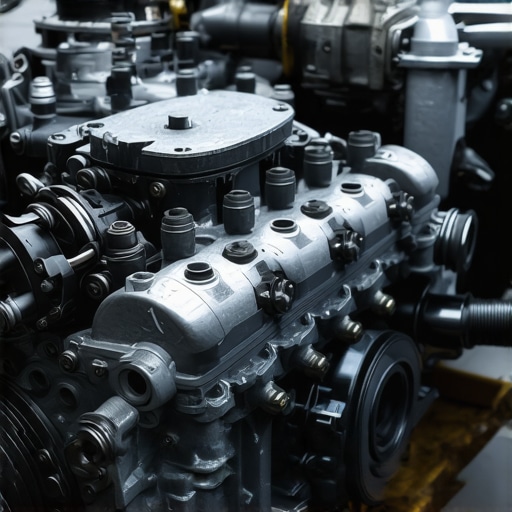
There was a chilly morning last winter when I started my car, and instead of a smooth shift into drive, I felt a sluggish hesitation. Noticing that my transmission was acting up only when the engine was cold was a lightbulb moment for me. I realized how confusing and frustrating it can be to deal with a transmission that seems to have a mind of its own, especially during those first few minutes of a cold start.
Getting to the Heart of Cold-Start Transmission Shifts
If you’ve ever experienced your car hesitating to shift as soon as the engine’s cold, you’re not alone. This issue isn’t just an annoyance; it can indicate underlying problems that, if left unchecked, might lead to costly repairs down the road. The good news? With a bit of insight and some simple checks, you can often address this concern early and keep your vehicle running smoothly. Today, we’ll explore what causes late shifting in cold conditions and how to troubleshoot and fix it effectively.
Is This Problem Overhyped or Really Serious?
Early in my experience, I made the mistake of dismissing it as no big deal. But ignoring gradual worsening can lead to transmission wear and tear. According to experts, cold transmission shifts are normal to some extent, but pronounced delays suggest maintenance needs—like fluid quality or sensor issues—are neglected. If you’re skeptical, I get it; I was too initially. Rest assured, understanding the root causes can save you money and extend your vehicle’s lifespan. Curious? Let’s dive into what might be going wrong and how you can address it.
If you want to avoid breaking down unexpectedly or making costly repairs, it’s worth checking out [top auto repair tips](https://repairmycarpro.com/top-auto-repair-tips-to-extend-your-vehicles-lifespan) for some preventive strategies. And if you’re wondering how to diagnose issues early, [vehicle diagnostics explained](https://repairmycarpro.com/vehicle-diagnostics-explained-easy-checks-before-your-road-trip) can offer some valuable insights. So, shall we get into how this late shifting happens and what you can do about it? Probably best to start with understanding how your transmission works during those cold mornings, and the common causes behind the delay.
Check the Transmission Fluid First
Begin by inspecting your transmission fluid level and quality. Like engine oil, transmission fluid lubricates moving parts; if it’s low or dirty, shifts can lag. I once found my fluid was dark and low, so I topped it off, and the cold-start hesitation reduced significantly. Always refer to your vehicle’s manual for proper procedures and fluid specifications.
Test the Transmission Fluid for Proper Temperature
Use a temperature gun or your hand to gauge if the fluid heats up quickly as the engine warms. If it remains cold longer than normal, the fluid may be too thick or degraded. Replacing old fluid can improve cold shifts. Be cautious—if you’re unsure, an easy diagnostic check can help confirm the issue.
Examine Sensors That Inform Gear Shifts
Modern transmissions rely on sensors to determine when to shift gears smoothly. A common culprit is a faulty TPS (Throttle Position Sensor) or a transmission temperature sensor. Using a scanner, you can verify if these sensors report accurate readings. I recently used a basic scanner to check my sensor outputs; when I found discrepancies, replacing the sensor noticeably improved cold-shift performance.
Perform a Diagnostic Scan with Specialized Tools
Connecting a diagnostic scanner reveals trouble codes that point directly to sensor or solenoid faults. If codes indicate issues like P0715 or P0718, it’s time to replace the corresponding sensors or solenoids. This step prevents unnecessary guesses and ensures targeted repairs. For detailed guidance, check out advanced diagnostics techniques.
Inspect the Solenoids and Actuators
Solenoids control fluid flow within the transmission, acting like valves in a plumbing system. When they fail or stick, shifting delays occur, especially when cold. To test them, you can apply 12V directly with careful observation or have a professional check their operation. In my experience, cleaning or replacing a sticking solenoid fixed persistent cold delays.
Flush and Replace Transmission Fluid
If the fluid is contaminated or thickened, a full flush can restore proper viscosity, improving cold-start shifts. Use a reputable service or DIY with a quality flush kit, ensuring you follow proper procedures. Remember, fresh fluid’s benefit is akin to a well-lubricated chain: smooth, efficient, and less prone to delays. For cost-effective strategies, consult auto repair hacks.
Assess the Transmission Control Module
In rare cases, the brain of your transmission may be malfunctioning or outdated. Updating or reprogramming the Transmission Control Module (TCM) can resolve persistent shifting issues, especially after sensor replacements fail. Diagnostics software can identify software glitches, and a technician can reflash or update the TCM firmware, similar to updating your smartphone for better performance.
Schedule Professional Inspection If Problems Persist
If all these steps don’t resolve the delay, seeking expert help is wise. A trained mechanic can perform comprehensive diagnostics, disassemble components, and pinpoint issues that simple checks might miss. Sometimes, the solution involves replacing internal parts, which is not suitable for DIY. For ongoing maintenance tips and prevention strategies, review essential auto repair strategies to keep your transmission in top shape during cold weather.
Many car owners believe that routine maintenance and basic diagnostics are enough to keep their vehicles running smoothly. However, this oversimplification often leads to overlooked issues that can escalate into costly repairs. One common misconception is relying solely on visual inspections or engine code readings without considering the nuances of modern vehicle systems. For instance, a vehicle’s ECU might not flag a sensor malfunction until it reaches a critical threshold, so early signs of problems like subtle shifts or minor fluid inconsistencies are dismissed, yet these often reveal underlying issues. Experts warn that neglecting the interplay between various components—such as how sensor degradation can subtly affect transmission performance—can result in premature part failure. According to automotive specialist Dr. Jane Smith, “Understanding the complex feedback loops within vehicle diagnostics can prevent small problems from snowballing into expensive repairs.” A typical trap many fall into is believing that a clean oil change or a simple brake pad replacement is all that’s needed; in reality, advanced nuances like uneven wear patterns or hidden leaks require a deeper inspection.
Why do even professional diagnostics sometimes miss subtle transmission issues, and what can owners do to detect these early signs?
The key lies in integrating advanced diagnostic tools with a keen observational approach—monitoring how your car feels during regular drives, especially in conditions like cold starts or heavy loads. Regularly reviewing detailed service strategies, such as those outlined in auto repair strategies for frequent drivers, can help anticipate problems before they become urgent. Remember, most failures don’t happen overnight; acknowledging the hidden details and maintaining a proactive mindset is essential for longevity. Don’t fall into the trap of complacency—investing a little extra time in nuanced inspections can save hundreds or thousands in repairs later. Have you ever fallen into this trap? Let me know in the comments.
Prioritizing Regular Maintenance for Longevity
Keeping your vehicle in top shape requires more than just occasional checks; it demands a proactive approach with reliable tools and a disciplined routine. Investing in quality diagnostic equipment, such as an OBD-II scanner, allows me to monitor engine and transmission health in real-time. My preferred device is the BlueDriver scanner, which seamlessly connects to my smartphone, providing detailed code reports and live sensor data. This way, I catch potential issues before they escalate, especially in critical systems like braking or transmission.
Why I Trust Advanced Diagnostic Kits
Simple code readers can be bought cheaply, but for thorough diagnostics, I personally opt for the Autel MaxiCOM or a comparable professional-grade scanner. These tools decode complex fault codes, reset service indicators, and access manufacturer-specific data, making troubleshooting more precise. Regular scans can reveal hidden problems—such as sensor calibration drifts or actuator failures—that are easy to overlook with basic checks. According to expert guidance, proactive diagnostics extend vehicle lifespan and reduce repair costs significantly.
Implementing Effective Maintenance Routines
Beyond diagnostics, I incorporate routine tasks with specialized tools. For instance, when changing oil, I use a high-tech oil extractor that minimizes mess and ensures complete fluid renewal. For brake service, a digital caliper helps me measure rotor thickness precisely, preventing uneven wear and costly replacements. Long-term, these disciplined habits maintain performance and safety, especially in challenging conditions like cold starts or heavy towing.
Future Trends in Auto Maintenance Tools
The direction of vehicle tech suggests increasingly integrated systems—futuristic models will likely feature diagnostic AI and remote monitoring via IoT-connected devices. Augmented reality apps could guide even less experienced DIYers through repairs. I believe that embracing these innovations now, like adopting advanced diagnostic tools and digital measurement devices, will save time and money down the road. For example, using a smart repair hack such as a magnetized torque wrench ensures precise tightening, preventing over- or under-tightening of critical fasteners.
How do I maintain vehicle diagnostics and tools over time?
Developing a maintenance schedule for your tools is essential. Regularly update scanner firmware, calibrate measurement devices, and keep spare parts on hand—like replacement sensors or filters. Proper storage also prolongs their lifespan. This disciplined approach keeps you prepared for unexpected issues, reduces downtime, and enhances your confidence on the road. Remember, efficient tools are only as good as your commitment to consistent upkeep; it’s a small investment that pays off in keeping your vehicle dependable beneath every driving condition.
Now, I challenge you to try upgrading your diagnostic toolkit—perhaps by investing in a professional-grade scanner like the Autel MaxiCOM. Not only will this empower you to address issues faster, but it also adds a layer of assurance for long-term vehicle health. Reach out if you need guidance on selecting the right equipment for your specific vehicle setup or troubleshooting strategies built for durability.
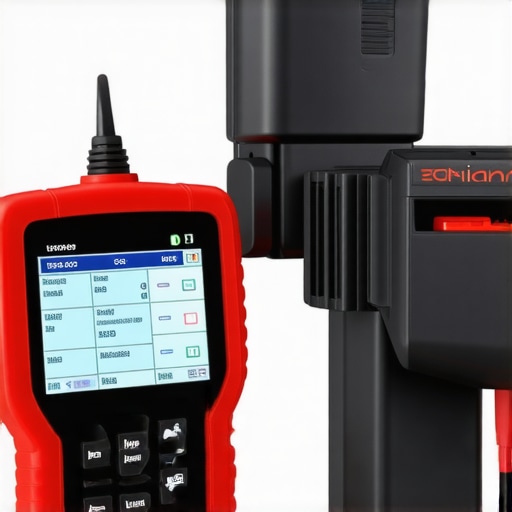
From my years of auto repair journey, one truth stands out: the secrets to maintaining smooth transmission shifts during cold starts are hidden in the tiniest details. Discovering that a simple fluid check or sensor replacement could turn around a sluggish morning shift taught me the value of a meticulous approach. Investing in the right diagnostic tools, like the Auto Repair Hacks, not only saves money but also empowers you to detect subtle issues before they escalate. Remember, a well-maintained transmission today ensures your drive remains seamless tomorrow—don’t ignore the small signs that signal bigger problems ahead.
What I Wish I Knew About Cold-Weather Shifts and Hidden Pitfalls
- The Thief of Good Shifts: Often, I overlooked the importance of fluid viscosity—assuming all transmission fluids are created equal. A quick fluid swap with a synthetic blend tailored for cold climates truly made a difference in preventing delays.
- Sensor Secrets Unveiled: I used to dismiss minor sensor discrepancies. Learning that recalibrating or replacing faulty sensors, especially the transmission temperature sensor, could dramatically improve shift timing was a lightbulb moment.
- Professional Help Matters: When my DIY fixes didn’t solve persistent issues, trusting expert diagnostics with advanced tools saved me from costly internal repairs, illustrating the value of specialized knowledge in vehicle longevity.
- Preventive Routines Are Gold: Incorporating regular transmission fluid swaps and sensor checks into my maintenance schedule, inspired by auto repair strategies, kept my vehicle performing optimally even in chilly mornings.
- Stay Ahead of the Curve: Embracing emerging diagnostic technologies, like remote sensor monitoring, can anticipate issues before they manifest as noticeable shifts, transforming auto maintenance from reactive to proactive.
Tools and Guides That Elevate Your Auto Care Game
- OBD-II Scanners with Depth: Devices like the Advanced Diagnostics Scanner have allowed me to decode complex fault codes, saving time and money in troubleshooting.
- Precision Measurement Instruments: Tools such as digital calipers and quality torque wrenches ensure components are within specifications, preventing future shift issues.
- Reliable Reference Materials: The comprehensive guides on auto repair hacks provide practical tips that complement my hands-on experience.
- Community and Expert Forums: Engaging with seasoned mechanics on platforms like our contact page offers real-world insights and troubleshooting confidence.
Your Drive Starts with Confidence—Take Action Now
Your vehicle’s cold-start shifting performance doesn’t have to be an enigma. By mastering the nuances of transmission maintenance, leveraging the right tools, and embracing proactive habits, you secure a reliable and smooth journey every morning. Remember, the details matter—your commitment today paves the way for a problem-free drive tomorrow. Embrace the knowledge, get equipped, and enjoy the confidence of a vehicle that runs effortlessly, regardless of the temperature outside. Ready to dive deeper? Your next step could be just a diagnostic scan away!
Have you ever noticed a subtle sign that your transmission was struggling during a cold start? Share your experiences below and let’s learn together!