
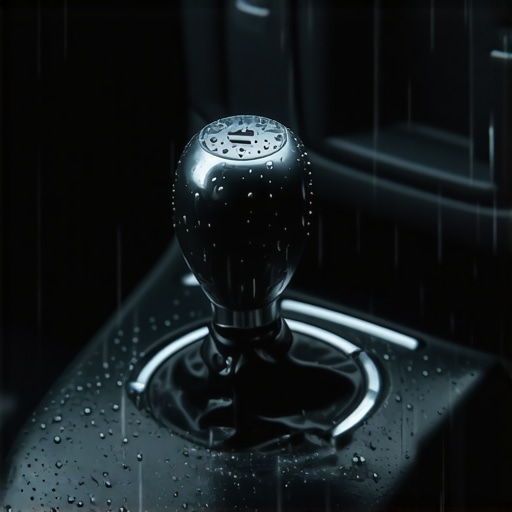
It was pouring cats and dogs yesterday, and just as I was about to head out, my car decided it wasn’t in the mood to shift gears anymore. Frustration bubbled up as I fumbled with the stick, feeling helpless in the downpour. Ever been there? That sinking feeling when your vehicle’s transmission acts up just when you need it most, especially during bad weather? Well, you’re not alone.
Rainy Days and Shifting Woes: What’s Really Going On?
When rain starts to pour, many drivers notice their transmissions become stubborn or refuse to engage properly. It feels like your car is playing a cruel joke on you. But behind this inconvenience, there’s often a simple explanation—humidity and water seepage can mess with your vehicle’s delicate electronic and hydraulic systems. The good news? With a little know-how, you can prevent this annoyance and keep your car shifting smoothly, rain or shine.
Will Ignoring This Issue Lead to More Problems?
Early on, I made the mistake of dismissing minor shifting problems, thinking they were just quirks. That was a costly lesson—small issues left unattended can escalate, leading to expensive repairs. Learning from my slip-up, I now pay attention to the clues my car gives me, especially during damp weather. This proactive approach isn’t just about convenience; it’s about safety and saving money. Curious if your transmission issues are related to weather? If so, keep reading. We’ll dive into practical tips and solutions that the seasoned neighbor (that’s me!) swears by. Want to get ahead of these problems? Check out our comprehensive guide on auto diagnostics to understand what your vehicle tries to tell you when it acts up during rain. It’s a game-changer for anyone serious about their car’s health. Are you facing this exact problem right now? Don’t worry—I’ve got your back. Let’s get into the details so you’ll never be caught off guard again when the skies open up.
Identify Water Intrusion in Your Transmission System
Start by inspecting the transmission fluid for signs of contamination, such as a milky or burnt smell, which indicates water has seeped in. Use a clean dipstick to pull a sample and compare its color and consistency to the vehicle manual’s specifications. I once caught water in my fluid after a heavy downpour by checking this; replacing the fluid immediately prevented further damage. Think of it as checking milk before pouring—it’s your first line of defense.
Drain and Replace Contaminated Transmission Fluid
If you detect water contamination, plan to drain the old fluid and refill with fresh, manufacturer-recommended type. It’s like flushing out bad water from a pond—clean water ensures your transmission’s hydraulic components function properly. To do this, elevate the vehicle safely, remove the transmission pan drain plug, and let the fluid drain into a catch pan. Be prepared for a mess; wearing gloves and protective eyewear helps. Afterward, refill the transmission with new fluid via the fill tube, checking levels with the dipstick. This simple act can restore smooth shifting and prevent costly repairs down the line. For detailed instructions, visit our vehicle diagnostics guide to understand what your car reports when problems arise.
Enhance Weather Resistance with Seals and Shields
Applying waterproof seals around critical transmission components and underbody shields can prevent water ingress during heavy rain. Think of these as raincoats for your car’s vulnerable parts, safeguarding vital systems from moisture. When I added sealant to suspected leak points on my car, I noticed my transmission’s performance stayed consistent through storms. Regularly inspecting and maintaining these seals is like replacing worn-out weatherstripping around your windows; it keeps water out and prevents deterioration. Make it a routine check, especially before the rainy season, to stay ahead of problems. Remember, prevention beats repair, especially when dealing with water and sensitive auto parts. If you’re unsure about inspecting seals or want pointers on overall auto health, our auto repair strategies offer comprehensive advice to keep your vehicle in top shape.While many car owners believe they understand basic diagnostics and maintenance, there are often subtle misconceptions that can lead to costly mistakes. For instance, common myths about oil changes, brake service, and auto repairs can cause drivers to overlook critical issues until they become severe problems. One widespread misconception is that more frequent oil changes always equate to better engine health. In reality, modern synthetic oils can last up to 7,500 to 10,000 miles, and changing it too often not only wastes money but might even cause unnecessary drain and fill cycles that could disturb engine seals over time. Another trap drivers fall into relates to brake servicing. Many assume that brake pads are the sole component requiring attention, but neglecting brake fluid quality and caliper function can compromise braking performance. Rushing to replace pads without inspecting rotors or fluid can lead to uneven wear or pedal feel issues, a mistake often compounded by misbeliefs from outdated auto repair advice. When it comes to vehicle diagnostics, the myth that a check engine light is always a minor problem is dangerous. Some assume that because a vehicle runs smoothly, diagnostic trouble codes (DTCs) can be ignored. Advanced diagnostic tools reveal that some stored codes are precursors to significant failures—ignoring them can result in expensive repairs or breakdowns. To truly master vehicle maintenance, owners should understand that regular, proactive inspection using advanced diagnostics is key, and that each component’s nuanced behavior plays a role in overall safety and performance. A common oops is neglecting the importance of environmental conditions—water intrusion, humidity, and temperature fluctuations can affect electronic systems and lead to false diagnoses if not properly considered. For example, moisture in connectors can mimic sensor failures, leading to unnecessary repairs if overlooked. Experts recommend comprehensive check-ups that consider these nuances; for instance, professional auto diagnostics can detect hidden issues unseen by the untrained eye, saving money and avoiding dangerous scenarios. Curious about how to dive deeper into your car’s health? Our article on advanced vehicle diagnostics explains how modern tools can prevent costly breakdowns by revealing subtle issues early. Do you ever encounter these pitfalls? Let me know in the comments! Remember, understanding the fine details of auto maintenance isn’t just for mechanics—it’s a vital skill for every responsible vehicle owner.Maintaining your vehicle over time isn’t just about fixing problems when they arise; it’s about proactive care with the right tools and methods. One of my favorites is a quality scan tool like the BlueDriver Bluetooth Professional OBD2 Scanner. I personally rely on it because it pairs seamlessly with my smartphone, providing detailed diagnostics without the need for expensive equipment. This device helps me interpret stored codes and real-time sensor data, making troubleshooting much faster and more accurate—crucial for catching issues early. For instance, I use it regularly before long trips to ensure no lurking problems can turn into costly repairs down the line, which ties into our detailed article on vehicle diagnostics. Looking ahead, I predict that integration between diagnostic devices and cloud-based maintenance logs will become standard, allowing for even more precise long-term health monitoring. So, how do I maintain my vehicle over time? I follow a disciplined schedule leveraging these diagnostics, schedule routine services like oil changes with high-quality synthetic oils, and stay ahead of wear and tear. Regularly checking and replacing filters and fluids—like the transmission fluid—maintains transmission health and prevents issues like water intrusion, which can be disastrous. For brake systems, I trust hydraulic pressure testing with a dedicated brake bleeder kit, ensuring optimal performance. This approach saves me from unexpected breakdowns and helps extend the vehicle’s lifespan, as detailed in our auto repair tips. Also, I use a dedicated torque wrench for tightening critical bolts, especially during brake or suspension work, which prevents over-tightening or under-tightening—common pitfalls that lead to long-term damage. Regular visual inspections of seals, boots, and welds prevent moisture and debris buildup that compromise systems over time. For those interested in scaling this approach, consider investing in a mobile automotive workshop setup for larger fleets or multiple vehicles. Using these tools and strategies has consistently kept my vehicle running smoothly and reliably. Want to optimize your maintenance routine? Start by integrating an advanced scan tool into your regular checks—it’s a game-changer. Remember, early detection and proper maintenance with proven tools will keep your car working efficiently for years to come.
What I Wish I Knew About Water Intrusion and Transmission Care
Often, a minor symptom like water in the transmission fluid hints at larger issues that, if overlooked, can lead to costly repairs. My biggest lesson was realizing that consistent checks and early intervention are key to longevity. Ignoring small signs, such as delayed shifts during rainy days, can hide water ingress problems I could have caught earlier with routine inspections.
Understanding the importance of sealing vulnerable transmission components was a game-changer. I learned that preventative measures, like applying waterproof seals, drastically reduce water-related issues. This proactive approach saved me from unexpected breakdowns and drove home that maintenance isn’t just about fixing problems—it’s about preventing them.
Finally, I discovered that modern diagnostic tools empower car owners to take control of their vehicle health. Investing in quality scan tools and staying informed through auto diagnostics resources can detect early warning signs before they escalate. Embracing these insights has transformed my approach from reactive to proactive, ensuring smoother rides and longer vehicle lifespan.