
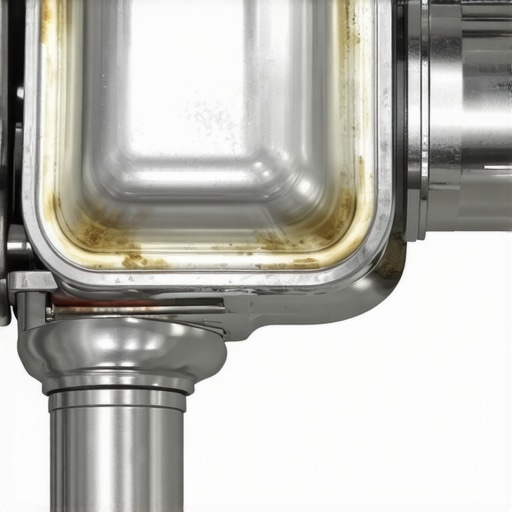
Ever had that awkward moment when you step into your car and immediately notice a pungent, rotten egg smell? At first, I thought I might’ve left some rotten food behind or that myRecent trip to a gas station had left an open tank cap. But the smell persisted, growing stronger every time I drove. It was embarrassing—especially when friends got into my car, grimacing at the unpleasant odor. That was my lightbulb moment, realizing that this wasn’t just a bad smell but a sign of something more serious lurking under the hood.
The Stinky Truth Behind Rotten Egg Smell
This familiar yet mysterious odor often points to a common cause: a problem with your catalytic converter. This vital component converts harmful gases into less toxic emissions, keeping your vehicle eco-friendly and compliant with regulations. When it starts failing, it releases sulfurous compounds directly into your exhaust and, ultimately, into your cabin—giving off that unmistakable rotten eggs smell. Believe it or not, according to the Environmental Protection Agency (EPA), a malfunctioning catalytic converter can also cause your vehicle to emit higher levels of pollutants, harming the environment and your health.
Initially, I made a costly mistake: ignoring the smell, assuming it was just a minor issue or a side effect of bad fuel. But that only worsened my situation, leading to poor engine performance and even risking damage to other engine components. If you’ve experienced the same frustration, you’re not alone. And trust me, fixing this problem isn’t just about losing the smell but safeguarding your engine’s health and your own well-being.
Does It Actually Make Sense to Worry About That Odor?
Early on, I underestimated how serious a rotten eggs smell could be. I postponed taking my car to a mechanic, thinking it was a simple olfactory nuisance. Turns out, that was a mistake. A failing catalytic converter can cause your car to fail emissions tests and could lead to more costly repairs down the line. Curious if your vehicle’s smell is a sign of something worse? Stick around because we’ll go beyond the surface and explore exactly why this olfactory warning exists and what you can do about it.
Start with a Visual Inspection of Your Catalytic Converter
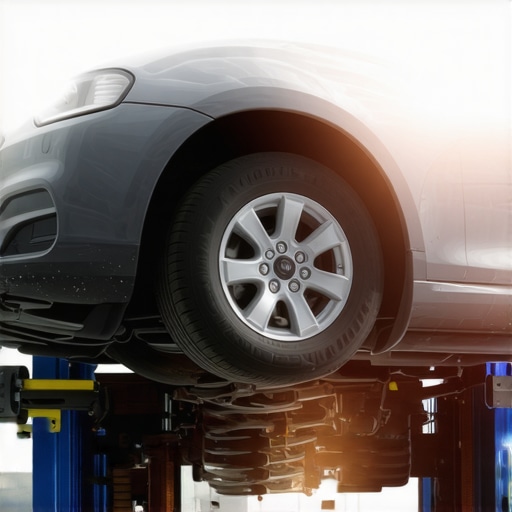
First, locate your catalytic converter under the vehicle—it’s usually between the engine and the muffler. Look for signs of damage, rust, or black soot that indicate trouble. I once jacked up my car, got under it, and noticed a cracked converter with chunks missing. This obvious damage confirmed the need for replacement, saving me from unnecessary repairs later. If your converter looks intact, move on to testing it.
Test the Catalyst for Proper Functionality
Use a diagnostic scan tool to check for hint codes related to emissions. If you’re comfortable, you can also perform a tailpipe emission test. When I did this in my driveway with an OBD-II scanner, I saw elevated levels of sulfur-related emissions, indicating the converter isn’t working effectively. If testing confirms issues, replacing the catalytic converter is essential. For a quick check, consider observing your vehicle’s performance; sluggish acceleration and poor fuel economy often accompany catalytic issues.
Check for Exhaust Leaks and Blockages
Inspect the exhaust manifold and piping for leaks or blockages. An exhaust leak near the converter can cause similar smells, as unburned sulfurous gases escape prematurely. I had a tiny crack near the manifold that was sneaking smelly fumes into the cabin. To identify leaks, listen for hissing sounds, or spray soapy water around joints and look for bubbling. Seal minor leaks with repair clamps or thermal epoxy. If leaks are extensive, replacing damaged sections is advisable.
Examine the Fuel System for Sulfur-Contaminated Fuel
Sulfur-rich fuel can generate rotten egg odors and damage your catalyst. Drain the fuel tank if contaminated and refill with high-quality gas. I learned this the hard way when I used a cheap fuel station, and the odor intensified. Switching to reputable fuel sources ensures cleaner combustion and reduces sulfur in fumes.
Replace the Catalytic Converter If Necessary
If diagnostics and inspections point to a faulty converter, replacement is unavoidable. Remember, a failing converter can emit higher pollutants; it’s both an environmental and legal concern. When I replaced mine, I used OEM parts for durability, and the smell disappeared almost immediately. Consider professional installation or carefully follow DIY guides if you’re experienced. Also, resetting your vehicle’s emissions sensors afterward can help clear warning lights; check this detailed guide on resetting your oil maintenance alarm.
 Many vehicle owners approach auto repair and maintenance with misconceptions that can lead to costly mistakes. For instance, a common myth is that all brake pads are created equal, but in reality, choosing budget options often results in faster wear and potential safety hazards. Additionally, the belief that an oil change every 10,000 miles is always necessary neglects the nuances of synthetic oils and turbocharged engines, which require more frequent attention as detailed in discussions about [synthetic oil benefits](https://repairmycarpro.com/why-synthetic-oil-is-the-only-thing-keeping-your-turbo-alive).
Maintaining your vehicle’s health isn’t just about periodic inspections; it requires the right tools, consistent habits, and a proactive mindset. Over the years, I’ve refined a set of reliable equipment that allows me to perform routine maintenance and troubleshoot issues efficiently, saving time and money. Whether you’re tackling a simple oil change or diagnosing complex engine problems, having the appropriate tools can make all the difference.
Invest in a Quality OBD-II Scanner
An advanced OBD-II scanner isn’t just for professional mechanics anymore. I personally use the BlueDriver Bluetooth Pro because it offers comprehensive vehicle diagnostics, including reading and clearing error codes, live data, and freeze frame information. This tool provides insights into engine performance, emissions, and other critical systems. It’s especially useful if you want to avoid unnecessary trips to the mechanic or want to understand what’s triggering your check engine light. The ability to access real-time data helps me catch potential issues early, such as subtle sensor failures or approaching component wear.
Reliable Mechanical Hand Tools
For my routine brake service and oil changes, I rely on a high-quality socket and wrench set like the GearWrench Master Set. Having durable tools with a variety of sizes allows me to handle different cars and components without slipping or stripping bolts. An impact wrench for tire rotations and brake caliper removal has been a game-changer, reducing time and effort. Remember, investing in well-made tools is cost-effective—cheap tools tend to break or round off fasteners, leading to more expense and frustration.
Protective and Inspection Equipment
Safety should always come first. I wear nitrile gloves during oil changes and a quality mechanic’s creeper when inspecting beneath the vehicle. A good creeper lets me slide easily and examine exhaust systems or suspension components without straining my back. To identify leaks or blockages, I use a small borescope camera, which visually helps me check the inside of engine cylinders or inside tight spaces—preventing unnecessary disassembly.
Utilize Quality Fluids and Parts
Choosing premium oils, fluids, and replacement parts enhances long-term performance. I prefer synthetic oils that meet or exceed manufacturer specifications because of their superior stability and additive packages. For brake parts, I avoid cheap substitutes; instead, I invest in OEM quality components to ensure safety and longevity. Remember, matching the right parts with your car’s specific needs prevents premature failures and costly repairs down the line.
Where Do You See the Future of Auto Maintenance?
As vehicle technology advances, especially with electric and hybrid models, diagnostic tools and repair techniques will become increasingly sophisticated. The rise of **smart repair systems** and AI-driven diagnostics promises quicker, more accurate troubleshooting, reducing downtime and repair costs. Preparing with adaptable, high-tech tools now can give you an edge in maintaining and repairing your vehicle effectively.
Curious to optimize your maintenance routine? I recommend trying out a professional-grade scan tool like the OBD-II scanner with enhanced features. It’s a straightforward upgrade that provides immediate benefits, helping you diagnose issues before they escalate. Staying ahead with the right tools ensures your car remains reliable, safe, and efficient for years to come.

Image description: A user-friendly vehicle diagnostic scanner connected to a car’s dashboard port, displaying real-time data on a tablet.
The Hardest Lesson I Learned About Auto Repair, Brake Service, Vehicle Diagnostics, Oil Change
One of my biggest epiphanies was realizing that neglecting small signs, like a persistent rotten egg smell, can lead to major engine problems down the line. I learned that regular inspections and paying attention to odors not only save money but also extend your vehicle’s lifespan. My mistake was dismissing the smell, which only allowed the issue to worsen, teaching me the importance of proactive maintenance.
3 Myths About Auto Repair That Held Me Back
Believing that cheap parts always save money turned out to be false. High-quality, OEM parts may seem costly upfront but save you from frequent repairs and safety hazards. Another myth was thinking that an emission problem is purely environmental without personal consequences. In reality, issues like catalytic converter failure impact your engine’s performance and legality. Recognizing these misconceptions helped me make wiser maintenance choices.
What Experts Won’t Tell You About Vehicle Diagnostics and Oil Changes
Many overlook how advanced diagnostic tools can uncover hidden issues early. Using a reliable OBD-II scanner like BlueDriver can reveal problems before the check engine light even comes on, preventing costly repairs. Additionally, the common advice of an oil change every 10,000 miles isn’t always ideal, especially with synthetic oils and turbocharged engines—trusting manufacturer recommendations and monitoring oil condition is key.
My Essential Toolkit for Auto Maintenance
Investing in a quality impact wrench, a versatile socket set, and a top-tier scan tool like the BlueDriver has transformed how I approach car care. These tools enable me to perform a wide range of repairs and diagnostics, saving both time and money. Quality tools are an investment that pays off by making maintenance less daunting and more efficient.
Where to Go from Here
Start small by performing routine checks like inspecting your catalytic converter for rust or damage or using a diagnostic scan to catch issues early. As you grow more confident, explore DIY repair guides and consider upgrading your toolkit. Staying proactive is your best strategy against costly surprises, ensuring your vehicle stays reliable and efficient for years to come.
Take Action and Keep Your Car Running Smoothly
Understanding the nuances of auto repair, brake service, vehicle diagnostics, and oil changes empowers you to make smarter decisions about your vehicle’s health. Are you ready to tackle minor repairs or diagnostics yourself? Share your experiences or questions below—let’s keep the conversation going and learn from each other’s journeys toward better car maintenance.