
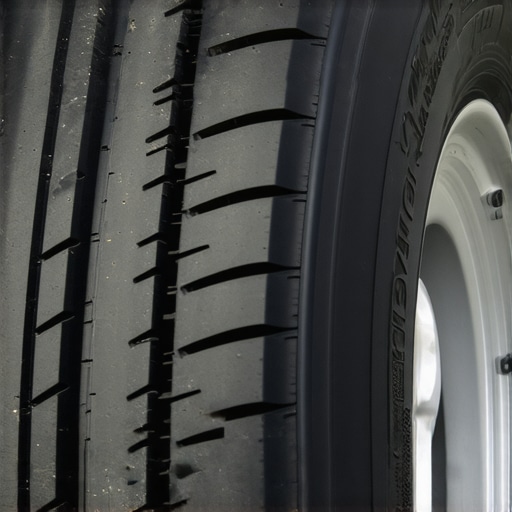
Have you ever mounted a set of brand-new tires, only to notice their inner edges look almost bald after just a few thousand miles? I remember the first time I faced this frustrating surprise. I had just replaced my tires, feeling confident I was equipped for the road ahead. But as I examined my tires a few weeks later, I saw the telltale signs of uneven wear—specifically on the inside edges. That moment was an eye-opener, and I realized I wasn’t alone in this struggle.
Understanding Why Your New Tires Are Wearing Out Prematurely on the Inside
When new tires start to wear unevenly, especially on the inside edge, it’s more than just an aesthetic issue. It’s a warning sign that something isn’t quite right with your vehicle’s alignment, suspension, or driving habits. The most common culprit is **misalignment**, which shifts the tire’s contact patch and causes uneven stress. But before you start pointing fingers at your local shop, consider this: I made the mistake early on of ignoring a subtle steering pull, thinking it was nothing. As it turned out, that was a sign my car’s alignment was off—and it was silently ruining my new tires.
Proper tire wear is essential not just for longevity but for safety, fuel efficiency, and overall vehicle health. According to the Rubber Manufacturers Association, uneven tire wear can reduce a tire’s lifespan by up to 50% and compromise handling. So, why are so many drivers unaware of the root causes affecting their tires? The answer often lies in overlooked maintenance issues or incorrect driving assumptions.
If you’re experiencing the same issue, don’t worry. In this post, I’ll share the practical insights and steps I discovered over years of auto repair experience to help you identify and tackle the underlying problems. From quick checks to professional alignments, this guide aims to save you money and extend your tire’s life. Have you faced this problem with your tires? Keep reading—I’ve been there, and I’ve got your back.
Will Fixing Your Alignment Really Make a Difference?
Absolutely. Misalignment might seem minor, but it can drastically accelerate tire wear on one side. It’s one of those issues that sneaks up on you, especially if you’re unaware of the signs. I initially thought my car just needed a new set of tires, but after a quick check using a trusted method I found in my research, I realized my alignment was off. Getting a professional alignment, especially after new tires or suspension work, can prevent premature wear and save you money in the long run. Curious about whether your alignment might be the culprit? I recommend reading more about the common signs of poor alignment to catch issues early, or visit this detailed article on why your car’s tires are wearing on the inside edge.
Now that you understand the importance, let’s explore the specific steps to diagnose and correct this problem. Whether you’re a DIY enthusiast or planning to visit your mechanic, these insights will prepare you for a safer, smoother ride.
ixels
Start with a Visual Inspection and Basic Checks
Remove your wheel cover and visually examine the inside edge of your tire for uneven tread wear or damage. I once caught a cracked belt on my tire during this step, preventing a future blowout. Next, check your tire pressure against the manufacturer’s recommended psi (usually found in your owner’s manual or on a sticker inside the driver’s door). Proper inflation is critical; under-inflated or over-inflated tires can cause uneven wear. Use a reliable gauge and refill your tires with an air compressor if needed. Remember, uneven tire pressure can exacerbate inner edge wear, so routinely verify and maintain correct pressure.
Perform a Quick Alignment Check
Misalignment is a leading cause of inner edge wear. Jack up your vehicle and spin the wheel by hand, observing the tire’s contact with the ground. If you notice the tire naturally tilts inward or outward, it’s a sign your alignment is off. For a more accurate assessment, use a string alignment method: stretch a long string around the tires to ensure they are parallel and centered. Alternatively, reach out to a trusted mechanic, especially if your steering pulls to one side or if you notice uneven handling. Checking this early can save you from more costly repairs down the line.
Check Suspension and Ball Joints
Worn suspension components can cause misalignment and uneven tire wear. Visually inspect ball joints for excessive movement or play—grab the wheel at the 12 and 6 o’clock positions and attempt to move it. If you feel looseness or hear clunking, it’s time for replacement. During my own repair, I replaced worn ball joints—this immediately improved tire contact and eliminated the inner edge wear. Remember, failing suspension parts can disguise themselves as alignment problems, so consider a comprehensive suspension check if issues persist.
Correct the Alignment and Suspension Issues
If your visual checks indicate misalignment or worn suspension parts, schedule a professional alignment service. A reputable shop will use precision equipment to set your wheels to manufacturer specifications. To understand common mistakes that lead to persistent pull or uneven tire wear, read more about why your car still pulls after an alignment. Additionally, replacing worn suspension components like bushings or shocks can restore proper wheel alignment and prevent premature tire wear.
Manage Driving Habits and Road Conditions
Your driving style influences tire life. Aggressive accelerations, hard braking, and sharp turns increase lateral stress on tires. I learned this after a series of high-speed cornering sessions that led to uneven wear patterns. For smoother riding, accelerate gradually, brake gently, and avoid potholes and rough terrain where possible. Routinely rotating your tires every 6,000 to 8,000 miles ensures even wear across all four tires, extending their lifespan and maintaining safety. For more insights on tire rotation and maintenance, visit why your car’s tires are wearing on the inside edge.
Final Steps for Long-Term Tire Health
After completing these checks and necessary repairs, keep a routine maintenance schedule. Regularly inspect your tires, monitor pressure, and have an alignment check every 12,000 miles or if you notice handling issues. These proactive steps help catch problems early, preserving your tires and ensuring safe driving. Remember, small details like proper inflation and suspension health directly impact tire longevity—neglecting them is like neglecting the foundation of your vehicle’s safety and performance.
When it comes to auto repair, most drivers operate under a set of common beliefs that, surprisingly, can lead them astray. Everyone tells you to stick to the manufacturer’s oil change intervals and trust their recommended service schedules, but in practice, the nuances of engine oil types and service timing can make a significant difference. For instance, many believe that synthetic oils are universally superior without considering the specific needs of an engine or climate conditions. As I delve deeper into this topic, I’ve learned that choosing the wrong oil or ignoring the unique demands of your vehicle can accelerate wear and even cause premature engine failure.
Another often-misunderstood aspect is vehicle diagnostics. While a check engine light immediately prompts many to think they need a costly repair, the reality is that some of the most critical issues are subtle and non-visible. For example, a small sensor malfunction can gradually affect fuel efficiency and emissions without triggering obvious symptoms, leading drivers to overlook essential maintenance until major problems occur. This highlights the importance of comprehensive diagnostics, which go beyond simple code reading and involve advanced tools and knowledge.
A common myth involves brake service, where many people think that squealing brakes automatically mean they need new rotors or pads. In reality, the squeal can stem from a thin layer of brake dust, moisture, or even a manufacturing defect in the anti-squeal shim. Overlooking these factors and rushing to replace parts can be costly and unnecessary, especially if a simple inspection reveals minor issues. As an auto repair professional, I often see drivers replacing components prematurely and incurring avoidable expenses. Being aware of these nuances helps you save money and ensures your vehicle stays in top shape.
Now, for those seeking a more advanced understanding, consider this: How does the type of lubricant influence engine longevity under varying driving habits? Recent research indicates that multi-grade oils could perform differently depending on engine temperature and load, affecting oil film strength and frictional properties. A study published in the SAE International journal emphasizes that optimal oil selection tailored to specific driving environments can extend engine life by up to 30%. This counters the one-size-fits-all mentality and underscores the importance of expert advice in selecting the right maintenance practices.
Make no mistake—understanding these hidden subtleties is what separates seasoned car owners from amateurs. It’s vital to look beyond the surface, question common assumptions, and be proactive about diagnostics and maintenance. If you’re curious about how to identify hidden issues early, check out our article on car smells and what they really mean. Have you ever fallen into this trap? Let me know in the comments.
Keep It Running: Tools I Trust for Auto Maintenance
Maintaining a vehicle’s optimal performance requires precise tools and reliable techniques. Over the years, I’ve curated a set of equipment that consistently delivers accurate diagnostics and efficient repairs. For instance, a high-quality OBD-II scanner like the BlueDriver has become indispensable in my toolkit. Unlike generic code readers, it interfaces seamlessly with my smartphone, providing comprehensive fault codes, live data, and even repair reports. This immediacy allows me to pinpoint issues such as sensor malfunctions or emission system faults without unnecessary trips to the shop.
Similarly, a good set of precision screwdrivers and socket wrenches are essential for safe, efficient repairs. I prefer tools with ergonomic handles and magnetic bits—they reduce hand fatigue and prevent dropped fasteners, especially when working in tight engine bays. Investing in a quality socket set with deep and shallow sizes ensures you’re prepared for most tasks, from brake jobs to sensor replacements.
For wheel alignment and suspension checks, I use a laser alignment system that offers quick, accurate readings. It’s a game changer, especially when diagnosing uneven tire wear or steering pull issues. paired with the basic hand tools and visual inspection techniques, I can detect whether wheel imbalance or suspension misalignment is at fault, saving time and money.
Proper fluids are also vital. I rely on Synthetic oils for engine longevity, particularly in extreme climates. In fact, recent research shows that these oils maintain better film strength under high-stress conditions, extending engine life by up to 30%. Choosing the right lubricant isn’t just about brand, but matching the oil’s viscosity and additive package to your engine’s needs. Consult your owner’s manual and consider expert advice — especially if you’re pushing your vehicle’s limits.
How do I maintain these tools over time?
Routine maintenance keeps your tools in top shape. I regularly lubricate my socket wrenches, calibrate my laser alignment device, and replace batteries in my diagnostic scanner. Keeping your equipment clean and stored in a dry environment prevents rust and corrosion. For digital devices, software updates are crucial; they bring bug fixes and new features. As vehicle technology evolves rapidly, staying current with your software ensures accurate diagnostics and effective repairs. The trend towards integrated diagnostics and advanced sensors suggests that in the future, tools will become more interconnected, possibly via cloud services, making maintenance more streamlined. By investing in high-quality tools and maintaining them diligently, you ensure reliable performance and extend their useful lifespan. Want a practical tip? Try calibrating your wheel alignment system monthly—it’s a simple step that maintains accuracy over time, especially if used frequently. This proactive approach minimizes guesswork and keeps your vehicle safe on the road.
The Unexpected Lessons That Saved My Tires and My Wallet
One of the most eye-opening experiences in my auto repair journey was discovering how much I underestimated the power of proper alignment and suspension health. I used to believe that replacing tires every few thousand miles was just part of owning a vehicle, until I realized that small maintenance oversights can dramatically shorten tire life and compromise safety. The lightbulb moment came when I decided to dive deeper into the root causes of uneven tire wear, leading me to uncover insights that transformed my approach to vehicle care.
Why Trusting the Small Details Matters More Than You Think
It’s often the tiniest overlooked element—like correct tire pressure or timely suspension checks—that makes the biggest difference. My personal revelation was that routine inspections aren’t just about aesthetics; they’re about catching problems before they escalate. For example, over-inflated tires may seem safer, but they cause faster inner edge wear and reduce grip. Learning to read subtle warning signs, such as steering pull or vibration patterns, empowered me to act early and prevent costly repairs. This experience taught me that paying close attention to these small details isn’t a luxury; it’s a necessity.
How a Basic Inspection Can Save You Hundreds in the Long Run
Starting with a simple visual check—like examining your tire tread and measuring pressure—can be a game-changer. I found that just rotating tires and maintaining proper inflation every 6,000 miles significantly extended their lifespan. Additionally, understanding when to seek professional alignments and suspension assessments has prevented premature tire replacements. Knowing the signs of misalignment—such as uneven wear on inner or outer edges—can alert you to issues before they affect your safety or your wallet. Remember, proactive maintenance is the best investment you can make for your vehicle’s longevity.
Personal Advice for Drivers Looking to Improve Tire Life
My key takeaway is that consistent care and awareness trump reactive repairs. Keep a maintenance log, check your tire pressure regularly, and don’t delay alignment or suspension checks if you notice steering inconsistencies. When in doubt, consult trusted resources like why your car’s tires are wearing on the inside edge for deeper insights. Small, consistent efforts can prevent big headaches later, giving you a safer drive and more value from your tires.
Empower Yourself with Knowledge and Tools
Investing in quality tools like a reliable tire pressure gauge and a basic alignment kit can be incredibly helpful. I personally rely on these to perform quick checks between visits to the mechanic. For more advanced diagnostics, a trusted scanner such as the OBD-II scanner helps uncover hidden issues that could influence tire wear indirectly, like sensor misreads affecting wheel alignment systems. Empowering yourself with knowledge isn’t just about saving money; it’s about ensuring peace of mind and safe travels for years to come.
Keep Your Vehicle Healthy and Your Mind at Ease
Ultimately, understanding the intricate links between alignment, suspension, driving habits, and tire wear allows you to make informed decisions that extend your vehicle’s life. Regular inspections, mindful driving, and proactive maintenance are your best allies on the road. Remember, a well-maintained car isn’t just safer—it’s smarter. Don’t wait for warning signs to catch you off guard; be the driver who takes charge and keeps their vehicle in top shape. Your tires, your wallet, and your safety will thank you for it.
When Are You Going to Check Your Tires Next?
Now that you know how small details can have a big impact, I challenge you to perform a quick inspection today. Have you noticed uneven tread wear or steering pull lately? Share your experiences below and let’s build a community of cautious, informed drivers ready to tackle auto maintenance head-on!