
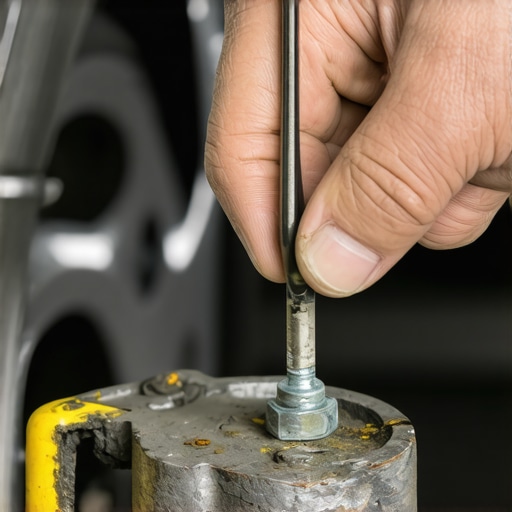
Ever had that sinking feeling when you’re underneath your car, trying to change the oil, and suddenly, the bolt refuses to come loose? It’s like wrenching on a stubborn screw that just won’t give. I remember the first time it happened to me—frustration bubbling up as I watched my carefully applied effort spin that bolt into a useless, stripped mess. At that moment, I realized that a full replacement of the oil pan wasn’t just costly but also massively time-consuming. But here’s the thing: I found there’s a way to fix a stripped oil pan bolt without ripping out the entire pan—and I want to share that with you.
Why a Stripped Oil Pan Bolt Can Drive You Nuts—and What To Do About It
Stripped bolts are a sneaky problem. They happen when the socket slips, or the bolt’s head wears down from over-tightening. Now, why does this matter? Well, besides the obvious frustration of not being able to finalize your oil change, a stripped bolt can lead to leaks, engine damage, and even costly repairs if not handled properly. I learned this the hard way, when I set out thinking I could just tighten the bolt a bit more—only to realize it was spinning freely, and I’d stripped the head. Years ago, I made the mistake of rushing through an oil change without proper tools or patience, which only worsened the situation. That experience taught me the importance of knowing what works, and what doesn’t, especially when dealing with delicate automotive parts.
So, if you’re staring at a stripped bolt and feeling the anxiety kick in, don’t worry. There’s hope. With a few simple tricks, you can often rescue that bolt without resorting to a costly replacement of the entire oil pan. Before we dive into the practical steps, I want you to ask yourself—have you ever faced this problem, or are you just about to? If so, stick around, because I’ll guide you through proven methods based on real-world experience. And if you’re curious about other common car woes, I’ve got helpful tips on topics like clearing sunroof drains or radiator fan issues that can save you money and time.
Skeptical? Here’s Why this Can Work for You
I remember trying various quick fixes early on—some of which failed miserably. The biggest mistake I made was assuming that all stripped bolts are a lost cause. After some trial and error, I discovered that many of these issues are fixable with patience and the right approach. Keep reading, and I’ll show you how to turn that stripped bolt into just another fix in your auto repair toolbox. Ready to get your hands dirty the smart way? Let’s get started on how to fix a stripped oil pan bolt without a full replacement—saving you time, money, and headaches!
.
Supplies and Precautions You Need Before Starting
Before diving into repairs, gather essential tools: a set of bolt extractors, a drill with metal bits, penetrating oil, a torque wrench, and possibly thread repair kits like helicoils. I recall a time when I tried fixing a stripped bolt with just pliers—wasted an hour and still didn’t succeed—so equipping yourself properly saves time. Remember to wear safety glasses and gloves to protect against metal shavings or accidental slips.
Prepare the Area and Loosen the Stuck Bolt
Spray penetrating oil generously on the bolt and let it sit for 10-15 minutes. Think of it like applying WD-40 on a rusted door hinge—patience makes the difference. Use a small hammer to tap the bolt gently; this vibration helps the oil seep deeper, loosening the corrosion. Then, attempt turning the bolt counter-clockwise with a quality socket wrench—don’t force it yet. Once I tried turning a stubborn bolt, I realized too much force would strip it further—so patience and gentle torque are vital.
Extract the Bolt Using Proper Tools
Use an Extractor Kit
If the bolt’s head is stripped but still partially accessible, fit an extraction socket or bolt extractor bit. Turn slowly—think of it as unscrewing a stubborn jar lid. With a firm grip, apply steady torque. In my experience, the extractor bites into the remaining threads, allowing you to turn the bolt out. If this method fails, proceed to drilling out the bolt.
Drilling Out for a Fresh Start
Mark the bolt’s center with a punch or marker. Replace the socket with a cobalt drill bit slightly smaller than the bolt’s core. Drill carefully—keep the drill perpendicular to the surface to avoid enlarging the hole unevenly. It’s like carving a precise tunnel through a mountain—slow and steady wins the race. Once the hole is deep enough, use a bolt extractor or screw extractor to remove the remaining stub. I once drilled too fast and damaged the threads—so patience is paramount.
Cleaning and Repairing the Threads
After removing the bolt, clean the threads thoroughly with a thread chaser or tap and die set. This ensures no debris or damaged material remains. If the threads are stripped beyond repair, install a helicoil thread repair kit—this inserts a new, durable thread into the existing hole. In my repair, using a helicoil restored the threads flawlessly, giving a strong grip for the new bolt. For extra protection, apply some thread sealant or high-temperature gasket maker to prevent leaks.
Reinstall the New or Repaired Bolt
Thread the new bolt by hand to avoid cross-threading—think of it as threading a needle in low light. Use a torque wrench to tighten it to the manufacturer’s specifications; over-tightening can strip the new threads, while under-tightening risks leaks. I once failed to torque correctly, leading to a minor oil leak that I fixed later with a simple re-tightening. Double-check your work, run the engine briefly, and inspect for leaks. This proactive step ensures your repair holds under engine pressure and temperature changes.
Additional Tips to Prevent Future Problems
Always use the correct oil pan drain plug and avoid over-tightening during your next oil change—remember, bolt heads are like delicate hinges, over-pulling can cause damage. Consider replacing old or corroded bolts with stainless steel ones to resist rust. For an extra layer of security, check out these tips on maintaining vehicle drains to prevent rust near critical components. Regular inspections help you catch and address issues before they escalate into stripping problems or leaks, saving you headaches down the line.Many car owners fall prey to misconceptions that can lead to costly repairs down the line. For example, the popular belief that changing your oil every 3,000 miles regardless of manufacturer recommendations is outdated; modern engines and synthetic oils now often allow longer intervals, as supported by automotive experts like Car and Driver. Relying solely on the mileage can cause unnecessary oil changes or missed signs of engine wear. Additionally, there’s a common myth that brakes only need servicing when they squeal—dangerous because brake pads can wear unevenly or rotors can develop issues silently. Regular inspections are crucial.
Another nuanced mistake involves vehicle diagnostics. Some drivers think that a blinking check engine light always indicates a severe problem requiring immediate repairs. However, at times, it signifies minor issues like a loose gas cap, which is easily fixable and can prevent unnecessary repairs. Advances in onboard diagnostics mean that many error codes are now more specific, but interpreting them correctly requires understanding the nuances. For an in-depth look, see how diagnostic tools can mislead if not used correctly.
Furthermore, many overlook the importance of proper brake fluid maintenance. They assume topping up fluid is enough, but old or contaminated brake fluid reduces braking efficiency and can cause system failure. Regular flushes, as recommended by mechanic experts, are often neglected until it’s too late.
Have you ever fallen into this trap? Let me know in the comments.
Lastly, understanding the advanced mechanics can help prevent future issues. For instance, the misconception that all coolant leaks are obvious can overlook slow leaks from tiny cracks in radiator hoses or the water pump, which can cause engine overheating. Recognizing subtle signs and performing proactive maintenance, like clearing sunroof drains before debris causes internal damage, can save significant expenses. Staying informed about these hidden nuances turns you from a casual car owner into a knowledgeable caretaker. Remember, regular checks and an understanding of your vehicle’s true needs are key to longevity. For related insights, check out tips on diagnosing vibration issues or the real reason behind engine smoke.
Equip Yourself with the Right Tools for Longevity
Maintaining your vehicle’s health over the years requires more than just basic wrenches; it demands precision, durability, and understanding of specialized gear. Personally, I swear by a high-quality torque wrench like the GearWrench Digital Torque Wrench. It’s not just about tightening bolts to spec; it’s about preventing over-tightening that can strip threads or cause component failure. The digital readout provides exact torque values, making it invaluable for delicate tasks like securing wheel lug nuts or spark plugs. Without such precision, you risk uneven wear or safety hazards—something I learned after a misstep with a standard wrench.
For diagnosing complex issues, I rely on a professional-grade OBD-II scanner like the BlueDriver Bluetooth Pro OBD2 Scanner. Unlike generic code readers, this device connects to your smartphone and offers deep diagnostic insights, including live data streams and specific troubleshooting tips. This has saved me hours in the shop, especially when figuring out tricky engine codes or emissions-related problems. Keep in mind, regular diagnostics are becoming more vital as vehicles incorporate advanced electronics and sensors, pointing to a future where software tools will only grow in importance.
When it comes to repair, thread repair kits such as Helicoils are my go-to. They’re perfect for salvaging stripped threads in critical parts like oil pans or cylinder heads. I’ve used Helicoils multiple times to restore proper bolt engagement, avoiding expensive replacements. However, precision drilling with cobalt bits—like the DEWALT Pilot Point series—ensures clean, centered holes which improve the success rate of thread repairs. Using inferior drill bits led me to bigger problems once, so investing in quality tools pays off in the long run.
How can I keep my vehicle running well as it ages?
Adopting a proactive maintenance approach is key. Regularly checking and replacing fluids with the right tools—think about doing a transmission fluid change before issues arise—keeps vital systems functioning smoothly. Digital diagnostic tools can detect early warning signs, such as unexpected sensor readings, allowing you to intervene before costly damage occurs. Embracing these tools and techniques not only extends your vehicle’s lifespan but also enhances safety and reliability.
Looking ahead, I predict that the integration of AI-powered diagnostic software and smarter repair kits will become standard. Already, some advanced scanners can recommend specific parts or even guide you through repairs via augmented reality. To get ahead, I suggest trying out an advanced diagnostic method—like using a multimeter to hunt parasitic drains. This small step can prevent battery failures and save frustration.
When you tackle a stubborn, stripped oil pan bolt, it might seem like a dead end. But with patience, the right tools, and a bit of know-how, you can turn a frustrating situation into a manageable fix—saving time and money. Remember, knowledge is power, and every challenge you overcome enhances your confidence and skills as a DIY enthusiast or a seasoned mechanic in training.
Lessons From the Frontlines of Auto Repair That Changed My Approach
- Not All Bolts Are Lost Causes: Stripped bolts can be salvaged more often than you think, especially when you understand the right extraction techniques. Sometimes, a simple application of penetrating oil and gentle torque is all it takes to free a stubborn bolt.
- Patience Pays Off: Rushing the process usually leads to bigger problems, such as cross-threading or damaging the threads further. Taking your time to prepare and carefully execute each step ensures a successful repair.
- The Value of Proper Tools: Investing in quality extraction kits, drills, and thread repair inserts can make the difference between a quick fix and a costly replacement. Reliability and precision matter when working with engine components.
- Preparation Is Key: Never underestimate the importance of cleaning the threads and inspecting the damage before proceeding. This step can reveal whether a helicoil or other thread repair is needed, helping you plan your next move effectively.
- Learning From Mistakes: Every repair, successful or not, offers invaluable lessons. I once drilled too fast and damaged the threads further, but that experience taught me to work slowly and with precision—lessons I share to help you avoid similar pitfalls.
Tools and Resources That Have Changed My Game
- Helicoil Thread Repair Kits: A lifesaver when your threads are stripped beyond simple extraction. I trust brands like Inch3 and Permatex for their durability and compatibility with automotive threads.
- High-Quality Cobalt Drill Bits: For precise drilling without damaging surrounding material. My go-to is the DEWALT Pilot Point series, which offers exceptional control and longevity.
- Reliable Bolt Extractors: Such as the Lisle Bolt Extractor Set—they grip even the most stubborn bolts securely. Proper extraction saves time and protects the integrity of your oil pan.
- Comprehensive Automotive Guides: Resources like repair manuals and expert blogs provide invaluable tips. I recommend following trusted sites and engaging with communities to share experiences and solutions.
Seize the Moment and Keep Your Car in Top Shape
Every challenge with your vehicle presents an opportunity to learn and become more self-reliant. Fixing a stripped oil pan bolt might seem daunting at first, but with the right mindset and approach, it can be a rewarding experience that boosts your confidence. Remember, proactive maintenance and ongoing education are key to extending your car’s lifespan and enjoying hassle-free drives. Don’t wait for a minor issue to become a major headache—embrace the knowledge and tools that empower you to handle repairs like a pro.
What’s been your most challenging auto repair, and how did you overcome it? Share your story below and inspire others to take on their own automotive adventures!