
One morning, I was just about to leave for work when my car jerked unexpectedly as I shifted into Drive. My heart sank. Was my transmission giving out, or was it something simpler—just overdue fluid? That moment of uncertainty hit hard. I’ve been there, fumbling for answers, feeling like I was about to spend a fortune on repairs I didn’t need.
Why Knowing the Difference Matters
It’s easy to panic when your vehicle behaves unexpectedly. A slipping transmission can be a costly fix, but sometimes, a simple fluid flush can do the trick. The key is distinguishing Telltale signs of a slipping transmission from those caused by a need for maintenance. Making that distinction can save you hundreds, or even thousands, of dollars, and keep you safe on the road.
Is It Actually Worth the Hype?
Early in my automotive journey, I made the mistake of assuming every strange shift was a sign of imminent failure. Turns out, not all irregularities are dire. Sometimes, a new filter or fluid change suffices. According to experts, neglecting regular transmission service can lead to deterioration, but diagnosing the issue properly is crucial. Curious how I moved from guesswork to confidence? Stick around, because I’ll walk you through the process.
If you’ve noticed your car hesitating, slipping gears, or shifting roughly, you’re not alone. Many drivers experience this at some point—and the worst part is, the cause isn’t always as alarming as it sounds. But how do you tell if it’s time for a fluid flush or if your transmission is truly slipping? That’s exactly what I’ll help you figure out.
Deciphering the Signs of a Slipping Transmission
First, let’s talk about what symptoms to look for. Do your gears change unexpectedly? Does the RPM spike without an apparent reason? Or perhaps shifts feel choppy or delayed? These clues can point toward a slipping transmission or simply warn you that fluid might be overdue for a change. For more in-depth insights, you might check out this guide on vehicle diagnostics.
Understanding when to act can be tricky, but the good news is, most issues with transmissions are detectable early. Missing them can lead to costly repairs, often avoidable with timely maintenance. In the next section, I’ll share practical steps to diagnose whether your transmission is actually slipping or if a simple fluid change will restore smooth shifting—plus, some common mistake to avoid so you don’t make my early blunder of ignoring subtle signs.
Perform a Road Test
Start your vehicle and take it for a short drive on a familiar route. Pay attention to how the transmission shifts—does it jerk, hesitate, or slip unexpectedly? For instance, I once noticed my car slipping just as I accelerated onto the highway. This simple test offers immediate clues. Here’s how to interpret these symptoms.
Check Transmission Fluid
Locate and Inspect
Find the transmission dipstick—usually near the back of the engine bay. Remove it, wipe it clean, then reinsert and pull out again to examine the level and color. Bright red and full indicates good fluid, while dark, gritty, or low levels suggest a fluid change might be needed. When I found my fluid dark and low, a $35 flush restored my smooth shifts instantly. Always use manufacturer-recommended fluids to avoid further issues.
Assess Fluid Condition
Take a small sample on a white paper towel—if it smells burnt or looks dark and cloudy, it’s time for a change. Remember, clean transmission fluid is vital to prevent slipping and costly repairs. For detailed steps, see this guide on transmission fluid care.
Use a Diagnostic Scanner
Connect an OBD-II scanner to your vehicle’s port—usually under the dashboard. Many scanners can read transmission-specific codes, providing concrete clues. When I used one, it flagged a pressure sensor issue, which was remedied with a simple sensor replacement. For a comprehensive method, check how electrical diagnostics can uncover hidden faults.
Test Drive with Adjusted Conditions
After fluid top-offs or sensor fixes, drive again, gradually increasing acceleration and shifting conditions. Note if the slipping persists or improves. This step confirms whether your interventions were effective. I remember after changing my fluid, the car shifted flawlessly, saving me hundreds on potential repairs.
Observe for Unusual Noises or Behaviors
Unusual whining, grinding, or delayed engagement are red flags. If these symptoms appear, it’s prudent to consult a professional. Sometimes, tiny issues like a clogged sensor or debris in the fluid can cause rough shifts, which are fixable before extreme damage occurs.
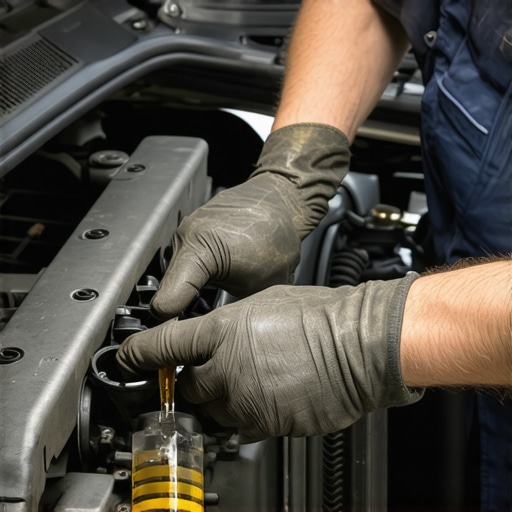
Many car owners operate under common assumptions about brake service, vehicle diagnostics, and oil changes, but these beliefs often lead to costly mistakes. One prevalent myth is that all brake pads wear out at the same rate, prompting unnecessary replacements. In reality, brake pad wear can vary significantly depending on driving habits and vehicle design. For instance, aggressive driving accelerates pad degradation, while gentle braking extends lifespan. Relying solely on visual cues without measuring rotor thickness or checking for uneven wear can cause premature replacements, which is an unnecessary expense. This is why understanding the specific wear patterns and their implications is crucial for accurate maintenance.
When diagnosing vehicle issues, many assume that a flashing check engine light always indicates a severe problem needing urgent repair. However, modern vehicles often use sophisticated sensor data to trigger alerts. Sometimes, a simple malfunctioning sensor or a minor emissions issue is the culprit—issues that can be resolved with a quick diagnostic scan, prior to any costly repairs. Overlooking these nuances leads to either over-repairing or ignoring problems that could be easily fixed. Recognizing the difference between critical and minor alerts helps in making informed decisions and saving money.
Can Ignoring Minor Oil Changes Damage Your Engine Over Time?
It’s a common misconception that minor delays in oil changes only cause minor issues. But neglecting timely oil changes can lead to sludge buildup and increased engine wear, which might seem insignificant at first. Over time, this buildup can obstruct oil flow, strain engine components, and ultimately cause costly damage. Studies show that overdue oil changes increase engine wear by up to 50%, underscoring the importance of adhering to manufacturer-recommended schedules. Being proactive with oil maintenance not only extends your engine’s life but also ensures optimal performance.
Another overlooked nuance is the importance of using the correct oil type for your vehicle. Many drivers assume any oil will do, but using the wrong viscosity or formulation can reduce lubrication efficiency, leading to higher engine temperatures and faster wear. For sensitive engines, specifically turbocharged or high-mileage units, choosing the appropriate oil becomes even more critical. Consulting your vehicle’s manual or an experienced mechanic can prevent these subtle but impactful mistakes.
Have you ever fallen into this trap of oversimplifying car maintenance? Share your experiences in the comments, and stay tuned for more insights that can help you maintain your vehicle smarter, not harder.
Your Maintenance Arsenal: Tools and Techniques for Longevity
Keeping your vehicle in top shape isn’t just about reacting to problems—it’s about proactive care using the right equipment and methods. Personally, I rely heavily on a high-quality diagnostic scanner like the Autel MaxiCOM MK808. This device has transformed my approach to vehicle diagnostics because it provides comprehensive readouts, including transmission-specific codes, which are often overlooked by generic scanners. Regular scans help me catch issues like a failing sensor or clogged catalytic converter early, saving me from costly repairs and ensuring my car remains reliable.
Beyond diagnostic tools, I swear by a good set of manual specialty tools. For instance, a torque wrench with precise settings ensures that I don’t under-tighten or overtighten critical components like wheel lug nuts or engine bolts. Over-tightening can stress parts unnecessarily, leading to premature failures, while under-tightening could pose safety risks. My own experience with a calibrated torque wrench taught me the importance of applying manufacturers’ torque specs, especially when working on brakes or suspension components.
When it comes to vehicle fluids, quality matters. I always opt for OEM-grade transmission fluid and filters. Using the correct fluids prevents issues like slipping or shifting delays. For example, aligning with manufacturer specifications as outlined in their service manuals helps me avoid the common mistake of using incompatible oils, which could damage sensitive parts over time. Keep in mind, regular fluid changes with certified products can extend the lifespan of your transmission and other critical systems.
Don’t overlook the value of software updates, especially for vehicles with electronic control units (ECUs). Many automakers release firmware updates that improve system reliability and fuel efficiency. In my experience, updating my car’s ECU via specialized software like the OEM dealer tools or trusted third-party solutions can resolve odd behaviors such as erratic sensor readings or sluggish throttle response.
How do I maintain my vehicle’s diagnostics over time?
Consistent vehicle diagnostics involve more than occasional scans. Developing a routine—say, running a quick scan every couple of months—helps track potential issues before they escalate. Additionally, maintaining a log of error codes, even if they seem minor, provides insight into patterns. For instance, recurring low-voltage sensor signals could indicate wiring wear or corrosion, warranting closer inspection. Keeping your diagnostic tools up-to-date and familiarizing yourself with software interfaces like Torque Pro or OBD Link can make this process seamless and effective.
Looking ahead, the trend points toward smarter diagnostic systems integrated directly into vehicle networks, providing real-time alerts via smartphone apps. As vehicle electronics become increasingly complex, investing in advanced scanning tools ensures you’re prepared to tackle future challenges. For example, emerging diagnostic solutions can now predict component failures before symptoms appear, enhancing your vehicle’s longevity.
If you’re serious about long-term vehicle health, try calibrating your ECU with the latest firmware update and pairing it with a reliable diagnostic scanner. This combination can drastically improve your ability to spot subtle issues early. Remember, proactive diagnostics and quality tools are your best allies in maintaining a reliable ride for years to come.
What Unspoken Truths Do Experienced Mechanics Know About Transmission Maintenance
Over the years, I’ve discovered that many misconceptions about transmission care aren’t just myths—they can cost you a lot if you’re unaware. One of the most valuable lessons I learned is that not every slipping symptom signals imminent failure; sometimes, it’s just overdue fluid change. Recognizing subtle signs early has saved me hundreds and extended the life of my vehicle, and I want to share that insight with you.
Tools and Resources That Changed How I Maintain My Car
Having the right diagnostic scanner like the Autel MaxiCOM MK808 changed my approach from reactive to proactive maintenance. It allowed me to identify issues before they became costly repairs. Additionally, I highly recommend keeping a calibrated torque wrench handy, ensuring that every bolt—especially critical fasteners—are tightened to manufacturer specifications, preventing future problems. Trusting OEM-grade transmission fluids and filters, and knowing where to find reliable guides on fluid care, has made my maintenance routine more effective and affordable.
Why Taking Action Today Can Save You Tomorrow
If you notice hesitation, rough shifting, or unusual noises, don’t dismiss these signals. Regularly check your transmission fluid’s condition and level, perform road tests, and use a diagnostic scanner to read any error codes. Remember, the sooner you catch a problem, the less it will cost to fix. Your vehicle’s health depends on your attentiveness—don’t wait for a breakdown to start caring for your transmission. Start integrating these habits today, and your car will thank you with reliable performance for miles ahead.