
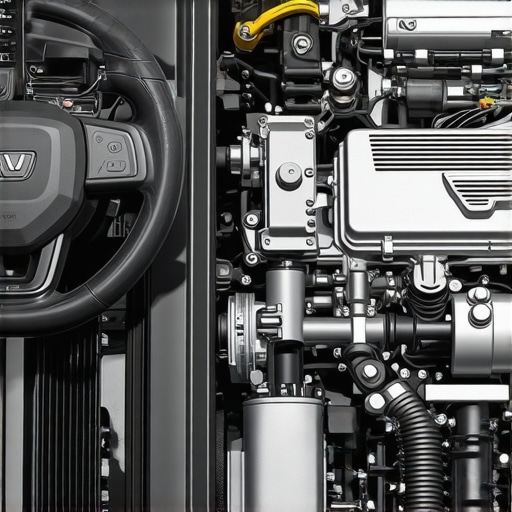
It happened to me on a rainy Tuesday afternoon. I was pulling into my driveway, turning the steering wheel all the way to park smoothly, when suddenly, my engine sputtered and died. That lightbulb moment hit hard—why does my car decide to give up precisely when I twist the wheel fully? If you’ve experienced something similar, you know the frustration and confusion it brings. Today, I want to share the real reason behind this common, yet baffling issue, and more importantly, how you can fix it yourself.
Steering Wheel Woes: When Turning Becomes a Car Killer
Many drivers brush off weird behaviors like dying engines during aggressive turns, assuming it’s just a quirky quirk or a sign of a bigger problem down the line. But in my experience, this is often a sign that something’s amiss in your steering or engine system. Here’s the deal: when you turn the wheel all the way, you’re stressing parts that may already be compromised. If your car stalls or dies during such maneuvers, it’s likely tied to an issue within your power steering system, vacuum leaks, or even a failing idle control.
Before you jump to conclusions, let me tell you — I made a huge mistake early on. I ignored the subtle hints my car was giving me, assuming it was just a minor hiccup. That mistake could have cost me an expensive repair. Instead, I learned to pay attention to these signs and, more importantly, how to troubleshoot them.
If you’re wondering whether your specific problem is worth fixing or just a minor annoyance, I recommend checking out this detailed guide on engine issues related to electrical and vacuum leaks. You might discover that a common culprit, like a loose hose or worn-out actuator, is behind your engine dying when turning.
If your engine dies only when you crank the steering wheel to the full extent, you’re not alone, and there are clear solutions to get you back on the road smoothly. Next, let’s dive into how to pinpoint the exact cause and fix it for good. Don’t worry — with a bit of patience, you’ll be steering confidently again, without fearing that your engine will give out at the worst moment. Want to know what to inspect first? Keep reading, and I’ll guide you through the main steps to troubleshoot and repair your car’s steering-related stalling.
Check the Power Steering System
Start by inspecting your power steering fluid. If it’s low, your steering pump might struggle during full turns, causing engine load issues. Open the hood, locate the reservoir, and verify the fluid level — top it off if needed. I once found mine almost empty, filled it, and the problem stopped. Be sure to use the correct fluid type specified in your owner’s manual.
Inspect Vacuum Leaks Carefully
A common culprit is a vacuum leak, which disrupts idle stability. Use a simple method: start the engine, rev it slightly, and listen for hissing sounds around hoses. A crack or disconnected hose can cause engine stall during steering demands. I found a loose hose clamp on mine, reconnected it, and the issue resolved. For more detailed testing, consider spraying carb cleaner around vacuum hoses—any change in engine RPM indicates a leak. Check out this guide on vacuum leak detection.
Test the Idle Air Control Valve
Next, verify the idle air control (IAC) valve functionality. Remove it following your service manual instructions, then clean with throttle body cleaner, or replace if faulty. A dirty IAC can cause stalling during high steering loads. One time, I cleaned mine, and smooth idling was restored. Ensure to disconnect the electrical connector before removal, and check for carbon buildup that hampers airflow.
Evaluate the Crankshaft Position Sensor
A failing crankshaft position sensor can send incorrect data during sharp turns, leading to engine shutdowns. Use a multimeter to test its resistance or consult your vehicle’s diagnostic codes. If you notice misfires or irregular engine behavior during turns, replacing this sensor might be the fix. For a detailed guide, review sensor diagnostics.
Consider the Alternator and Battery Health
Weak batteries or alternators can cause insufficient voltage during stress moments. Use a voltmeter to check voltage output — it should read around 13.8 to 14.4 volts with the engine running. If it’s lower, charging system issues might be at play. Replacing an aging alternator or battery restored my car’s reliability during full lock turns. Don’t overlook this step, especially if your car has recent electrical quirks. Learn more about battery and alternator testing.
Identify Mechanical Wear in Steering Components
Finally, examine suspension and steering linkages for wear or looseness—ball joints, tie rods, and sway bar links. Use a pry bar to check for excessive play. Worn parts can strain the system when turning sharply, affecting engine stability. During my inspection, I found a loose tie rod end; tightening it eliminated the stalling problem. Regular maintenance here prevents these issues. For trusted technique, see steering component inspection tips.Many car owners mistakenly believe that basic checks and routine maintenance, like oil changes and brake inspections, are straightforward and require little nuance. However, as an automotive enthusiast with years in the field, I can tell you that there’s a lot more beneath the surface. One common myth is that replacing parts at the first sign of wear is always the best course of action. But in reality, guesswork leads to unnecessary expenses; for example, often, worn-out brake calipers are mistaken for failing rubber hoses, which is a costly misconception.
Why do some diagnostics seem to fix problems temporarily but then reoccur?
This often happens because the root cause is overlooked—be it a subtle vacuum leak or a failing sensor that requires sophisticated testing rather than a simple visual inspection. Experts emphasize that a comprehensive diagnostic approach, including scanning for advanced error codes and component testing, is essential for accurate repairs. Rushing into part replacements without this detailed analysis not only wastes money but can also damage other interconnected systems. For instance, changing your oil without considering the type of oil, especially in high-mileage engines, can hasten wear instead of preventing it. As I’ve noted in my detailed guides, understanding the specific demands of your engine and its age leads to smarter decisions. Beware of repair shops that push quick fixes—they often miss the elusive causes like a tiny sensor that triggers misfires only during loaded conditions, which a simple oil change won’t resolve. To truly master vehicle maintenance, you need to go beyond the basics. Examine the advises that are often overlooked: checking for electrical issues like parasitic drains, or paying close attention to unusual symptoms such as a high-pitched whine during acceleration, which could hint at a failing water pump or a worn serpentine belt. Proper diagnostics require patience and knowledge—things that surpass the typical quick-lube approach. Remember, rushing repairs or relying solely on visual cues risks turning simple fixes into ongoing headaches. For advanced troubleshooting tips, I recommend exploring resources on sensor diagnostics and vacuum leak testing. If you’re serious about vehicle care, this nuanced understanding will save you money and keep your car performing at its best. Have you ever fallen into this trap? Let me know in the comments.
Keeping Your Vehicle Running Smoothly: Tools and Techniques for Longevity
Achieving long-term reliability with your vehicle hinges on the right equipment and consistent maintenance practices. Over the years, I’ve honed a toolkit that combines precision, durability, and ease of use, ensuring that I can address most issues before they escalate. Investing in quality tools not only saves time but also prevents costly repairs down the line.
Invest in a Good Set of Diagnostic Equipment
The backbone of proactive auto care today is an advanced scan tool or OBD-II reader. I personally recommend the BlueDriver Bluetooth Pro OBD2 Scanner because it offers real-time data, access to an extensive database of repair reports, and compatibility with smartphone apps. This device has helped me identify engine misfires, transmission glitches, and ABS fault codes rapidly, often saving a trip to the mechanic. With software updates, it remains effective in diagnosing newer vehicle models, aligning with the trend towards smarter cars.
Use a Precision Multimeter for Electrical Troubleshooting
Electrical issues can be elusive, especially with modern vehicles containing numerous sensors and control modules. I use a high-quality multimeter like the Fluke 115 Compact True-RMS Digital Multimeter. Its accuracy and user-friendly interface allow me to measure voltage, resistance, and current with confidence. Regularly testing batteries, alternators, and sensors has kept surprises at bay. For example, catching a failing alternator before it leaves me stranded has saved significant inconvenience and expense. Remember, electrical troubleshooting requires patience and a methodical approach—don’t overlook the value of a reliable multimeter.
Master Basic Mechanical Tools for Hands-On Repairs
Beyond electronic diagnostics, having a solid set of hand tools is essential. I keep a 6-point socket set, adjustable wrenches, and a pry bar in my garage. These enable me to check components like ball joints, tie rods, or to replace worn bushings. For example, replacing a worn ball joint involved minimal effort with the right socket and a torque wrench, reducing the risk of uneven wear or suspension issues. Keeping these tools well-maintained ensures safety and efficiency during DIY repairs.
Incorporate Software for Routine Maintenance Reminders
Organizing maintenance schedules prevents neglect and ensures timely oil changes and inspections. I use apps like Fuelly and manufacturer-specific service trackers. These apps send reminders when it’s time for an oil change, brake inspection, or coolant flush. Coupled with your manual’s recommended timelines, this proactive approach helps maintain optimal vehicle performance over years. Additionally, some apps let you log repairs and costs, giving you an overview of your vehicle’s health.
Predicting the Future: Smarter Maintenance on the Horizon
As vehicle systems become more integrated with IoT technology, diagnostic tools will evolve into even more sophisticated systems capable of predictive maintenance. Imagine receiving alerts on your smartphone about upcoming sensor failures or fluid degradation before symptoms manifest. Deep learning algorithms could analyze your driving patterns, engine data, and component wear to offer tailored maintenance schedules, reducing downtime and repair costs.
How do I maintain my vehicle’s diagnostics over time?
Consistently updating your diagnostic tools’ software, performing regular sensor checks, and logging maintenance activities are key. Don’t forget to consult manufacturer guidance—many modern cars require specific procedures or proprietary scan tools. For instance, checking for parasitic battery drains using a multimeter can prevent unexpected failures, especially in vehicles with complex electrical systems. Remember, a well-maintained diagnostic setup can reveal issues early, saving you from costly repairs later. Try deploying your scanner on a routine basis, even when the vehicle runs perfectly; early detection is the best defense against unexpected breakdowns.
What the Road Taught Me About Vigilance and Maintenance
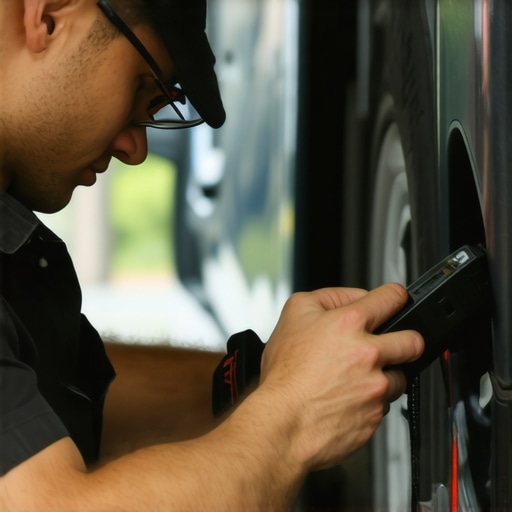
One of the most profound lessons I learned was that proactive care often prevents the most inconvenient surprises. For example, regularly inspecting your vacuum hoses can save you from engine stalls during a sharp turn, instead of waiting for a warning light or a breakdown. I realized that paying close attention to subtle signs—like a slight increase in steering effort or unusual engine sounds—can be the difference between a smooth ride and a costly repair. This awareness shifted my approach from reactive to preventative, ultimately saving me time and money.
Tools and Knowledge: Your Best Allies on the Journey
Over the years, I’ve discovered that investing in reliable diagnostic tools genuinely transforms the maintenance experience. My trusted multimeter and an advanced OBD-II scanner have empowered me to catch issues early—like a failing alternator or a developing vacuum leak—long before they cause breakdowns. Combining these tools with a good understanding of vehicle operations turns everyday maintenance into a manageable, even enjoyable, routine. Remember, equipping yourself with knowledge and the right equipment is key to car longevity.
Trust Your Instincts, Not Just Your Checklist
One insight that changed my approach was realizing that not all problems are immediately visible or obvious. Persistent quirks, such as a steering wheel that doesn’t return to center after an alignment, often signal deeper issues that require a personalized diagnosis. Trust your gut—if something feels off, investigate further rather than dismissing it as minor. Often, the secret to a reliable vehicle lies in your willingness to dig a little deeper, beyond the surface, guided by curiosity and care. It’s about creating a partnership with your car, where consistent attention ensures safety and performance over the long haul.
Where to Embark Next
If you’re ready to elevate your vehicle maintenance routine, start with enhancing your diagnostic toolkit and educating yourself on common issues like vacuum leaks or sensor failures. Explore resources such as simple troubleshooting guides and reputable repair communities. Remember, even small steps—like checking your battery voltage regularly—can lead to big savings and peace of mind. Your journey toward confident, self-reliant car care is just a decision away.
Keep Moving Forward
Your vehicle is more than just a machine; it’s a trusted partner on your adventures. Embrace the mindset of continuous learning and hands-on maintenance, and you’ll find that keeping your car in top shape becomes rewarding rather than daunting. The road ahead is long, but with a proactive attitude and the right tools, you’ll navigate every mile with confidence. Don’t let minor issues turn into major setbacks—start today and enjoy the smooth, trouble-free journey you deserve.