
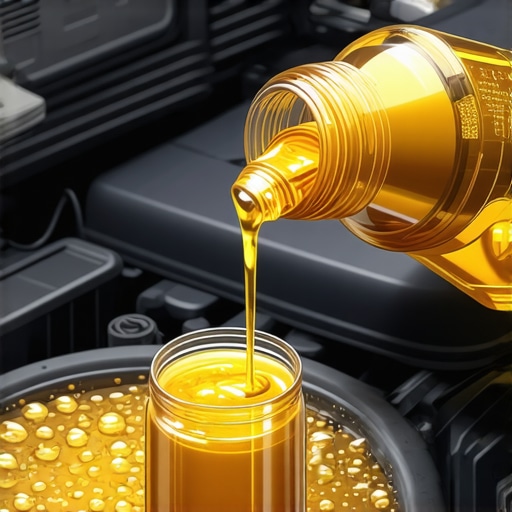
Have you ever poured a bottle of supposedly miracle additive into your engine, expecting it to halt a stubborn oil leak, only to see no change? I remember the first time I tried one of those popular products. I sat there, watching the leak persist, feeling both frustrated and a little duped. It was a lightbulb moment—realizing that not all additives are created equal, and some might be a waste of money or even a distraction from more effective solutions.
Why Your Oil Leak Might Not Be Fixable by Additives Alone
In my own experience, I learned that many oil leaks stem from specific mechanical issues—like a worn gasket, a cracked seal, or a damaged oil pan. Additives might temporarily soften deposits or help with minor leaks, but they rarely address the root cause. Rushing to add a chemical solution without understanding what’s really happening can lead to more complications or just a costly delay in fixing the problem properly.
If you’re tired of tossing money into products that promise to seal leaks overnight, you’re not alone. The key is knowing what works—and more importantly, what doesn’t. A quick glance at reputable sources, like a recent automotive maintenance guide, reveals that the real fix usually involves replacing worn parts or repairing the engine components responsible for the leak. Still, many car owners—including myself early on—make the mistake of trusting a quick fix instead of consulting a mechanic or doing proper diagnostics.
Is the Hype About Additives Actually Just Hot Air?
Here’s where things get interesting. Early on, I bought into the hype and believed that a simple additive could save me from costly repairs. But I overlooked one crucial detail: some products contain sealants that can clog important engine parts if misused or if the leak is severe. According to experts, over-the-counter additives are generally effective only for minor leaks caused by small cracks or deposits—nothing much more complex. For more detailed insights into how engine problems are diagnosed and fixed, my friend recently discovered that learning to identify failed components can save big bucks—you might want to check out this guide on engine oil smell issues.
So, the question is—have you faced an oil leak that made you question whether DIY solutions are worth it? If so, stick around. In this post, I’ll share my journey from misguided hope to practical knowledge, and walk you through what truly works when addressing oil leaks, backed by real-world tips and expert advice. We’ll explore how to distinguish between temporary fixes and genuine repairs, saving you time, money, and headaches in the long run.
Start with a Good Inspection
Before diving into repairs, perform a thorough visual examination. Use a flashlight to check for fresh oil spots beneath your vehicle and look for obvious signs of leaks around gaskets, seals, or the oil pan. Remember, a messy engine bay can mask the source. Last week, I spent an hour cleaning the engine with brake cleaner to reveal a tiny crack in the oil pan—a small leak that was easy to fix once identified.
Decode the Leak’s Cause
Identify whether the leak is active or seepage. Cracks or damaged seals often require replacement, while minor seepage might be addressed temporarily with additives—though these won’t fix the core issue. Learning to recognize fluid trails and residue patterns is crucial. I once used a UV dye and a UV flashlight to trace the leak from a small gasket—saving me from unnecessary parts replacements.
Use UV Dye for Precise Location
Inject a specialized UV dye into the engine oil and run the engine for a short time. Turn off the engine and inspect with UV light—bright green fluorescence reveals the exact leak point. This method is more effective than guesswork and prevents unnecessary dismantling of engine components. For a clean approach, ensure you follow the dye manufacturer’s instructions carefully.
Prepare Your Tools and Environment
Gather necessary tools: socket sets, screwdrivers, a torque wrench, new gaskets or seals, and safety gear. Park your vehicle in a well-ventilated area or garage, using jack stands for stability if needed. Proper safety precautions prevent accidents. I always wear gloves and eye protection to avoid direct contact with hot oils and chemicals, especially when dealing with the oil pan or valve cover gasket.
Remove and Replace Faulty Components
Start by draining the oil to prevent spills. Loosen bolts holding the leaky part—don’t forget sequential tightening torque to avoid warping parts. For example, when replacing an oil pan gasket, I use a torque wrench set to the manufacturer’s specs, ensuring a proper seal. If the oil pan bolt is stripped (see this guide), consider installing a helicoil insert. Proper torque application is essential to prevent future leaks.
Fixing a Stripped Bolt
Use a bolt extractor or consider drilling and tapping to repair the thread. Applying a generous amount of anti-seize compound during reassembly helps avoid future issues. Doing this correctly saves money and time, rather than replacing entire components unnecessarily.
Seal and Reassemble Carefully
Apply a thin, even layer of gasket sealant if applicable, and install the new gasket or seal in the correct orientation. Tighten bolts incrementally, following torque specifications. Tightening too much can crack parts, while too little may cause leaks. After reassembly, refill the oil, start the engine, and check for leaks with a mirror or UV flashlight if dye was used. This last step confirms a successful repair and prevents future messes.
Test Drive and Monitor
Take a short drive and park in a clean area afterward. Reinspect for fresh leaks. Keep an eye on the oil level over the next few days to ensure no sneaky seepage. Regular monitoring prevents safety hazards and costly repairs down the line. Remember, your goal is a long-lasting fix rather than a temporary patch—so skip the temptation of quick fixes like additives, which might just mask the problem.
Many car enthusiasts and everyday drivers believe that vehicle diagnostics are straightforward or that simple actions like oil changes can fix complex problems. However, I’ve observed that most people tend to overlook the nuanced layers of auto repair, leading to costly mistakes. One prevalent myth is that a check engine light always indicates a single, isolated issue; in reality, it’s often a symptom of underlying problems that require advanced diagnostics. Jumping to conclusions without proper tools or understanding can turn a minor repair into a major ordeal. For example, assuming that replacing the battery will fix ongoing electrical issues ignores the fact that loose or corroded terminals might be the real culprit—something you can diagnose with a simple inspection, like checking the battery terminals for cleanliness and tightness, or consulting an expert if needed, as discussed here.
Prioritize Precise Diagnostics with the Right Equipment
To keep your vehicle running smoothly over time, investing in quality diagnostic tools is essential. I personally rely on an OBD-II scanner like the BlueDriver, which provides comprehensive live data and codes directly from my smartphone. Unlike generic scanners, BlueDriver offers manufacturer-specific diagnostics, enabling me to pinpoint issues such as parasitic battery drains (more details here) without repeated guesswork. Over the years, I’ve found that a reliable scanner can save hours in repair time and prevent unnecessary part replacements, making it a worthwhile investment for long-term maintenance.
Use Specialized Software for Deep Troubleshooting
Alongside hardware, software like OBDeleven or Torque Pro allows me to access live parameter data, reset sensors, and clear fault codes efficiently. These tools are invaluable when verifying if a fix actually resolves a persistent issue—like ensuring your car’s ABS light stays off after repairs. For example, I once used Torque Pro to monitor wheel speed sensor signals and confidently diagnosed a failing sensor that was causing intermittent ABS activation. Accurate diagnostics lead to targeted repairs, reducing downtime and costs.
Maintain Clear Records to Track Trends
Keeping a detailed maintenance log spanning oil changes, brake services, and diagnostics helps identify patterns before problems escalate. I use a simple app called My Carfax on my phone, which stores detailed histories and alerts me when scheduled services are due. This proactive approach ensures components like filters and fluids are replaced before they cause failures. Long-term tracking assists in planning repairs, thereby extending your vehicle’s lifespan and optimizing investment.
Predictive Maintenance to Save Money
Modern vehicles increasingly feature sensors and predictive algorithms that notify you ahead of potential failures. For instance, monitoring coolant temperatures or oil quality with add-on sensors can prevent engine damage. I foresee the trend moving toward integrated vehicle health monitors connected to your smartphone, providing real-time alerts. Investing in these systems now leads to significant savings, preventing costly repairs caused by neglect—like ignoring early signs of head gasket failure. If you want to strengthen your diagnostic arsenal, try deploying an infrared thermometer to check for uneven engine component temperatures, a quick indicator of trouble, as detailed here.
How Do I Maintain Vehicle Performance Over Time?
Regularly inspecting vital systems, updating diagnostic software, and leveraging advanced tools are key to long-term vehicle health. For example, routinely testing your battery’s health using a multimeter or specialized tester can catch issues before they leave you stranded—see this method. Embracing these proactive strategies ensures your vehicle remains reliable and safe, letting you handle minor repairs before they turn into major headaches. I recommend trying out a high-quality infrared thermometer during your next inspection; it’s an underappreciated device that quickly reveals overheating issues, helping you catch failing components early.
Explore these tailored tools and methods to elevate your vehicle maintenance game, and you’ll find yourself diagnosing and fixing issues with confidence—saving money and time in the long run.
The Hardest Lesson I Learned About Vehicle Diagnostics and Auto Repair
Early in my auto repair adventures, I believed a quick application of sealant or an additive could fix any oil leak. The reality hit me hard when I realized some issues simply require mechanical intervention. Rushing into parts replacement without proper diagnosis often leads to wasted time and money. Patience and accurate diagnostics are the keys to sustainable repairs.
Why DIY Solutions Can Be a Double-Edged Sword
While it’s tempting to try quick fixes like additives or temporary sealants, I discovered they might mask deeper problems and even cause additional damage if misused. For example, using sealants improperly can clog vital engine passages, leading to more costly repairs down the line. My advice? Use diagnostic tools and trusted methods to identify the true source before proceeding.
Embracing the Power of Proper Inspection and Diagnostics
The most valuable lesson was understanding that a thorough inspection, combined with precise diagnostics—like UV dye testing or using an OBD-II scanner—saves countless headaches. These methods revealed hidden cracks or faulty seals that traditional visual checks often miss. Learning to interpret signs and using the right tools transformed my approach from guesswork to certainty.
Curated Recommendations for Effective Vehicle Troubleshooting
Over time, I relied on essential tools and resources that truly make a difference. My favorite diagnostic scanner, BlueDriver, provides comprehensive data that helps me make informed decisions without guesswork. For troubleshooting leaks and electrical issues, tools like Torque Pro software and UV dye testers are indispensable. These resources have elevated my repair confidence and efficiency, making each project a learning experience.
Take Charge and Keep Your Vehicle in Top Shape
Remember, the journey from frustration to mastery in vehicle maintenance is ongoing. Embrace the process of learning, invest in quality tools, and stay curious. Your vehicle’s health depends on your commitment to accurate diagnosis and proper repair techniques. Don’t settle for temporary patch jobs—aim for lasting solutions that safeguard your investment. How have your experiences changed your approach to auto repair? Share your story below and keep the conversation going.