

I remember staring out my kitchen window at 11:00 PM, watching a ghostly red glow bathe the driveway. My car was off, the keys were in my hand, and yet, those brake lights were glaring at me like a set of angry eyes. It’s a sinking feeling. You know that if you leave it until morning, your car will be a heavy, useless paperweight. I’ve been there, and let me tell you, it’s usually not a ‘haunted’ electrical system or a catastrophic computer failure. Most of the time, it’s a tiny, five-dollar part that decided to quit on you at the worst possible moment. Tonight, we’re going to stop that parasitic drain and get those lights to shut off so you can actually sleep without worrying about a dead battery.
That Eerie Red Glow in the Driveway
It happened to me with an old sedan I used to pride myself on maintaining. I saw the lights, ignored them for an hour thinking they’d ‘time out,’ and paid the price with a jump-start the next morning. If you’ve noticed why your car battery dies every three days, a stuck brake light is the prime suspect. When those bulbs stay illuminated, they pull constant amperage from your lead-acid battery. According to the Battery Council International, even a small, consistent draw can drop a battery’s voltage below the cranking threshold in just a few hours, especially in colder weather.
Is a fancy diagnostic tool actually worth the hype?
You might think you need a high-end scanner to figure this out, but you really don’t. While decoding vehicle diagnostics is helpful for complex engine codes, your brake light issue is usually mechanical. When I first started working on my own cars, I made the embarrassing mistake of replacing the entire brake light switch—crawling under the dash, bruising my knuckles, and spending forty bucks—only to realize the real problem was a tiny plastic stopper that had crumbled into pieces on my floor mat. I felt like a total amateur, but it taught me a valuable lesson: always look for the simplest physical failure first before blaming the sensors. [image_placeholder_1]
The Tiny Plastic Piece That Almost Cost Me a New Battery
Most people don’t realize that your brake pedal has a small ‘stop’ or ‘bumper’ that presses against the brake light switch when the pedal is up. If that plastic piece becomes brittle and snaps off, the switch thinks you’re constantly pressing the brakes. This is a classic example of why why your brake lights stay on even when your foot is off the pedal. You don’t need a master’s degree in engineering to fix this; you just need to know where to look. Have you ever walked out to your car and found strange little plastic shards on your driver-side floor mat? If so, you’ve found your culprit. This is the kind of basic brake service that saves you a hundred-dollar trip to the shop. We are going to walk through how to identify this failure and how to fix it with things you probably already have in your junk drawer.
Locate the switch before you lose your mind
To get started, you need to physically see the mechanism that controls your lights. Grab a flashlight and crawl into the driver’s footwell. Look up at the top of the brake pedal arm. You’ll see a small box with a plunger sticking out—that’s your brake light switch. It works like a reverse doorbell: when the pedal is up (not braking), it pushes the plunger in, which turns the lights off. When you step on the pedal, the plunger pops out, and the lights turn on. Instead of jumping straight into complex decoding vehicle diagnostics, you need to check if that plunger is actually hitting anything. If you see a hole in the metal arm where the plunger should be resting, you’ve found the gap where your plastic stopper used to live. 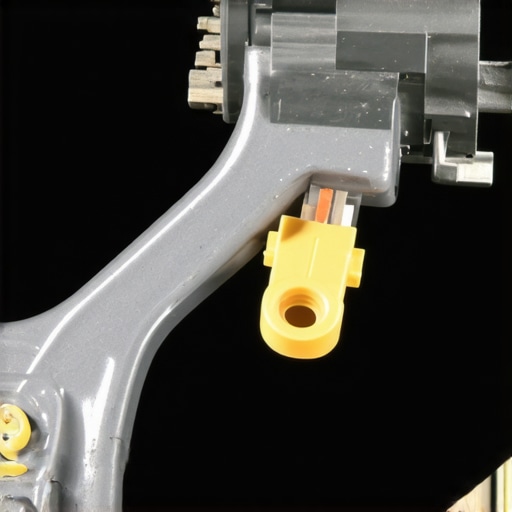
Why a pocket full of change might save your battery
I once helped a neighbor in a grocery store parking lot who was frantic because her brake lights wouldn’t turn off. She was about to call a tow truck, fearing a massive electrical failure. I looked under her dash, saw the empty hole in the pedal arm, and realized her stopper had crumbled. I didn’t have the spare plastic part, so I used a nickel and some duct tape. I taped the coin over the hole so it could push the plunger back in. It was a classic example of auto repair hacks that actually work in a pinch. She drove that car for two weeks with that nickel before getting the permanent five-dollar replacement part. If you’re stuck at 11:00 PM like I was, a coin or even a small bolt can act as a temporary ‘bumper’ to keep your battery from draining overnight.
Testing the electrical circuit when the physical parts look fine
If that plastic stopper is perfectly intact but the lights are still glaring, the switch itself might have fried internally. This happens when the internal contact points weld themselves together. To confirm this, you’ll want to unplug the wiring harness from the back of the switch. If the lights go out immediately after you unplug it, the switch is definitely the villain. This is a much faster way to troubleshoot than waiting for vehicle diagnostics explained in a shop manual. However, if the lights stay on even with the switch unplugged, you have a short circuit somewhere else in the wiring loom, and you’ll need to learn how to find a parasitic battery drain with a basic multimeter to trace the fault.
Don’t let small mechanical failures ruin your week
It’s easy to get overwhelmed by modern car tech, but many issues are still grounded in simple mechanics. Even if you are diligent with every scheduled oil change, these small bits of plastic can still fail due to heat and age. If the switch needs replacement, it usually just twists out of a bracket. No wrenches, no specialized essential auto repair strategies—just a quarter-turn and a click. Before you go out and buy a new battery or a new alternator, check that pedal arm. Knowing the difference between brake service myths and reality will save you hundreds of dollars and a whole lot of frustration.Let’s dig a bit deeper into why we often overcomplicate these issues. Most people think that the more expensive the tool, the more accurate the fix. I’ve seen enthusiasts spend hundreds on diagnostic tablets that promise to fix everything, yet they forget that brake service myths often start with a reliance on software over physical inspection. In my years under the hood, I’ve found that high-tech scanners can actually be a distraction. They tell you a circuit is ‘open,’ but they don’t tell you it’s because a mouse chewed through a wire or a plastic bumper crumbled under the dash. While how advanced vehicle diagnostics prevent costly breakdowns is true for modern ECUs, a simple visual check remains the most powerful tool in your arsenal.
Can a failing brake switch actually trigger a transmission limp mode?
It sounds like a stretch, but in modern vehicles, the brake light signal is a critical data point for the entire car. It isn’t just for the people behind you; it’s for the computer controlling your cruise control and transmission shift points. According to data from the National Institute for Automotive Service Excellence (ASE), intermittent electrical signals in brake circuits are a frequent cause of ‘phantom’ drivetrain issues. This happens because the car’s computer thinks you are riding the brakes while trying to accelerate, causing it to reduce power to protect the transmission. Sometimes, what looks like the solenoid failure that locks your car in limp mode is actually just that same five-dollar brake stopper we discussed earlier. 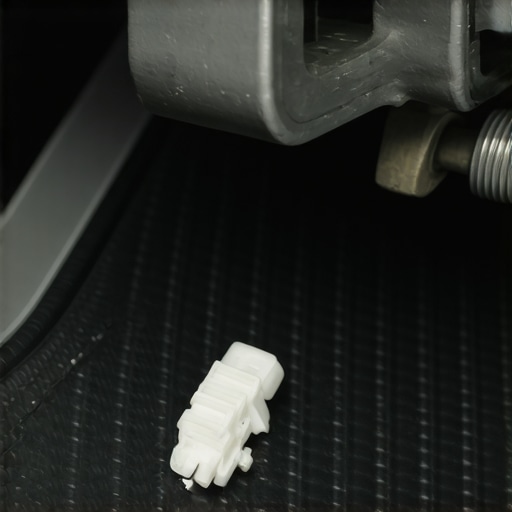 One ‘oops’ factor I always warn my friends about is the ‘cheap part trap.’ I’ve seen people buy the absolute cheapest switch available online, only to have the internal contacts weld together within a month. This is the truth about using cheap aftermarket sensors in your engine—they might look identical to the OEM part, but the metallurgy inside is often inferior and can’t handle the constant electrical load. Always apply top auto repair tips to extend your vehicles lifespan by choosing quality components over the bargain-bin specials. Don’t let your car’s complex computer system trick you into overpaying for a mechanical oversight. Have you ever fallen into this trap or spent a fortune on a sensor when it was just a mechanical glitch? Let me know in the comments.
The long-term game of electrical health
Keeping your vehicle on the road isn’t just about reactive fixes; it’s about staying ahead of the wear. When it comes to things like your brake system or your lighting, I’ve learned that the “set it and forget it” mentality is a recipe for a dead battery in a supermarket parking lot. To really master this, you need to look at essential auto repair strategies for frequent drivers. It’s about more than just the parts; it’s about the habit of inspection. Every time I do a routine oil change, I spend five minutes looking at the footwell and checking the fluid levels. If you notice a shift in the brake fluid color that means you need a flush immediately, you’re already behind. Moisture in the lines can lead to corrosion that eventually reaches the mechanical components of your switches, causing the very sticking issues we’re trying to avoid.
How do I keep my car’s electronics from acting up over time?
The secret is preventing moisture and corrosion. I personally use a small dab of dielectric grease on any electrical connector I touch. It’s a tiny step that stops the green “crust” of oxidation from forming. Also, don’t ignore the rubber seals. If your door seals or windshield cowls are leaking, that water eventually finds its way to your fuse box or brake switch.
The one tool that actually solves the mystery
If you’re serious about DIY, you need a high-quality digital multimeter. I don’t mean the five-dollar one from the bargain bin; I mean something reliable like a Fluke 87V, which is often cited by experts at the Professional Service Association (PSA) as the gold standard for automotive troubleshooting. This tool allows you to perform a voltage drop test, which is the only real way to know if a wire is failing under load. Knowing how to find a parasitic battery drain with a basic multimeter turns you from a parts-changer into a diagnostic pro. You can pinpoint exactly which circuit is stealing your power overnight without ever taking a single panel off. 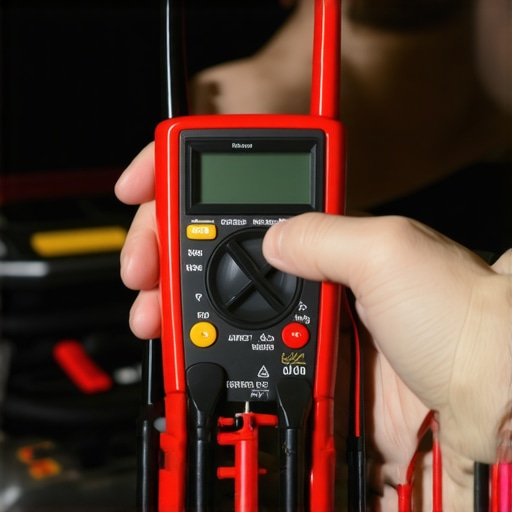
Where car tech is headed next
We are quickly moving toward an era where your car will tell you it’s failing before you even see a light. Modern telematics are starting to use AI to predict component failure based on voltage fluctuations. But even with all that tech, we still have to deal with physical hardware. The best top auto repair tips to extend your vehicles lifespan always come down to the human element—actually looking at the car. Try this today: Next time you park, check your brake light reflection in a storefront window. If they take more than a split second to turn off when you release the pedal, it’s time to crawl under the dash before that battery dies. You’ll thank me when you aren’t searching for jumper cables in the rain.
What I Learned After Spending Fifty Dollars on a Five Cent Problem
Looking back at that night in the driveway, I realize my biggest mistake wasn’t the broken part; it was my lack of trust in the simple fix. We often assume that because cars are complex, their failures must be equally sophisticated. But the truth is, a crumbling plastic stopper is just as likely to leave you stranded as a blown computer module. I’ve since learned to embrace auto-repair hacks that prioritize physical inspection over immediate parts-swapping. Now, if I hear a strange sound or see a light stay on, I start with my eyes and hands before I even reach for a scanner. It’s a mindset shift that transforms you from a victim of your vehicle into its master.
The Three Essentials Every Home Mechanic Should Keep in the Glovebox
You don’t need a professional shop to handle these minor electrical gremlins. Over the years, I’ve refined my ‘quick-fix’ kit to just three things that have saved me more times than I can count. First, a reliable digital multimeter—as we discussed, knowing how to find a parasitic battery drain with a basic multimeter is a superpower. Second, a tube of dielectric grease to prevent the corrosion that leads to sticky switches. Finally, I keep a couple of universal brake pedal stoppers (and a spare nickel just in case). These tools are part of the essential auto repair strategies for frequent drivers that turn a potential tow-truck nightmare into a five-minute driveway victory. [image_placeholder_final]
Take Control of Your Commute Before the Battery Quits
There is a unique kind of satisfaction in fixing a problem with your own two hands, especially one that looks so intimidating at first glance. Whether you are dealing with a light that won’t quit or figuring out how to fix a car horn that won’t stop honking, the principles remain the same: stay calm, look for the mechanical failure, and verify the circuit. Don’t be afraid to get a little dirt on your knuckles; that’s where the real learning happens. Taking care of your own brake service doesn’t just save money—it gives you the peace of mind that your car is ready for the road when you are. Have you ever found a tiny plastic shard on your floorboard and wondered where it came from? Let me know in the comments below!