
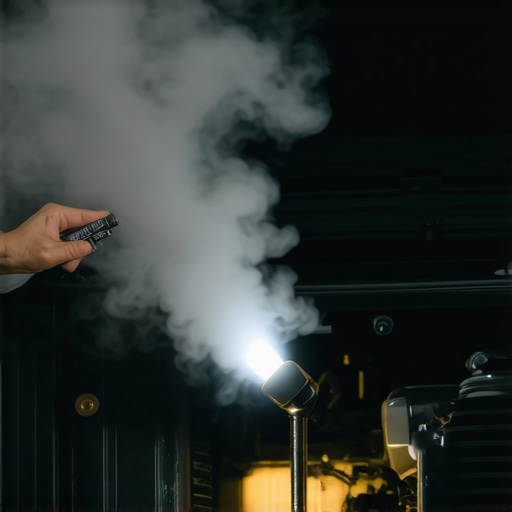
I remember pulling into my driveway last Tuesday, and the smell was unmistakable. It was not the sweet, sickly scent of coolant—which, by the way, you can identify using this guide—but the heavy, acrid stench of oil hitting a hot manifold. It is a smell that sticks to your clothes and makes you worry about every mile you drive. I remember the first time I smelled it in my old truck; I ignored it for weeks, thinking it was just a ‘feature’ of an aging engine. That mistake eventually cost me a set of spark plug wires and a very expensive tow because the oil had literally melted the insulation. Today, I am going to show you exactly how to track that scent to its source so you can keep your car on the road and your money in your pocket. Have you ever had to explain to a passenger why your car smells like a backyard barbecue gone wrong? Let me know in the comments.
Hunt Down the Leak Before it Hits Your Wallet
To really get to the bottom of the mystery, you need to understand that decoding vehicle diagnostics isn’t just about reading flashing dashboard lights; it is about using your senses. Most burning smells come from oil dripping onto the exhaust manifold or the engine block. I once spent three hours looking for a leak only to realize my engine bay was so filthy I could not see the fresh oil. That is why I always recommend cleaning your engine bay properly first; it makes the trail of oil stand out like a neon sign. We are going to solve this by looking for the ‘wet’ spots and using a few old-school tricks. I have learned the hard way that a small drip today is a big puddle tomorrow. Back when I was first starting out, I actually over-tightened an oil filter because I thought tighter was better. I ended up crushing the gasket, creating a fine spray that hit the exhaust every time I accelerated. It was a massive mess. That is why I now value modern oil change innovations and proper torque specs. Finding the source requires a flashlight, a clean rag, and a little bit of patience. We will look at the valve cover, the oil pressure sensor, and even the head gasket area. Don’t worry, it is easier than it sounds.
Is This Smelly Problem Actually Worth the Panic?
You might be wondering if that faint whiff is really a big deal or if I am just being dramatic. According to the National Fire Protection Association, mechanical failures are the leading cause of vehicle fires, and an oil leak onto a red-hot exhaust is a prime candidate for a bad day. While you do not necessarily need to jump out of the car and run the moment you smell it, you definitely should not let it linger for months. Using smart auto repair hacks can often fix these issues for a fraction of what a dealer would charge. When you catch a leak early, it is the difference between a $20 gasket and a $2,000 engine repair. We are going to look for those tell-tale wisps of smoke and the ‘dark spots’ that indicate a slow seep. By following a few longevity-focused auto repair tips, you can ensure your vehicle stays safe and odor-free for years to come.
Get Your Eyes in the Darkest Corners
To find the source of that acrid scent, you have to think like a detective tracking a trail of breadcrumbs—except the breadcrumbs are slippery, black, and potentially flammable. I start every inspection with a high-intensity LED flashlight and a long-reach mirror. You are looking for ‘wetness’ or shiny spots on the metal that shouldn’t be there. I remember working on an old Honda where the leak was so sneaky it only happened when I was going uphill. It turned out the oil was pooling on a small ledge and only spilling onto the exhaust when the car tilted. If you suspect your filter is the culprit but it’s stuck tight, check out the simple trick to removing a stuck oil filter without a wrench to get a fresh start with a clean seal.
Check the Perimeter of Your Valve Cover First
The valve cover gasket is the most common offender because it sits right at the top of the engine, directly above the hottest components. When these gaskets fail, oil seeps out and runs down the block like a slow-moving river of sludge. I once spent an entire Saturday replacing one on a friend’s Corolla. I rushed the job and didn’t clean the mating surface properly, and by Monday, the car smelled like a deep fryer again. That taught me that 90% of the fix is in the preparation. You must scrape off every bit of old, crusty rubber before the new seal goes on. 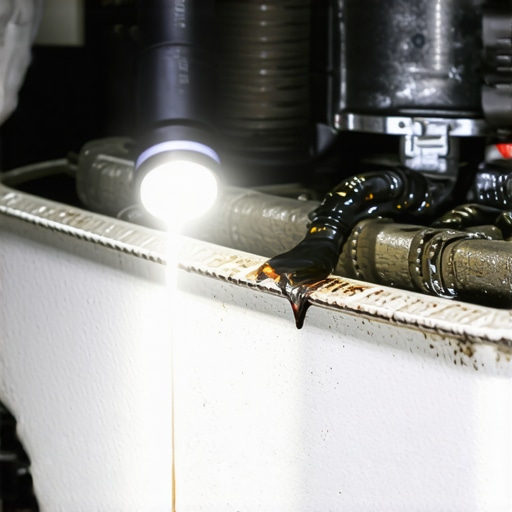
The Hidden Sensor That Sprays Under Pressure
Sometimes the leak isn’t a slow seep; it’s a pressurized spray. Your oil pressure sensor is a tiny component that can develop a hairline crack in its plastic housing. When the engine is running and oil pressure rises, it acts like a miniature squirt gun, aiming directly at your exhaust manifold. This is often the culprit if you notice that your oil light flickers only when you are stopped, as the sensor is struggling to read the pressure it’s losing through that crack. Replacing this is usually a twenty-minute job, but it saves you from a massive engine bay cleanup later.
Distinguishing Between External Leaks and Internal Burn
It is vital to know if the oil is leaking *onto* the engine or burning *inside* of it. If you see wisps of smoke coming from under the hood, it’s likely a gasket. However, if you see blue smoke from your exhaust, your engine is consuming its own lifeblood internally. This usually points to worn piston rings or valve seals. I’ve seen many DIYers drive themselves crazy looking for a puddle on the ground when the engine is consuming oil but not leaking it at all. Always check your spark plugs; if they are covered in oily soot, the problem is internal, and no amount of external cleaning will fix that burning smell.
Don’t Overlook the Transmission and Heat Shields
Sometimes the ‘oil’ smell isn’t engine oil at all. Transmission fluid has a very distinct, sharp, almost burnt-toast odor. If your car has a leak from the front pump seal, it can blow back onto the exhaust while you’re driving. This often coincides with performance issues, like when your transmission shifts hard when the engine is cold. Additionally, check for debris caught in your heat shields. I once found a plastic grocery bag melted to a catalytic converter; it smelled worse than any oil leak I’ve ever encountered. If your shield is loose and vibrating, you can fix a rattling heat shield for the price of a hose clamp while you’re down there investigating the leaks.Let’s dig deeper into why simply swapping a part rarely solves the root cause of that persistent burning odor. Everyone says that a leak means a gasket has reached the end of its life, but in my experience, a blown seal is often just the victim of a much larger crime. Many backyard mechanics fall into the trap of replacing a valve cover gasket only to find the burning smell returns two weeks later. This happens because they overlook the Positive Crankcase Ventilation (PCV) system. When the PCV valve clogs, pressure builds up inside the engine with nowhere to go, effectively forcing oil out of even the strongest seals. If you don’t address the pressure, you are just throwing money at symptoms rather than the disease.
Stop Cranking That Wrench: The Torque Myth
I have seen more engines ruined by ‘good intentions’ than by actual neglect. A common mistake is the belief that if a gasket is leaking, tightening the bolts further will stop it. In reality, modern engines use specific crush-spacers or delicate plastic covers that warp if you exceed the factory torque specs. Over-tightening actually creates gaps where the gasket was supposed to seal, leading to a fine mist of oil that hits your manifold every time you hit the gas. Instead of relying on your ‘gut feel,’ look into oil change innovations and technologies that save your engine to see how precision tools are replacing the old ‘tight as it goes’ philosophy. Using smart auto repair hacks like a cheap torque wrench can save you from a $500 replacement cover.
Why Does My New Gasket Keep Failing After a Month?
This is the advanced question that separates the pros from the amateurs. According to a study published by the Society of Automotive Engineers (SAE), excessive blow-by gases can increase internal crankcase pressure to the point where even a brand-new seal will fail within weeks. If you are on your second or third gasket, it is time to look at your piston rings or your PCV plumbing. This is where how advanced vehicle diagnostics prevent costly breakdowns by identifying the pressure spikes before they blow out every seal in your engine. 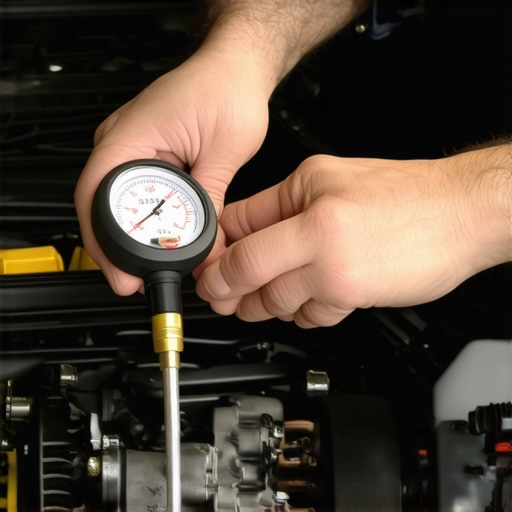
The High-Mileage Oil Additive Trap
Another nuance people miss is the misuse of ‘stop-leak’ additives. While it is tempting to dump a bottle of chemicals into your crankcase to avoid a repair bill, these are often just temporary Band-Aids. You can read more about the truth about oil additives and if they actually save your engine to understand why. Some of these additives work by swelling the rubber seals, which might stop the drip today but causes the rubber to become brittle and fail catastrophically later on. Real expertise involves decoding vehicle diagnostics to understand if the leak is external or if the engine is consuming oil internally. Following top auto repair tips to extend your vehicles lifespan means doing the hard work of finding the root pressure problem. Have you ever fallen into this trap of replacing the same seal twice? Let me know in the comments.
Invest in Tools That Talk Back
Once you have mastered the art of spotting a leak, you need to upgrade your diagnostic game. I used to think a cheap Bluetooth dongle was all I needed to be a tech-savvy mechanic, but I was wrong. To truly understand how advanced vehicle diagnostics prevent costly breakdowns, you need a bidirectional scan tool. I personally use an Autel unit because it does not just read codes; it lets me command the car to perform specific tasks. If I suspect a cooling fan is not kicking on, I do not wait for the engine to overheat; I tell the computer to turn it on manually. This level of control is essential for essential auto repair strategies for frequent drivers who cannot afford an unexpected day in the shop. By forcing components to activate, you can hear the click of a solenoid or the hum of a pump, confirming that your electrical paths are solid before you start tearing into the hardware. 
How do I keep my car leak-free for another 100,000 miles?
The secret is not just fixing what breaks; it is chemical management and pressure regulation. According to the lubrication experts at Machinery Lubrication, the primary cause of seal failure in modern engines is not just heat, but the accumulation of varnish caused by oil oxidation during extended drain intervals. This is why I ignore the standard 10,000-mile oil change marketing and stick to a strict 5,000-mile routine with high-quality synthetic. Combining this with top auto repair tips to extend your vehicles lifespan ensures that those rubber seals stay soft and pliable rather than becoming brittle and prone to cracking. I also make it a habit to perform easy vehicle checks before every road trip, focusing specifically on the high-pressure lines that feed your power steering and braking systems.
The Future of Your Garage is Digital
Looking ahead, the days of just listening for a knock or a squeal are quickly fading. I predict that within the next five years, we will see AI-integrated mobile apps that use your smartphone’s microphone to perform acoustic analysis on your engine, catching a failing water pump or a dying alternator bearing weeks before the component actually seizes. We are moving toward a predictive maintenance model rather than a reactive one. This applies to your stopping power too; staying on top of the ultimate guide to brake service for safety and performance will soon involve monitoring real-time pad wear data through your car’s own infotainment system. If you want to get ahead of the curve and save yourself thousands in labor, try this today: locate your PCV valve—it is usually a small plastic elbow on the valve cover—and give it a shake. If it does not rattle freely like a spray-can ball, it is clogged. Replace it immediately. It is a five-dollar part that, if ignored, will eventually blow out every expensive gasket in your engine.
The Hardest Lessons I Learned Under the Hood
Looking back at my years of grease-stained hands, I have realized that auto repair is as much about psychology as it is about mechanics. Here are the lightbulb moments that changed how I approach a burning smell:
- Gravity is a Liar: Oil travels in the most deceptive ways. A drip at the back of the transmission might actually start at the very front of the valve cover. I always clean the engine first using proper engine bay cleaning techniques to see the real origin.
- Additives are rarely the answer: I have seen people destroy engines trying to save a few dollars. While tempting, the truth about oil additives is that they often mask a mechanical failure that requires a real wrench and a new gasket.
- Diagnostics over Parts: Never buy a component until you have confirmed the failure. Utilizing vehicle diagnostics saves you from the expensive ‘parts cannon’ approach where you replace items blindly.
- Heat is a dangerous catalyst: A leak that seems small on a cold engine can become a high-pressure spray when things reach operating temperature. Don’t wait until blue smoke becomes a permanent fixture of your daily commute.
The Gear That Lives in My Tool Chest
To get professional results at home, you need more than just a basic wrench set. Here is the specific equipment I personally rely on to keep my vehicles scent-free:
UV Leak Detection Kit: When the source is hidden or mixing with other fluids, this is a total game changer. You add dye to the oil, drive for a day, and use a blacklight to see exactly where the glow starts. It takes the guesswork out of advanced vehicle diagnostics and prevents you from replacing the wrong part.
A Digital Torque Wrench: Stop guessing how tight ‘tight’ is. Precision prevents those warped valve covers and crushed gaskets. It is one of the most essential auto repair strategies you can adopt to avoid repeating the same job twice.
Telescoping Inspection Mirror: Because your eyes cannot see around corners, but a ten-dollar mirror can. This is how I frequently find hairline cracks in oil pressure sensors or hidden leaks behind the intake manifold.
Don’t Let the Mystery Scent Win
Taking care of your own car can feel overwhelming, but remember that every expert was once a beginner staring at a confusing engine bay. By paying attention to the small signs and following longevity-focused auto repair tips, you are doing more than just saving money; you are building a relationship with the machine that keeps your life moving. You have the tools, you have the knowledge, and now you have a proven plan to reclaim your cabin air quality. Go get those hands dirty!
Have you ever spent hours chasing a leak only to find it was something incredibly simple like a loose oil cap? Let me know your best ‘detective’ story in the comments below!