
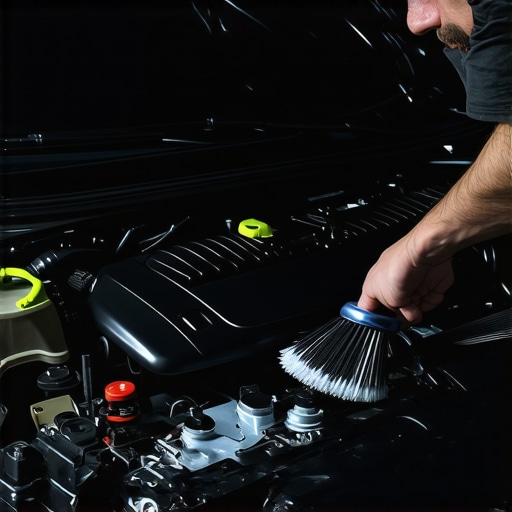
I remember standing in my driveway five years ago with a garden hose and a look of pure regret. I had just finished a long-overdue oil change and decided that the grease-caked valve cover looked like a total disaster. I sprayed. I scrubbed. And then, I tried to start the car. Click. Click. Flash. Suddenly, my dashboard flashed like a Christmas tree, and I was looking at a four-figure repair bill for a fried ECU. It was a painful lesson, but it taught me that the secret to a pristine engine isn’t power; it is precision. Today, I am going to show you how to strip away decades of grime without turning your car into a very expensive paperweight. We are going to bridge the gap between keeping things tidy and respecting the delicate sensors that keep your vehicle running.
You Do Not Need a Fire Hose to Get a Showroom Shine
Most people think cleaning an engine requires a trip to the local car wash and a high-pressure wand. Please, for the love of your alternator, do not do that. Modern engines are marvels of engineering, but they are also packed with sensitive electronics that hate moisture. When I first started out, I thought more water meant a cleaner block. I was wrong. A clean engine isn’t just about vanity; it makes it ten times easier to spot issues before they leave you stranded. For instance, once you have cleared away the old sludge, you can use the cardboard trick to find a tiny oil leak overnight with much more accuracy. We are looking for a balance where we protect the technologies that save your engine daily while removing the abrasive grit that can wear down belts and hoses. According to the National Institute for Automotive Service Excellence (ASE), modern vehicles can contain over 50 separate electronic control modules, many of which live under your hood and are highly susceptible to corrosion from improper cleaning. If you have ever felt that pit in your stomach after a check engine light pops up following a car wash, you know exactly why we need a better way.
Is spraying water under the hood actually worth the risk?
I get this question from my neighbors all the time. They are terrified that one wrong move will lead to a permanent tow-truck escort. The short answer is yes, it is worth it, but only if you change your mindset from ‘washing’ to ‘detailing.’ The grit and salt that accumulate in your engine bay can actually trap heat and accelerate the degradation of plastic connectors. Have you ever tried to clean your engine and ended up with a car that wouldn’t start? I want to hear your horror stories in the comments so we can make sure nobody else makes those same mistakes. We are going to focus on a ‘dry-first’ methodology that keeps the electronics bone-dry while the metal parts shine like they just rolled off the assembly line. It is about working smarter, using the right barriers, and knowing exactly which components need a ‘no-fly zone’ when it comes to moisture.
Seal the Vulnerable Parts Before You Start
Before you even touch a bottle of degreaser, you need to create a ‘no-water zone’ for your electronics. Think of your engine like a high-end computer that happens to live inside a metal box; you wouldn’t pour water on your laptop, so don’t treat your ECU any differently. Take some aluminum foil or plastic wrap and cover the alternator, the fuse box, and any exposed air intakes. This is one of those essential auto repair strategies for frequent drivers who want to maintain their car’s value without risking a short circuit. If you have an older car, pay special attention to the distributor cap or spark plug wires. I’ve seen a tiny $20 plastic cover save someone from the 20 part that usually fixes an evap system leak detected warning later on, simply because we kept the moisture away from the sensitive solenoids. By isolating these components, you ensure the liquid stays on the grease and away from the logic boards. 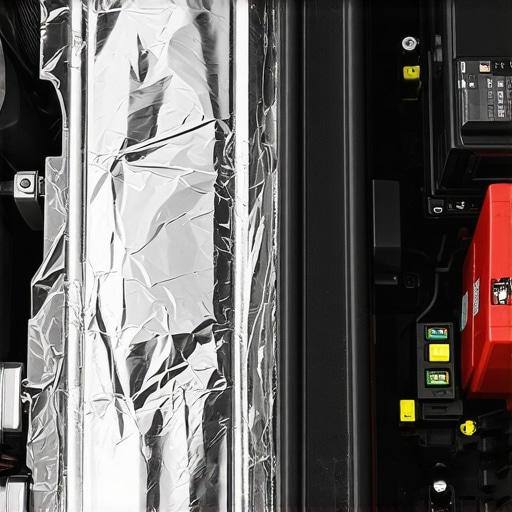
Brush Away the Grit Before You Wet Anything
We often rush to the ‘wash’ part, but the most effective cleaning happens while the engine is bone dry. Grab a stiff-bristle nylon brush and a shop vacuum. You want to agitate the loose dust, dried leaves, and accumulated road salt and suck them out before they turn into a muddy paste. While you are in there, check your filters; it is common to realize how a dirty engine air filter ruins your fuel economy once you see the layer of silt sitting in the airbox. This dry-cleaning phase is the best time to inspect your belts for cracks or your hoses for bulges, which are top auto repair tips to extend your vehicles lifespan that most people overlook until something snaps on the highway. I spent thirty minutes once just vacuuming out a mouse nest from under a plastic engine cover—water would have just made that a soggy, disgusting mess.
Why Targeted Spraying Beats Drenching the Block
Now comes the degreaser. Instead of coating the entire bay, focus on the metal surfaces like the valve covers and the front of the block. I remember a Saturday afternoon when I was detailing a friend’s truck and got a bit too generous with a high-strength solvent near the throttle body. Within ten minutes of finishing, the idle started hunting and surging. It turned out I had partially dissolved the seal on a vacuum line and allowed some chemical to seep into the intake. That mistake taught me that even the 20 sensor that usually fixes a rough idle can be overwhelmed if you treat the engine bay like a kitchen sink. Use a small detail brush to work the degreaser into the oily spots, and let it sit just long enough to break the bond, but not long enough to dry into a film.
The Low-Pressure Rinse and Forced Air Finish
When it is time to rinse, use a garden hose with the spray nozzle removed, or set it to a very gentle mist. You are not trying to blast the dirt off; the degreaser has already done the heavy lifting. You are simply sliding the grime away. Once the water runs clear, the job isn’t done—in fact, this is the most critical stage. Use a leaf blower or compressed air to move water out of every nook and cranny, especially around the spark plug wells and electrical connectors. Standing water is the enemy of continuity. This level of care is why how advanced vehicle diagnostics prevent costly breakdowns is so important—it’s significantly easier to find a real mechanical fault when you haven’t created five new electrical ones with a pressure washer. Drying the engine thoroughly ensures that when you turn that key, you get a smooth start instead of a sputtering mess.
While a clean engine bay is a great start, the real expertise comes when you look past the shine and start listening to what the mechanicals are telling you. Most DIYers fall into the trap of thinking that more ‘stuff’—more oil changes, more expensive parts, or more frequent cleaning—equals a healthier car. In reality, modern vehicle maintenance is about precision, not volume. I’ve seen enthusiasts spend a fortune on high-end lubricants while ignoring oil change innovations and technologies that save your engine by monitoring actual oil life rather than just mileage. If you’ve ever found yourself buying parts before you’ve actually confirmed the failure, you are likely a victim of the ‘Parts Cannon’—a hobbyist’s biggest financial drain.
Black Oil Doesn’t Always Mean Your Engine Is Dirty
One of the biggest myths I encounter is the idea that engine oil needs to be changed the second it turns dark. This is a classic case of misunderstanding how modern detergents work. High-quality oil is designed to suspend soot and combustion byproducts; if it stays golden-clear for 5,000 miles, it isn’t actually doing its job. I remember a friend who insisted on 2,000-mile intervals because he feared the ‘sludge’—he was essentially throwing money into a recycling bin. According to the Society of Automotive Engineers (SAE), modern synthetic blends are engineered to maintain molecular stability far longer than the traditional 3,000-mile benchmark. Pushing past these outdated habits is one of the essential auto repair strategies for frequent drivers who want to balance longevity with logic. However, you must be careful; I once saw an owner switch to a high-detergent synthetic on a 200,000-mile engine, which ended up cleaning away the very carbon deposits that were holding the old gaskets together. If you’ve ever dealt with the synthetic oil myth that costs you fifty dollars every visit, you know that older seals sometimes prefer the ‘swelling’ properties of conventional oil.
Does a ‘Check Engine’ code actually tell you which part is broken?
This is the most common mistake I see in the digital age. People hook up a cheap scanner, see a code for an O2 sensor, and immediately buy a new sensor. But the code only tells you that the sensor is reading a value outside of its expected range—it doesn’t tell you why. It could be a vacuum leak, a frayed wire, or even the 20 part that usually fixes an evap system leak detected warning. True expertise lies in using that code as a starting point for a diagnostic path. This is how advanced vehicle diagnostics prevent costly breakdowns—by forcing you to test the circuit before spending the cash. Have you ever fallen into the trap of replacing a part only to have the light come back on ten minutes later? Let me know in the comments so we can troubleshoot it together.

The Squeal That Isn’t Always Your Brake Pads
When most people hear a high-pitched chirp from their wheels, they assume the pads are worn down to the wear indicators. While that’s often true, I’ve seen dozens of cases where brand-new pads started screaming because the installer skipped the anti-seize on the caliper slides or ignored the hardware clips. It’s a nuance that separates a ‘job done’ from a ‘job done right.’ If you are experiencing noise, don’t just throw new rotors at it. Check out these brake service myths busted to see why even high-quality parts can fail if the hub surface isn’t perfectly clean. If you notice why your brand new brake pads are already squealing, it’s usually a sign of glazing or improper bedding, not a manufacturing defect. Taking ten extra minutes to properly bed your brakes is one of those top auto repair tips to extend your vehicles lifespan that most people ignore because they are in a rush. Professional mechanics know that the difference between a silent stop and an embarrassing squeal is often just a thin layer of specialized grease on the back of the shim.
The tool that changed my life wasn’t a gold-plated wrench; it was a bidirectional scan tool. Most backyard mechanics carry a $20 OBD-II dongle and think they are ready for a race team, but those cheap chips only tell you the ‘what,’ never the ‘why.’ When I was chasing a phantom misfire last summer, I didn’t just look at the code; I used my scanner to manually fire each fuel injector while the engine was off to listen for the click. You simply cannot do that with a basic reader. According to the ISO 14229 standard, which governs Unified Diagnostic Services (UDS), modern vehicle computers are capable of thousands of real-time data streams that allow you to see exactly when a sensor is lagging. If you want to dive into these auto repair hacks to save money without sacrificing quality, you need a tool that can talk back to the car. 
Precision Tools That Actually Save You Money
Beyond the electronics, stop guesstimating your torque settings. I used to ‘feel’ how tight a bolt should be until I snapped a valve cover stud on a Sunday night when every parts store was closed. Now, a calibrated torque wrench is my religion. Whether you are performing a simple oil change or exploring oil change innovations and technologies that save your engine, precision is what prevents the ‘one-more-turn’ disaster. For example, if you ignore the spark plug gap error that is killing your gas mileage, you are basically leaving money on the pavement every time you drive. I recommend getting a high-quality feeler gauge set; it is a tiny investment that ensures your ignition system isn’t working twice as hard as it needs to.
How do I maintain my vehicle’s diagnostic health over time?
Consistency is more important than intensity when it comes to long-term care. Don’t wait for a warning light to pop up before you check your systems. I perform vehicle diagnostics and easy checks before every road trip, even for short weekend hauls. This habit allows you to see ‘historical’ data trends—like a long-term fuel trim that is slowly creeping up—before it ever triggers a breakdown. Use top auto repair tips to extend your vehicles lifespan by keeping a digital log of these scans so you can spot deviations early.
The Digital Shift in Your Driveway
We are moving toward a world where cars are essentially rolling smartphones. The trend of ‘Vehicle-to-Everything’ (V2X) communication means your car might soon notify the shop it needs a brake bleed before you even feel the pedal get soft. While that sounds convenient, it places more importance on knowing how to verify those claims yourself so you do not get overcharged for ‘ghost’ repairs. That is why learning these essential auto repair strategies for frequent drivers now is so vital; you need to understand the mechanical soul of the car before the software becomes a total ‘black box.’ Don’t forget the physical side of diagnostics either; I still use how to find a vacuum leak with a cigar and a piece of hose because sometimes the most advanced computer cannot beat the visual evidence of smoke escaping a tiny crack. It is about merging old-school wisdom with new-age data. Next time you are working on your braking system, I want you to try the trick for a perfect brake bleed every single time—it is the fastest way to feel the immediate, firm results of a professional-grade maintenance routine.
The Hardest Lesson I Learned About Chasing a Perfect Engine
The most expensive mistake you can make isn’t buying a luxury car; it’s buying parts for a car you haven’t diagnosed. I spent years firing the ‘Parts Cannon’ at every check engine light, thinking I was saving money, when I was actually just avoiding the hard work of electrical testing. Real expertise isn’t about knowing every bolt; it’s about knowing how to verify a failure before you pull out your credit card. I realized that auto repair hacks to save money without sacrificing quality often come down to using a multimeter rather than a new sensor. This shift in mindset turned maintenance from a stressful guessing game into a predictable science. I also learned that trust but verify is the best policy; learning how to tell if your mechanic actually changed the oil can save your engine’s life after a busy shop day.
The Specific Tools That Transformed My Garage Routine
If you want to move beyond the basics, you need to upgrade your toolkit—and I’m not talking about bigger wrenches. My first essential recommendation is a bidirectional scan tool; it allows you to communicate with the vehicle’s modules rather than just reading codes. Secondly, never underestimate the power of a calibrated torque wrench to prevent stripped threads during an oil change. Finally, I highly recommend reading up on the ultimate guide to brake service for safety and performance to understand why the hardware clips are just as important as the pads themselves. These tools and resources provide the precision that modern engineering demands while keeping you safe on the road.
Take Control of Your Car’s Health Today
Maintaining a vehicle can feel overwhelming, but when you break it down into small, manageable steps—like cleaning the bay correctly or verifying a sensor—you regain a sense of ownership over your machine. Whether you are implementing essential auto repair strategies for frequent drivers or just diving into your first DIY project, your diligence pays off in reliability and resale value. Don’t be afraid to get your hands dirty; just make sure you’re working with the right data and the right protection for your electronics. Have you ever replaced an expensive part only to realize the real problem was a $2 fuse or a simple loose wire? Let me know your biggest ‘oops’ moment in the comments below!