
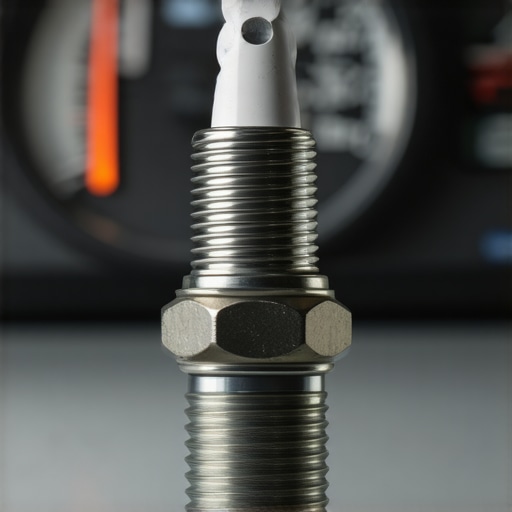
I remember standing in my driveway last October, shivering as the wind whipped around my ankles, staring at a set of spark plugs I had just pulled from my cylinder head. I was frustrated. My car felt sluggish, and my wallet was feeling the burn at the pump more than usual. I had already looked into why your gas mileage tanks every time the temperature drops, but this felt different. It felt mechanical. When I finally grabbed my feeler gauge, I felt like an idiot. The gap was nearly double what the manufacturer specified. That tiny, microscopic air space was the reason I was essentially burning cash.
Stop Burning Cash at the Exhaust Pipe
The gap between the center and ground electrodes of your spark plug is where the magic happens. It is a tiny bridge of electricity. If that bridge is too long, the spark might not jump at all, or it might be too weak to ignite the fuel-air mixture completely. This leads to unburnt fuel being shoved out your exhaust—literally throwing away the money you just spent at the station. In my early days of tinkering, I made the classic rookie mistake: I assumed the “pre-gapped” label on the box was gospel. I dropped them in without checking, thinking I was saving time. I was not. I was actually setting myself up for a month of terrible idle and even worse fuel economy. This is one of those essential auto repair strategies that separates the pros from the frustrated DIYers.
Can a fraction of an inch really ruin my commute?
It sounds like nitpicking, does it not? We are talking about measurements smaller than a fingernail. But your engine computer is tuned for precision. When the gap is off, the timing of the combustion event shifts. According to the technical experts at NGK, an incorrect spark plug gap can cause misfires that are not even large enough to trigger a check engine light yet still devour your fuel efficiency. It is a silent killer for your MPG. By paying attention to these top auto repair tips to extend your vehicles lifespan, you are not just saving money; you are keeping your catalytic converter from getting clogged with all that extra raw fuel. Have you ever noticed your car feeling a little heavy or unresponsive when you hit the gas, even after a fresh tune-up? Let me know in the comments if you have ever found a surprise when pulling your old plugs.To get this right, you need to stop using those cheap gap coins you find at the checkout counter of every auto parts store. They are tapered, which means they often push the ground electrode at an angle rather than keeping it perfectly parallel to the center electrode. Instead, grab a wire-style feeler gauge. Think of it like a set of precise keys; you want the specific wire of the correct thickness to slide through the gap with just a tiny bit of drag, similar to the resistance you feel when sliding a credit card through a reader. If it falls through without touching, the gap is too wide and your spark will be weak. If you have to force it, you are choking the combustion process. It is a level of precision that fits right into auto repair hacks that actually produce measurable results at the pump. 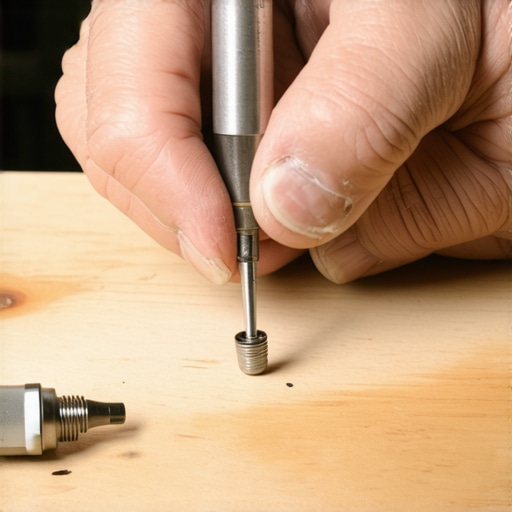
Adjusting the Gap Without Snapping the Tip
Most people make the mistake of prying against the center electrode to widen the gap. Never do this. That center electrode is often tipped with iridium or platinum, materials that are harder than steel but as brittle as glass. If you put pressure on it, you will crack the internal ceramic seal or snap the tip entirely. I learned this the hard way on a rainy Tuesday when I tried to eyeball a gap on my old sedan and ended up with a dead cylinder. I ended up needing how advanced vehicle diagnostics prevent costly breakdowns as a resource just to figure out why my brand new plug was dead on arrival.
Use the Proper Bending Tool
Use the little notched tool on the end of your feeler gauge to gently pull the ground strap away or tap it closer. It should feel like you are barely moving it. Even a hair’s breadth of movement can change your resistance significantly. This attention to detail is why vehicle diagnostics explained often starts with these mechanical basics rather than expensive computer sensors.
Look for the Warning Signs on the Porcelain
While you have the plugs out, look closely at the color. A healthy plug should look like a toasted marshmallow—light tan or gray. If it is snowy white, your engine is running too hot and lean; if it is covered in black soot, you are running rich. Sometimes, what looks like a gap issue is actually a failing sensor, such as the 20 part that usually fixes a rough idle. Checking these tiny details is one of the essential auto repair strategies that keeps your engine from sounding like it is falling apart.
The Mistake That Cost Me a Saturday
I once spent three hours chasing what I thought was a fuel pump issue because my car would not stay running. I had even started looking up why your car makes a clicking noise when you try to start it, thinking the battery was toasted too. It turned out I had dropped a plug during installation and closed the gap completely, shorting the spark. One five-second check with my gauge before I screwed it in would have saved me half a day of stress. Don’t be that guy; check the gap every single time, even if the box says it is ready to go.
Once you move past the spark plugs, you enter the world of ‘lifetime’ promises and premium marketing that often does more harm than good. I see it all the time with oil changes. Many drivers assume that pouring the most expensive synthetic blend into a twenty-year-old engine is the ultimate act of care, but it is often just the synthetic oil myth that costs you fifty dollars every visit. In my experience, switching to high-detergent synthetics in an engine that has run conventional oil for a decade can sometimes wash away the very sludge deposits that were keeping your old, brittle seals from leaking. Understanding the truth about synthetic oil vs conventional in older high-mileage cars is what separates a true enthusiast from someone who just follows the commercials.
Ditch the Bargain Bin and Protect Your Crankshaft
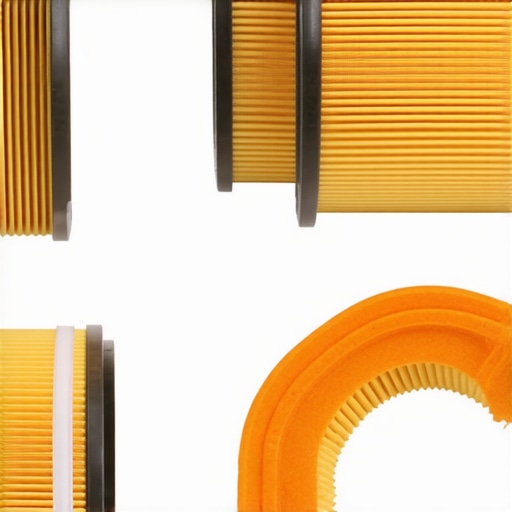
The real ‘trap’ I want to warn you about is the oil filter. We focus so much on the liquid, but we often ignore the gatekeeper. I have seen countless DIYers buy fifteen-dollar-a-quart oil and then pair it with a three-dollar ‘bargain’ filter. This is a massive mistake. A study by the Society of Automotive Engineers (SAE) has shown that low-quality filters can have significantly higher bypass valve failure rates, meaning your engine is circulating unfiltered grit whenever the oil is cold or the pressure is high. This often manifests as the oil filter brand that causes low oil pressure lights to flicker at idle. It is one of those essential auto repair strategies for frequent drivers that actually matters more than the brand of oil you choose.
Why do my brakes still squeal after a professional service?
It is the most annoying sound in the world—you just paid for a full brake job, and yet every stop sign sounds like a dying whale. Most people think it is a sign of bad pads, but the nuance is usually in the hardware and the lubrication. If a shop does not replace the stainless steel abutment clips or fails to use high-temperature ceramic grease on the caliper slide pins, the pads will vibrate at a high frequency. You will end up wondering why your brand new brake pads are already squealing when the friction material itself is perfectly fine. It is not just about the pads; it is about the harmonics of the entire assembly. This is where how advanced vehicle diagnostics prevent costly breakdowns really shines—identifying that a noise is not a failure, but a lack of mechanical precision.
Another subtle indicator of trouble is the fluid itself. Do not wait for a soft or spongy pedal to check your reservoir. Learning to recognize the brake fluid color that means you need a flush immediately can save your ABS module from internal corrosion and a multi-thousand-dollar replacement. Have you ever fallen into the trap of buying the ‘best’ parts only to have them fail or make noise almost immediately? Let me know in the comments.
I spent years using a twenty-dollar code reader until I realized it was lying to me by omission. If you are serious about your vehicle’s health, you need a tool that can talk back to the car. I personally swear by a bidirectional scan tool because it allows me to test individual components like fuel pumps or cooling fans without tearing the engine apart. This is the heart of decoding vehicle diagnostics properly. Instead of just seeing a generic ‘Engine Lean’ code, you can see exactly what the sensors are doing in real-time. It is the difference between guessing and knowing. By observing live data streams, you can catch a failing oxygen sensor weeks before it leaves you stranded on the shoulder of the highway.
Precision is the Only Way to Avoid Rework
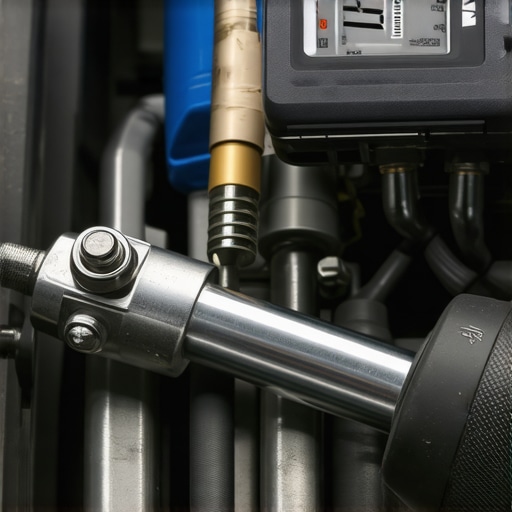
Then there is the matter of torque. I used to be the guy who ‘tightened it until it felt right.’ That is a recipe for disaster with modern aluminum cylinder heads. According to the Bosch Automotive Handbook, 29th Edition, the heat dissipation of a spark plug is directly tied to how well it is seated against the cylinder head. If it is too loose, it overheats; if it is too tight, you risk stripping the threads or cracking the insulator. Following the ultimate guide to brake service or engine work means investing in a calibrated torque wrench. It might feel like overkill for a simple oil change, but preventing a stripped oil pan bolt is worth every penny of that investment.
How do I make these repairs last for years?
For me, the secret is not just the tools; it is the consistency. I keep a physical logbook in my glovebox to track every minor adjustment. We are moving toward a future where oil change innovations will likely include sensors that analyze the chemical breakdown of your oil in real-time, essentially making the traditional mileage intervals obsolete. Until then, you have to be the computer. Use top auto repair tips to extend your vehicles lifespan like checking your fluid levels every Sunday morning. It sounds tedious, but it is how I have kept my daily driver running past 250,000 miles without a major overhaul. These are the essential auto repair strategies that build a long-term relationship with your machine. This weekend, I want you to go out and check your tire pressure with a high-quality digital gauge—not the cheap stick type—and see how much it actually fluctuates. You will be surprised how much control you can reclaim over your car’s performance with just a few minutes of focused attention.
The Hardest Realities I Faced While Turning Wrenches
Over the years, I have realized that the most expensive repairs are almost always the ones that started as a small, ignored sound. One of the biggest ‘lightbulb moments’ for me was discovering that a clean engine bay is actually a diagnostic tool; when your components are free of old grease, you can spot a failing seal the moment it starts weeping. Another harsh truth is that ‘lifetime fluids’ are a marketing myth designed to get your car to the end of its warranty, not to the 300,000-mile mark. I also learned that if you feel a strange sensation in the drivetrain, do not wait for a code. For instance, identifying the transmission shudder that disappears when you lift off the gas early can be the difference between a simple fluid flush and a total rebuild. Mechanical empathy is a skill you develop by listening to the rhythm of your machine every single day.
The Reliable Gear Every DIYer Actually Needs
I do not advocate for buying out the entire tool aisle, but three specific items changed the way I work. First, a Wire-Style Gap Gauge is the only way to treat modern spark plugs with the respect they deserve; the cheap ‘coin’ gauges are far too imprecise for iridium tips. Second, I highly recommend picking up the Bosch Automotive Handbook; it is essentially the Bible of vehicle systems and explains the ‘why’ behind every sensor. Finally, for those diving into decoding vehicle diagnostics, a bidirectional scan tool like those from Autel or Launch is worth its weight in gold. It allows you to actually command the car to perform tests, which is a massive step up from just reading generic error codes that might lead you on a wild goose chase.
Your Path to Mechanical Confidence Starts Today
Auto repair is not some dark art reserved for people with specialized degrees; it is a series of logical steps and precise measurements. When you take the time to implement essential auto repair strategies for frequent drivers, you are effectively taking out an insurance policy on your own time and money. Do not let the complexity of modern sensors intimidate you. Most of the time, the fix is still found in the basics—proper gaps, clean filters, and the right torque. Every time you pick up a wrench, you are building a deeper connection with your vehicle and ensuring it stays on the road for years to come. Have you ever spent an entire Saturday chasing a ‘major’ problem only to find out it was a loose wire or a five-dollar fuse? Let me know your most memorable ‘face-palm’ moment in the comments below!