
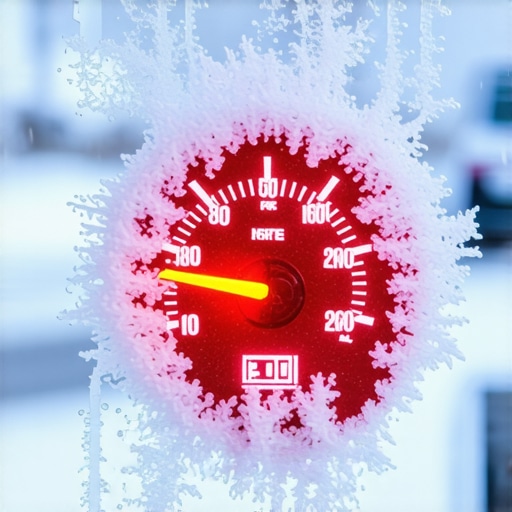
I still remember a biting Tuesday morning in January. I was standing in my driveway, scraping a thick sheet of frost off my old sedan’s windshield, shivering and clutching a coffee that was losing its heat by the second. When I finally climbed in and started the engine, my fuel economy display showed a number so low I thought I had a hole in my gas tank. I went from a respectable 28 mpg down to a measly 18 in what felt like overnight. At first, I panicked. I started looking for leaks or imagining a failing catalytic converter. But after a few frantic calls to my mechanic friends, I realized I wasn’t dealing with a broken car; I was dealing with physics. It turns out, winter is a relentless thief when it comes to your gas money, and if you aren’t prepared, you’ll be paying the ‘cold tax’ all season long. Today, I want to share exactly why this happens and what you can do to keep your money in your wallet instead of leaving it at the gas station. [image placeholder]
Stop Blaming Your Driving and Look at the Thermometer
Cold air is denser than warm air, which means your car has to push through much thicker ‘soup’ as you drive down the highway. This increases aerodynamic drag, especially at higher speeds. When I first started obsessing over my winter mileage, I made the classic rookie error of idling my car for fifteen minutes every morning to ‘warm it up.’ I thought I was following top auto repair tips to extend your vehicles lifespan, but in reality, idling gets you exactly zero miles per gallon. Modern engines are ready to go in about thirty seconds; the best way to warm them up is to actually drive them gently. Beyond that, the oil in your engine and transmission gets thick like molasses when it’s freezing. This creates internal friction that your engine has to fight against just to spin. I once made the mistake of using the wrong oil viscosity in cold weather, and my engine sounded like it was full of gravel for the first five minutes. It was a costly lesson in how fluid dynamics impacts your bottom line. Following essential auto repair strategies for frequent drivers means knowing that every small resistance adds up.
Does every car really lose this much efficiency?
You might be skeptical and think your modern car is immune to the weather, but the numbers don’t lie. According to the U.S. Department of Energy, a conventional gasoline car’s gas mileage is about 12% lower at 20°F than it would be at 77°F. For short trips, where the engine never really reaches its peak operating temperature, that drop can be as high as 22%. It’s a staggering difference that catches most people off guard. One of the biggest culprits is often overlooked: your tires. For every 10-degree drop in temperature, your tires lose about one pound of pressure. I used to ignore that little dashboard light until my car felt sluggish. Now, I use the tire pressure trick for better fuel economy on long trips to ensure I’m not dragging my feet against the pavement. Have you noticed your fuel gauge moving faster since the frost arrived, or are you one of the lucky ones who hasn’t felt the pinch yet? Understanding these hidden drains is the first step toward reclaiming your efficiency. We aren’t just talking about a few cents; we are talking about the health of your vehicle and your monthly budget.
Stop Killing Your Battery Before the First Frost
Your car’s battery is essentially a chemical factory that slows down its production as the mercury drops. I remember a winter trip to the mountains where I left my car out for three days. When I tried to start it, the dash lights flickered like a dying strobe light, and I heard that dreaded rapid-fire clicking. I was stranded because I hadn’t checked my terminals for corrosion, which acted like a wall against the electricity. After that, I learned the secret to getting another year out of your car battery by keeping the connections clean and the charge topped off. Cold weather increases the ‘cranking amps’ required, so if your battery is even slightly weak, it will fail you when you need it most. Use a simple wire brush to scrub those terminals; it’s a five-minute job that prevents a three-hour wait for a tow truck.
Ditch the Molasses by Picking Better Engine Oil
Think of your engine oil as the lifeblood of the machine. In summer, it flows like water; in winter, conventional oil can turn into something resembling cold maple syrup. This thickness forces the engine to work harder just to move the pistons, burning extra fuel before you even leave your neighborhood. I used to be a skeptic about synthetic blends until I saw how much easier my truck started in sub-zero temps. Don’t fall for the synthetic oil myth that costs you fifty dollars every visit, but do choose a lower ‘W’ rating for your climate. I once made the mistake of using the wrong oil viscosity in cold weather and my fuel economy tanked because the engine was fighting its own lubrication. Moving to a high-quality synthetic can significantly reduce that initial startup friction and protect your internals from wear.
Why Your Brakes Might Be Stealing Your MPG
You wouldn’t drive with your foot halfway on the brake pedal, but in winter, your car might be doing it for you. Road salt and slush are incredibly corrosive, and they love to settle in your brake calipers. I once ignored a slight pulsing in my brake pedal during a snowy commute, only to find out a caliper slide pin had seized, causing one pad to rub constantly against the rotor. This ‘brake drag’ acts like a parachute for your car. Investing in brake service for safety and performance before the snow hits ensures your wheels actually spin freely. If you aren’t sure if your car is struggling, performing vehicle diagnostics explained can help you catch a dragging brake or a failing sensor before you’re stuck on the shoulder. Keep your wheels moving without resistance, and you’ll see those MPG numbers climb back toward where they belong.Most drivers think that when the Check Engine light pops up, a quick scan at the local auto parts store provides all the answers. I’m going to tell you something that might frustrate you: that $20 scanner is often a liar—or at least a very vague storyteller. It tells you the ‘what,’ not the ‘why.’ For instance, a P0420 code doesn’t always mean you need a new catalytic converter; it might just be a lazy O2 sensor or a tiny exhaust leak. This is where decoding vehicle diagnostics becomes an art form rather than a simple data dump. I’ve seen people spend hundreds on parts they didn’t need because they didn’t realize how advanced vehicle diagnostics prevent costly breakdowns by isolating the root cause before the ‘parts cannon’ comes out. 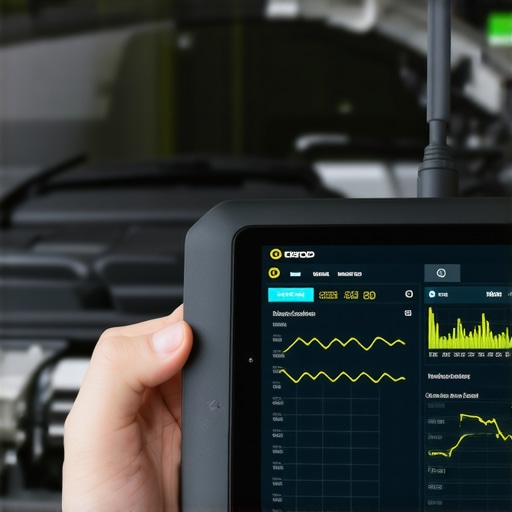
Don’t Fall for the Parts Cannon Trap
There is a common belief that if a sensor is ‘bad,’ any replacement off the shelf will do. This is a massive mistake. Modern engines are calibrated to such tight tolerances that the truth about using cheap aftermarket sensors in your engine is often a story of wasted money. These budget components frequently have the wrong resistance values, which confuses the computer and keeps your fuel economy in the gutter. According to research published by the Society of Automotive Engineers (SAE), transient sensor errors often mimic mechanical failure, leading to a high percentage of ‘No Fault Found’ returns on parts like oxygen sensors and mass airflow meters. You end up replacing a good part because the diagnostic data was misinterpreted.
Why does your brand-new oil filter still trigger a warning light?
It sounds like a fluke, but the choice of hardware matters more than the label. You might be surprised to learn there is a specific oil filter brand that causes low oil pressure lights due to a poorly designed bypass valve. It’s not enough to just change the oil; you have to look at oil change innovations and technologies that actually protect your specific engine architecture. Using a filter with an inferior anti-drainback valve can cause the oil to drain out of the top of the engine while it’s parked, leading to a ‘dry start’ and that horrific tapping sound every morning.
Brake Squeal Isn’t Always a Sign of Failure
One of the biggest ‘oops’ factors in winter is assuming every noise from your wheels means the pads are gone. I’ve had friends replace perfectly good rotors because of a high-pitched chirp, not realizing that why your brakes squeal even after you replaced the pads often comes down to simple vibration or a lack of high-temp grease on the contact points. Winter grit and road salt get into the sliding hardware, causing the pads to vibrate at a high frequency. Before you spend a fortune, remember that brake service myths often lead to unnecessary repairs and waste. Precision matters more than just throwing new parts at a problem. Have you ever fallen into this trap and replaced a part only to find the problem was still there? Let me know in the comments.To avoid that sinking feeling of a failed repair, I stopped relying on cheap generic scanners and invested in a high-quality OBD2 Bluetooth dongle paired with professional-grade software like Forscan or AlfaOBD. These tools allow you to see live data streams, such as fuel trims and cylinder balance, rather than just reading a code. When you are performing vehicle diagnostics explained, being able to see exactly how many grams per second of air your MAF sensor is reading can save you from a $300 mistake. I personally use an Autel unit because it provides bidirectional control, meaning I can tell the car to cycle the ABS pump myself. This is vital for tasks like the trick for a perfect brake bleed every single time, which ensures no air is trapped in the complex valves of your safety system. Understanding how advanced vehicle diagnostics prevent costly breakdowns is about moving from being a parts-changer to a true technician of your own driveway. 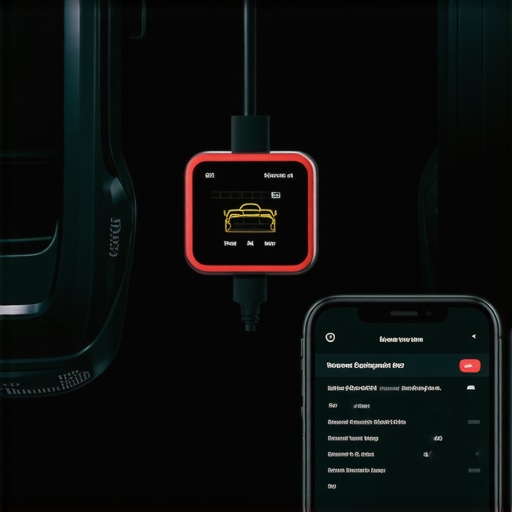
How do I maintain my vehicle’s efficiency over several years?
Longevity isn’t about one big fix; it’s about the cumulative effect of small, precise actions. For example, I never perform a fluid change without replacing the consumables that others ignore. You might think it’s overkill, but why you should never skip the crush washer on your drain plug becomes clear the moment you see a microscopic drip on your pristine garage floor. These tiny seals prevent slow leaks that can lead to catastrophic oil starvation over thousands of miles. To truly stay ahead, you need to follow top auto repair tips to extend your vehicles lifespan, which includes things like testing your coolant pH levels and using a torque wrench on every single bolt, even the small ones. According to technical documentation from Robert Bosch GmbH, even a minor deviation in sensor mounting torque can lead to signal noise that disrupts the ECU’s fuel mapping. I’ve started keeping a digital logbook of every torque spec and part number used, turning my maintenance routine into a data-driven science.
The Future of Your Garage is Connected
We are rapidly moving toward an era where your car will tell you it’s sick before you even hear a squeak. Industry experts predict that telematics and AI-driven predictive maintenance will soon be standard, but you can get a head start now. By monitoring your ‘Long Term Fuel Trim’ (LTFT) once a month, you can spot a vacuum leak or a failing fuel pump weeks before the Check Engine light ever illuminates. This proactive approach is the essence of essential auto repair strategies for frequent drivers. If you want to stop being a victim of the ‘cold tax’ and start mastering your machine, I challenge you to try one advanced check this weekend: use a simple spray bottle and follow how to find a slow tire leak using a spray bottle to ensure your winter pressure stays consistent. Don’t wait for the warning light to tell you something is wrong; go out and find the answer yourself.
Hard Truths Learned from a Decade of Freezing Driveways
After years of turning wrenches in the cold, I’ve realized that most drivers fail not because they don’t care, but because they listen to outdated advice. First, the ‘parts cannon’ is your bank account’s worst enemy. Replacing an oxygen sensor just because a code popped up is a gamble; you need to understand decoding vehicle diagnostics to see if the engine is actually running lean or if the sensor is just doing its job. Second, never underestimate the power of the smallest components. I’ve seen engines ruined because of a cent-sized seal, which is why you should never skip the crush washer on your drain plug during your winter maintenance. Finally, remember that your car is a holistic system; a dragging brake in the rear can manifest as a transmission struggle or poor fuel economy, making brake service for safety and performance a top priority before the first ice storm hits.
The Gear That Keeps My High-Mileage Engine Purring
I don’t leave my driveway’s health to chance, and neither should you. My essential toolkit for winter survival starts with a bidirectional OBD2 scanner like the Autel or BlueDriver. These allow you to see the real-time health of your system, which is vital for how advanced vehicle diagnostics prevent costly breakdowns. I also swear by a high-quality click-type torque wrench. Guessing how tight your spark plugs or oil pan bolts are is a recipe for stripped threads. For lubrication, I only trust high-end synthetic oils with a low ‘W’ rating, utilizing oil change innovations and technologies to ensure the oil reaches the top of the engine instantly, even at zero degrees. These tools transition you from a driver who hopes for the best to a technician who knows the car is ready.
Reclaim Your Efficiency Before the Next Snowfall
Winter doesn’t have to be a season of financial drain and mechanical anxiety. When you take a proactive approach—checking your tire pressures, choosing the right oil viscosity, and performing your own vehicle diagnostics explained—you are doing more than just saving a few bucks at the pump. You are building a relationship with a machine that keeps your family safe. Don’t let the cold dictate your gas mileage or your car’s lifespan. By implementing these essential auto repair strategies for frequent drivers, you can drive with confidence regardless of what the thermometer says. Have you ever had a specific winter car problem that totally baffled you until you checked the diagnostics? Let me know in the comments below!